|
|
 
 |
Happy Tuesday, space fans
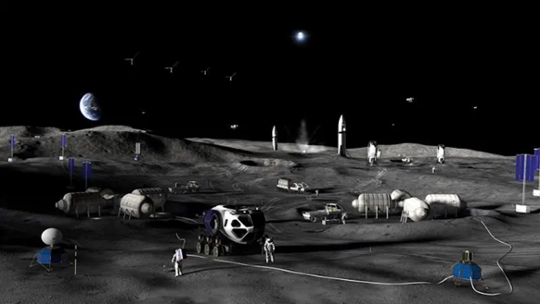
We are on the edge of our seats as we still wait for NASA's Swift Boost mission to launch, which is now happening tomorrow, July 1, due to a weather delay. This rescue mission on a budget aims to keep the agency's Swift mission from falling to Earth, which it would do by the end of the year without intervention. Our fingers are crossed as we countdown to liftoff. As we wait for the launch tomorrow, we have an update incoming from NASA on its moon base plans today. This update could be anything, so if you want to learn in real-time with us, you can watch it live!
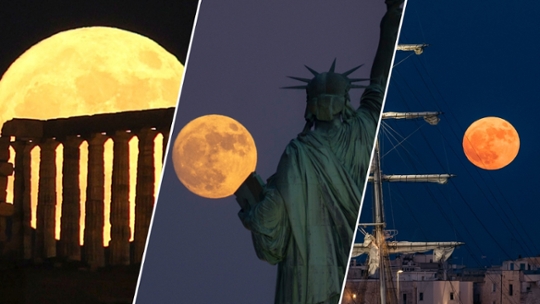
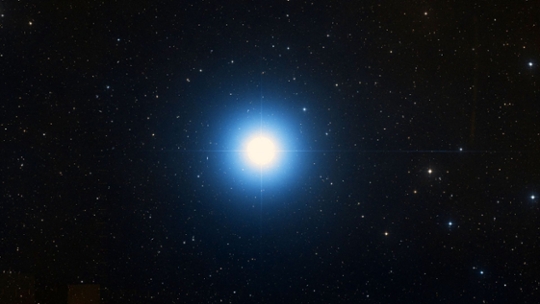
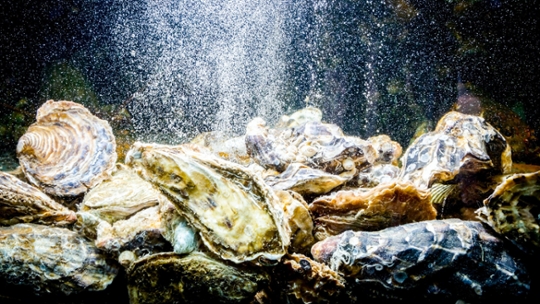
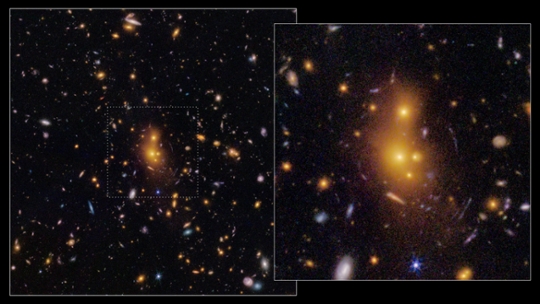
In other news, new research suggests that we might be able to send human astronauts to Saturn's moon Titan, which some scientists think could be possible of supporting life of its own. Other research suggests that oysters could be used to filter water in space, new JWST results explore distant galaxies, and in skywatching news, we've got our favorite photos of June's Full Strawberry Moon to and a look at how light from one nearby star began its journey towards Earth during the American revolution 250 years ago.
Check out what's big in space below!
|
|
|

Want the best news in space right on your phone? Space.com now has an app! Available on both iOS and Android.
|
|
|
|
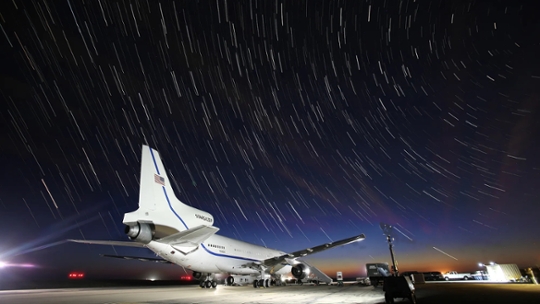
After a weather delay, Northrop Grumman will now launch a rocket from an airplane on July 1 in an attempt to save NASA's SWIFT space telescope from falling out of orbit.
|
|
|
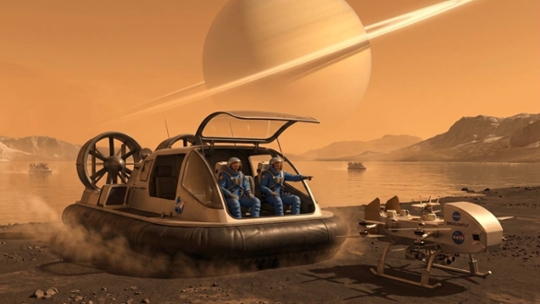
Researchers met recently for the first "Humans to Titan Summit 2026," which explored how to send astronauts to the huge Saturn moon.
|
|
|
|
The June full moon rose low across the sky, treating stargazers worldwide to a stunning celestial display and we've got the photos to prove it.
|
|
|
This star's light left its surface around the same time that the U.S. was founded.
|
|
|
|
A prototype oyster habitat used for water filtration is aiming for an eventual space launch after an early-stage prototype was demonstrated to the public earlier this year.
|
|
|
|
Using the James Webb Space Telescope, astronomers have spotted a massive and densely packed galaxy cluster at "cosmic noon" before such structures were thought to be possible.
|
|
|
|
Two cinematic geniuses united to create one of Hollywood’s most arresting android movies
|
|
|
That's it for our space update today!
Stay tuned as today we learn about NASA's latest plans for developing moon bases, a spacewalk takes places at the ISS to repair a robotic arm, and we count down to the launch of the Swift boost mission tomorrow. It's really never a dull moment in space. And, as we approach July 4, which marks 250 years since the American revolution and the start of the United States, we are exploring the past 250 years of space science and exploration.
What did the night sky look like 250 years ago? How has astronomy changed? What have we learned, and what do we still have to learn? (hint: a lot). We'll have the scoop on all things space as we pass this historic milestone. And don't forget, Space.com now has an app! You can download our app on both iOS and Android.
Ad astra, per aspera
Chelsea Gohd
Content Manager, Space.com
|
|
|
| Stay up-to-date on all things space science, news, and entertainment by subscribing to our newsletters. |
|
 |
|
|
|
|
|
When you purchase through links in our content, we may earn an affiliate commission.
Future US LLC © |
| Full 7th Floor, 130 West 42nd Street, New York, NY, 10036 |
|
|
|