Thursday, June 11, 2026

Space & Physics: A meteorite from a long-lost world

Top stories in space and physics news                    

June 11— This week, our top stories include the discovery of a meteorite from a large long-lost world, NASA’s picks for the crew of Artemis III, China’s sample-return mission to a “quasi-moon” of Earth, and the race between humans and AI to solve math’s toughest equations. Enjoy!

Thoughts? Questions? Let me know via e-mail (lbillings@sciam.com), X or Bluesky.

Lee Billings, Senior Editor, Physical Sciences

Top Stories
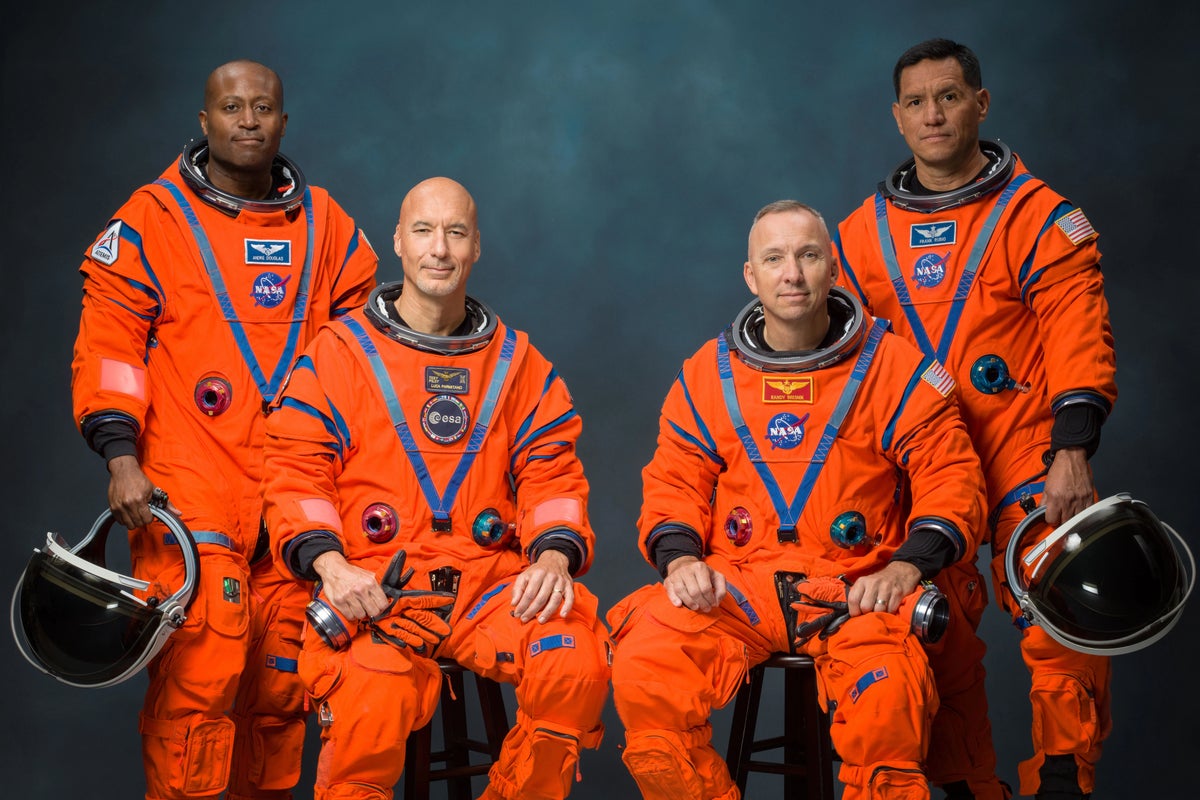
NASA reveals astronauts who will fly Artemis III, its next step toward a moon landing

NASA’s Artemis III crew includes three NASA astronauts and one European Space Agency astronaut

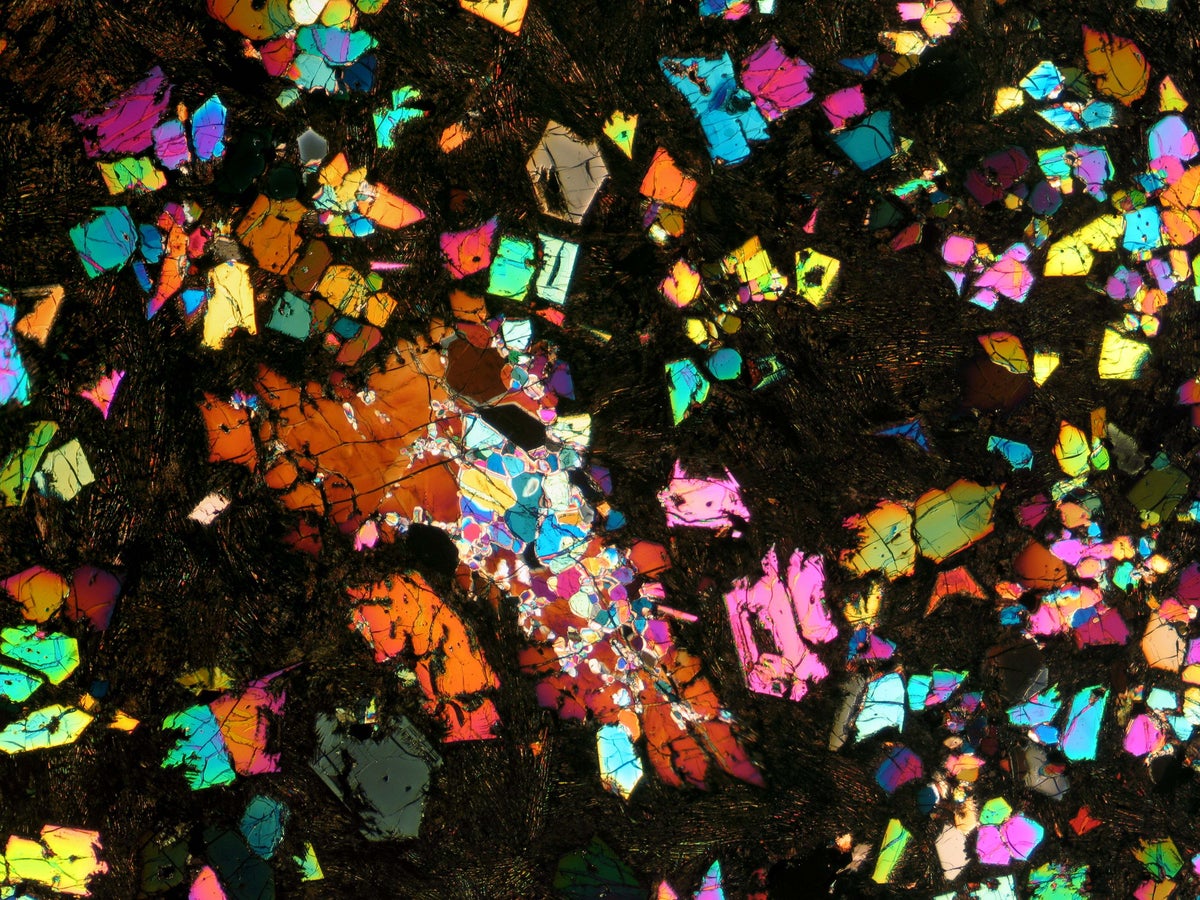
This meteorite could be a relic from a ‘lost world’

Hints of high-pressure chemistry within a rare meteorite suggest this fallen space rock comes from a planet gone wrong in the solar system’s early history

Brought to you by Scientific American
Live event: The Young American Scientists 2026

Scientific American’s first-ever Young American Scientists issue takes an unflinching look at the threats facing science today and offers a hopeful look at what comes next. Join SciAm editors David Ewalt, Megha Satyanarayana, Dan Vergano and Ari Sen for an engaging discussion on the state of American science and how they found the 28 promising young researchers whose work may one day change the world. Learn more and register here.

Big universe, tiny cost. Immerse yourself in science with a subscription to Scientific American. Get 90 days for just $1!
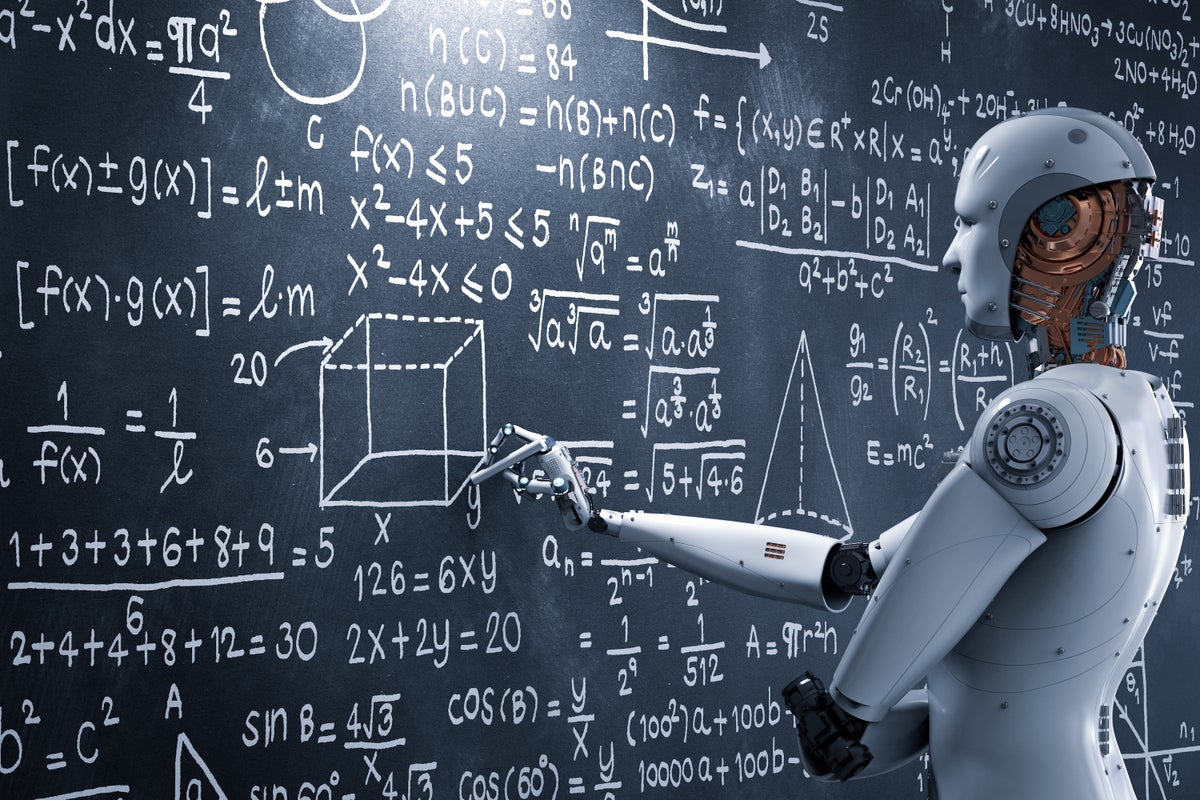
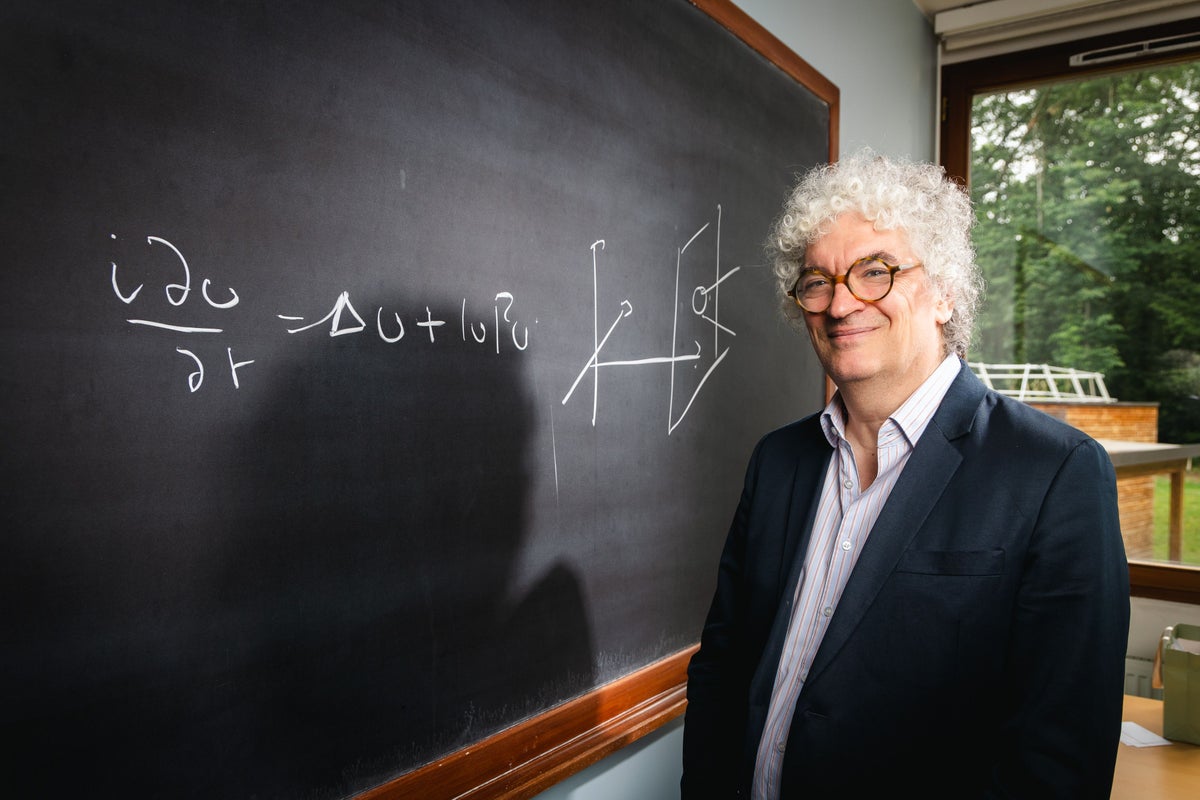
The million-dollar race to ‘blow up’ math’s hardest equations

New results challenge AI’s promise for solving how fluids swirl—and suggest a more human path forward

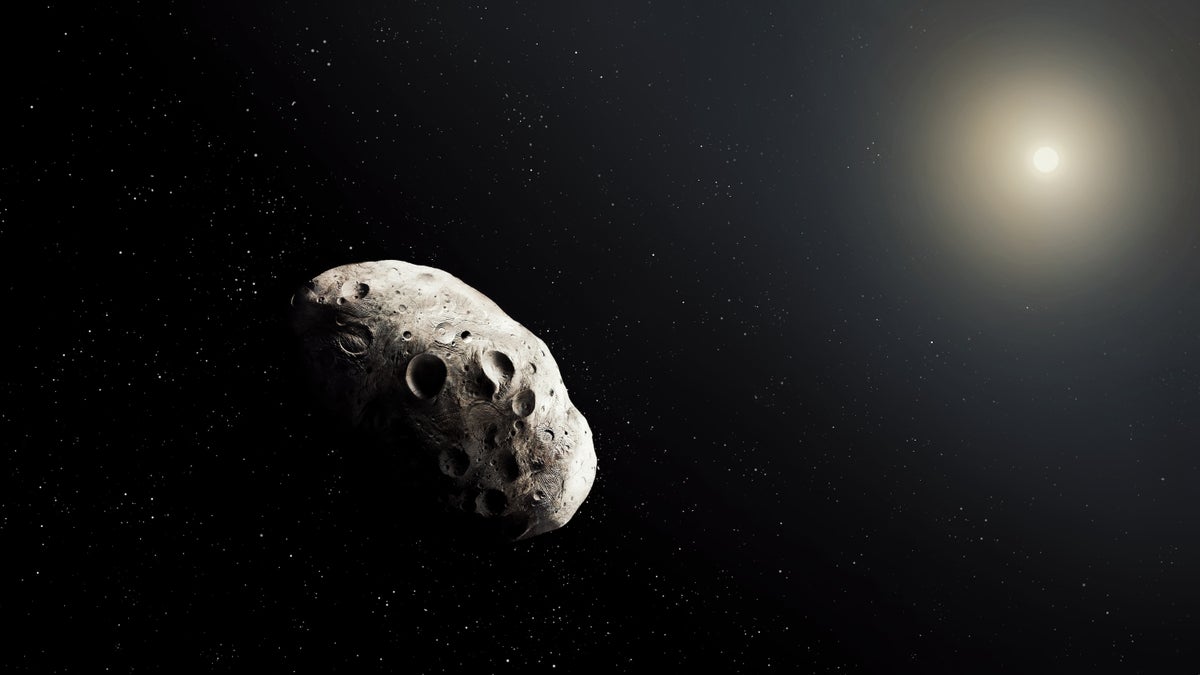
China’s Tianwen-2 spacecraft just arrived at a mysterious ‘quasi-moon’ of Earth

The Tianwen-2 spacecraft is slowly closing in on the near-Earth asteroid Kamo‘oalewa, on a mission that would bring China’s first asteroid samples back to Earth in 2027

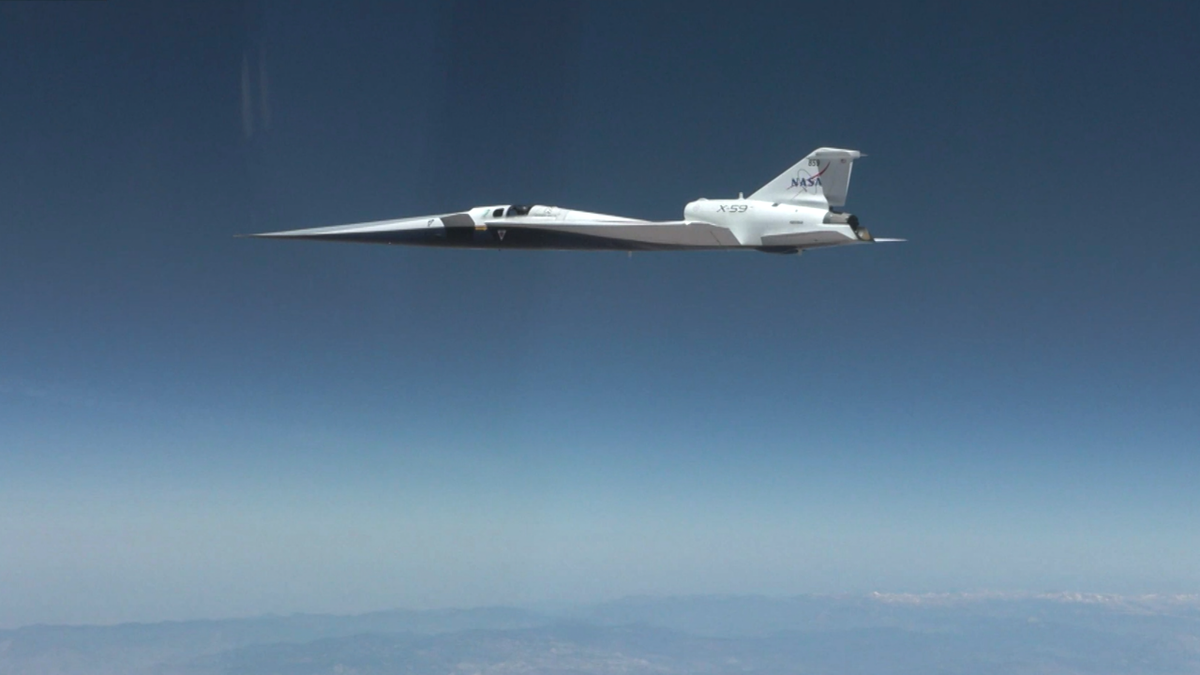
NASA’s X-59 plane goes supersonic for the first time

This experimental plane, which reached supersonic speeds yesterday, is designed to travel faster than the speed of sound without creating bothersome sonic booms

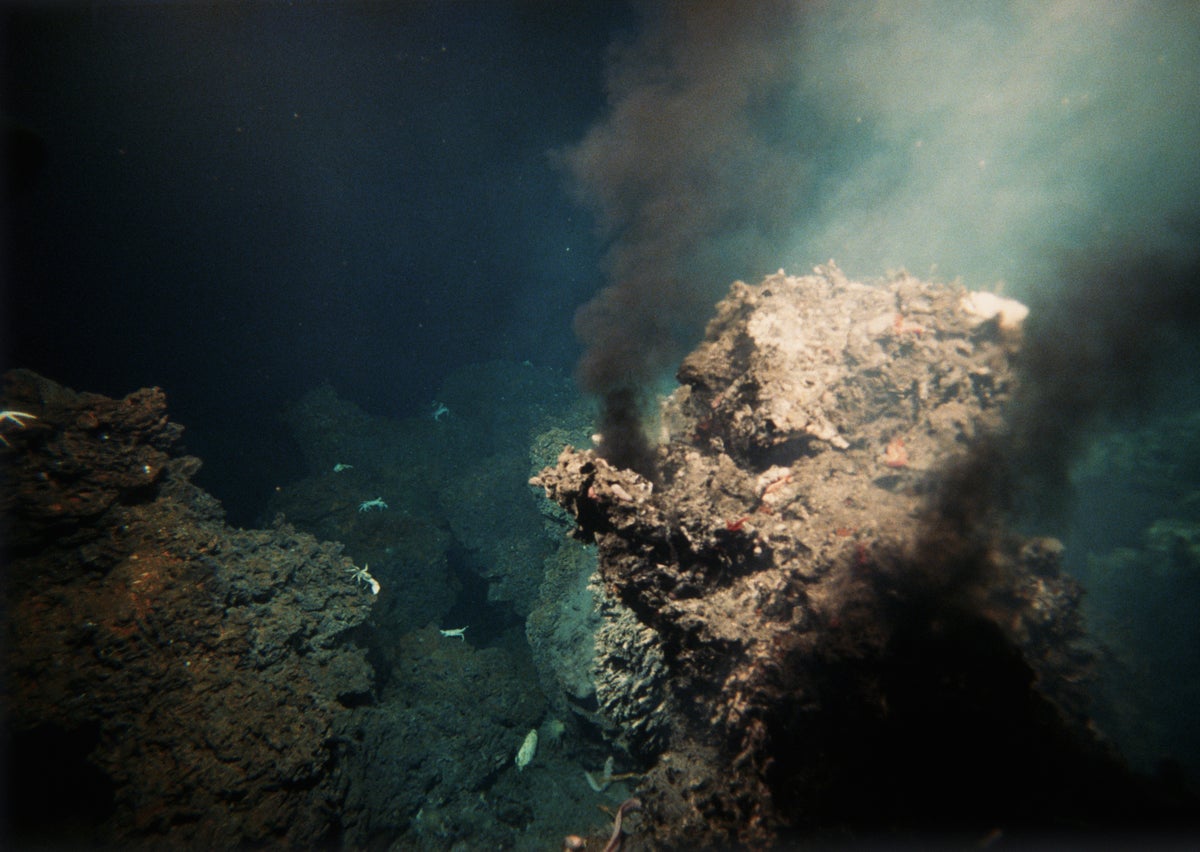
Dino-killing asteroid may have sparked millions of years of hydrothermal life

When asteroids slam into Earth, they can create hydrothermal vent systems

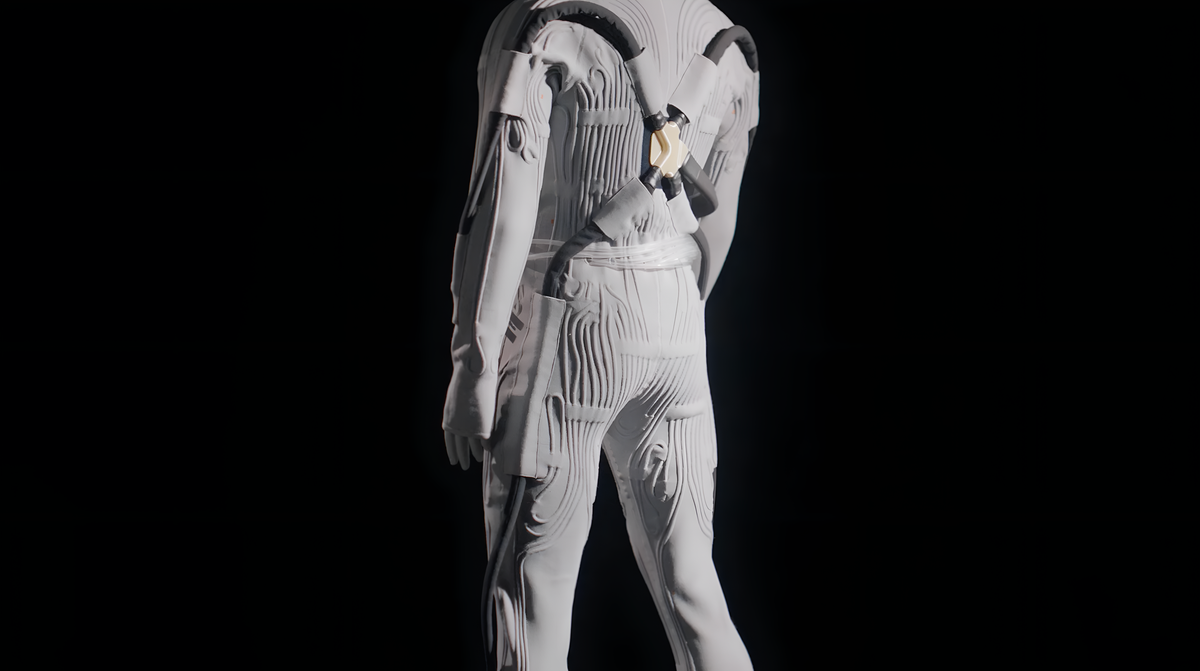
This Prada-designed onesie will help keep NASA’s Artemis astronauts cool on the moon

On Sunday Axiom Space and Prada unveiled the cooling inner garment that NASA’s Artemis astronauts will wear under their space suits on the moon

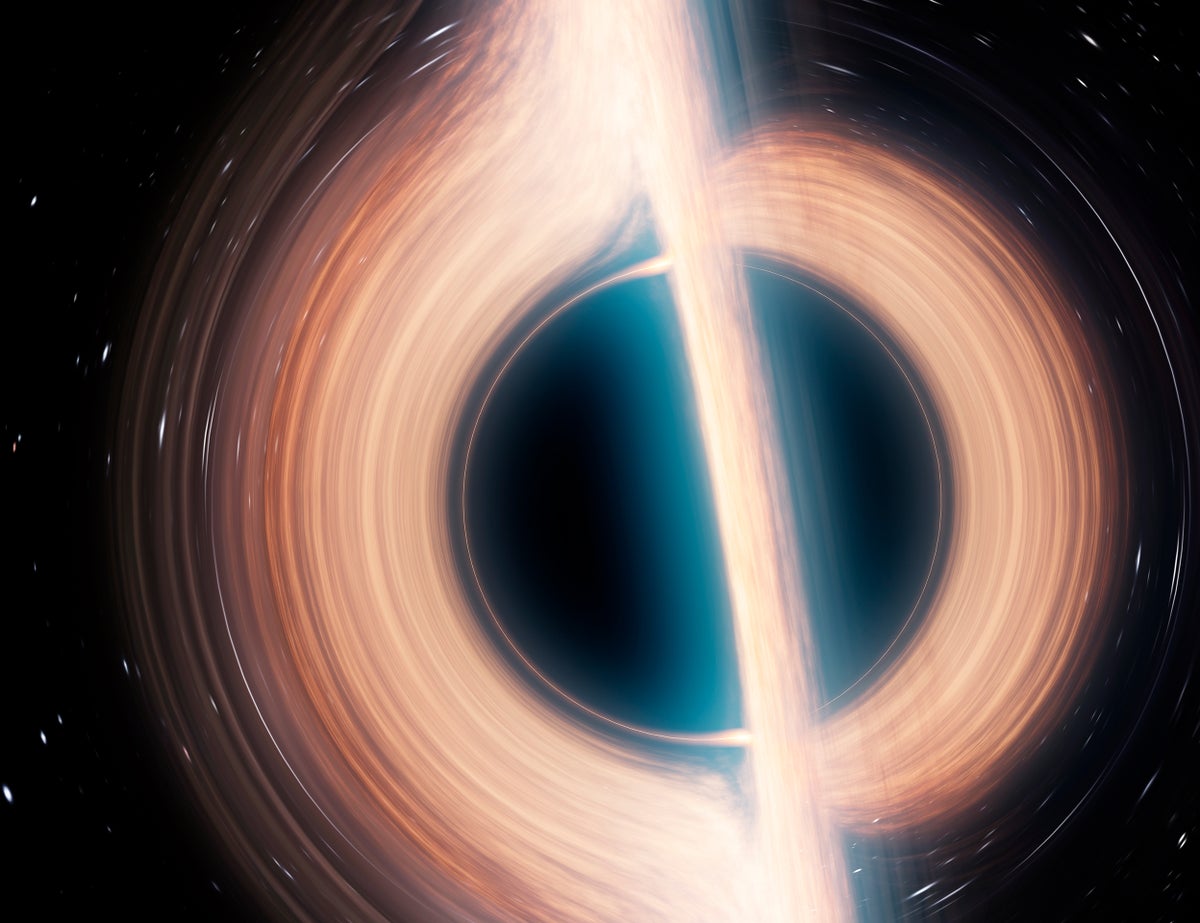
Giant black holes may be the universe’s best planet makers

Planets might exist in the least likely place you’d imagine—around the outskirts of supermassive black holes

AI scores a ‘C–’ on its hardest math test yet

The second batch of “First Proof” problems is meant to evaluate AI’s usefulness for research-level math. The best model got six or seven of the 10 questions basically right

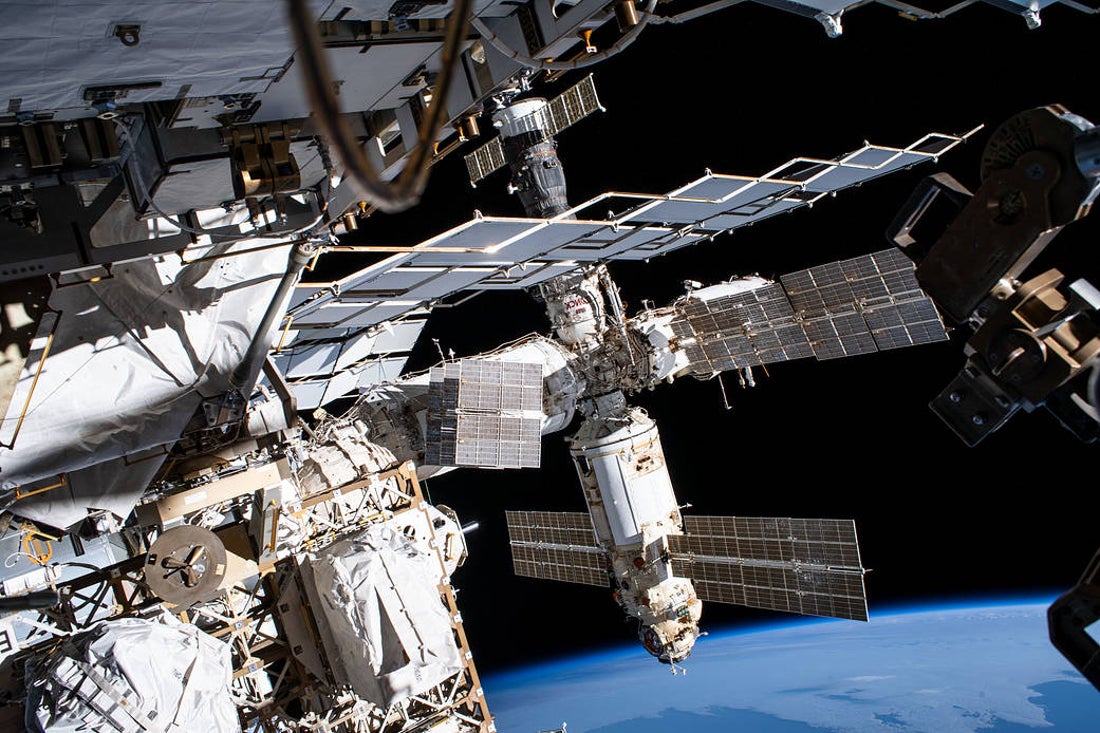
Astronauts take shelter on the International Space Station because of air leaks

NASA ordered its astronauts to take refuge inside a docked SpaceX Crew Dragon spacecraft and to prepare for potential evacuation of the International Space Station. But the crew returned to normal operations shortly afterward

How math can help you decide what to order for dinner

An experiment with 2,520 participants backs Richard Feynman’s answer to every diner’s dilemma: Do I want to try something new?

What We're Reading
  • FCC lifts looming deadline for Amazon Leo satellite broadband constellation | Ars Technica
  • People Living Near xAI’s Dirty Data Centers Are Pissed About the SpaceX IPO | WIRED
  • Hundreds of new moons are revealing our solar system's violent history | New Scientist

From the Archive
Master of chaos wins $3-million math prize for ‘blowing up’ equations

For decades, mathematician Frank Merle has been embracing the messy math behind lasers and fluids

Scientist Pankaj

NASA chief defends all-male Artemis 3 astronaut crew amid backlash: 'I don't think anyone should be reading into this'

NASA chief defends all-male Artemis...