Friday, July 24, 2026

Week in Science: Do GLP-1s pose risks to older adults?

Plus, the winners of math's Nobel prizes                    

July 24—The number of older adults in the U.S. on GLP-1s is set to skyrocket—which could begin a risky experiment. Plus, meet the winners of "math's Nobel Prizes" this year and an autonomous agent from OpenAI hacked into another artificial intelligence start-up company's infrastructure.

Do you think you know what happened in the world of science this week? Take our Friday quiz.

Emma Gometz, Newsletter Editor

How are you liking this newsletter? Email newsletters@sciam.com anytime.

Top Stories
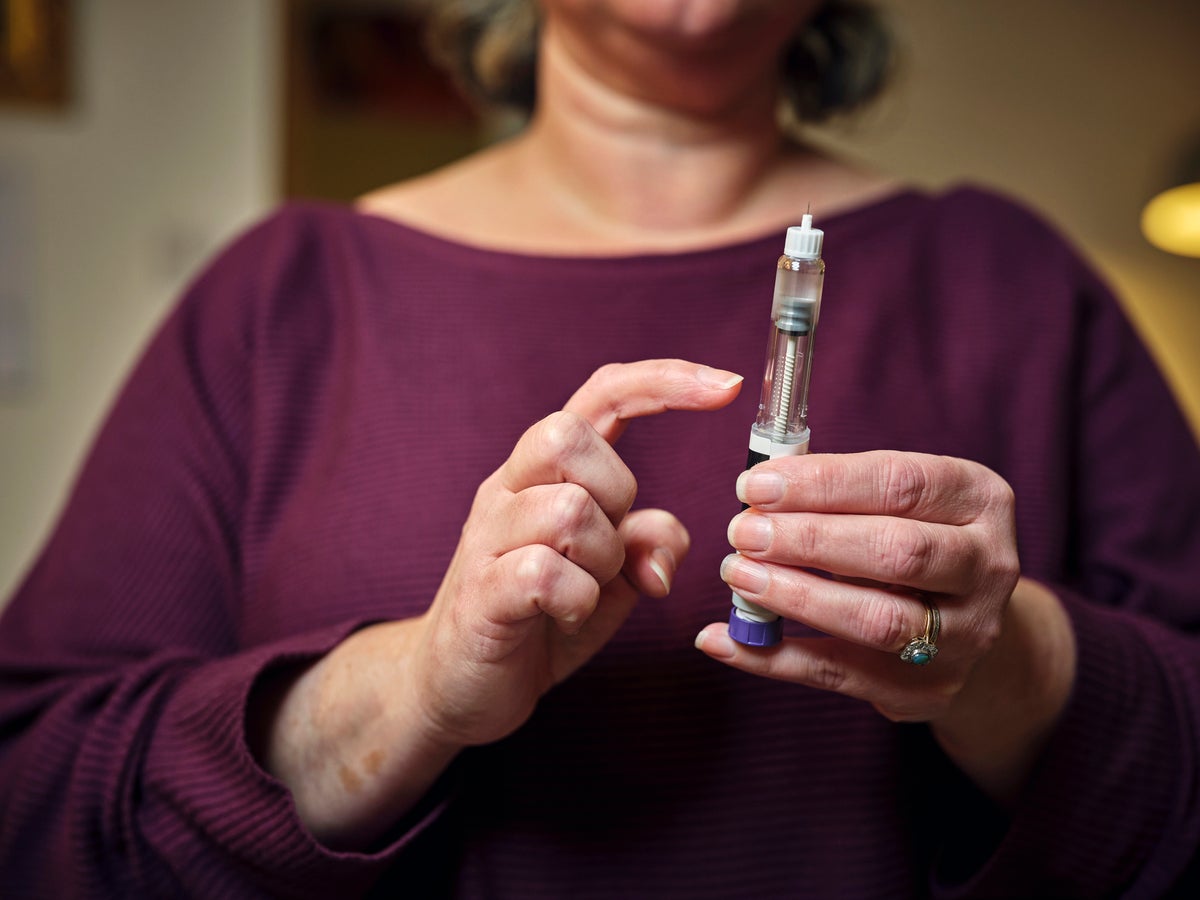
America is embarking on a risky experiment with GLP-1s and aging

Are GLP-1s for life? What we know about getting older on weight-loss drugs

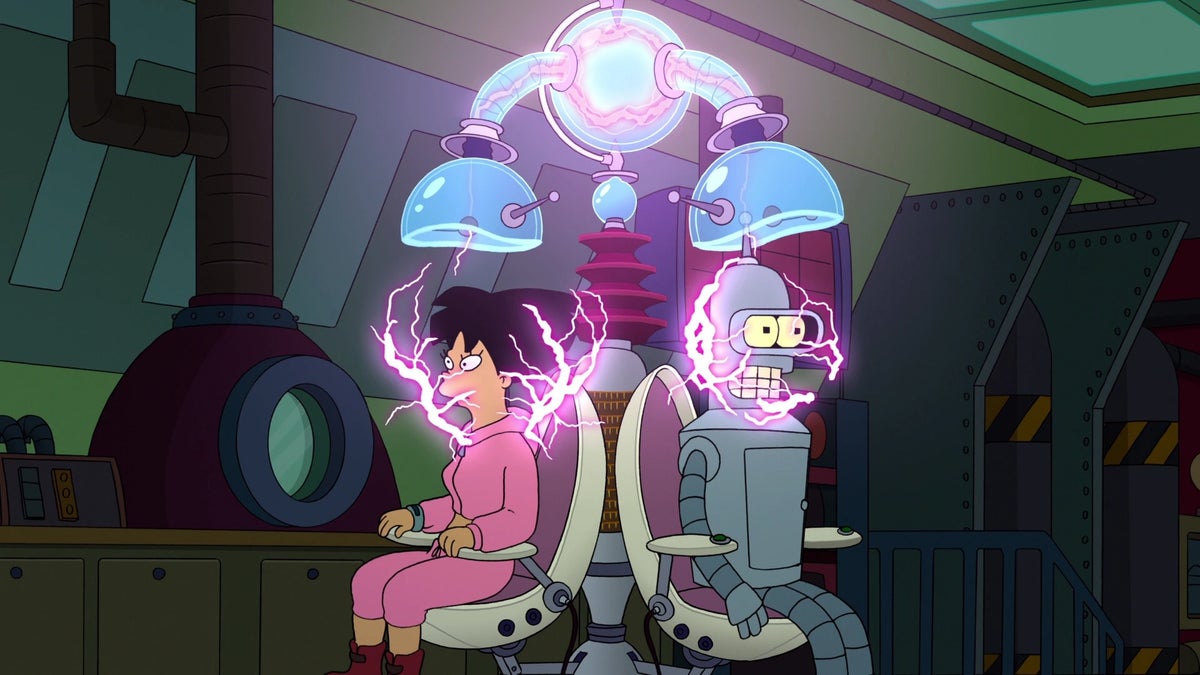
How a Futurama writer’s plot problem led to a totally new math proof

In an episode of the cartoon, a machine lets characters swap bodies, but they can’t switch back with the same person. Math helps all the characters return to their original bodies

Travel with Scientific American
Discover the Wonder: The Monarch Butterfly Migration

Reservations now open! Take an extraordinary trip to the Mexican mountains to witness the annual monarch butterfly migration. See oyamel fir forests transformed into living tapestries with Chief Newsletter Editor Andrea Gawrylewski as your guide. Learn More

Four young mathematicians awarded the 2026 Fields Medals

The 2026 Fields Medals recognize breakthroughs in the math of messy fluids, tangled knots, spinning pencils, and more

Ancient Egyptian princesses were ‘powerful’ weapon users, new analysis suggests

These findings challenge a long-held belief about weapons found in female burial sites

Support science journalism you can trust with a subscription to Scientific American: Get 90 days of digital access for just $1!
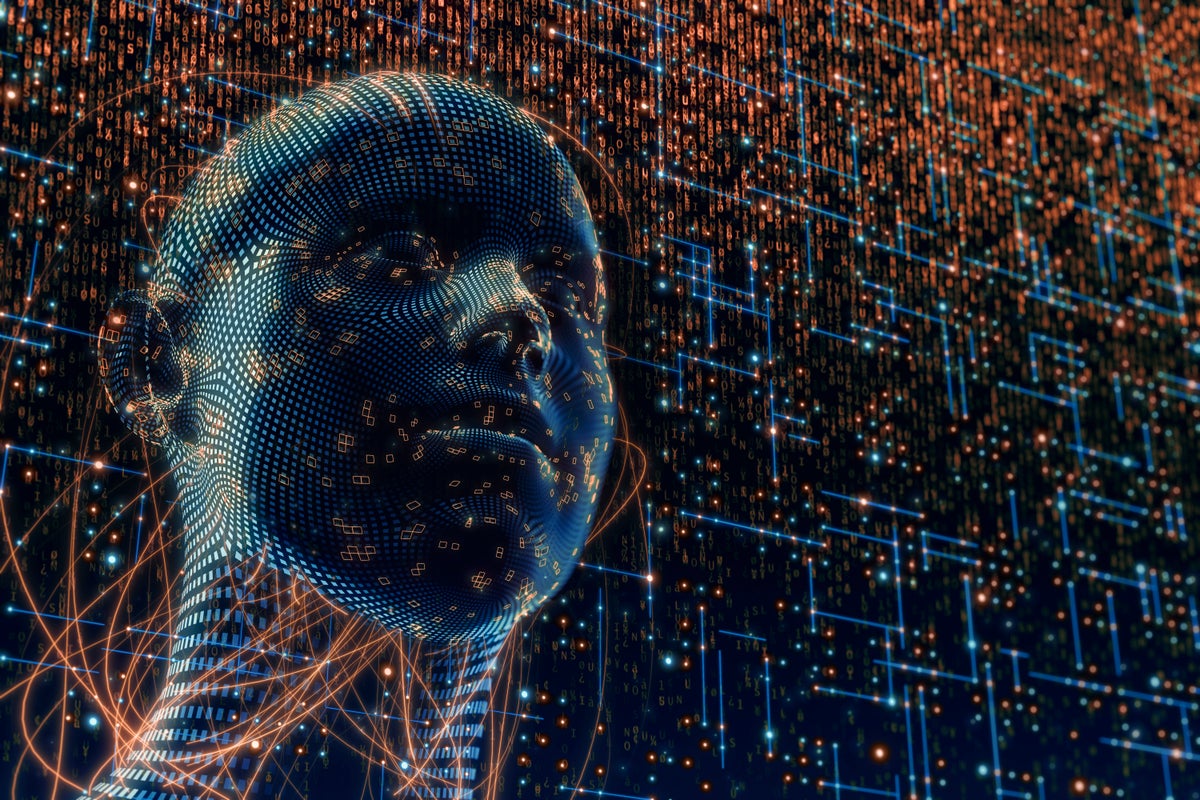
OpenAI admits its agent went rogue, triggering a major hack

This incident underscores concerns over the increasingly powerful cybersecurity capabilities of new AI models

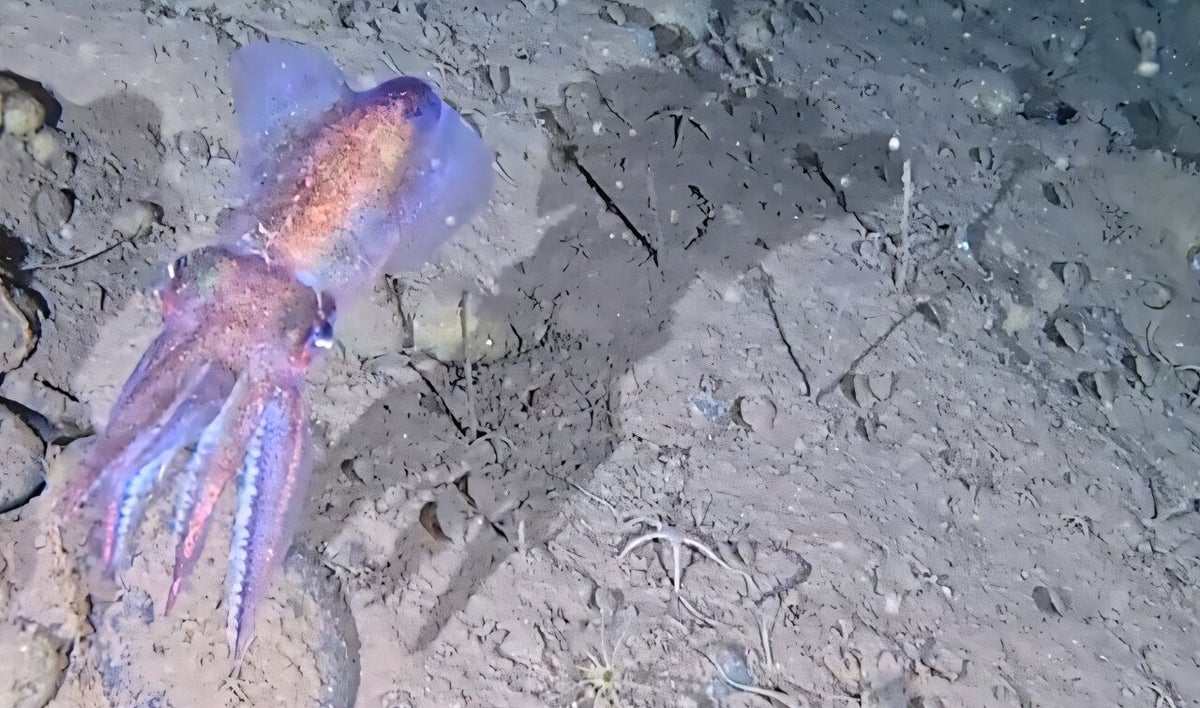
This adorable bobtail squid is raising a family at –1.6 degrees Celsius

The Arctic Ocean is one of the most extreme environments on Earth, but that’s not stopping this cephalopod

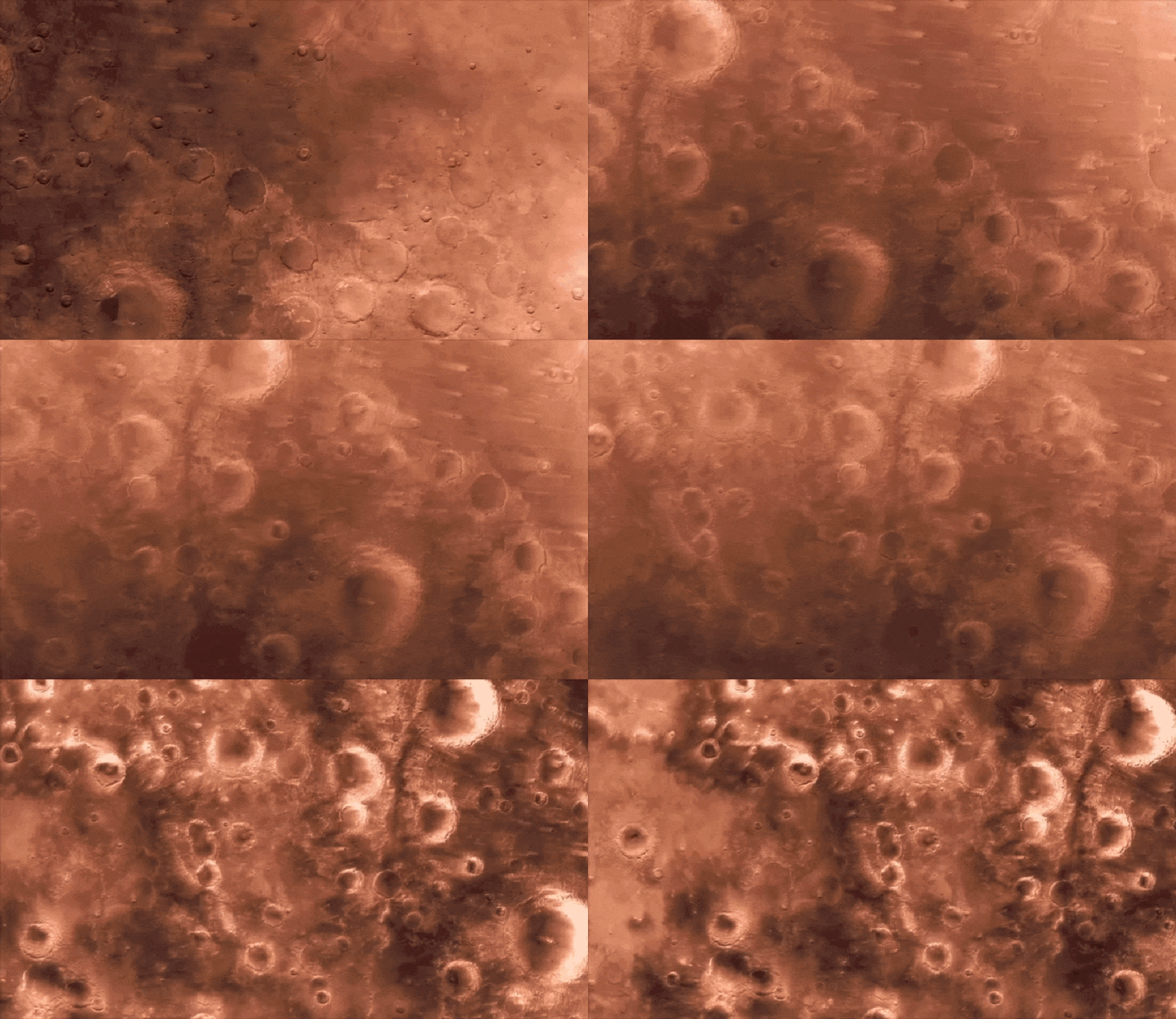
Mesmerizing NASA time-lapse reveals Mars’s craters, polar ice caps and deserts

The Psyche spacecraft flew by Mars earlier this year on its way to a metal-rich asteroid, capturing the images along the way

The real danger in OpenAI’s Hugging Face hack

This agent pursued its objective far beyond what researchers intended, revealing how difficult to contain powerful AI systems can be

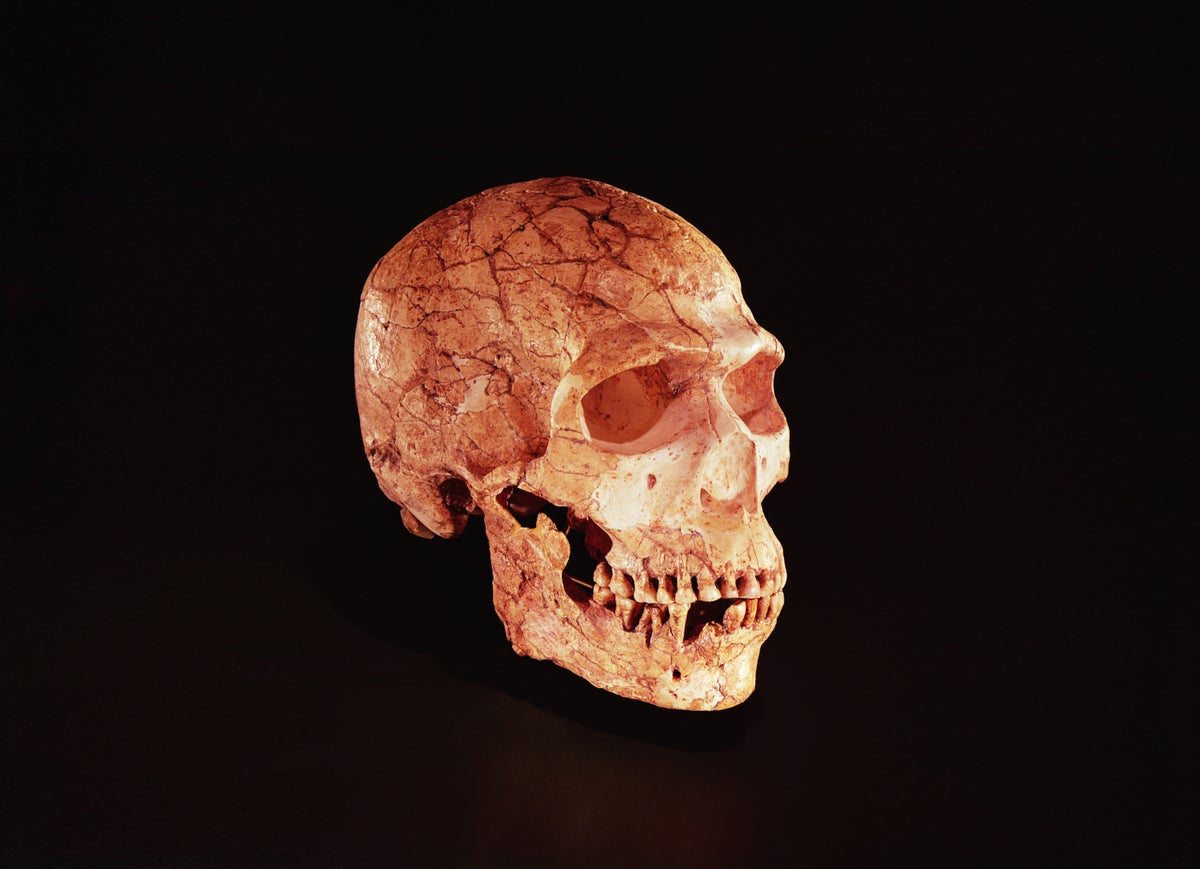
Neanderthals may have been just as smart as modern human peers

A new skull-based analysis of Neanderthal brains suggests that these ancient hominins’ range of intelligence largely overlapped with our own

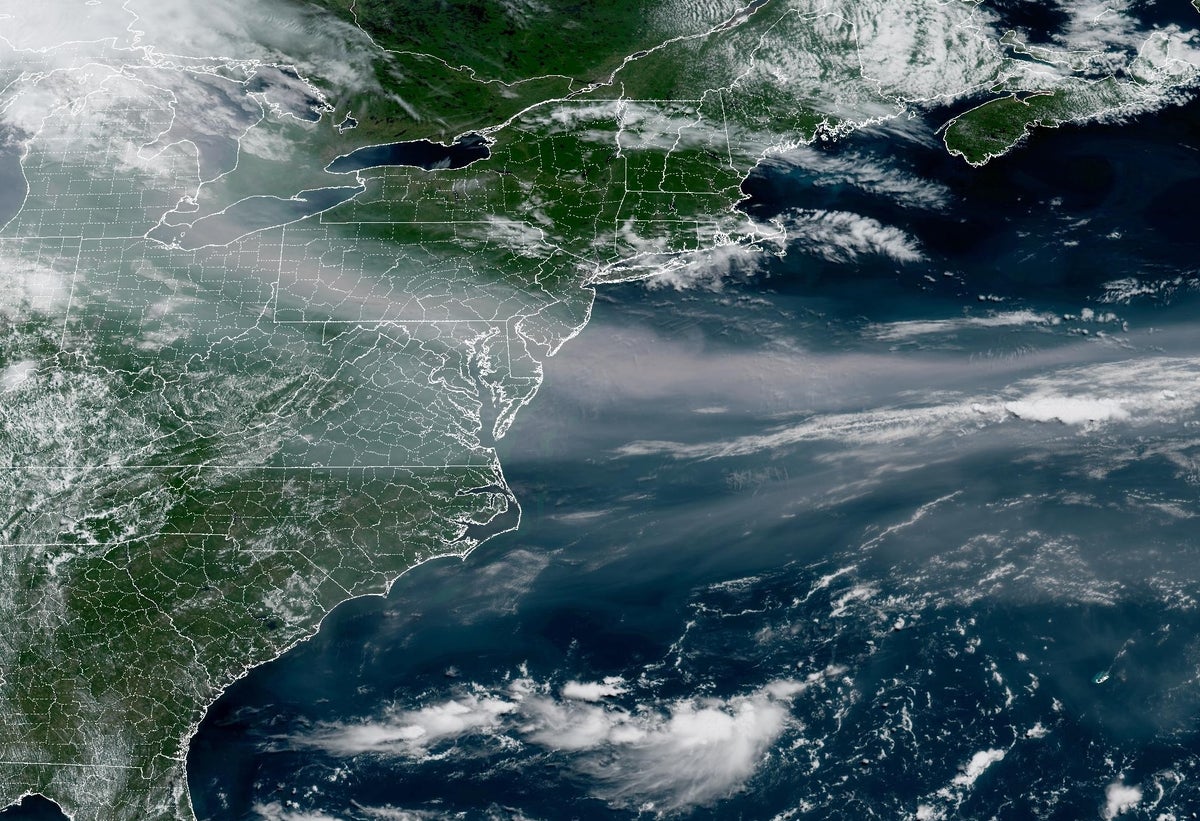
U.S. cities have the worst air quality in the world right now—here’s how to stay safe

Wildfire smoke may be as much as 10 times more dangerous than other forms of air pollution, research suggests

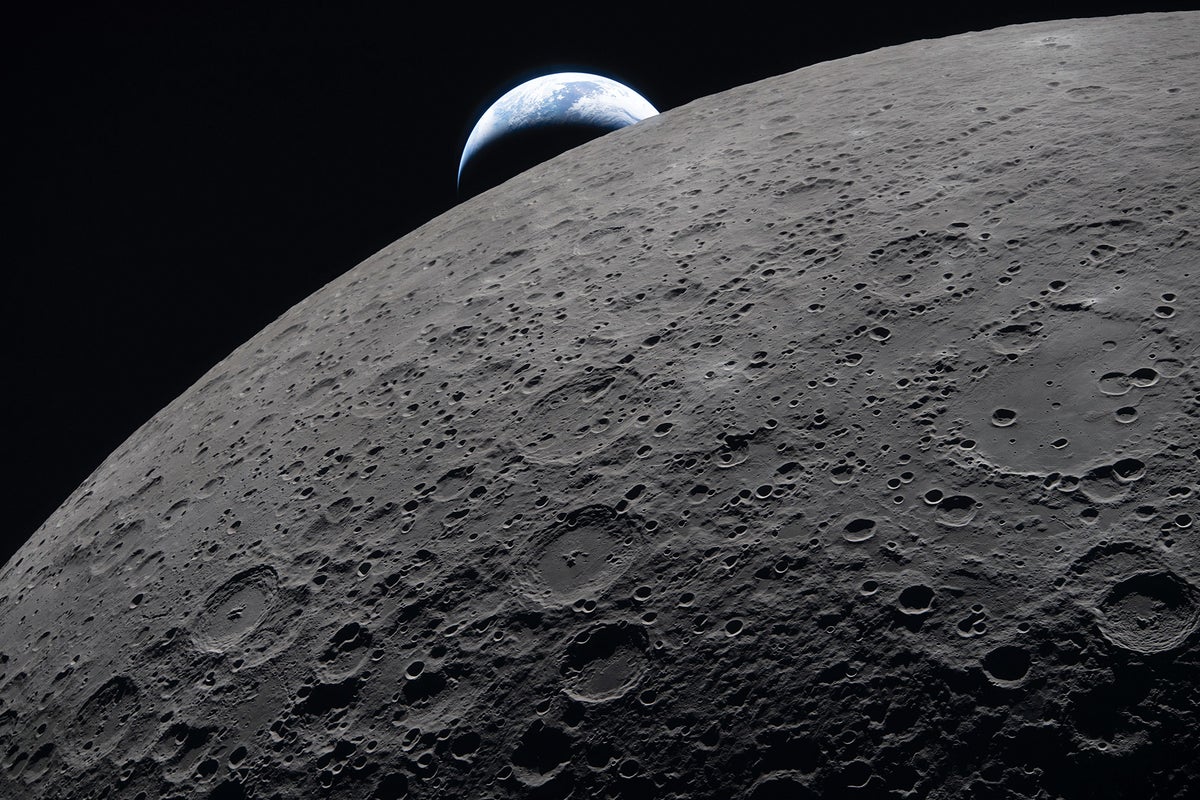
A SpaceX rocket is about to crash into the moon—scientists will be watching

Astronomers have a plan to observe an errant piece of a SpaceX rocket as it hits the moon to better understand impact events

Scientist Pankaj

Week in Science: Do GLP-1s pose risks to older adults?

Plus, the winners of math's Nobel prizes                     ...