Our much-aligned ancient cousins would fit right in today ͏ ͏ ͏ ͏ ͏ ͏ ͏ ͏ ͏ ͏ ͏ ͏ ͏ ͏ ͏ ͏ ͏ ͏ ͏ ͏ ͏ ͏ ͏ ͏ ͏ ͏ ͏ ͏ ͏ ͏ ͏ ͏ ͏ ͏ ͏ ͏ ͏ ͏ ͏ ͏ ͏ ͏ ͏ ͏ ͏ ͏ ͏ ͏ ͏ ͏ ͏ ͏ ͏ ͏ ͏ ͏ ͏ ͏ ͏ ͏ ͏ ͏ ͏ ͏ ͏ ͏ ͏ ͏ ͏ ͏ ͏ ͏ ͏ ͏ ͏ ͏ ͏ ͏ ͏ ͏ ͏ ͏ ͏ ͏ ͏ ͏ ͏ ͏ ͏ ͏ ͏ ͏ ͏ ͏ ͏ ͏ ͏ ͏ ͏ ͏ ͏ ͏ ͏ ͏ ͏ ͏ ͏ ͏ ͏ ͏ ͏ ͏ ͏ ͏ ͏ ͏ ͏ ͏ ͏ ͏ ͏ ͏ ͏ ͏ ͏ ͏ ͏ ͏ ͏ ͏ ͏ ͏ ͏ ͏ ͏ ͏ ͏ ͏ ͏ ͏ ͏ ͏ ͏ ͏ ͏ ͏ ͏ ͏ ͏ ͏
July 20, 2026—Ancient Neanderthals were just as smart as us? And computer scientist Timnit Gebru on the state of AI innovation. Plus, join me on a thrilling trip to Mexico to watch the monarch butterfly migration! Details below.
—Andrea Gawrylewski
Chief Newsletter Editor
P.S. Science is more fun with friends! Forward this newsletter to someone who is curious about the world and help our community grow.
|
|
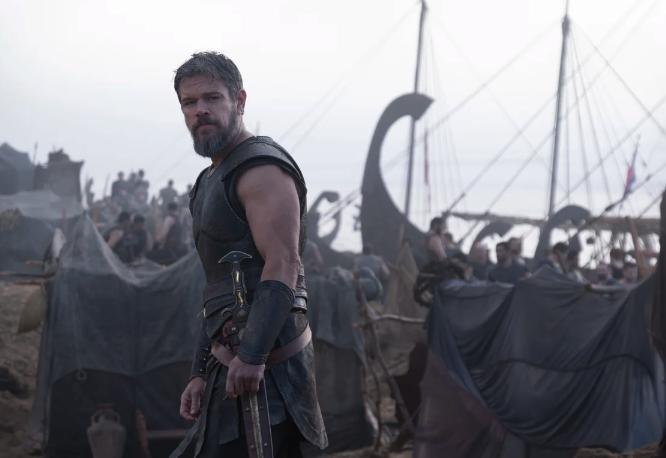
Matt Damon is Odysseus in the eponymous 2026 film adaptation of The Odyssey. Melinda Sue Gordon/Universal Pictures. Copyright © Universal Studios. All rights reserved
|
|
A new film version of Homer's classic poem The Odyssey came out last week. Psychologists know why this 2,500-year-old tale still hits: The “hero’s journey” narrative structure used in the ancient Greek story can help people bring meaning to their own lives. | 4 min read
The evidence supporting the use of GLP-1s in the age-60-and-older population is limited. With one in 10 Americans on a weight loss drug, the country is conducting a risky experiment with GLP-1s and aging. | 4 min read
Last week New York State Governor Kathy Hochul announced the first state moratorium on supersize data centers. The state will take one year to determine how to evaluate these massive structures. | 4 min read
A stray piece of a SpaceX Falcon 9 rocket is on track to hit the moon's surface on August 5. Scientists will be watching. | 3 min read
Accidental mix-ups of sounds of consecutive words, known as spoonerisms, are among the most well-known speech errors. But for neuroscientists they reveal how the brain turns thoughts into speech instantaneously. Cow wool! | 5 min read
Two meteor showers, the Southern Delta Aquariids and the Alpha Capricornids, are set to peak from July 28 to July 31. Here's how to catch them. | 2 min read
Spotting wildfires before they explode in size could save countless lives each year. Here's the latest technology that could finally make that possible. | 6 min read
|
|
Brain Power
Our ancient Neanderthal cousins have long been considered the less intelligent hominin species. But they likely would have fit right in among Homo sapiens, a new analysis shows. Scientists used a method called deformation mapping to create digital reconstructions of the inner surface of skulls. Using this technique, they were able to infer the volume of different brain regions of more than a dozen modern people of Han Chinese and European descent, as well as of Neanderthals. For several of those brain regions, the scientists found greater variation between the two modern populations than between Neanderthals and today’s humans.
Why this is interesting: Not only were Neanderthal brain volumes not significantly different from modern humans, but there’s only a faint link between brain volume and cognition to start with. Neanderthals likely spanned an intelligence spectrum that was comparable to that of their human neighbors. What the experts say: “I don’t think we would detect a difference if they were around today,” says Tom Schoenemann, an anthropologist at Indiana University Bloomington and lead author of the study. “I think they would fit comfortably within the range of cognitive functioning that we see among modern humans.”
|
|
Kimberly White/Getty Images
|
|
The State of AI Innovation
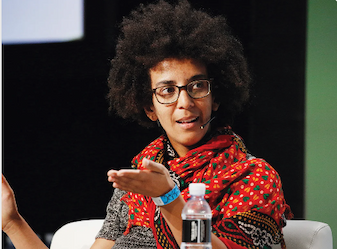
Timnit Gebru is a computer scientist, an engineer, and founder and executive director of the Distributed AI Research Institute, an independent organization conducting community-rooted research into technological tools and systems. We sat down with Gebru to discuss the state of American science. An excerpt of that conversation is below.
Scientific American: How would you describe the current state of American science?
Timnit Gebru: I’m in the field of AI, and in my field, I would describe it as corporate-driven and sloppy. There are a lot of basic practices—for example, not testing on your training data, transparency, appropriate documentation—that are just not being followed. So it’s also misleading.
SA: What needs to change in American science?
TG: I think that, number one, the incentive needs to be decoupled from corporations or the military. The incentives need to be about primarily scientific curiosity but also people’s well-being. That’s the number-one thing: the funding needs to come from a different place. That’s where I’ll start and stop.
SA: What’s your best advice for an early-career scientist?
TG: Question everything, question the source of information that you get. Don’t believe any kind of hype that you hear from companies. Just follow all the rabbit holes. Being a scientist is really asking why and how and, Is this really true? So just have patience and ask all the questions. Don’t settle for answers that you get from the media. Question incentive structures, question where you’re getting the information from, and just don’t stop going down the rabbit holes when you’re doing experiments or asking questions.
|
|
|
|
|
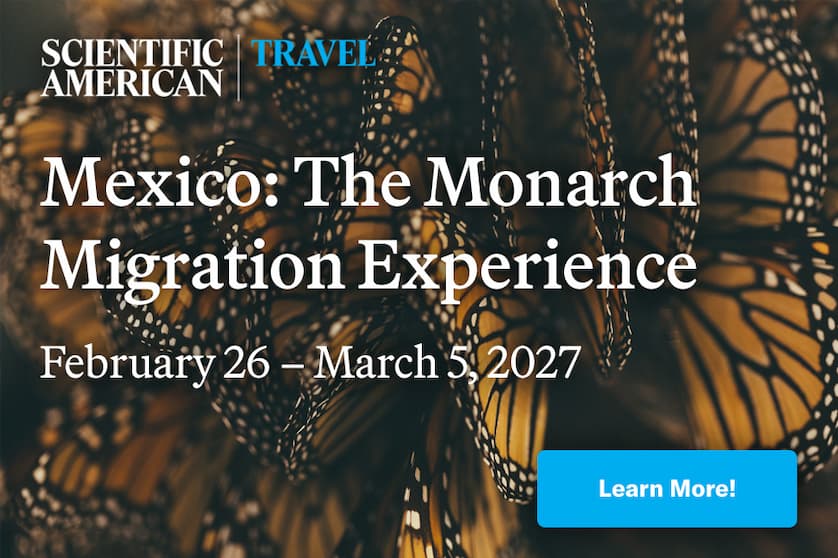
Discover the Wonder: The Monarch Butterfly Migration
|
|
I am so thrilled to be announcing that reservations are now open for an extraordinary trip to Mexico! Join me, your humble newsletter writer, on a hike through steep oyamel fir forests within the Monarch Butterfly Biosphere Reserves, a UNESCO World Heritage Site. We'll see millions of monarchs as they cluster in the trees during the cool mornings on their annual migration. We'll learn from ecologists, see some sites around Mexico, stargaze, enjoy local cuisine and so much more. This will be an unforgettable trip, and I can't wait to meet you, my science-loving friends!
|
|
|
|
|
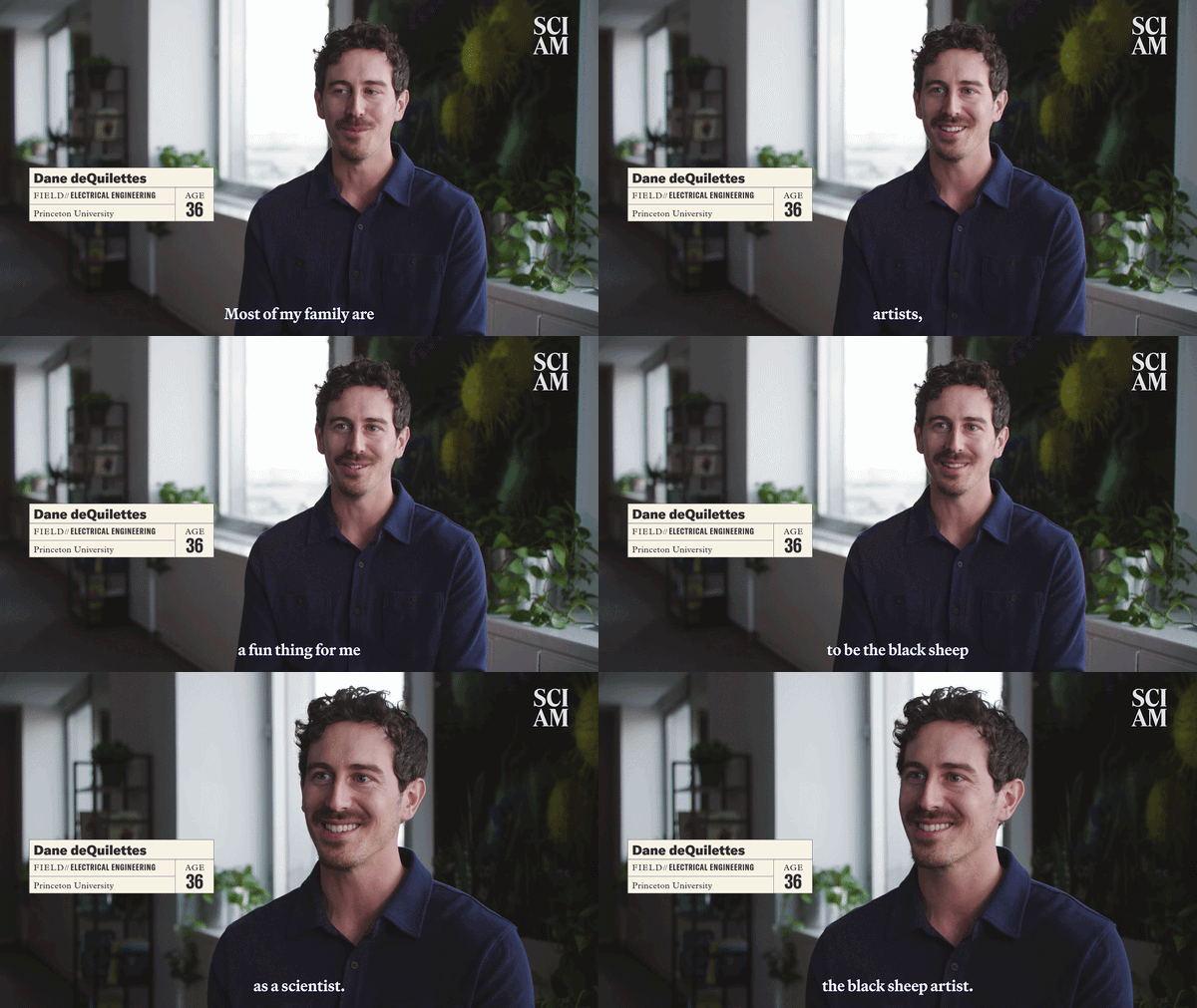
Dane deQuilettes is an assistant professor of electrical engineering at Princeton University. He studies the flow of electrons and quantum sensing, using diamond crystals with tiny, engineered defects that act as exquisitely sensitive probes of their surroundings. His hope is to devise, among other futuristic materials, novel solar technologies to help us transition away from fossil fuels. "For me it's how do we understand and then design the world around us," he says. "How do we arrange those atoms and what functional properties can we have with them?"
Read the rest of the Young American Scientist profiles here.
|
|
There's nothing like going to see the latest blockbuster film on a hot summer day. Not to date myself, but some of my favorite sciencey films I saw in a dark, cool theater at the peak of summer (The Matrix, Jurassic Park, Minority Report, are just a few off the top of my head) sparked a lifelong fascination with science and the big questions it tries to answer. So while The Odyssey may take audiences on a journey through the myths and monsters of the ancient world, it reminds me of the power of movies to transport us to unfamiliar realms—and sometimes to ignite a lifelong curiosity.
What movies have you seen this summer? Let me know and send any other questions, thoughts or feedback on this newsletter to newsletters@sciam.com.
|
|
—Andrea Gawrylewski, Chief Newsletter Editor
|
|
|
|
|
Subscribe to this and all of our newsletters here.
|
|
|
|
|