Thursday, July 16, 2026

Space & Physics: Who's in charge of the night sky?

Plus, the sweet discovery of interstellar sugar                    

July 16—This week, our top stories include the sweet discovery of interstellar sugar, SpaceX’s next Starship launch, astronomers aghast at regulatory approval of a dark-skies-scuttling satellite, and—as always—much more.

Thoughts? Questions? Let me know via e-mail (lbillings@sciam.com), X or Bluesky.

Lee Billings, Senior Editor, Physical Sciences

Top Stories
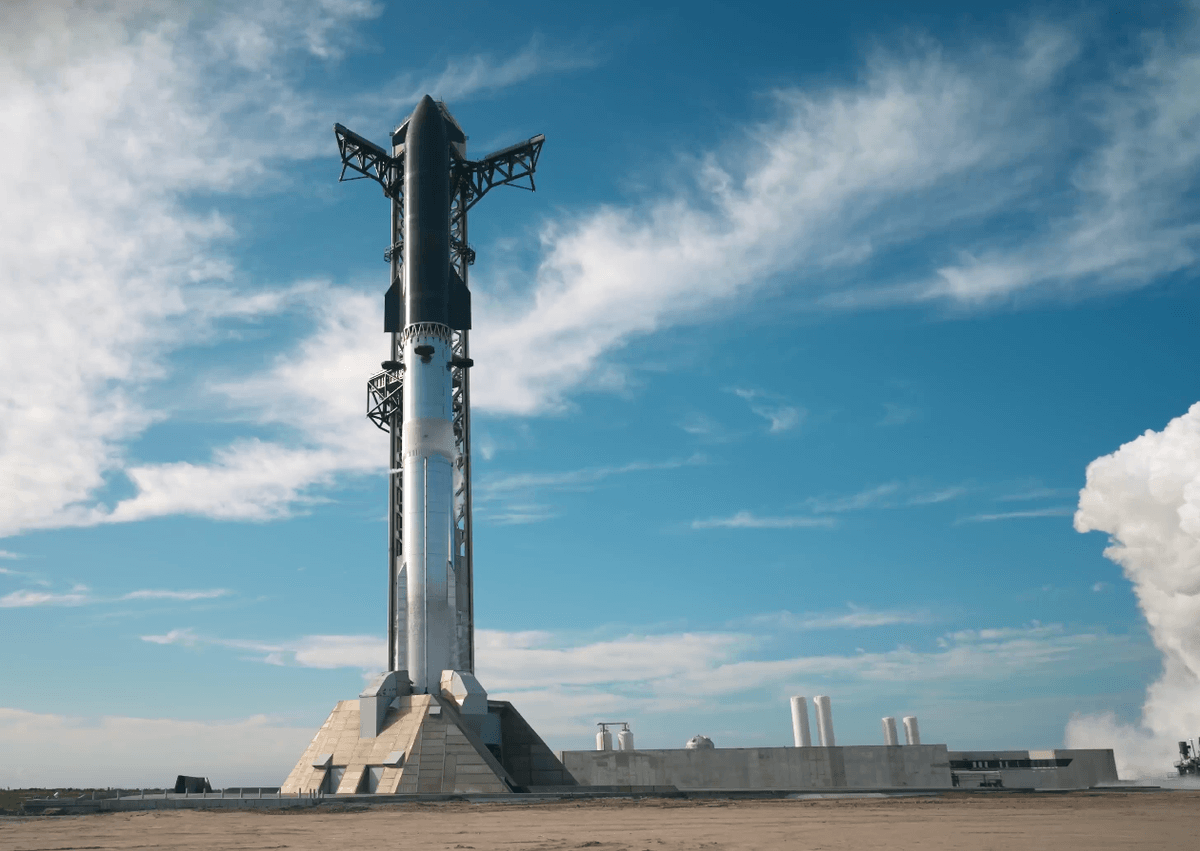
Watch SpaceX’s Starship Flight 13 launch tonight

SpaceX is launching the latest version of its Starship megarocket for a test flight that—if all goes to plan—should look a lot like the last one

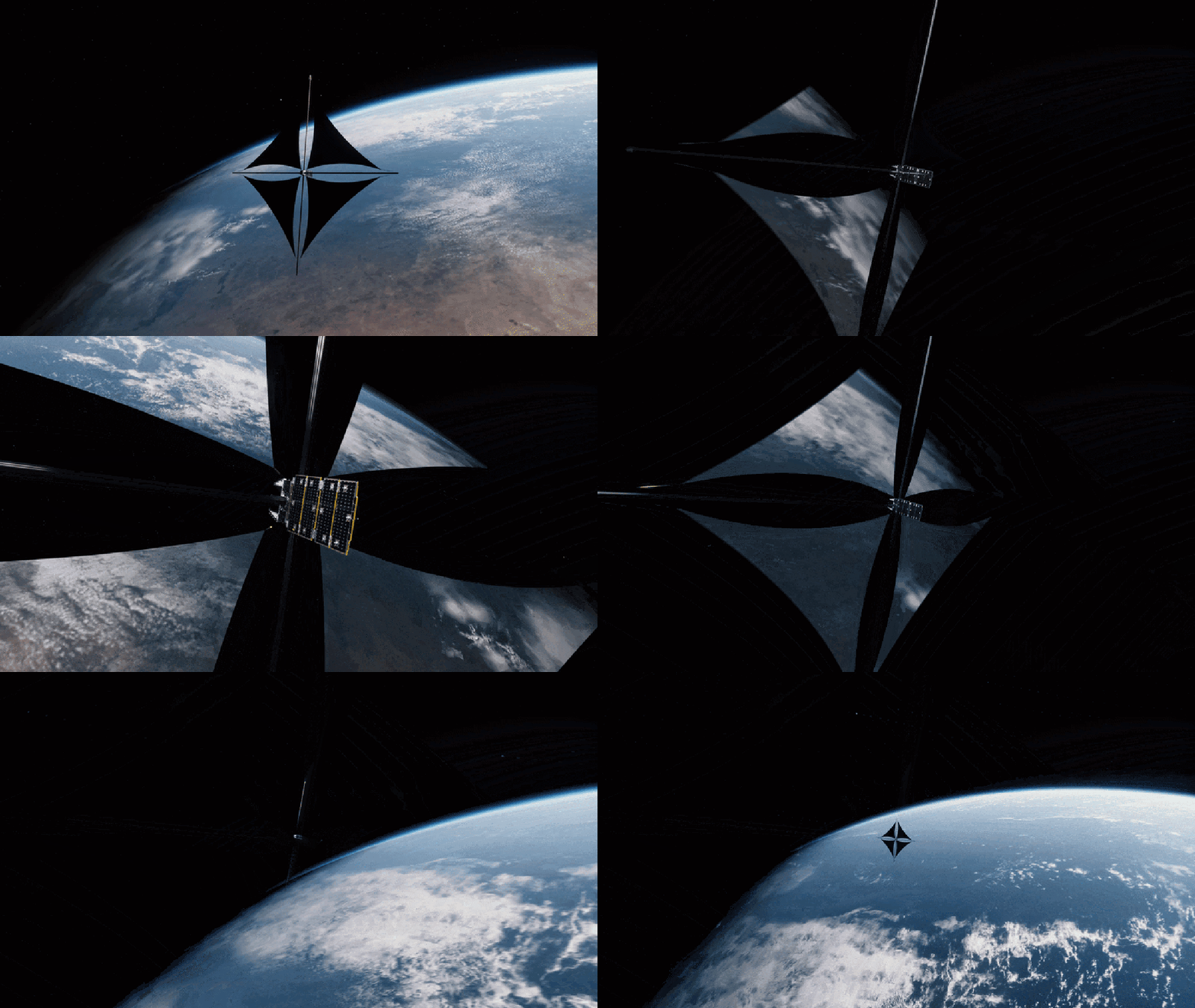
U.S. approval of giant ‘space mirror’ satellite alarms astronomers

A controversial new ruling from the Federal Communications Commission leaves no one responsible for regulating light pollution and other ill effects from skyrocketing numbers of satellites

Big universe, tiny cost. Immerse yourself in science with a subscription to Scientific American. Get 90 days for just $1!
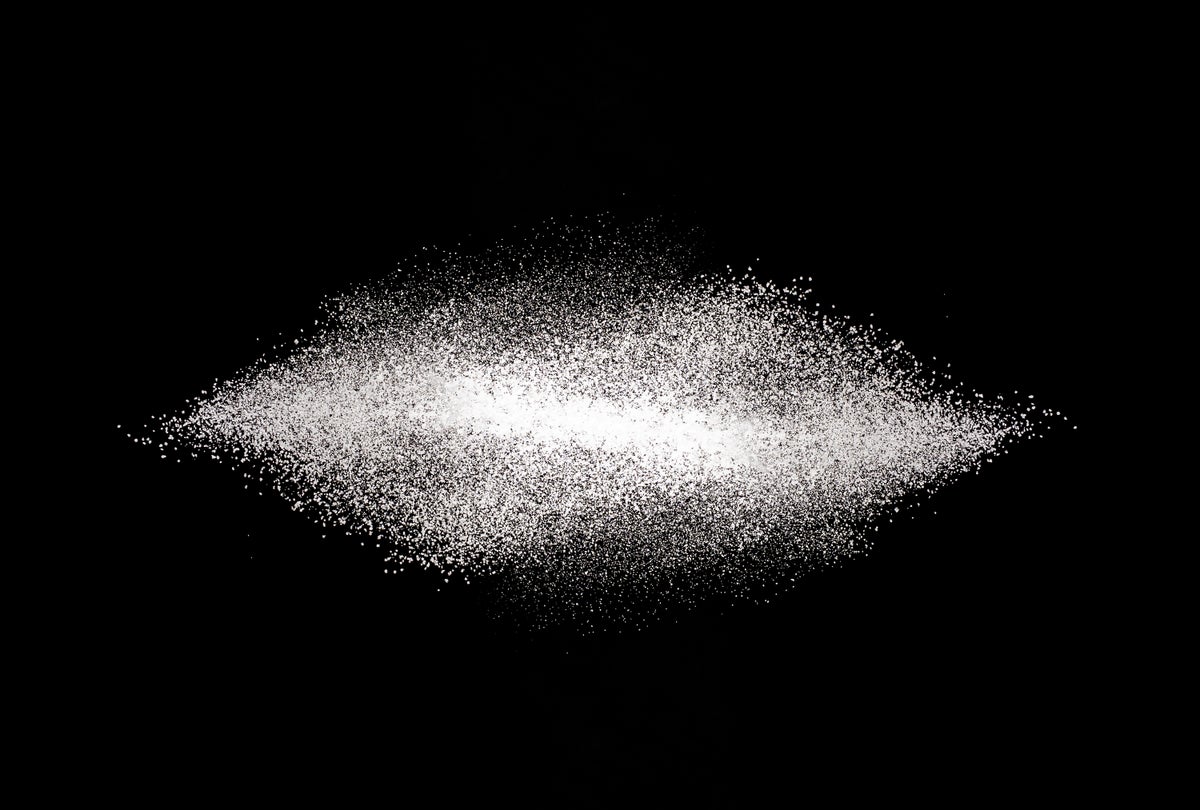
Scientists spot sugar in interstellar space for the first time ever

Erythrulose—a sugar found in raspberries—is also prevalent in a giant molecular cloud close to our galaxy’s core, scientists have discovered

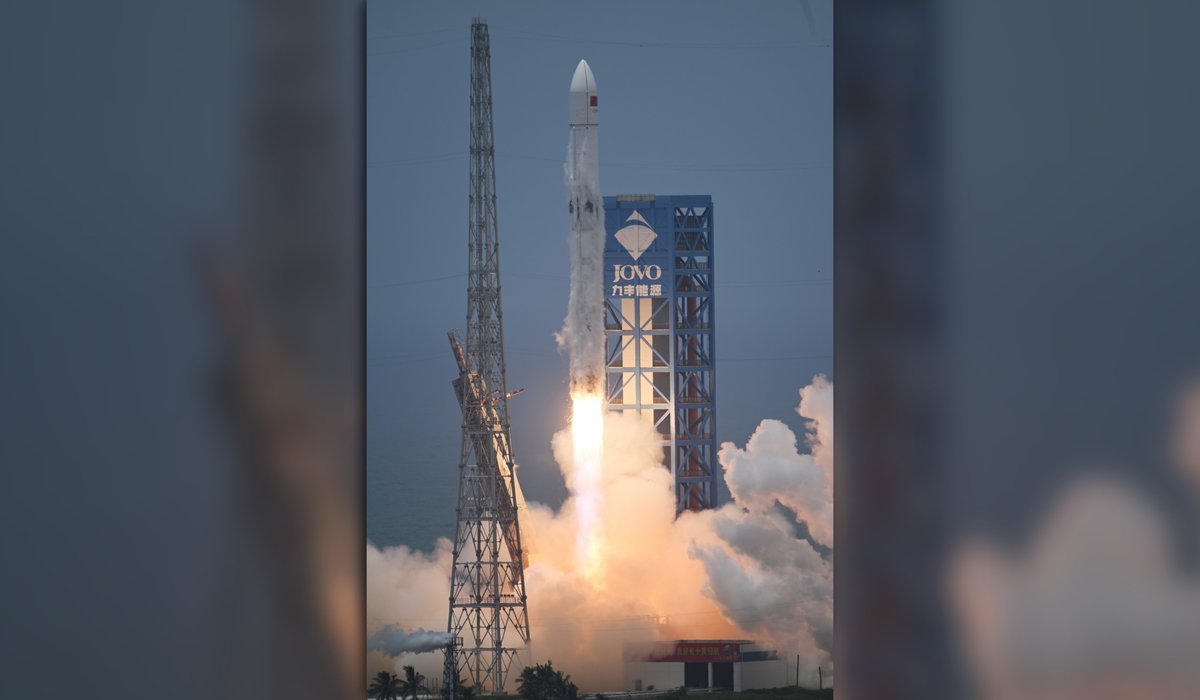
China’s long march to reusable rocketry hits another milestone

The inaugural launch and first-stage booster recovery of China’s Long March 10B rocket intensifies the nation’s spaceflight rivalry with the U.S.

Physicist says splashy new cosmology study made ‘elemental’ mistake

A recent study in the journal Nature carries cosmos-quaking implications for our understanding of the universe—except a new preprint says that it’s wrong

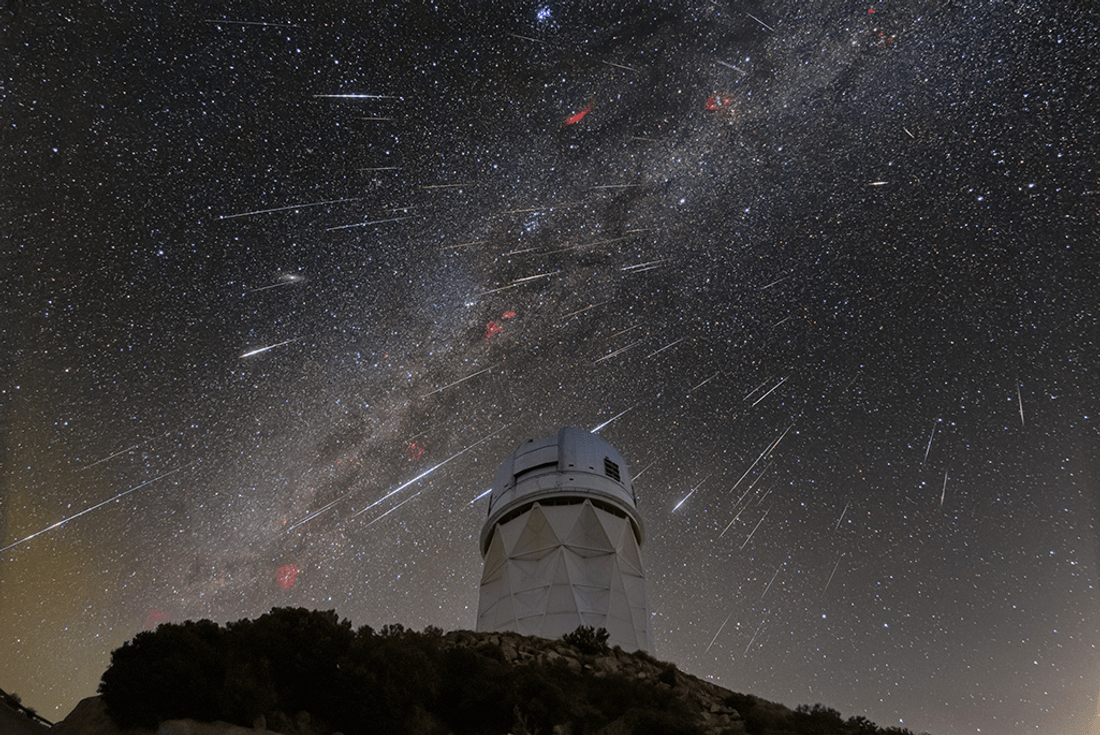
The Perseid meteor shower aligns with a total solar eclipse this year—here’s how to see it

Skygazers are in for a treat in August, as one of the most spectacular meteor showers coincides with a total solar eclipse

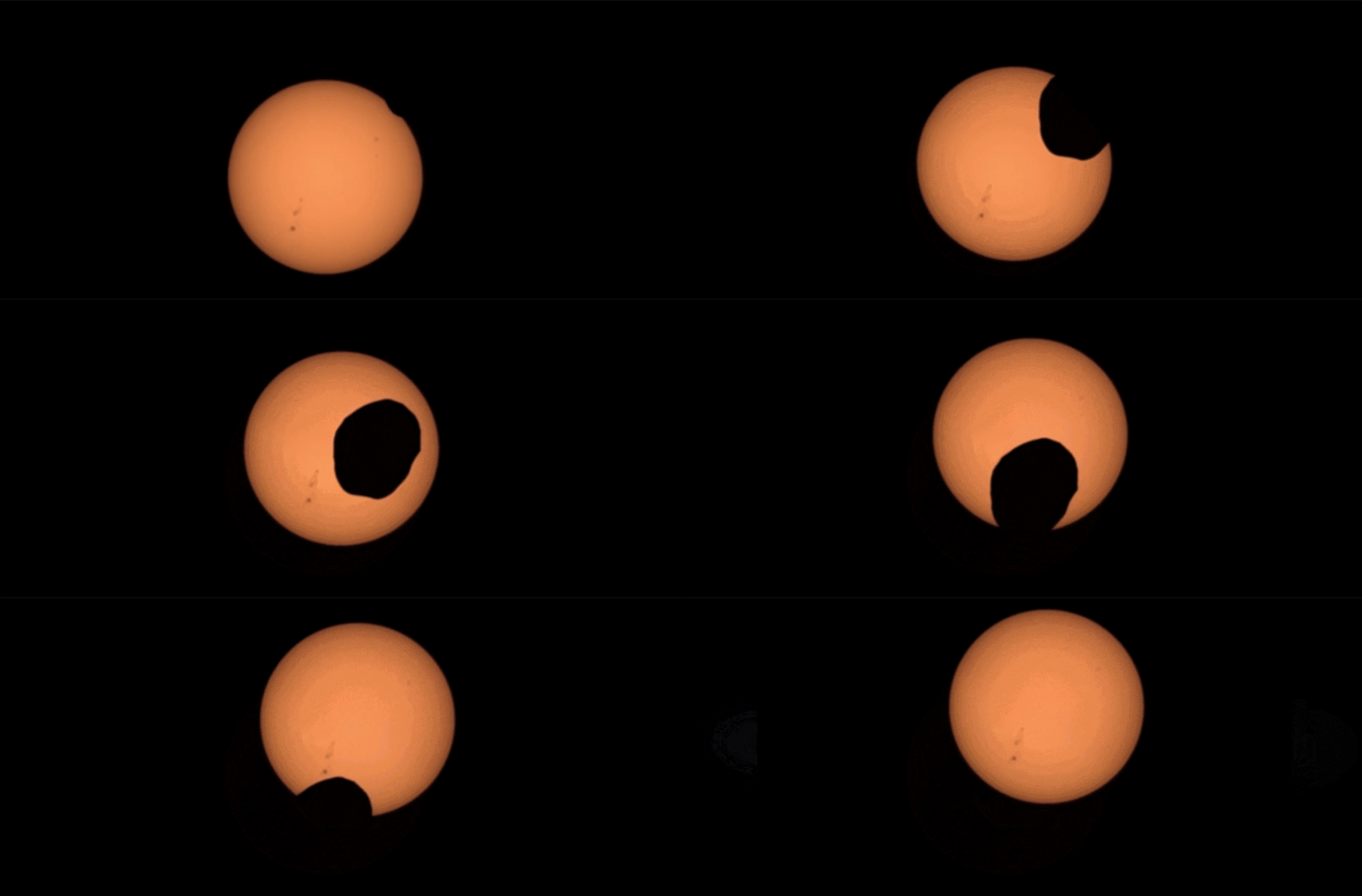
Is Earth the only planet with total solar eclipses?

Other planets have moons, too. Do they get eclipses like we do?

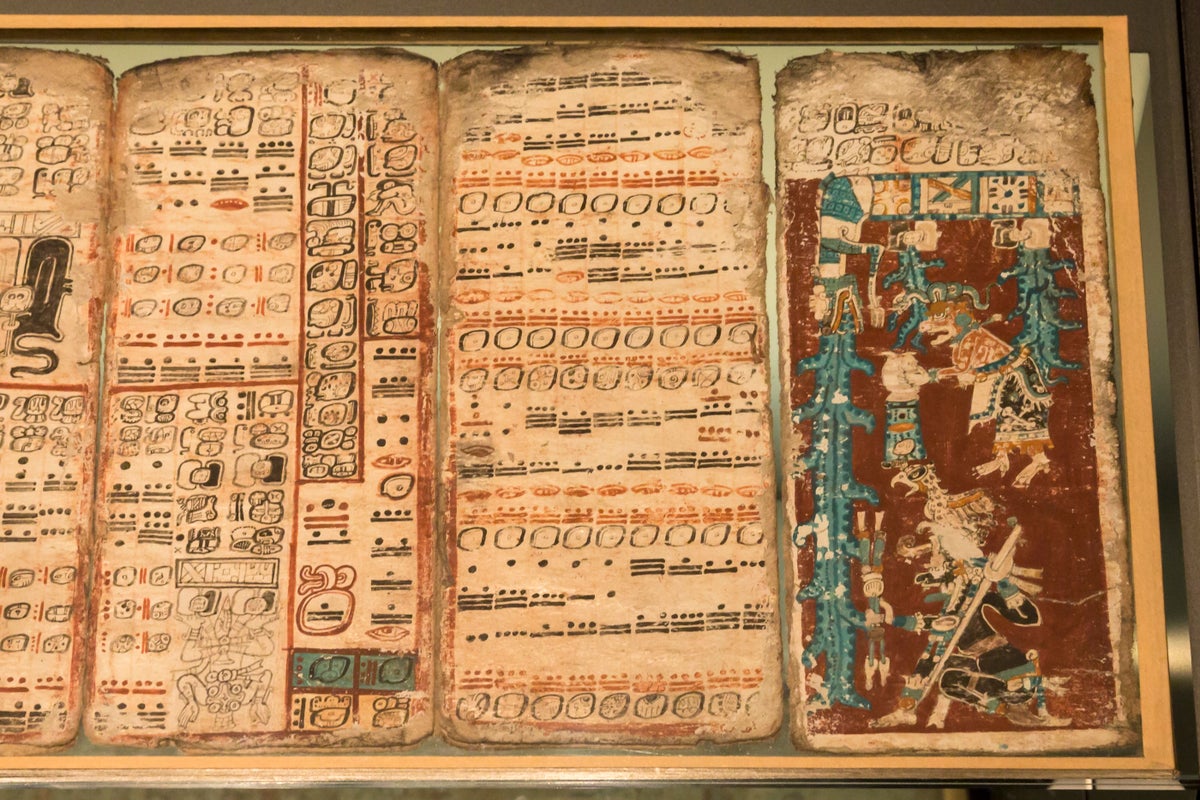
We finally know the name of an ancient Maya mathematician

The signature of Sak Tahn Waax, or “White-Chested Fox,” was found inscribed in a 1,000-year-old chamber beneath present-day Guatemala

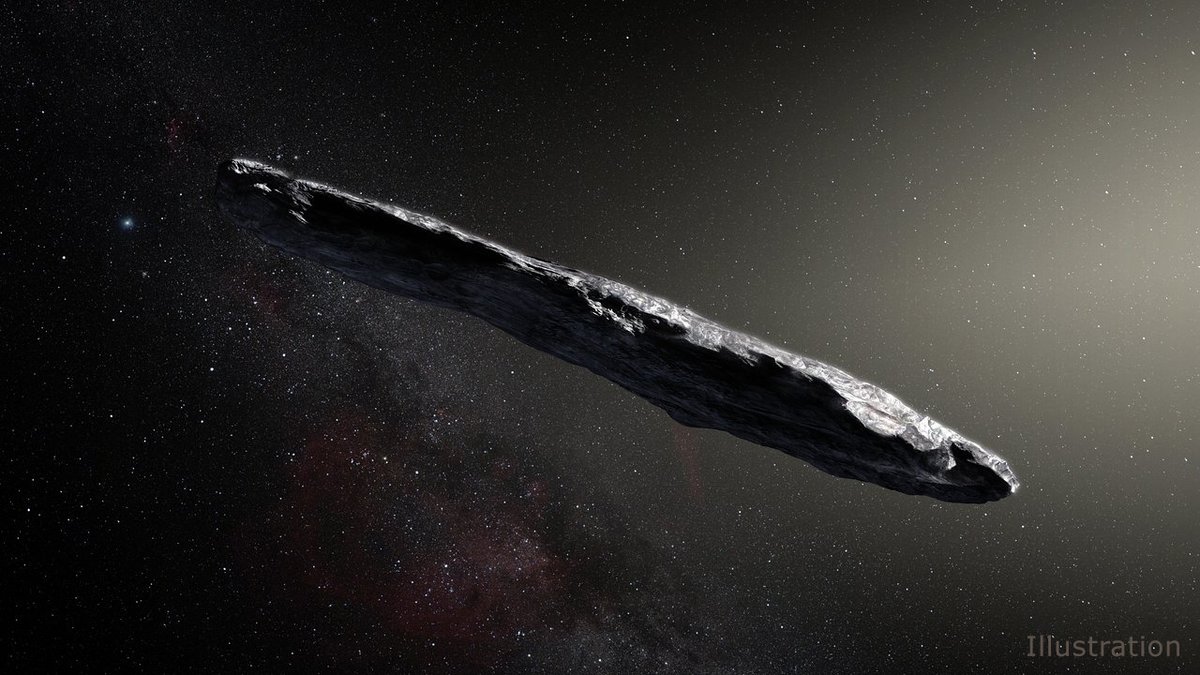
Astronomers catch a ‘dark’ comet by the tail

A strange class of comet could explain the enigmatic behavior of ‘Oumuamua, the first known interstellar object—and even shed light on how Earth became habitable

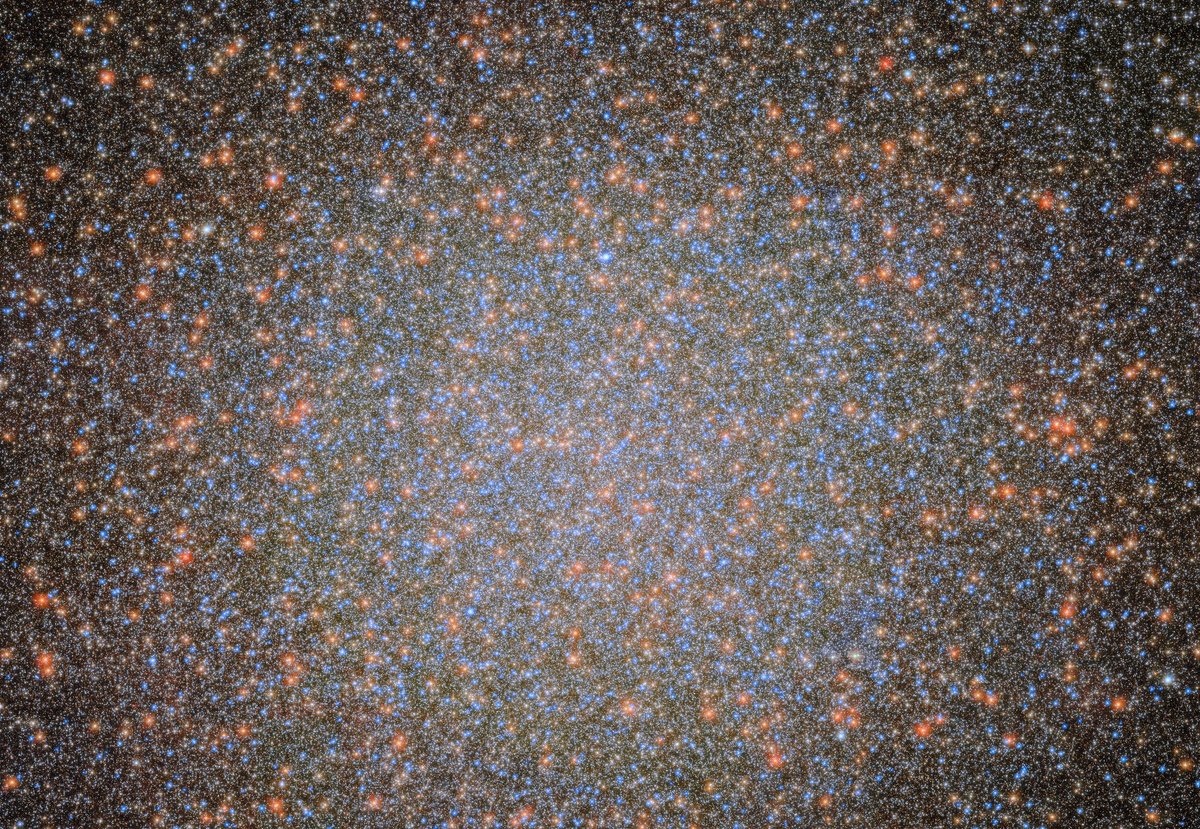
NASA’s Hubble reveals a black hole hiding inside a massive star cluster in the Milky Way

Scientists have long suspected that this star cluster was a hotspot for a certain kind of black hole. But for decades, they had been unable to spot any

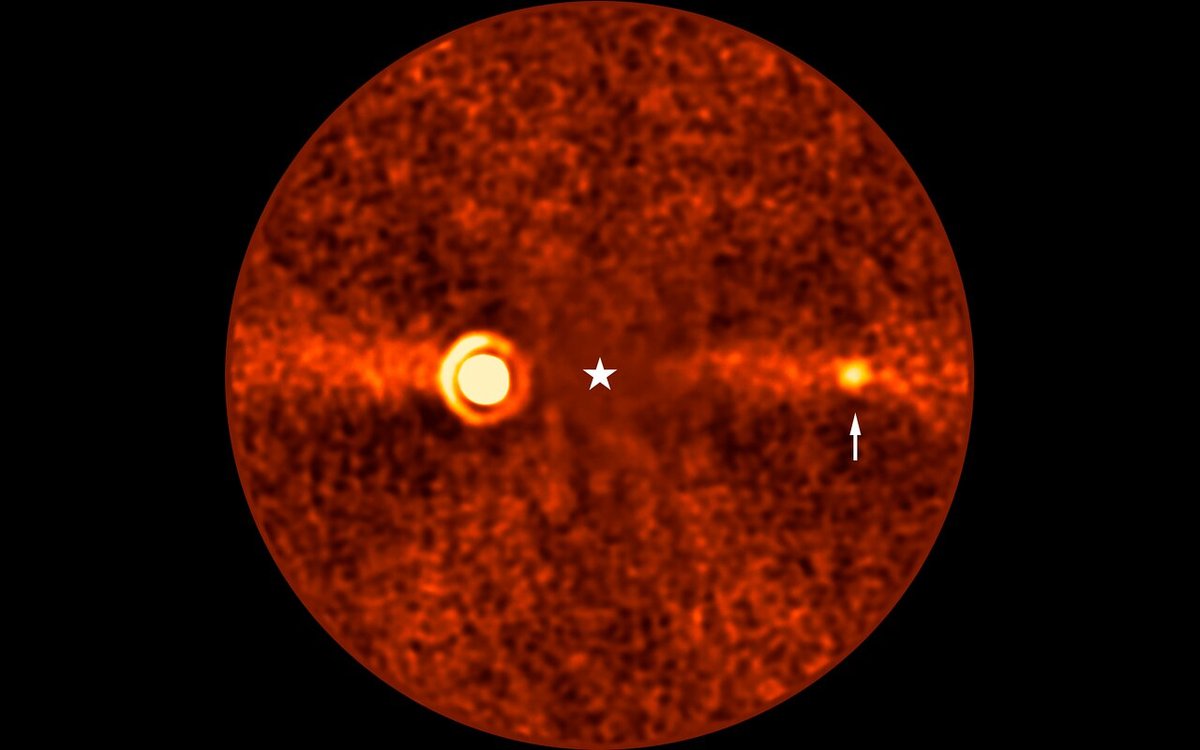
Astronomers just accidentally spotted the faintest exoplanet ever seen from Earth

Beta Pictoris d is more than twice the size of Jupiter, but it is a baby compared to its humongous neighbors

See the first x-rays of humans taken in space

Equipping spacecraft with x-ray machines could boost safety for long-duration spaceflights—like a crewed mission to Mars

What We're Reading
  • NASA sure seems to be asking an awful lot of private space stations | Ars Technica
  • Physicists Have Argued Over This Problem Since 1883. It May Now Be Solved. | The New York Times
  • The 2024 New Jersey meteorite contains amino acids | Science News

From the Archive
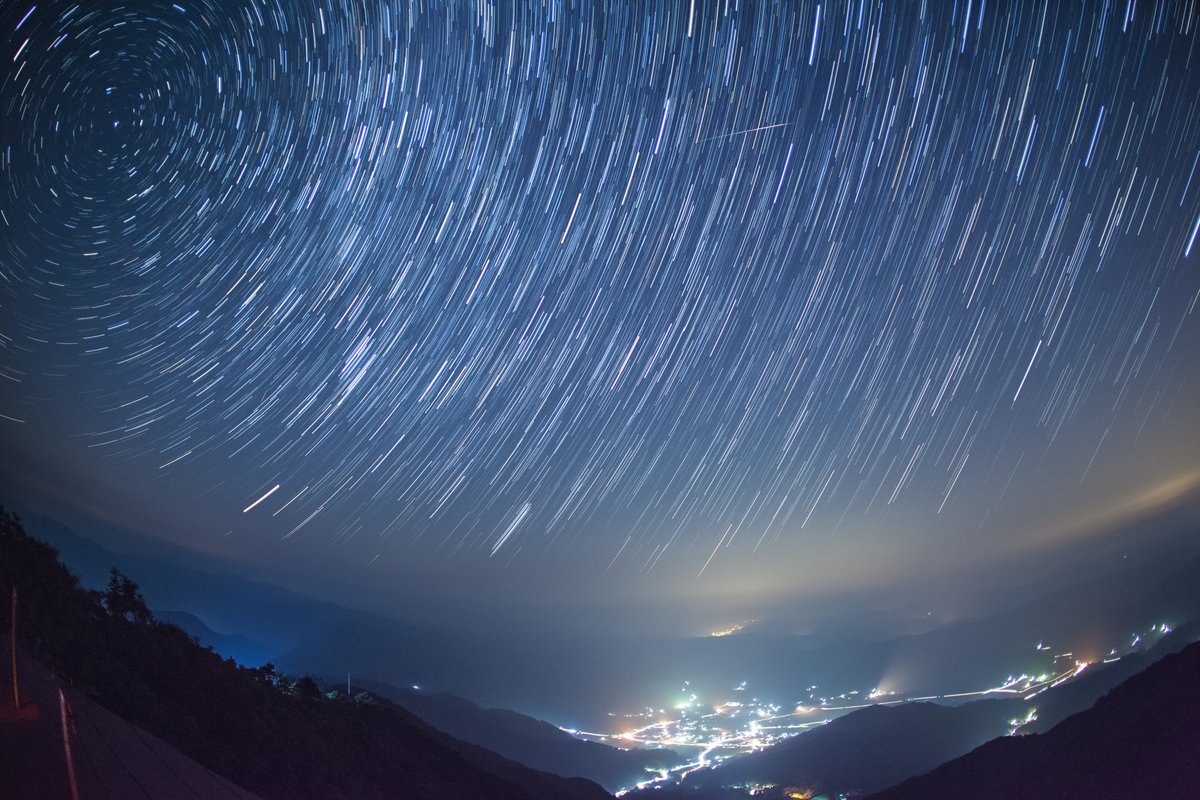
The Sky Needs Its ‘Silent Spring’ Moment

A surge of new research underscores the growing global problem of light pollution—as well as the urgent need for public awareness and action

Scientist Pankaj

Pentagon releases another UFO report

Plus, DNA fragmentation in sperm may be behind repeat miscarriages ͏  ͏  ͏  ͏  ͏  ͏  ͏  ͏  ͏  ͏  ͏  ͏  ͏  ͏  ͏  ͏  ͏  ͏  ͏  ͏  ͏  ͏  ͏  ͏ ...