Friday, July 10, 2026

Week in Science: Should you take creatine?

Plus, why a Manhattan skyscraper might collapse                    
View in web browser
Sponsored by

July 10—Why is a building in Midtown Manhattan in danger of collapse? Structural engineering experts weigh in. Also, research shows that the biological dogma that women can't make new eggs after birth may be wrong, and a very fun (and challenging) online art history game.

Plus: How many times have we nuked space? Take today's science quiz to find out.

Emma Gometz, Newsletter Editor

How are you liking this newsletter? Email newsletters@sciam.com anytime.

Top Stories
Why are the steel beams inside a Manhattan skyscraper buckling?

Steel support columns in the Midtown building, which is being converted from offices into apartments, may have been overloaded, experts say

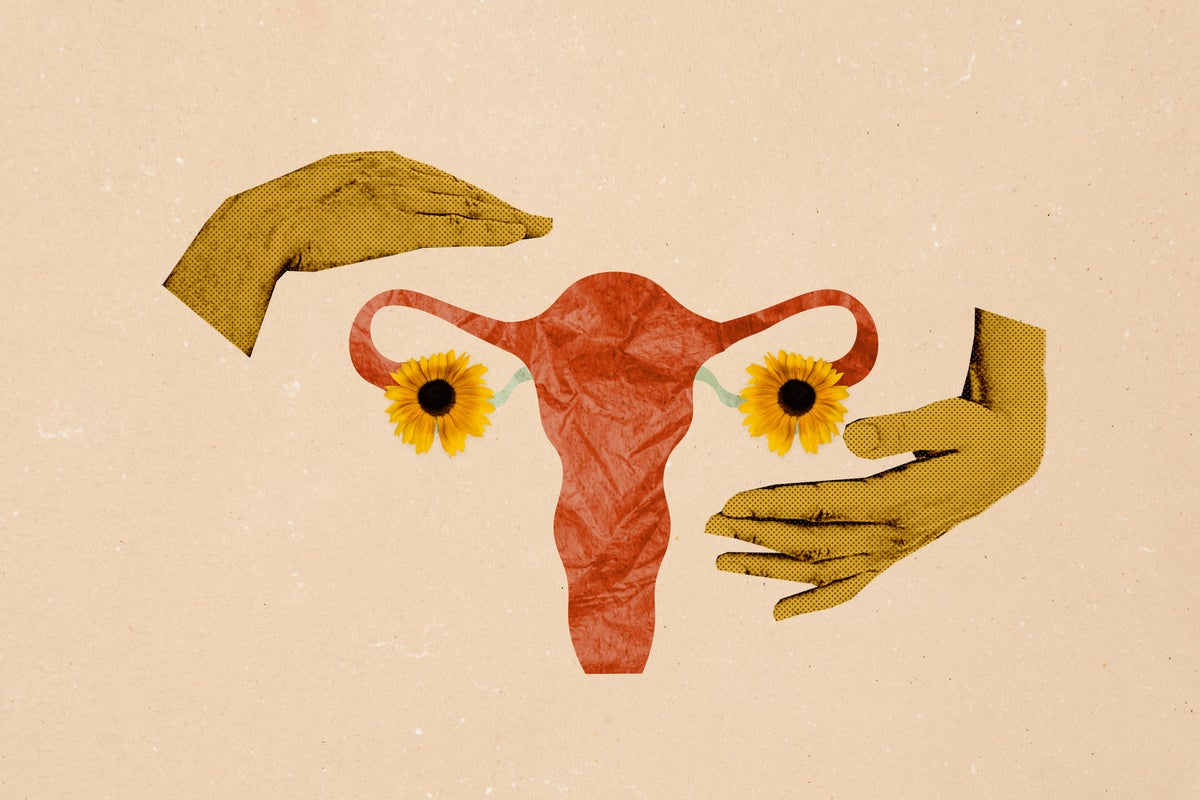
The biological dogma that women don’t make new eggs after birth may be wrong

Female mammals have long thought to be born with all the eggs they would ever have, but new research is challenging that consensus

Sponsored Content by Archaeological Paths
Join the Egypt Tour of the Century

Join Archaeological Paths on the most extraordinary tour of Egypt ever created. Witness the “Eclipse of the Century”—the longest total solar eclipse of our lifetime—from the Lost Golden City, Egypt’s own “Discovery of the Century.” Learn more

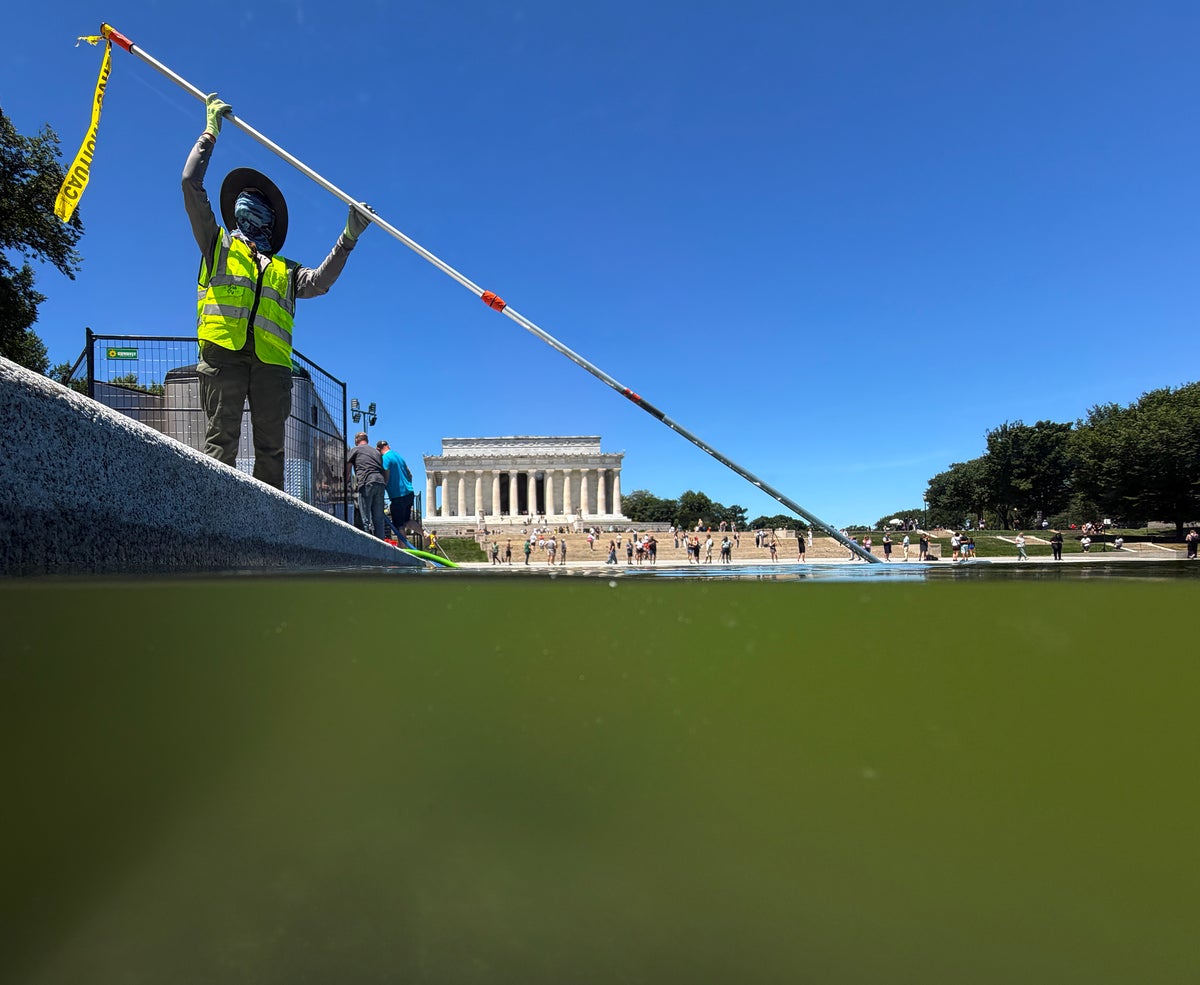
The Reflecting Pool’s algae problem has better solutions than hydrogen peroxide, experts say

Trying to kill algae with chemicals is a common response when community ponds or other water features go green, but a freshwater ecologist says there may be safer and more effective solutions

Support science journalism you can trust with a subscription to Scientific American: Get 90 days of digital access for just $1!
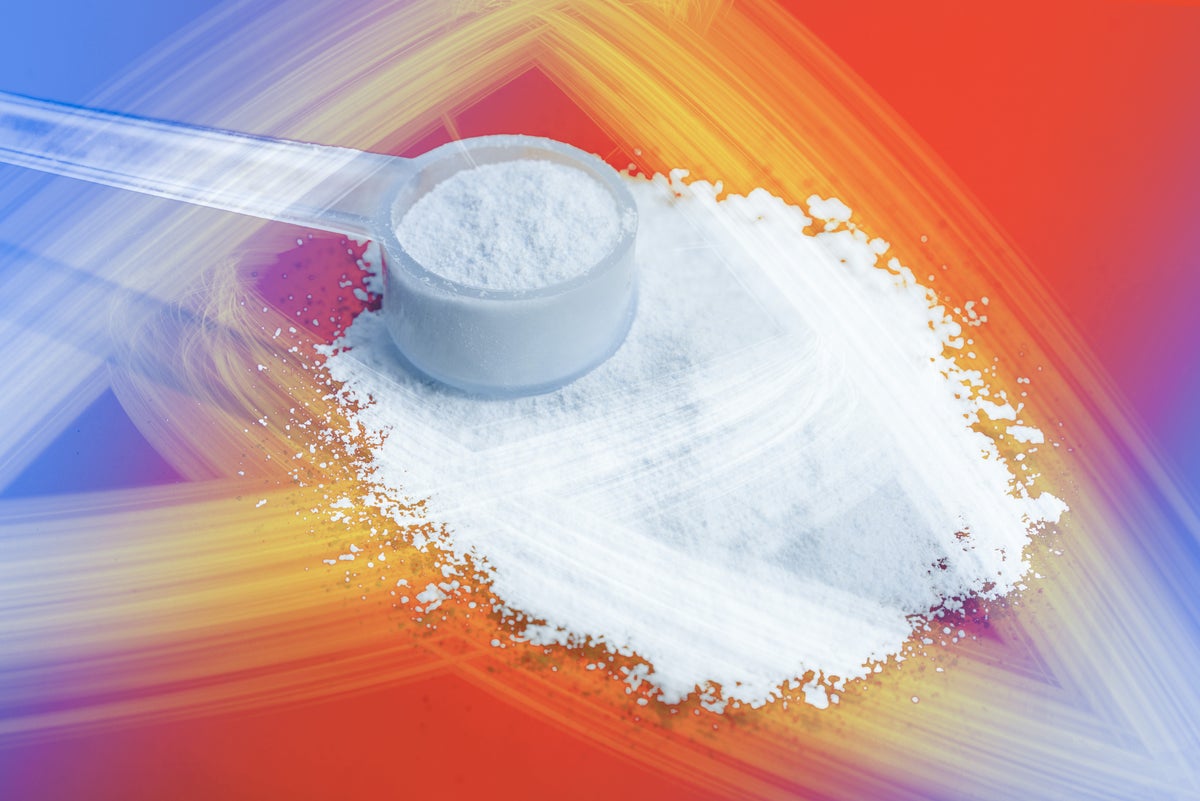
Should you be taking creatine?

The sport supplement is popular among health influencers and athletes, who say creatine can help build stronger muscles and sharper brains—but is it legit?

How working memory could give rise to consciousness

Working memory is the information we need to access to complete the tasks we’re engaged in right now, and scientists think it may be closely entwined with consciousness

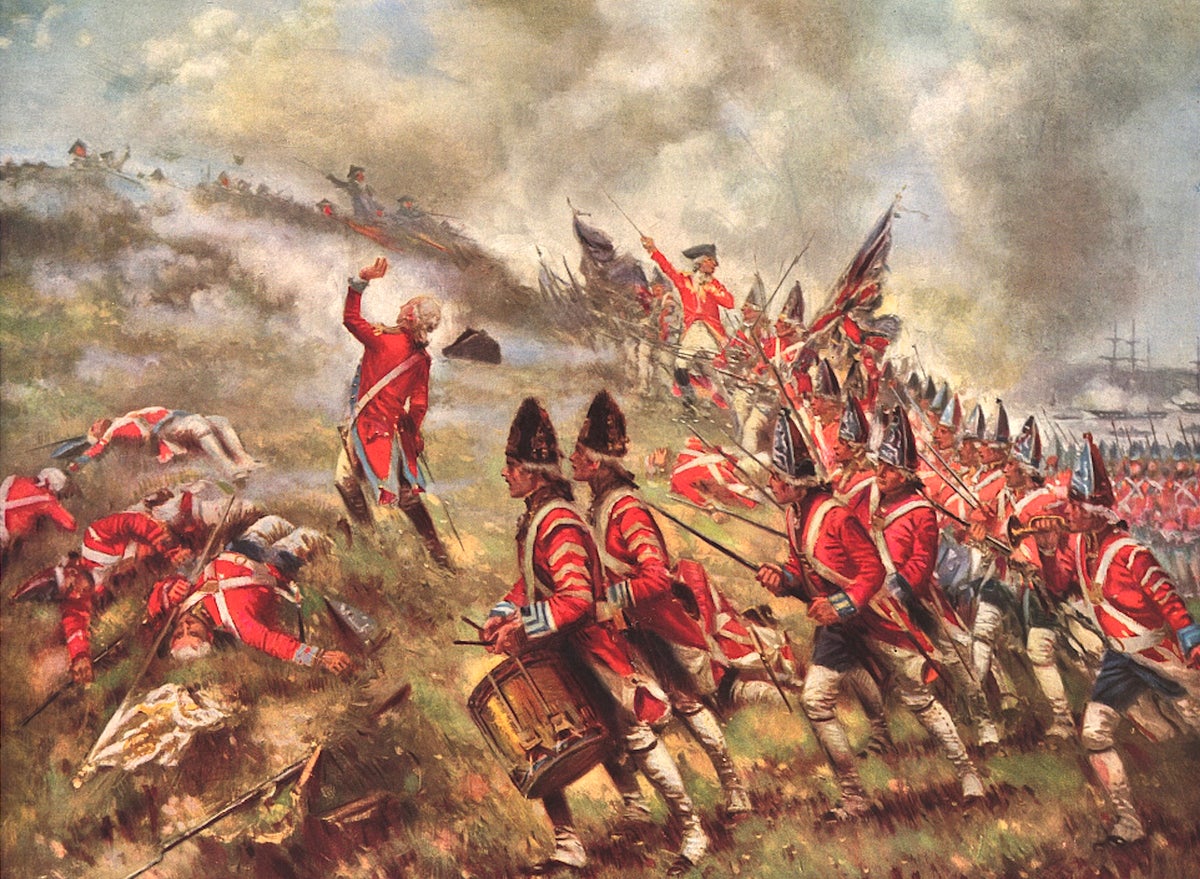
250 years later, new history is uncovered from the Battle of Bunker Hill

New archaeology has uncovered everything from musket balls to wig curlers at the site of the Battle of Bunker Hill, the first major clash of the American Revolution

Wordle, but for art history—Anthropeum puts your artifact smarts to the test

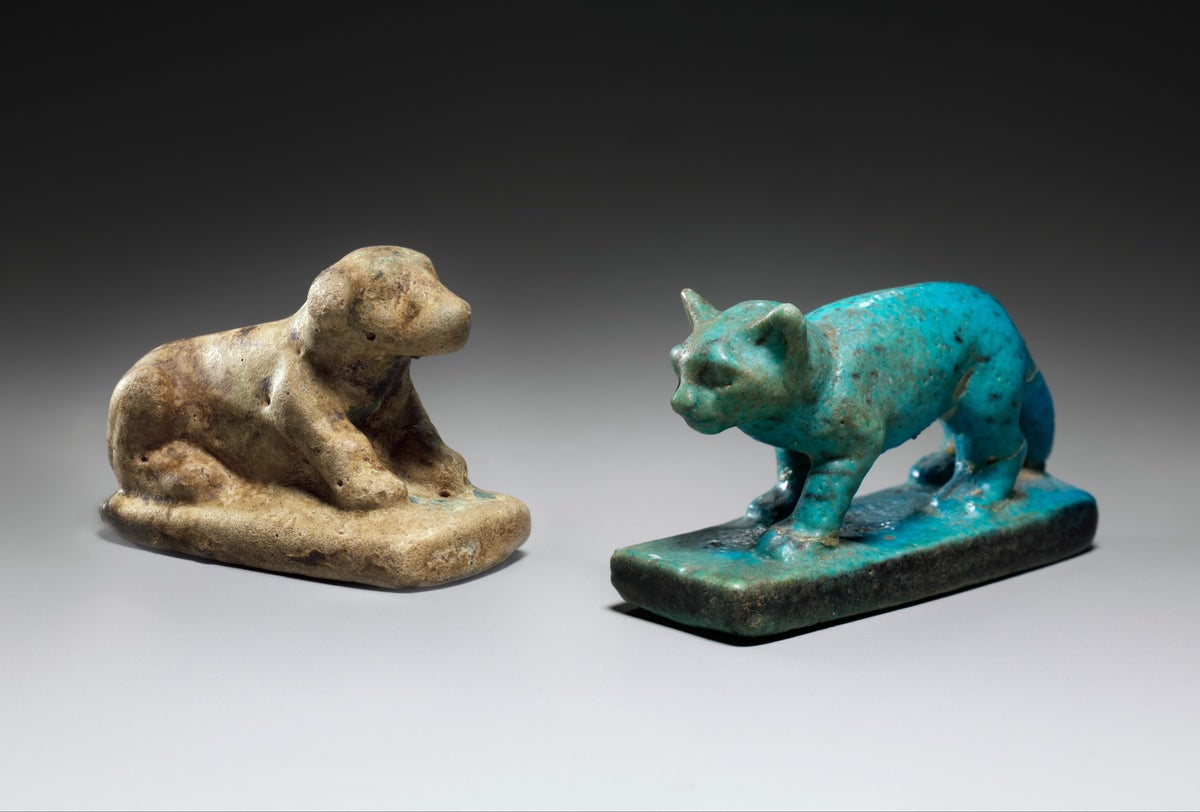
Anthropeum is a daily game that uses the Met’s open-access data to showcase underrepresented art and artifacts

How math helped the Allies win World War II

During World War II, statistics helped the Allies estimate the number of enemy tanks, which proved essential in the decisive move against Nazi Germany

RFK, Jr. is turning his attention to another vital health advisory group

The U.S. Preventive Services Task Force is an independent group that offers guidance on what health screenings and medications health insurance should cover

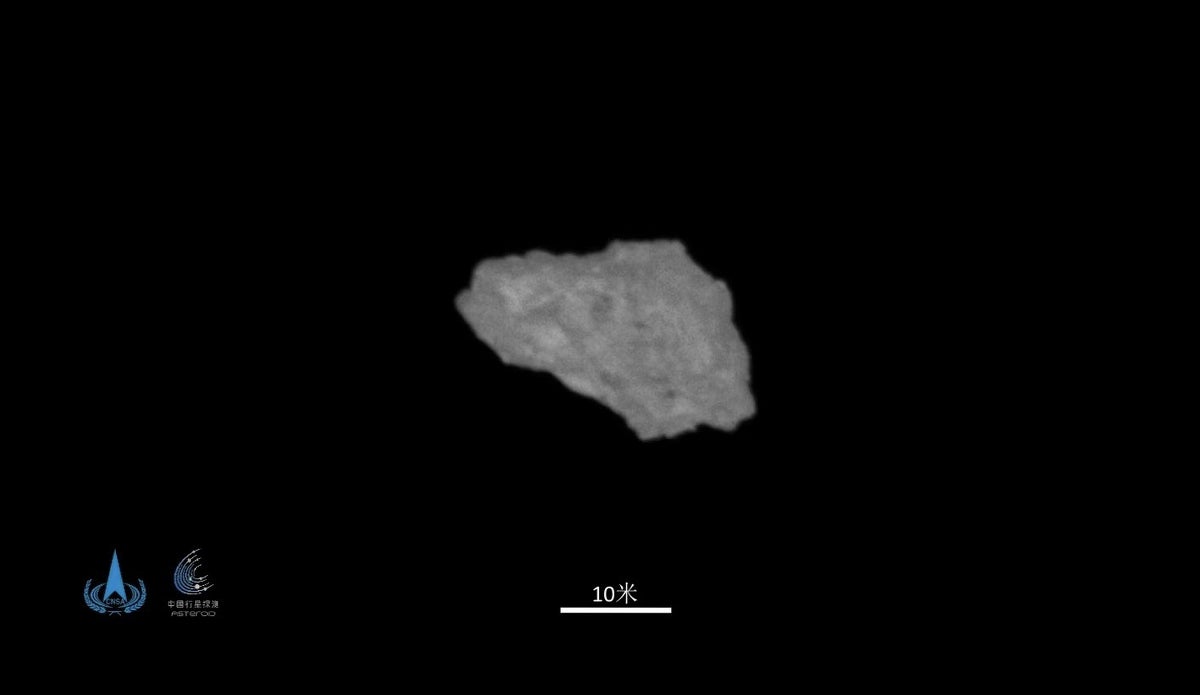
Chinese spacecraft beams back first image of Earth’s “mini moon”

China’s Tianwen-2 aims to collect samples from asteroid Kamo’oalewa and return them to Earth

Exclusive: International timekeepers to vote on changing the leap second to a leap hour

To align Coordinated Universal Time with Earth’s rotation, a second occasionally gets added to the year. That may change in 2027

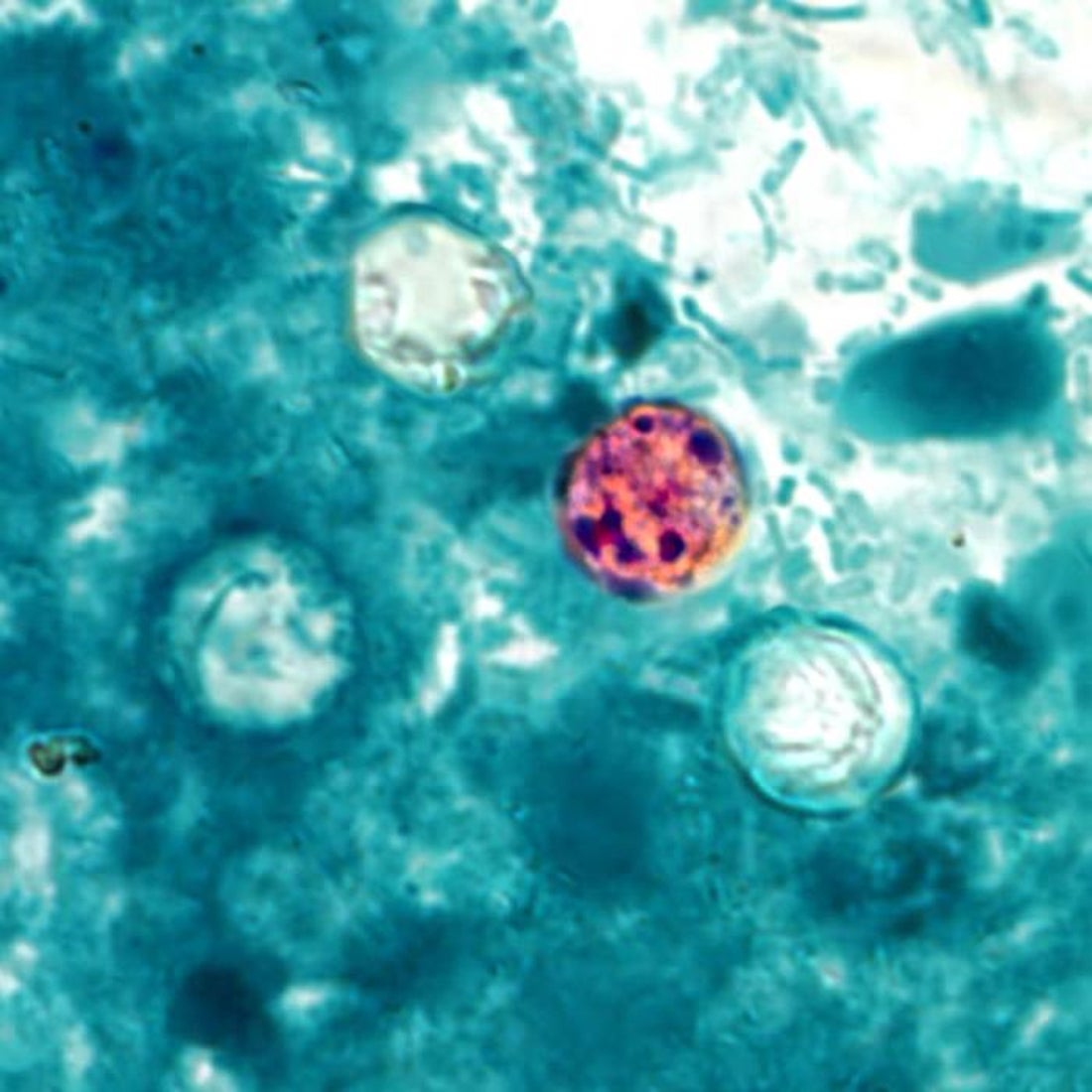
Cases of an explosive diarrhea-causing parasite are rising fast in the U.S.

Cyclosporiasis case numbers have skyrocketed from several dozen nationwide in June to now more than 1,000 in the state of Michigan alone

Scientist Pankaj

Week in Science: Should you take creatine?

Plus, why a Manhattan skyscraper might collapse                     ...