Everyone alive may carry DNA from a ‘ghost lineage’ of human ancestors ͏ ͏ ͏ ͏ ͏ ͏ ͏ ͏ ͏ ͏ ͏ ͏ ͏ ͏ ͏ ͏ ͏ ͏ ͏ ͏ ͏ ͏ ͏ ͏ ͏ ͏ ͏ ͏ ͏ ͏ ͏ ͏ ͏ ͏ ͏ ͏ ͏ ͏ ͏ ͏ ͏ ͏ ͏ ͏ ͏ ͏ ͏ ͏ ͏ ͏ ͏ ͏ ͏ ͏ ͏ ͏ ͏ ͏ ͏ ͏ ͏ ͏ ͏ ͏ ͏ ͏ ͏ ͏ ͏ ͏ ͏ ͏ ͏ ͏ ͏ ͏ ͏ ͏ ͏ ͏ ͏ ͏ ͏ ͏ ͏ ͏ ͏ ͏ ͏ ͏ ͏ ͏ ͏ ͏ ͏ ͏ ͏ ͏ ͏ ͏ ͏ ͏ ͏ ͏ ͏ ͏ ͏ ͏ ͏ ͏ ͏ ͏ ͏ ͏ ͏ ͏ ͏ ͏ ͏ ͏ ͏ ͏ ͏ ͏ ͏ ͏ ͏ ͏ ͏ ͏ ͏ ͏ ͏ ͏ ͏ ͏ ͏ ͏ ͏ ͏ ͏ ͏ ͏ ͏ ͏ ͏ ͏ ͏ ͏ ͏
July 30, 2026—“Ghost lineage” DNA in modern humans, flowers that switch their sex daily and a plan to swarm the asteroid Apophis with three space agencies’ probes in 2029.
—Robin Lloyd
Contributing Editor
|
|
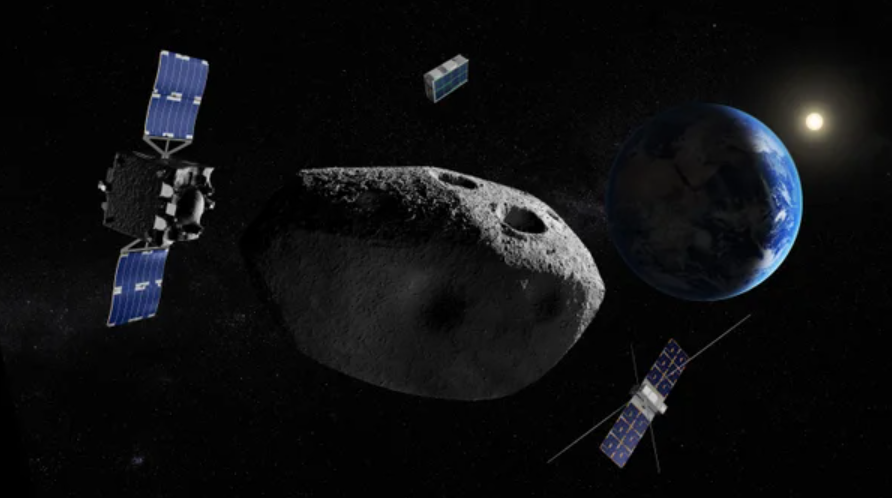
An artist’s impression of the multiple spacecraft in the European Space Agency’s Rapid Apophis Mission for Space Safety (Ramses), one of several projects set to visit and study the near-Earth asteroid Apophis in 2029. ESA-Science Office
|
|
Three space agencies are coordinating missions to visit the asteroid Apophis during a close encounter with Earth in 2029. | 5 min read
An analysis of modern human genomes has revealed DNA from “ghost ancestors” in every population on Earth despite a lack of fossil evidence for the archaic lineages. | 3 min read
Avocado flowers switch sex daily to help parent trees coordinate a complex reproductive strategy, a new study suggests. | 2 min read
Centuries-old DNA found in Chilean mummies reveals fragments of the pathogen that causes smallpox. Variola virus was brought across the Atlantic during European colonization of the Americas. | 3 min read
Astronomers have spotted the best-yet example of a wandering supermassive black hole. These objects, adrift in deep space, are typically invisible unless they’re dining on stars. | 4 min read
Join the discussion: Neuroscientists think they've pinpointed particular cells that reside in the brain's olfactory bulb (its smell center) that are primed to capture scents from childhood. What particular smells bring back your memories from childhood? What is the earliest "smell" memory you have? Click here to share your thoughts.
|
|
The Past Is Our Future
Current efforts to dismantle the U.S. scientific enterprise echo similar campaigns in the 20th-century, reports Pulitzer Prize-winning science journalist Deborah Blum. Like Donald Trump, former President Richard Nixon sowed distrust of science to push his agenda of widespread cuts to research funding, redirecting money to his pet science projects. Subsequent administrations helped science regain money and status in the following decade.
Key lessons: The solution to the current crisis in U.S. science may come from young scientists as they take on the task of rebuilding their profession. Advocates can remind leaders of the enormous return on investment for science. The National Institutes for Health, for instance, “provide more than $69 billion toward the U.S. GDP through research,” Blum writes.
What the experts say: "Maybe this is a chance to rebuild research institutions that are more engaged with the public. Maybe it’s a chance for institutions to start including and rewarding good communication as part of scientific training,” says Miles Arnett, a University of Pennsylvania Ph.D. student studying cell regeneration in the human gut.
|
|
Bee 'Compasses'
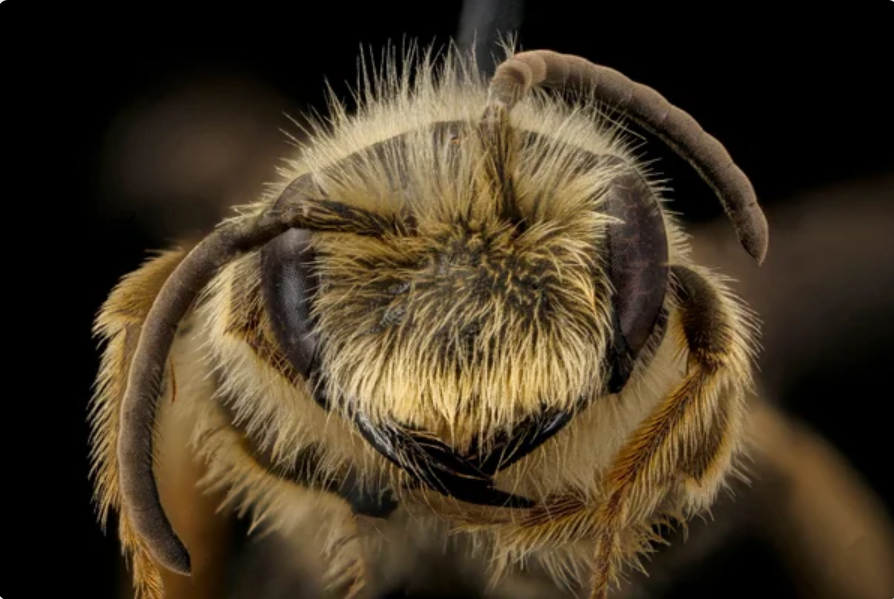
A large number and diversity of bee species have magnetic properties, suggesting that they exhibit a sense called magnetoreception, concludes a recent study by Laura Russo, an assistant professor of Ecology and Evolutionary Biology at the University of Tennessee. The team considered magnetism in tested insects to be a proxy for magnetoreception, which enables navigation via Earth’s magnetic field. By measuring the degree of magnetism in ground dried insects, the team found strong responses in social and solitary bees, in nocturnal bees, and in ground-dwelling as well as cavity-nesting bees.
Why this matters: Magnetoreception is one of the most controversial animal sense topics in entomology and beyond, Russo writes. The study of magnetoreception is difficult because it requires removing live organisms from their natural environment. And magnetoreception is likely not the primary sense used among organisms that have the capability.
What the experts say: Russo’s team also detected a magnetic response in some beetles, wasps and flies. “We demonstrated that magnetism probably predates the evolutionary origin of bees. We concluded that magnetism is probably an ancient, well-conserved trait,” Russo writes.
|
|
The researchers found that bees in the Andrena genus showed magnetic properties. USGS Bee Lab via Flickr
|
|
|
|
|
|
TRAVEL WITH SCIENTIFIC AMERICAN
|
|
Discover the Wonder: The Monarch Butterfly Migration
Reservations now open! Take an extraordinary trip to the Mexican mountains to witness the annual monarch butterfly migration. See oyamel fir forests transformed into living tapestries with Chief Newsletter Editor Andrea Gawrylewski as your guide.
|
|
|
|
|
|
YOUNG AMERICAN SCIENTISTS
|
|
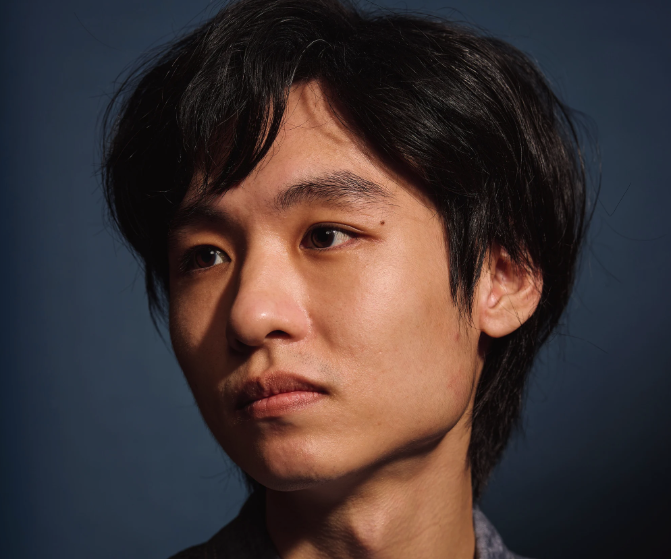
When Lvmin Zhang was in high school, he says, everyone thought artificial intelligence was science fiction. A machine couldn’t possibly hold a conversation with a person. That was then. Today Zhang, a graduate student at Stanford University, is at the forefront of AI development, making it easier for artists to create what’s in their heads. Zhang’s AI, ControlNet, gives image-creating AI systems what amounts to directions. ControlNet lets the computerized image creator into the mind of the human creator. Zhang recognizes that the use of AI in art is something that both creators and viewers are still grappling with on a philosophical, if not legal, level, but he believes that AI can be helpful. Read more about Zhang’s work here.
Read all of our Young American Scientists profiles here.
|
|
This newsletter is powered by caffeine, existential curiosity and subscribers to Scientific American. Join us: 90 days for just $1.
|
|
With the Tour de France Femmes set to start this weekend and the Tour de France (Hommes) concluding last weekend, my cycling household is discussing the vast amounts of food and fluids that competitors must take in. For instance, following a big carb-rich breakfast, a TdF rider completing a 200-kilometer day reportedly might consume 60 to 120 grams of carbohydrates per hour (along with 16 to 32 ounces of fluid with electrolytes per hour) during the race. Just to get to 60 grams of carbs, one would have to eat four slices of bread, or two potatoes, or two small pancakes, HOURLY, per this chart. Extreme athletes burn a truckload of calories daily but even "superhumans" have biological limits.
|
|
Please send any other cool ideas, comments or feedback on this newsletter to: newsletters@sciam.com. See you tomorrow!
—Robin Lloyd, Contributing Editor
|
|
|
|
|
Subscribe to this and all of our newsletters here.
|
|
Scientific American
1000 N West Street, Suite 1200
|
|
|
|
|