Thursday, July 9, 2026

Space & Physics: Timekeepers may toss the leap second

Plus, the far-future fate of the moon                    

July 9—Well, we’re back. Thanks for bearing with us during a mid-summer hiatus in our newsletters. It’s a pleasure to return to your inbox!

This week, our top stories include strange signals from the edge of a newborn black hole, a new timekeeping proposal to adopt a “leap hour” rather than a leap second, a forecast for the far future fate of the moon, a guide to this weekend’s Manhattanhenge in New York City and—as always—much, much more. Enjoy, and stay cool out there.

Thoughts? Questions? Let me know via e-mail (lbillings@sciam.com), X or Bluesky.

Lee Billings, Senior Editor, Physical Sciences

Top Stories
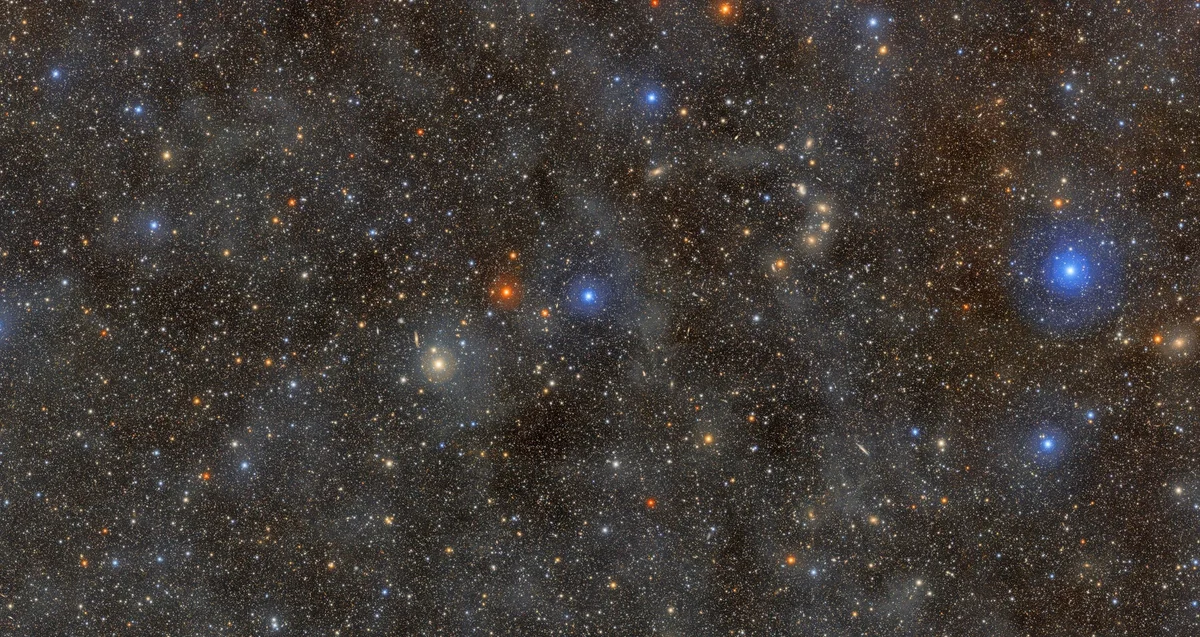
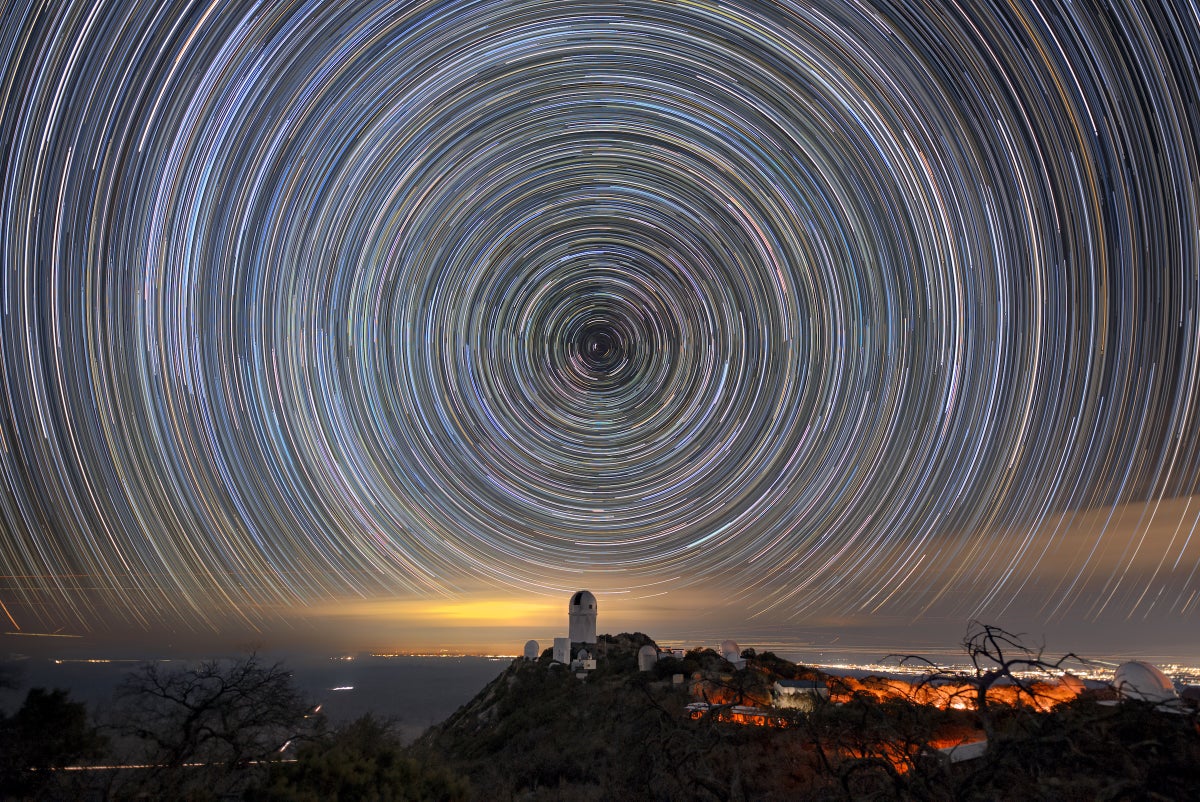
Astronomers just began the largest cosmic time-lapse in history

The Vera C. Rubin Observatory in Chile has started a 10-year survey of the changing night sky

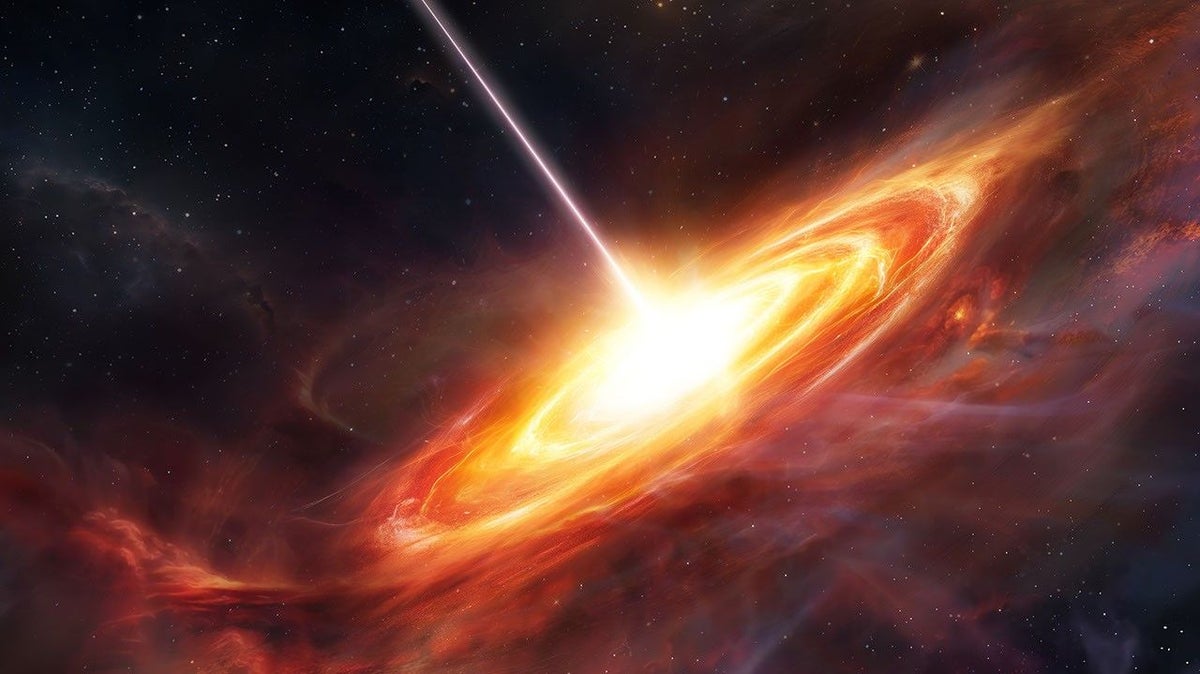
What happens at the edge of a black hole? Astronomers may be close to finding out

The discovery of a completely new type of gravitational wave could reveal what happens near a black hole’s event horizon

Big universe, tiny cost. Immerse yourself in science with a subscription to Scientific American. Get 90 days for just $1!
Exclusive: International timekeepers to vote on changing the leap second to a leap hour

To align Coordinated Universal Time with Earth’s rotation, a second occasionally gets added to the year. That may change in 2027

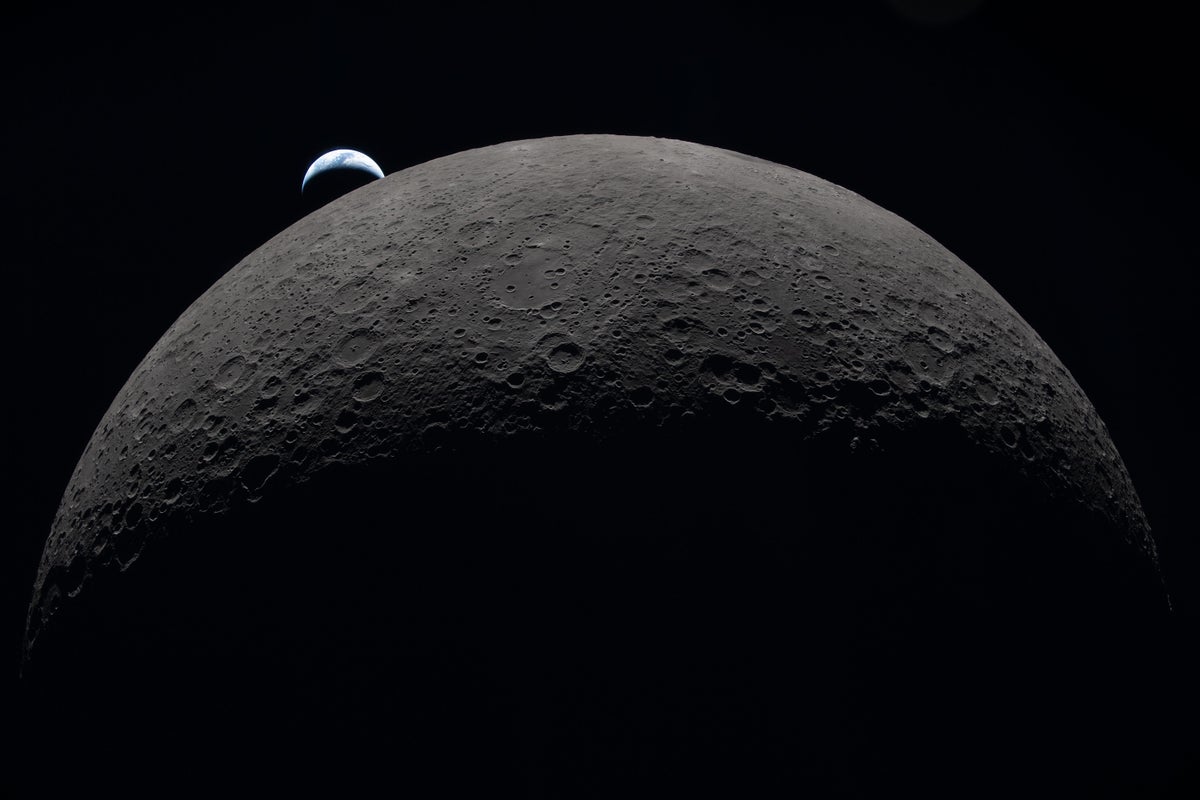
What will happen to Earth’s moon in the far future?

The moon is Earth’s constant companion. But will that always be the case?

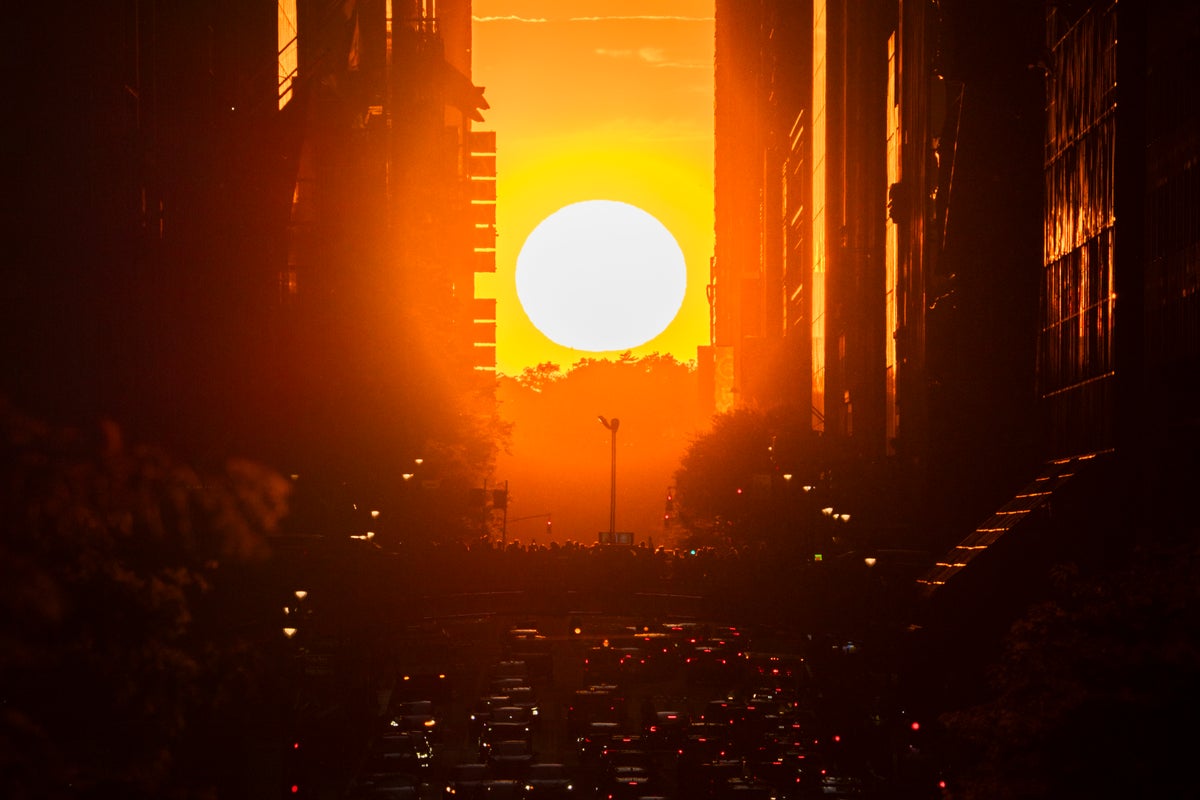
New York City’s Manhattanhenge is back—here’s how to see it

The Big Apple’s biannual sunset display is as iconic as it is captivating. Here’s everything you need to know about why the phenomenon happens and how best to view it

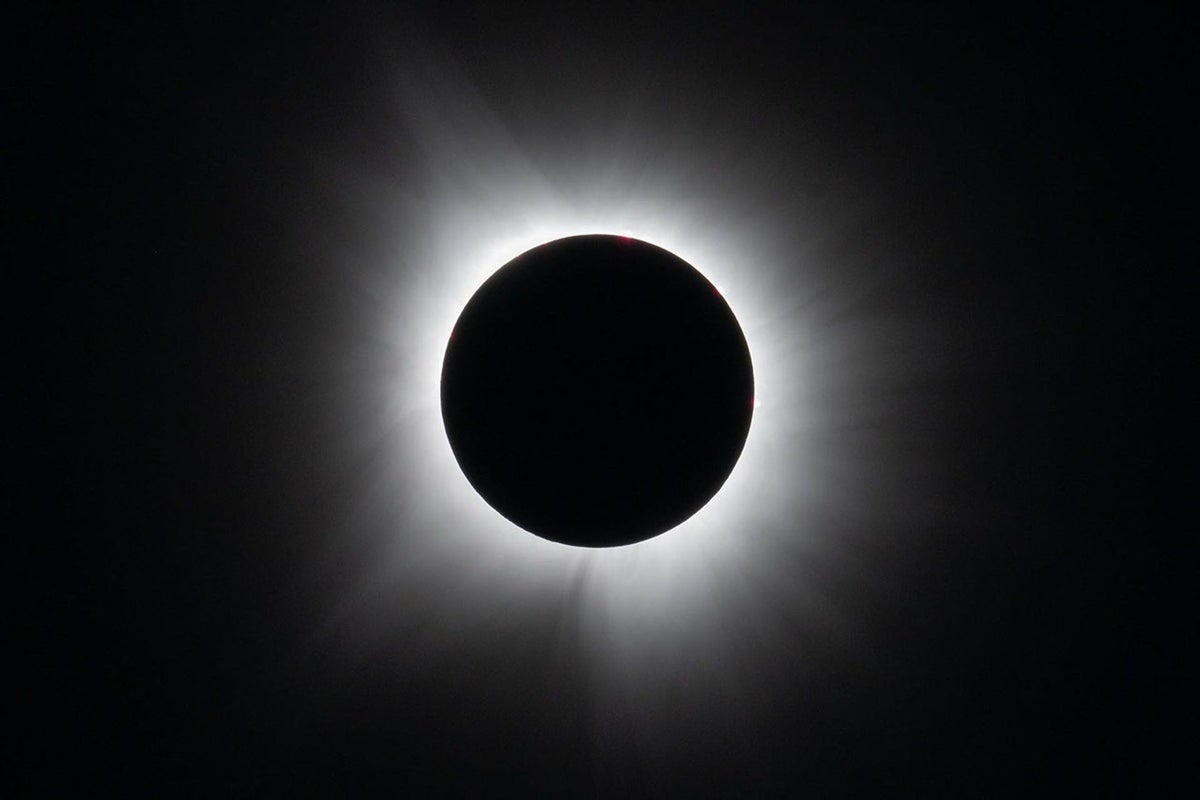
How to watch August’s total solar eclipse live with Scientific American

Even if you aren’t going to be within the path of totality, you can still watch the solar eclipse as it happens with Scientific American

Particle physics faces its next great decision—and its next frontier

After decades of debate, the scientific case is clear for Europe’s Future Circular Collider, a colossal successor to the Large Hadron Collider. But transforming this megaproject from vision to reality is far from guaranteed

Did two physicists just upend decades of cosmology research?

A new study claims that the universe isn’t entirely the same no matter where you look—a radical proposal

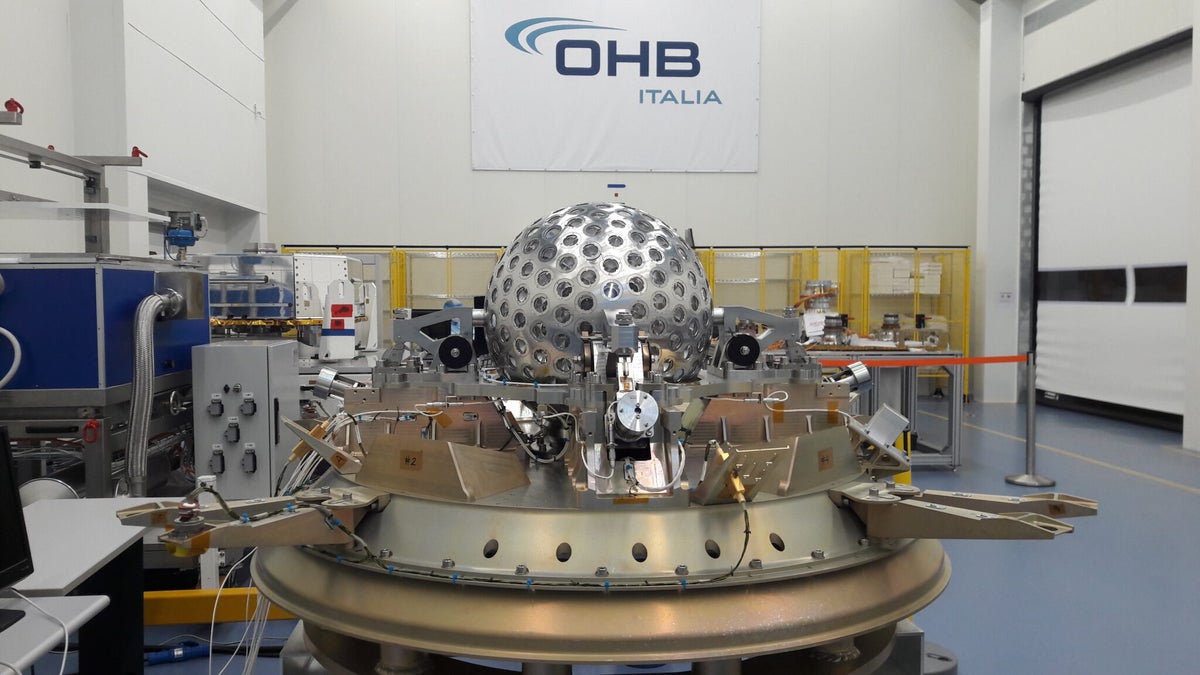
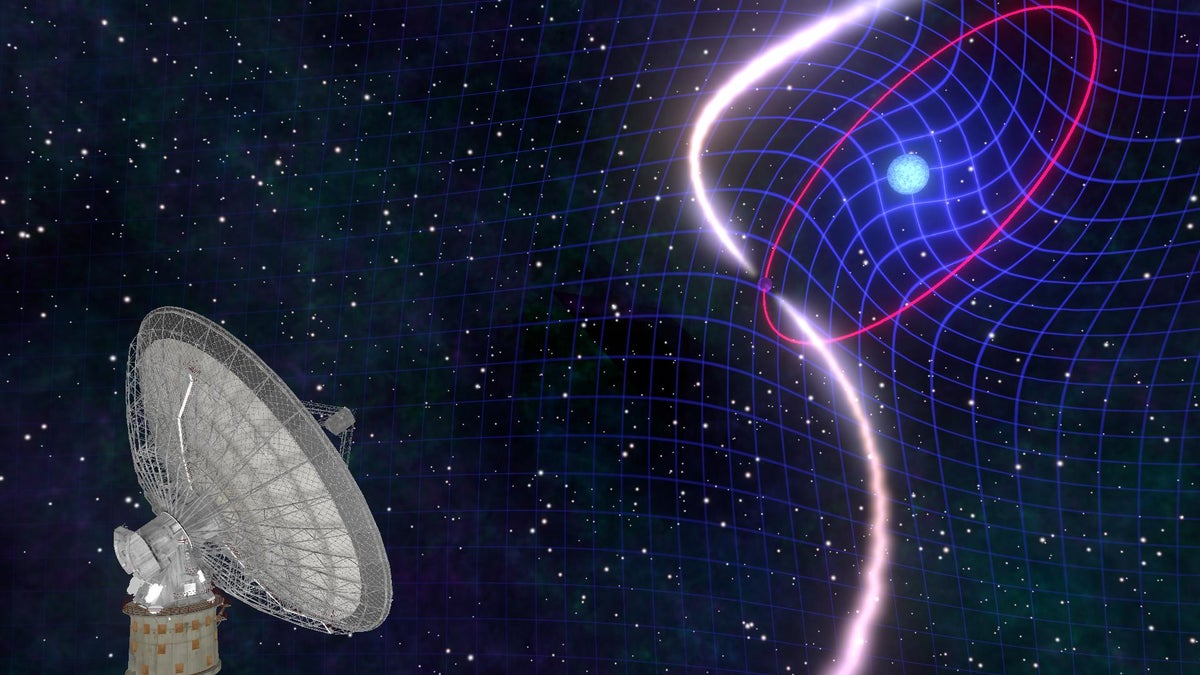
The Earth is dragging spacetime around its orbit, just as Einstein predicted

A best-yet measurement of one of general relativity’s most mind-boggling effects is “another feather in Einstein’s cap”

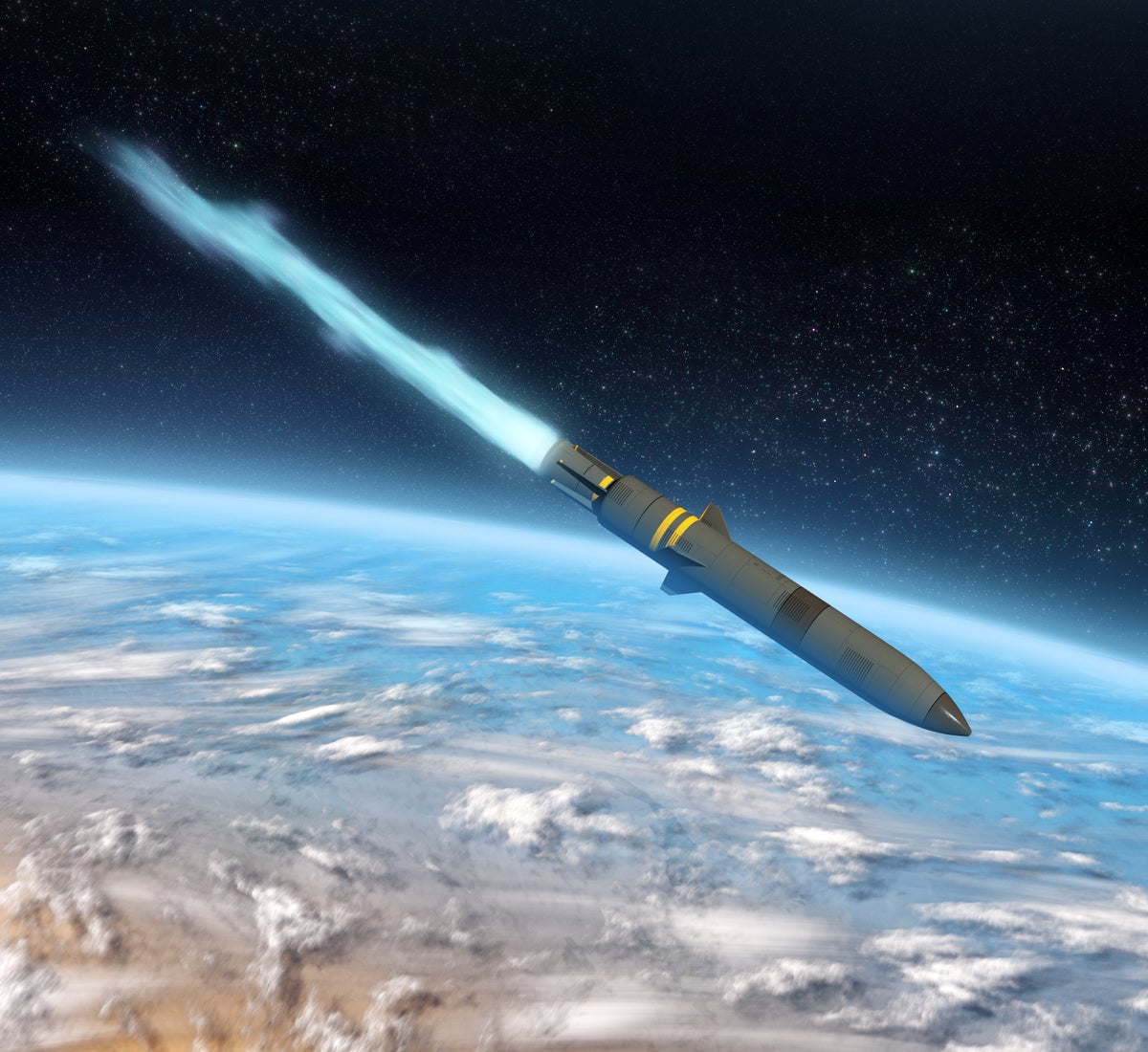
Detecting hidden nuclear weapons in space may be possible using cosmic rays

For almost 60 years, a global ban on nuclear weapons in space has held up. But the growing number of satellites and increasing geopolitical tension has scientists worried the moratorium could fail

Astronomers just discovered some of the most primordial quasars in the universe

Probing the dawn of the cosmos for clues to how the first galaxies and supermassive black holes formed is no easy feat

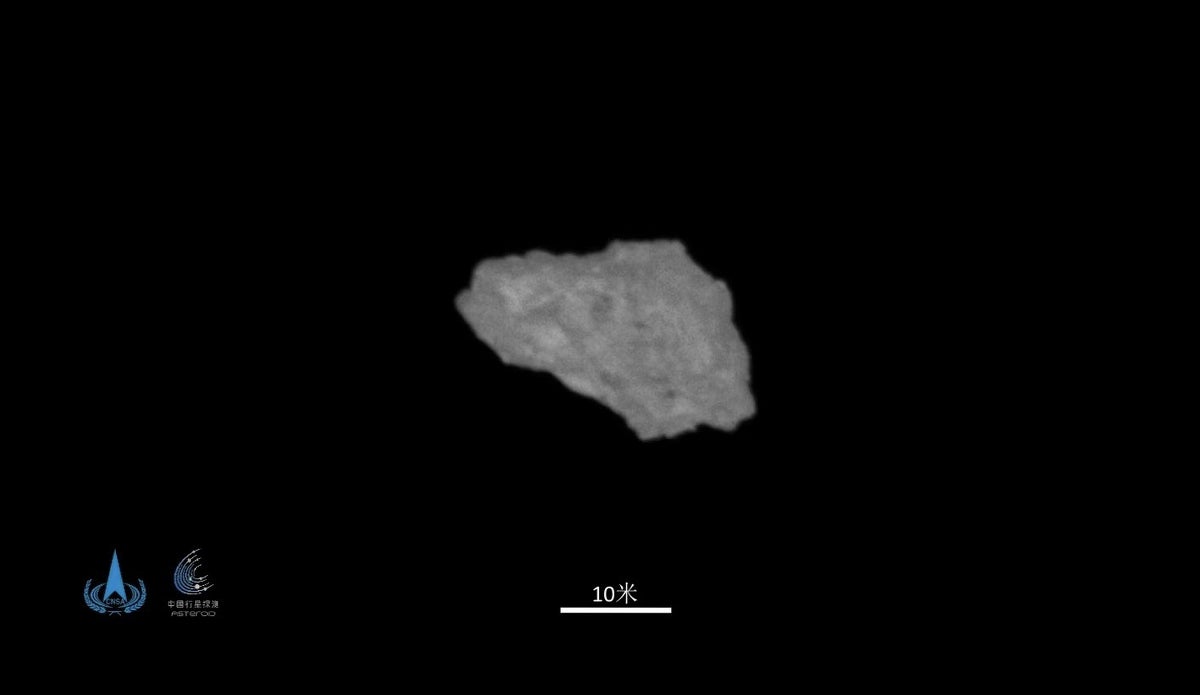
Chinese spacecraft beams back first image of Earth’s “mini moon”

China’s Tianwen-2 aims to collect samples from asteroid Kamo’oalewa and return them to Earth

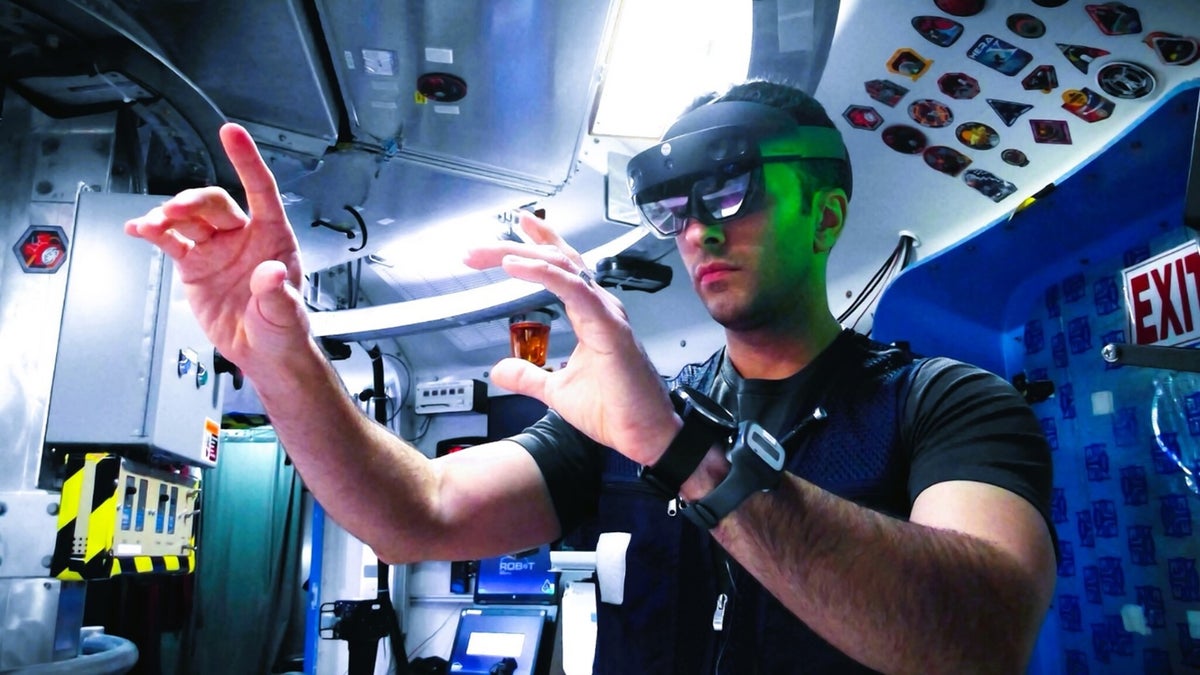
NASA needs volunteers to spend a year locked in a Mars simulation

The space agency has put out a call for its Moon & Mars Exploration Analog, which recreates the challenges of a long-duration space mission

The White House goes all in on aliens with new UAP Science Advisory Council

This new group, which is led by Harvard professor Avi Loeb, aims to advise the Trump administration and the U.S. intelligence community, as well as to publish its findings in peer-reviewed journals

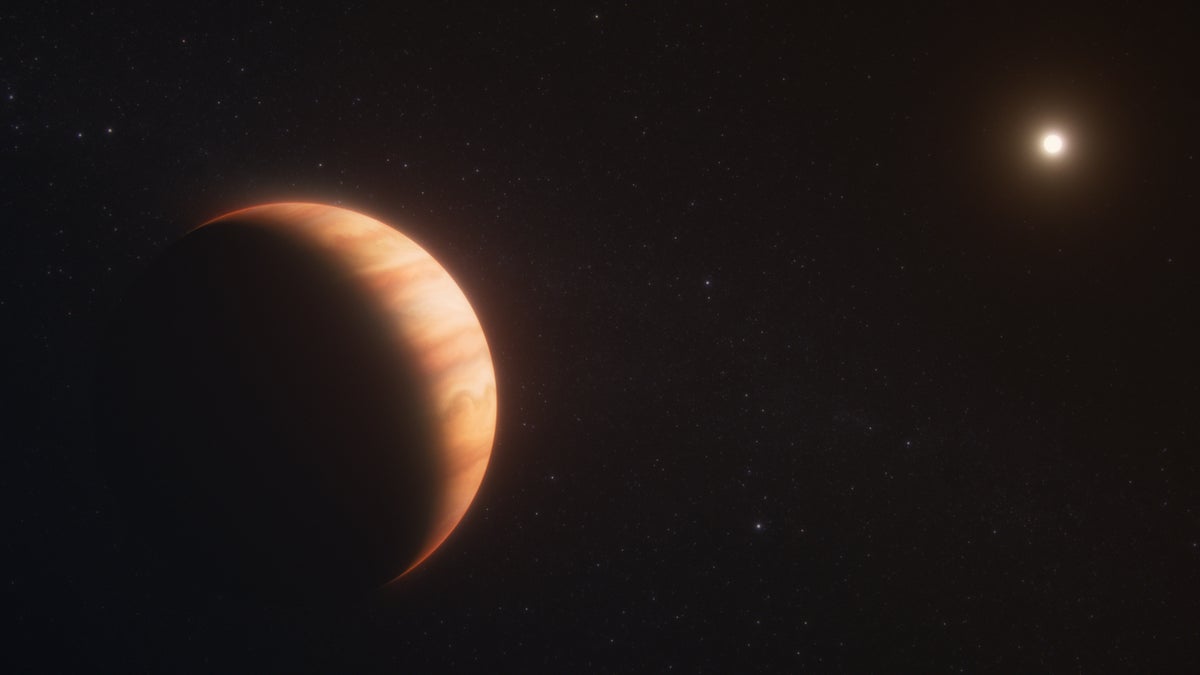
This planet survived the death of its star—and kept its atmosphere

Astronomers have for the first time observed an atmosphere around a giant planet orbiting a white dwarf

When astronomers get things hilariously wrong

Sometimes we mistake one kind of object with another to disastrous effect

What We're Reading
  • Miami-based City Labs achieves a first for commercial nuclear power in space | Ars Technica
  • Cut the Alien Jokes, These Mysterious Spheres Are Likely Space Debris | The New York Times
  • This physicist is hunting for the biggest black hole in the universe | New Scientist

From the Archive
Bizarre Cosmic Dance Offers Fresh Test for General Relativity

Scientists have detected relativistic frame dragging, a prediction of Einstein’s greatest theory, around a distant pair of exotic stars

Scientist Pankaj

Space & Physics: Timekeepers may toss the leap second

Plus, the far-future fate of the moon                     ...