Friday, July 17, 2026

Week in Science: Scientists find sugar in space

Plus, news from a 1,900-year-old-Roman latrine                    

July 17—Who knew an old bathroom could teach us so much? Scientists learned about why ancient concrete was so sturdy from a 1,900-year-old latrine. Plus, astronomers find sugar in space and mathematicians coax a new LLM from OpenAI into solving a 50-year-old proof.

Do you think you know what happened in the world of science this week? Take our Friday quiz.

Emma Gometz, Newsletter Editor

How are you liking this newsletter? Email newsletters@sciam.com anytime.

Top Stories
Meet the 1,900-year-old latrine helping explain how Roman concrete grew stronger with age

An ancient sample shows calcite threading through this material’s cracks and pores, offering possible lessons for making modern concrete last longer

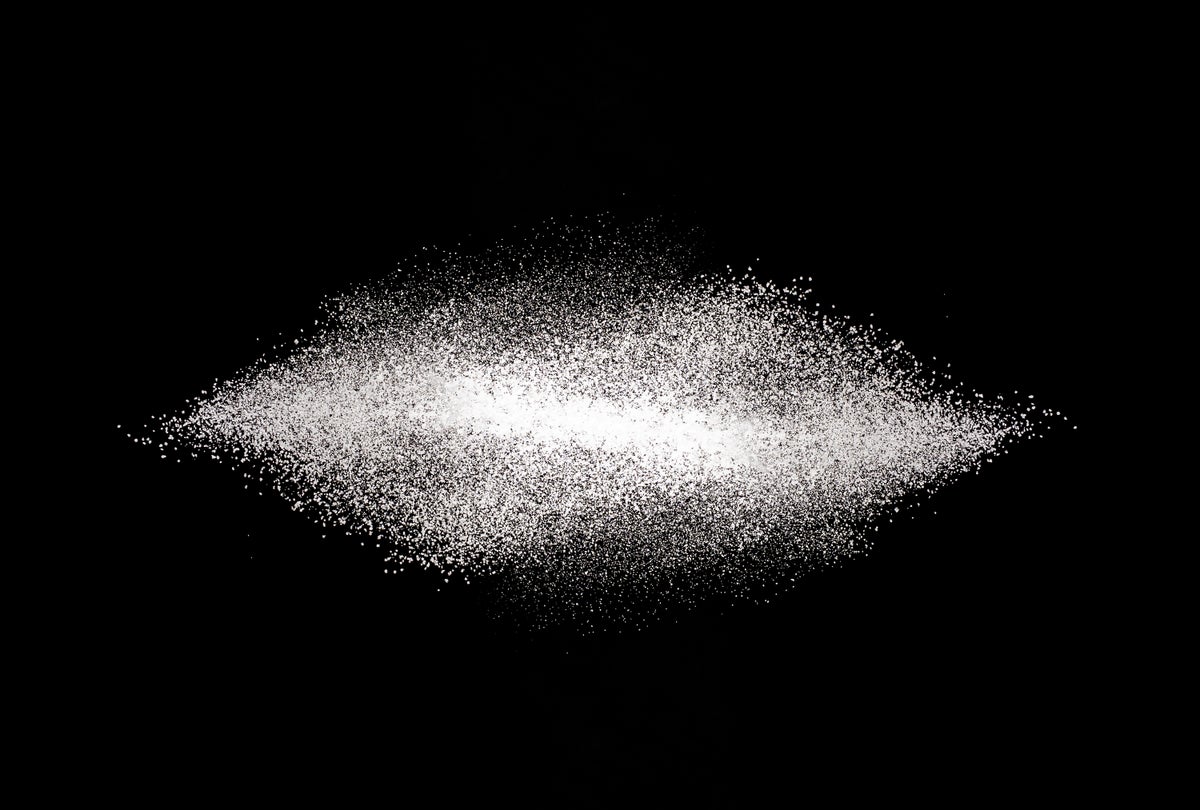
Scientists spot sugar in interstellar space for the first time ever

Erythrulose—a sugar found in raspberries—is also prevalent in a giant molecular cloud close to our galaxy’s core, scientists have discovered

Support science journalism you can trust with a subscription to Scientific American: Get 90 days of digital access for just $1!
The odds of a Super El Niño just got higher

This climate system is tied to more powerful typhoons, as well as famine and wildfires

ChatGPT just proved another 50-year-old math conjecture

What’s the secret to prompting an AI to solve math problems that have left humans stumped? Tell it to believe in itself

Scientific American Travel
Experience Yellowstone as a Winter Wonderland

Reservations now open! This January, journey deep into Yellowstone National Park with your guide, Senior Desk Editor Andrea Thompson, for a spectacular week-long exploration of snowy landscapes, steaming geysers and roaming wildlife. Learn More

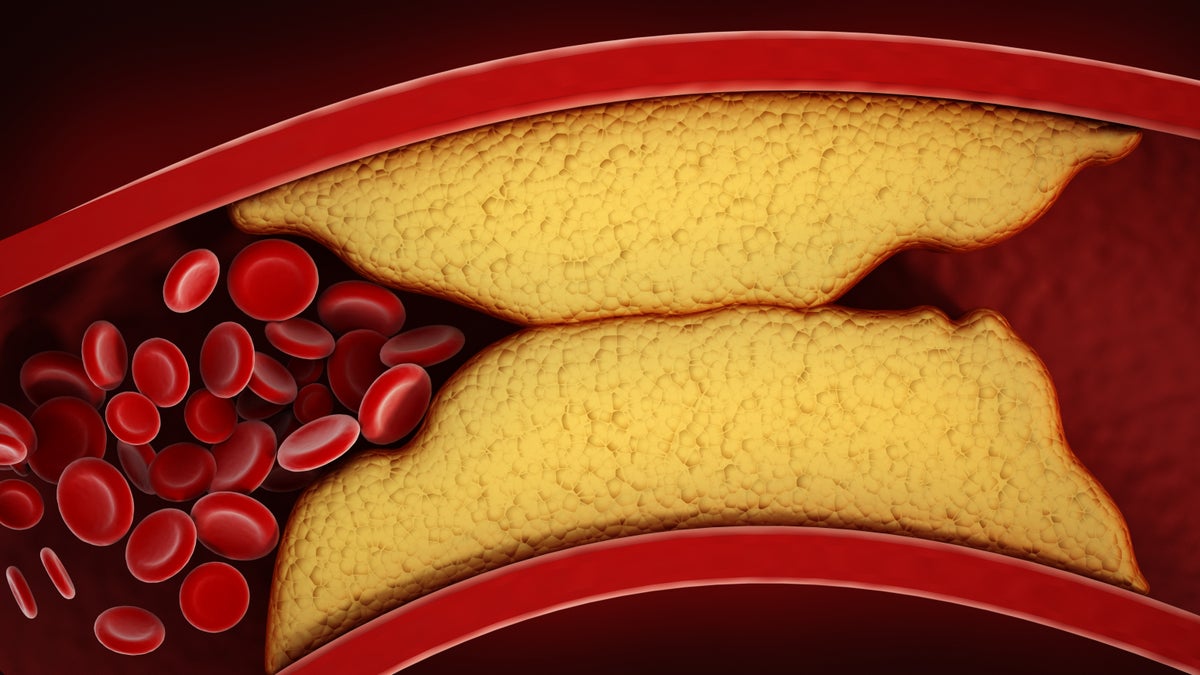
FDA approves cholesterol pill more powerful than statins

Most adults have levels of a dangerous type of cholesterol that are above 100, but this new drug can reduce levels to around 50

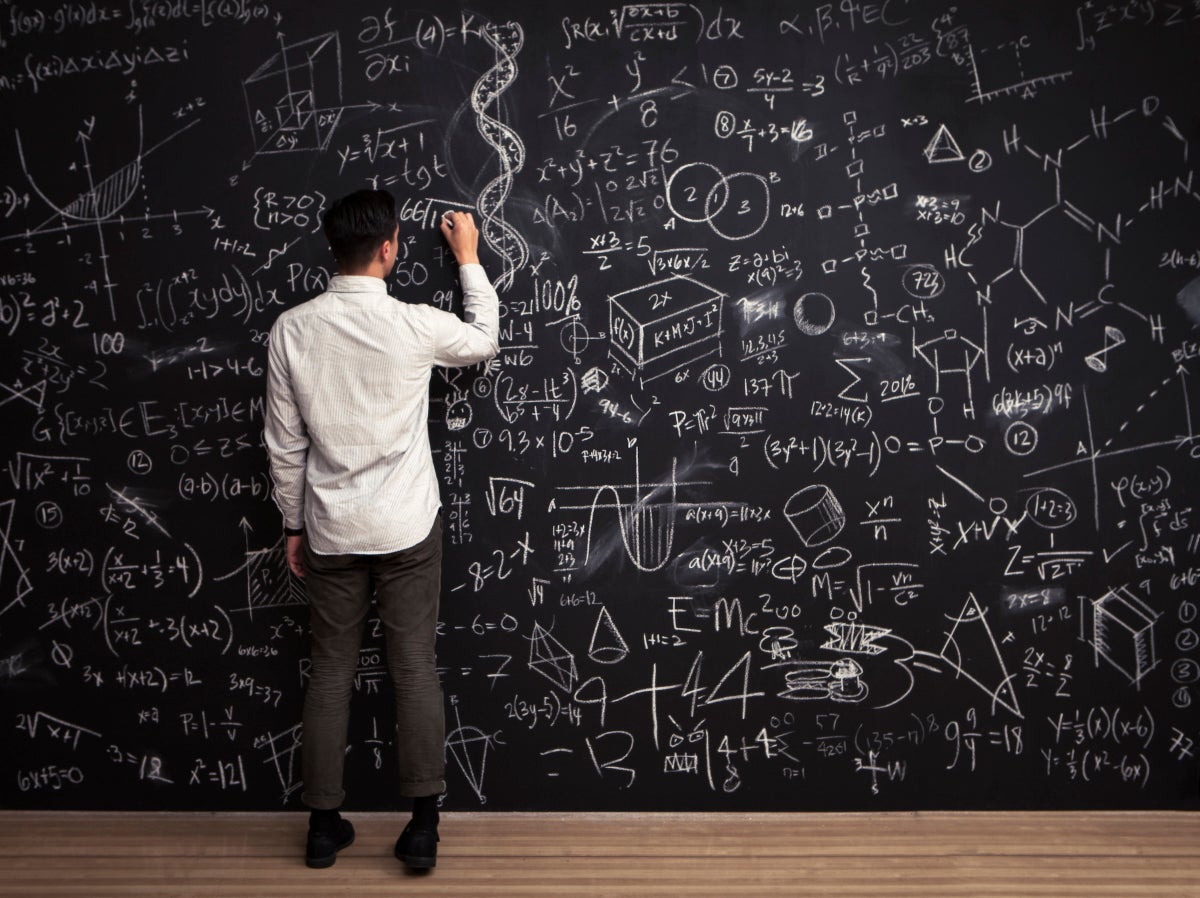
Mathematicians still don’t know the fastest way to multiply numbers

A 23-year-old student overturned an ancient conjecture about one of math’s simplest operations

Tick bites are driving up deadly meat allergies. Scientists are scrambling to stop it

Alpha-gal syndrome is increasing across the U.S., driven by lone star ticks

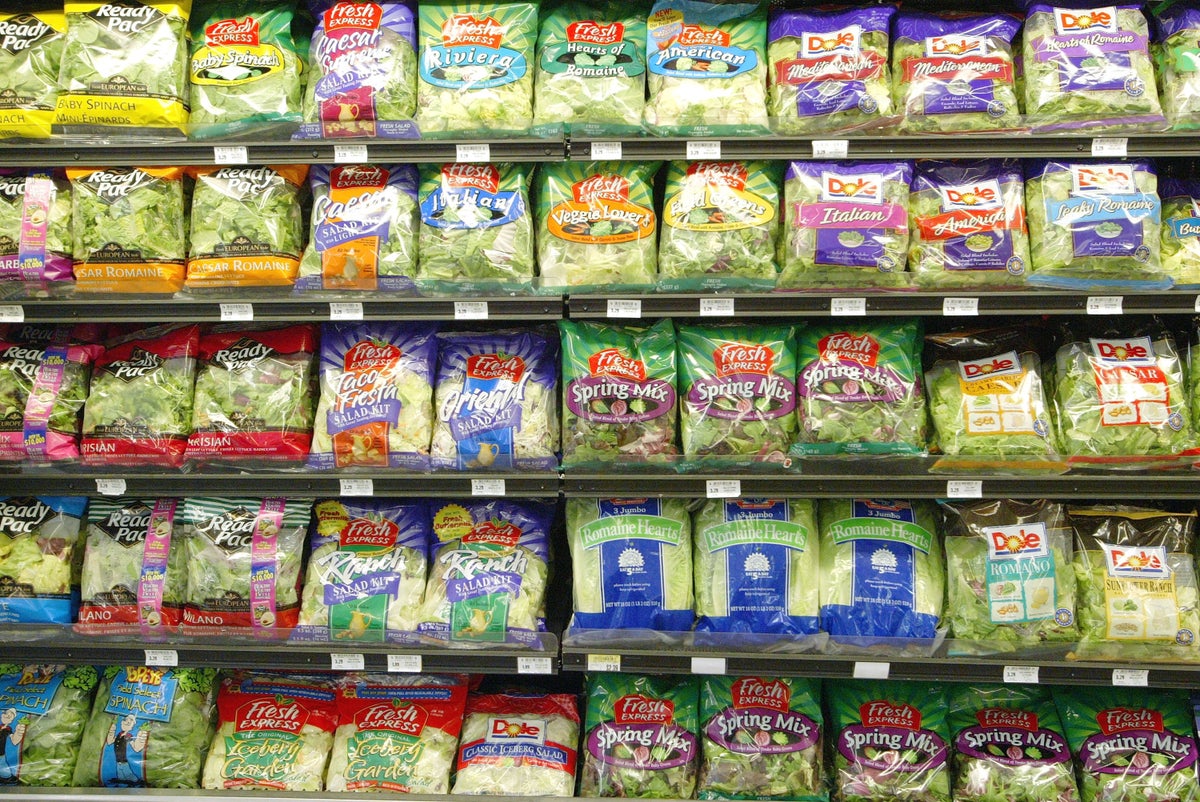
How to avoid getting cyclosporiasis—and why washing lettuce may not be enough

Case numbers of this parasite-caused illness have exploded in the last week. An expert explains how to try and stay safe

We finally know the name of an ancient Maya mathematician

The signature of Sak Tahn Waax, or “White-Chested Fox,” was found inscribed in a 1,000-year-old chamber beneath present-day Guatemala

U.S. approval of giant ‘space mirror’ satellite alarms astronomers

A controversial new ruling from the Federal Communications Commission leaves no one responsible for regulating light pollution and other ill effects from skyrocketing numbers of satellites

Mathematicians are closing in on the hidden order inside chaos

A new breakthrough pushes the limits of randomness, bringing a decades-old mathematical mystery closer to resolution

Wimbledon 2026 opened with a 148 mph serve—here’s how tennis players brains track such fast balls

Tennis players can return high-speed balls using a combination of reaction and predicting the future

Scientist Pankaj

1st atmosphere around a rocky planet in the habitable zone

1st atmosphere at a rocky planet in...