Yes, you need sunscreen, but sun has many benefits ͏ ͏ ͏ ͏ ͏ ͏ ͏ ͏ ͏ ͏ ͏ ͏ ͏ ͏ ͏ ͏ ͏ ͏ ͏ ͏ ͏ ͏ ͏ ͏ ͏ ͏ ͏ ͏ ͏ ͏ ͏ ͏ ͏ ͏ ͏ ͏ ͏ ͏ ͏ ͏ ͏ ͏ ͏ ͏ ͏ ͏ ͏ ͏ ͏ ͏ ͏ ͏ ͏ ͏ ͏ ͏ ͏ ͏ ͏ ͏ ͏ ͏ ͏ ͏ ͏ ͏ ͏ ͏ ͏ ͏ ͏ ͏ ͏ ͏ ͏ ͏ ͏ ͏ ͏ ͏ ͏ ͏ ͏ ͏ ͏ ͏ ͏ ͏ ͏ ͏ ͏ ͏ ͏ ͏ ͏ ͏ ͏ ͏ ͏ ͏ ͏ ͏ ͏ ͏ ͏ ͏ ͏ ͏ ͏ ͏ ͏ ͏ ͏ ͏ ͏ ͏ ͏ ͏ ͏ ͏ ͏ ͏ ͏ ͏ ͏ ͏ ͏ ͏ ͏ ͏ ͏ ͏ ͏ ͏ ͏ ͏ ͏ ͏ ͏ ͏ ͏ ͏ ͏ ͏ ͏ ͏ ͏ ͏ ͏ ͏
July 27, 2026—Today, we explore the nuanced effects of sunshine on our health. Plus, the potential cause of death of a 15th century muse and a surprising number of bee species have magnetoreception. Welcome to a new week of discovery!
—Andrea Gawrylewski
Chief Newsletter Editor
|
|
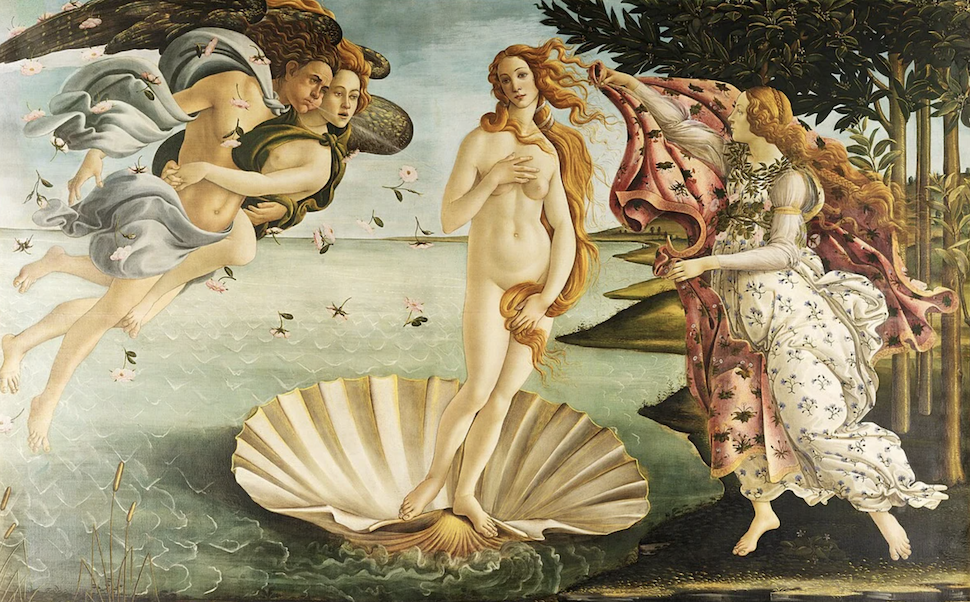
The Birth of Venus (Botticelli – c. 1484–1486) Public Domain via Wikimedia Commons
|
|
Italian Renaissance painter Sandro Botticelli painted his muse Simonetta Vespucci as Venus rising from the waves. Now scientists think they’ve solved how she died in 1476 at 23-years-old. | 3 min read
Looking for a good summer book? Here are some science books our editors have been reading. | 11 min podcast
After fatal car crashes in which occupants or rescuers could not open Tesla doors, federal regulators are considering rules that would require obvious mechanical releases. | 3 min read
When stuck in a traffic jam, most of us instinctively believe that changing lanes will get us moving more quickly. But mathematics suggests this intuition is usually wrong. | 4 min read
On Thursday, SpaceX successfully launched a test flight of its Starship rocket. The booster failed to land, but the megarocket successfully deployed its payload of 20 Starlink V3 satellites. | 2 min rad
A surprising number of bee species have magnetoreception—the ability to detect and navigate via Earth’s magnetic field, according to a new study. | 3 min read
Researchers devised a new fabric made of fungi. It's alive, is biodegradable, and can host engineered microbes that can change its color or add UV protection. Would you wear it? | 2 min read
|
|
If you’ve read this far, your brain probably wants a subscription. Help support this newsletter and get unlimited access to Scientific American: 90 days for $1.
|
|
The Power of Sun
I want to start by saying that you should absolutely be wearing sunscreen as often as you can, especially if you plan to be outside for longer stretches. You should also avoid tanning beds, as their use triples the risk of developing deadly melanoma, especially in younger people, according to the National Institutes of Health. Now that I’ve made all that clear, however, we can get into some of the nuances of sunshine. And we love nuance around here. Research is accumulating on the many health benefits of sun exposure. And people in richer nations can spend up to 90 percent of their lives indoors, which isn’t helping our health.
-
Vitamin D: For at least 100 years, scientists have known that sunlight is a vital source of vitamin D. It is produced in the skin with the aid of sunlight, and it helps to deliver calcium to bones, making them resistant to fractures. But studies have found that some of the positive effects of vitamin D are not achieved by taking a supplement.
-
Blood Pressure: Sunlight hitting skin also reacts with nitrates (from our diet: leafy greens and root vegetables) and produces nitric oxide. As nitric oxide diffuses through the body it dilates blood vessels which can lower blood pressure.
-
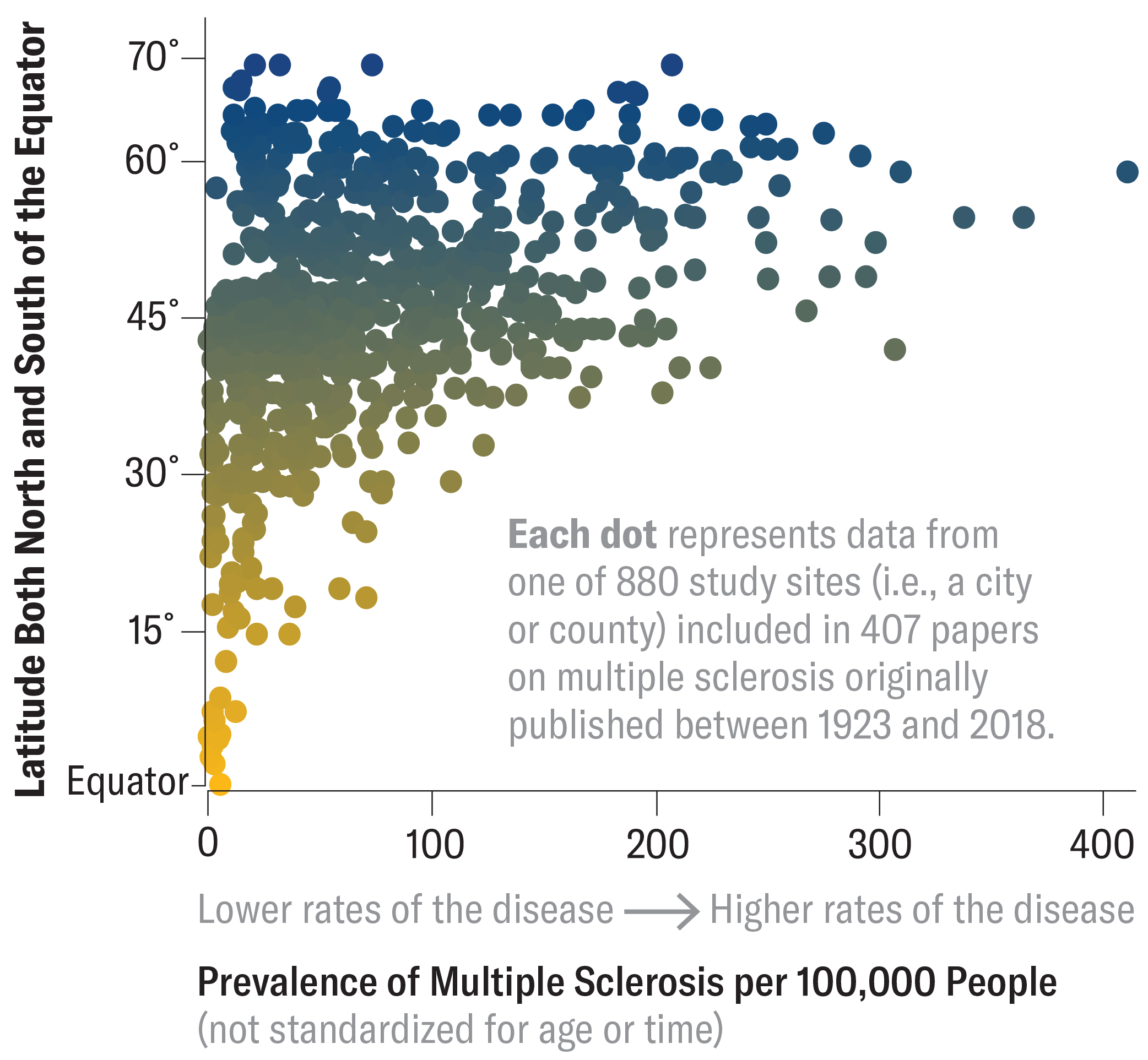
Immune suppression: Evidence from a number of medical studies now shows that UV light, the highest-energy part of the solar spectrum that reaches Earth’s surface, has a surprising ability to calm the immune system. The new studies offer tantalizing hints that UV therapy might also work for other autoimmune diseases such as type 1 diabetes, rheumatoid arthritis, Crohn’s disease and colitis. All are more common in people who get very little sun exposure, as are maladies such as Alzheimer’s and cardiovascular disease that appear to have some immune system and inflammatory connections.Important insight into sunshine’s curative properties came from studies on multiple sclerosis (MS). The disease occurs when the immune system starts attacking the protective sheath around nerves. MS affects one in 1,000 people around the world, but it is more common at higher latitudes. Scientists believe the sun activates an immune-system-calming response in the skin.
|
|
The data shown here are estimates. In the original analysis, the researchers standardized for age and time, which reduced some noise in the data, yet still was significant, albeit less pronounced than this display. Jen Christiansen; Source: “Latitude Continues to Be Significantly Associated with the Prevalence of Multiple Sclerosis: An Updated Meta-Analysis,” by Steve Simpson, Jr., et al., in Journal of Neurology, Neurosurgery & Psychiatry, Vol. 90, No. 11; November 2019 (data).
|
|
What the experts say: How much sun everyone should be getting is not a one-size-fits-all situation and depends on individual skin tones and time spent outdoors. The bottom line for everyone, though, is to avoid getting burned. Sunburn is associated with higher risks of melanoma, especially if it occurs earlier in life. Above UV-index 3, most people—especially those with fairer skin—should use sunscreen (or seek shade) while outside. Ultimately, though, being in nature has been shown to improve physical and mental health, and I suspect the sun plays a role.
|
|
|
|
|
|
TRAVEL WITH SCIENTIFIC AMERICAN
|
|
Reservations now open! This January, journey deep into Yellowstone National Park with your guide, Senior Editor Andrea Thompson, for a spectacular week-long exploration of snowy landscapes, steaming geysers and roaming wildlife.
|
|
|
|
|
Six pediatricians speak out from measles hot spot Utah. | WIRED
The government canceled a study on the effects of nature on human health. The researchers kept going anyway. | Yale Climate Connections
Anti-technology backlash has led to the "Summer of Ludd" (short for luddite). | 404 Media
|
|
After a long, dark winter, the warm summer sun on my face sure feels like a cure. As trite as it sounds, for most of us, sunshine in moderation seems the best approach. But as far as being outside and in nature goes, indulge to your heart's content! Time outdoors lowers our blood pressure and heart rate and alleviates anxiety and depression. And some research shows it boosts the health of our gut microbiome. So pack the sunscreen and get out there!
|
|
—Andrea Gawrylewski, Chief Newsletter Editor
P.S. The best way to support this newsletter (besides subscribing!) is forwarding it to someone who’d enjoy it. Thanks for helping our science-loving community expand.
|
|
|
|
|
Subscribe to this and all of our newsletters here.
|
|
Scientific American
1000 N West Street, Suite 1200
|
|
|
|
|