Wednesday, May 3, 2023

Mars’s moons, AI mind reader, foggy Northwest passage

Trouble viewing? View in your browser.
View all Scientific American publications.
    
May 02, 2023

Planetary Science

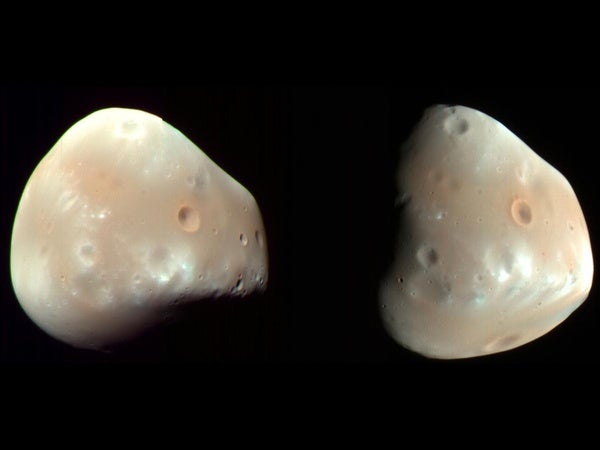
Where Did Mars's Moons Come From?

New results from a U.A.E. orbiter suggest Mars’s moons may be pieces of the planet. A Japanese mission will tell us for sure

By Jonathan O'Callaghan

Artificial Intelligence

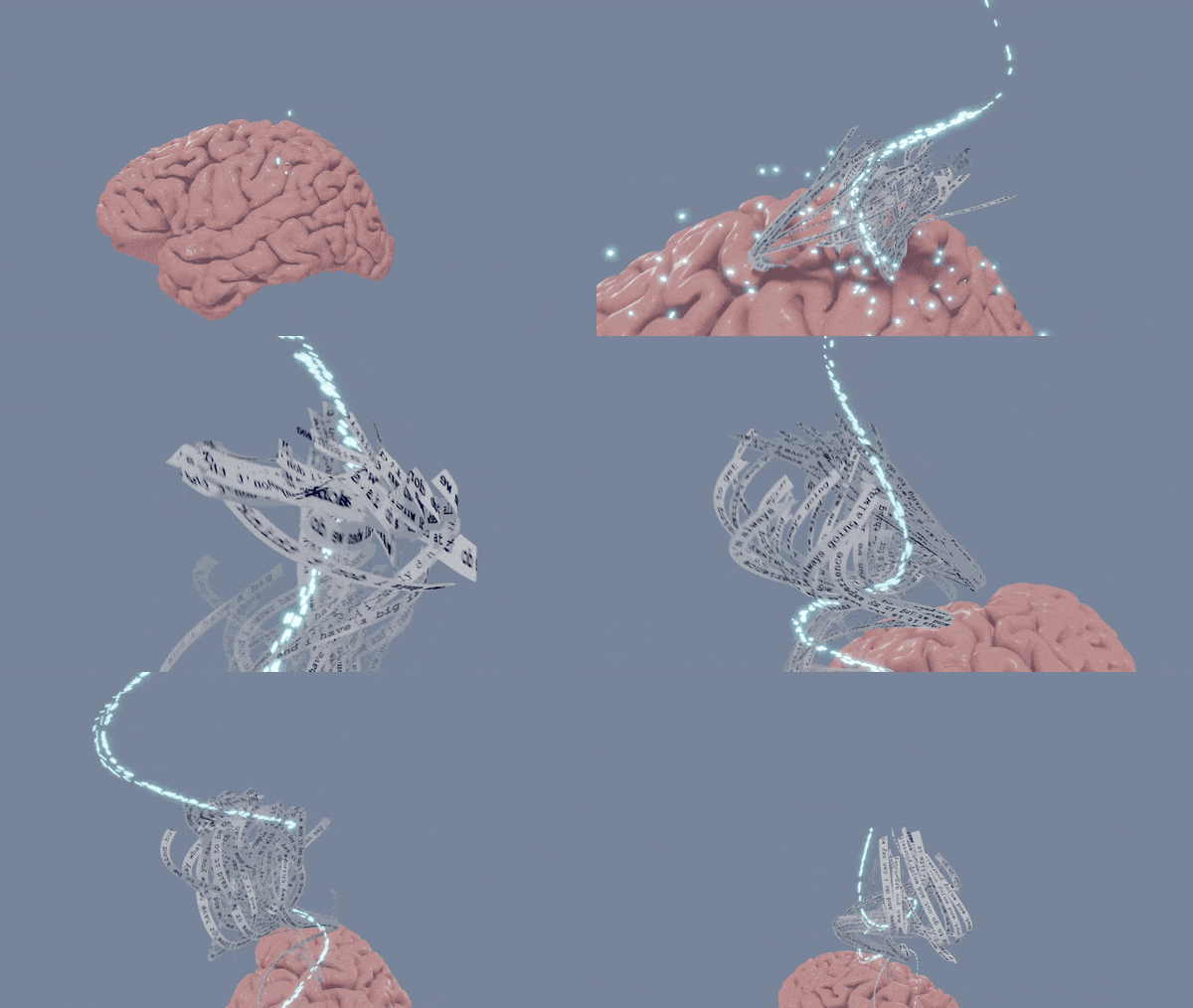
A Brain Scanner Combined with an AI Language Model Can Provide a Glimpse into Your Thoughts

New technology gleans the gist of stories a person hears while laying in a brain scanner

By Allison Parshall

Climate Change

Melting Sea Ice May Fog Out the Famed Northwest Passage

Melting sea ice is opening new pathways through the Arctic such as the famed Northwest Passage. But it is also reducing visibility and potentially causing delays

By Chelsea Harvey,E&E News

Ecology

This Fleeting Ecosystem Is Magical, and You Have Probably Never Heard of It or Even Noticed It

Vernal pools are home to spectacular residents such as fairy shrimp, but these unusual natural wonders are under threat.

By Christopher Intagliata | 07:35

Climate Change

Many Bird Species Are Having Fewer Chicks as the World Warms

Many bird species are producing fewer offspring as global temperatures rise, and larger migratory species are particularly affected

By Chelsea Harvey,E&E News

Sex & Gender

Here's Why Human Sex Is Not Binary

Ova don’t make a woman, and sperm don’t make a man

By Agustín Fuentes

Biotech

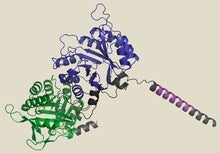
Proteins Never Seen in Nature Are Designed Using AI to Address Biomedical and Industrial Problems Unsolved by Evolution

Bioengineers are drawing on rapidly evolving machine-learning tools, deep reservoirs of data and the firepower of a program called AlphaFold2 to pursue more sophisticated de novo protein designs

By Michael Eisenstein,Nature magazine
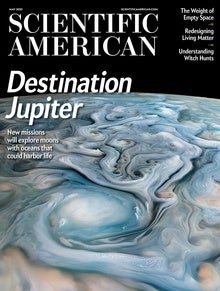
FROM THE STORE
FROM THE ARCHIVE

Success of Tiny Mars Probes Heralds New Era of Deep-Space Cubesats

Two pint-sized spacecraft, MarCO-A and MarCO-B, served as communications relays for NASA’s InSight lander

WHAT WE'RE READING

Ancient Romans Dropped Their Bling Down the Drain, Too

Archaeologists have recovered a trove of fallen, forgotten ring stones from an 1,800-year-old bathhouse in England.

By Franz Lidz | The New York Times | May 1, 2023

LATEST ISSUES

Questions?   Comments?

Send Us Your Feedback
Download the Scientific American App
Download on the App Store
Download on Google Play

To view this email as a web page, go here.

You received this email because you opted-in to receive email from Scientific American.

To ensure delivery please add news@email.scientificamerican.com to your address book.

Unsubscribe     Manage Email Preferences     Privacy Policy     Contact Us

Tuesday, May 2, 2023

A Brain Scanner Combined with an AI Language Model Can Provide a Glimpse into Your Thoughts

Trouble viewing? View in your browser.
View all Scientific American publications.
    
May 02, 2023

A functional magnetic resonance imaging (fMRI) machine can record the brain in action, but these images don't tell the observer much about the thoughts that are causing that activity. An AI, on the other hand, can detect patterns that humans do not. In a new study, researchers trained an AI language model to "translate" fMRI images in order to reveal the stories that the brain's owner was listening to, or imagining telling, while in the scanner. Read more below!

Sophie Bushwick, Associate Editor, Technology

Artificial Intelligence

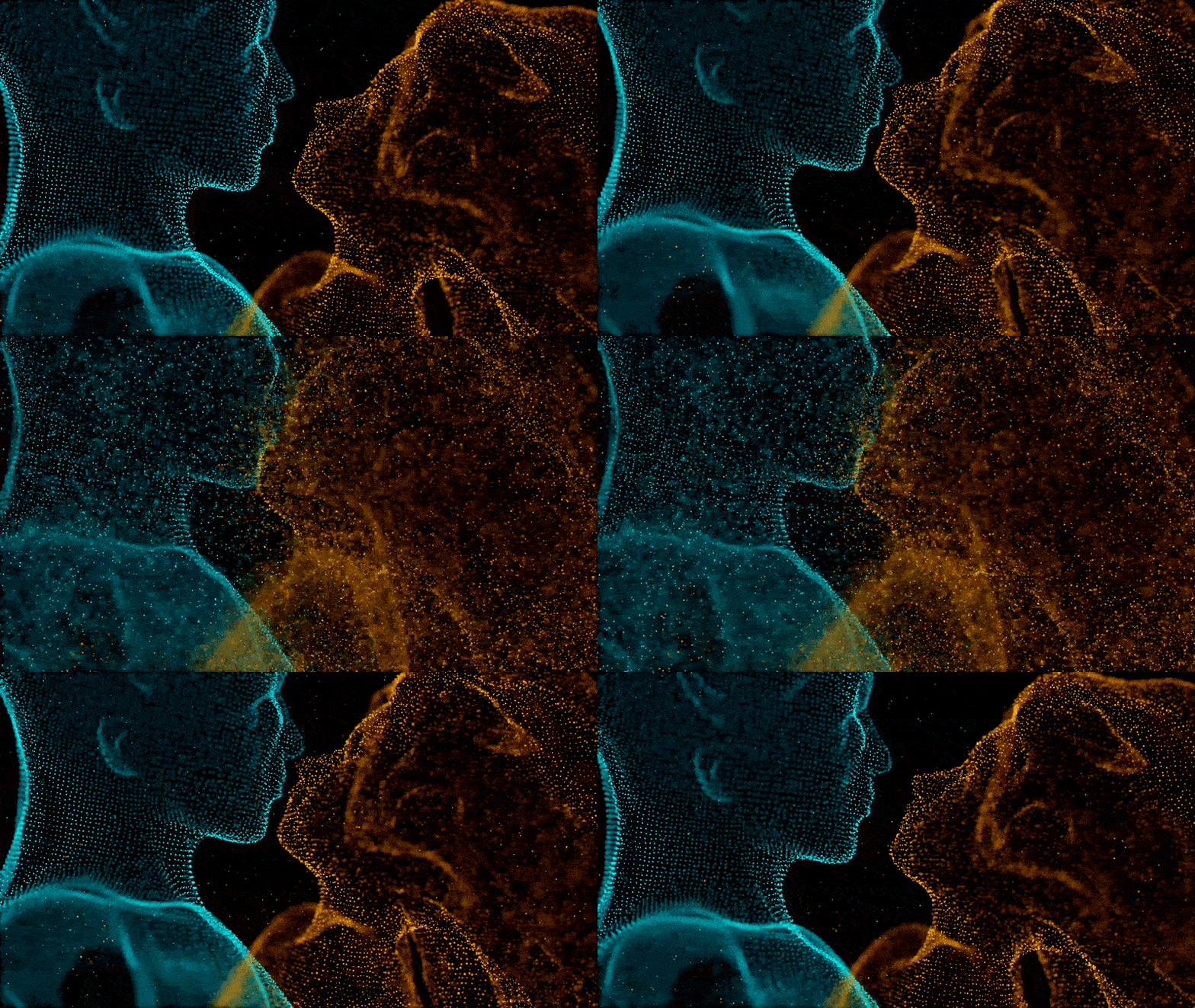
A Brain Scanner Combined with an AI Language Model Can Provide a Glimpse into Your Thoughts

New technology gleans the gist of stories a person hears while laying in a brain scanner

By Allison Parshall

Automobiles

What It Would Take for Electric Vehicles to Help Power the Grid

A new bill in California proposes making electric vehicles a backup power source for the electric grid—an idea that has promise but has to overcome several technological hurdles, experts say

By Anne C. Mulkern,E&E News

Arts

How This AI Image Won a Major Photography Competition

Boris Eldagsen submitted an artificial-intelligence-generated image to a photography contest as a “cheeky monkey” and sparked a debate about AI’s place in the art world

By Allison Parshall

Biotech

Proteins Never Seen in Nature Are Designed Using AI to Address Biomedical and Industrial Problems Unsolved by Evolution

Bioengineers are drawing on rapidly evolving machine-learning tools, deep reservoirs of data and the firepower of a program called AlphaFold2 to pursue more sophisticated de novo protein designs

By Michael Eisenstein,Nature magazine

Artificial Intelligence

AI Chatbots and the Humans Who Love Them

Humans are building meaningful relationships with AI chatbots. What will the consequences be?

By Sophie Bushwick,Kelso Harper | 12:24

Genetic Engineering

Synthetic Morphology Lets Scientists Create New Life-Forms

The emerging field of synthetic morphology bends boundaries between natural and artificial life

By Philip Ball

Energy

This Pioneering Nuclear Fusion Lab Is Gearing Up to Break More Records

Here’s what’s next after the U.S. National Ignition Facility’s breakthrough on nuclear fusion last year

By Jeff Tollefson,Nature magazine

Biotech

Bionic Finger 'Sees' Inside Objects by Poking Them

A robotic finger’s supersensitive touches could probe inside body parts and circuits

By Simon Makin

Space Exploration

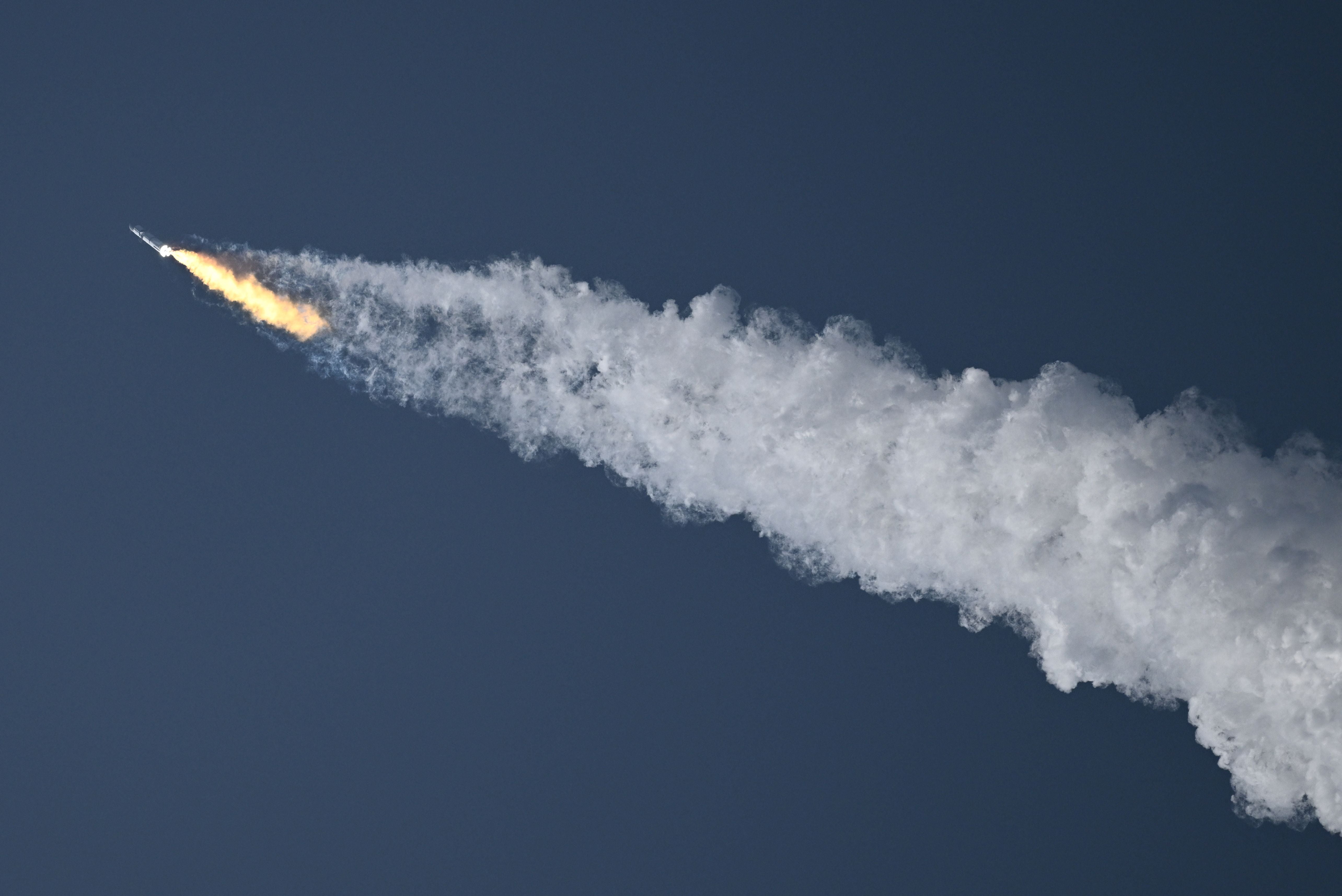
SpaceX's Starship Fails Upward in Milestone Test

Starship, a super powerful launch system that could revolutionize access to space, soared for mere minutes—but its test flight is still being hailed as a success

By Meghan Bartels

Arts

AI Can't Solve This Famous Murder Mystery Puzzle

The 1934 puzzle book Cain’s Jawbone stumped all but a handful of humans. Then AI took the case

By Kenna Hughes-Castleberry
FROM THE STORE

QUOTE OF THE DAY

"This emotional investment that we're making in our technologies also is a vulnerability, and it's a vulnerability that we have to be aware of and that we have to be ready to confront so that we are adequately protecting ourselves as we engage with these technologies."

David Gunkel, Science Friday

FROM THE ARCHIVE

50, 100 & 150 Years Ago: May 2023

King Tut’s bountiful tomb; music from fire

LATEST ISSUES

Questions?   Comments?

Send Us Your Feedback
Download the Scientific American App
Download on the App Store
Download on Google Play

To view this email as a web page, go here.

You received this email because you opted-in to receive email from Scientific American.

To ensure delivery please add news@email.scientificamerican.com to your address book.

Unsubscribe     Manage Email Preferences     Privacy Policy     Contact Us

The May Theme Revealed

Click to discover the latest Space & Beyond Box theme.
The New Collection is HERE. Get the Theme.
HOME GET THE BOXGIFT THE BOXNEWS
From the makers of Astronomy Magazine Connect with Space & Beyond Boxfacebookinstagram

Your first box will ship within 4-6 weeks. Sales tax and retail delivery fee where applicable. While supplies last.

Unsubscribe  •  Preferences  •  Customer Service  •  Privacy Policy  •  View In Browser

This message was sent to ceo.studentlike.spuniv@blogger.com.

© 2023 Kalmbach Media Co. 21027 Crossroads Circle Waukesha, WI 53186

P41322

Celebrate National Teacher Day with 15% Off! ✏️

Teachers Save Big!
GLOBES  |  MAGAZINES  |  BOOKS  |  GIFTS  |  ECLIPSE
Celebrate National Teacher Day...

15% OFF

STEM TOYS

Don't miss big savings on teacher-approved educational STEM toys, games, kits, and more.

SHOP ALL STEM

STEM Kits


Astronomy


Shop STEM Kits... Shop Astronomy...
SHOP NOW
SHOP NOW

Flashcards


Models


Shop STEM Kits... Shop Models...
SHOP NOW
SHOP NOW

Get all these teacher's favorites and more...

SHOP ALL STEM
 
Join us on facebook

Join us on facebook and stay connected with the latest products, special offers, fun facts, and more »

Offer expires 5/8/2023. Select exclusions may apply. Sales tax and retail delivery fee where applicable.

Unsubscribe  •  Preferences  •  Customer Service  •  Privacy Policy  •  View In Browser

This message was sent to ceo.studentlike.spuniv@blogger.com.

© 2023 Kalmbach Media Co. 21027 Crossroads Circle Waukesha, WI 53186

P41330

Scientist Pankaj

NASA sends planes to monitor US Army's lead detonation. 'Irresponsible' to compare it to Chernobyl, agency chief says

NASA sends planes to monitor US Army lead ...