This map shows which cities worldwide are sinking the most ͏ ͏ ͏ ͏ ͏ ͏ ͏ ͏ ͏ ͏ ͏ ͏ ͏ ͏ ͏ ͏ ͏ ͏ ͏ ͏ ͏ ͏ ͏ ͏ ͏ ͏ ͏ ͏ ͏ ͏ ͏ ͏ ͏ ͏ ͏ ͏ ͏ ͏ ͏ ͏ ͏ ͏ ͏ ͏ ͏ ͏ ͏ ͏ ͏ ͏ ͏ ͏ ͏ ͏ ͏ ͏ ͏ ͏ ͏ ͏ ͏ ͏ ͏ ͏ ͏ ͏ ͏ ͏ ͏ ͏ ͏ ͏ ͏ ͏ ͏ ͏ ͏ ͏ ͏ ͏ ͏ ͏ ͏ ͏ ͏ ͏ ͏ ͏ ͏ ͏ ͏ ͏ ͏ ͏ ͏ ͏ ͏ ͏ ͏ ͏ ͏ ͏ ͏ ͏ ͏ ͏ ͏ ͏ ͏ ͏ ͏ ͏ ͏ ͏ ͏ ͏ ͏ ͏ ͏ ͏ ͏ ͏ ͏ ͏ ͏ ͏ ͏ ͏ ͏ ͏ ͏ ͏ ͏ ͏ ͏ ͏ ͏ ͏ ͏ ͏ ͏ ͏ ͏ ͏ ͏ ͏ ͏ ͏ ͏ ͏
November 2, 2026—Health tips for a smooth transition to standard time, how DNA damage inside sperm can affect fertility and a map of sinking cities worldwide.
—Emma Gometz,
Newsletter Editor
|
|
Roman Samborskyi/Shutterstock
|
|
Daylight savings ended on Sunday. Doctors have some tips for how to make the transition to standard time smoothly. | 3 min read
The two things that can do the most for your sleep cost nothing. Their combination is called “paleo lighting.” | 4 min read
This October was the hottest ever recorded. | 2 min read
Researchers have created a tattoo ink that can magically appear and disappear when exposed to different types of light. | 3 min read
A domesticated bull and male donkey have formed a deep social and sexual bond, showing the complexities of interspecies animal relationships. | 3 min read
Get caught up on the latest science news, including an update on Ebola cases, AI math breakthroughs, and the dangers of daylight saving time (glad that’s over!). | 12 min podcast
|
|
Sperm DNA Damage
When a couple is struggling to get pregnant, low sperm motility or sperm count are two common explanations doctors test for. But a growing body of research has shown that sperm DNA fragmentation is another common reason—but it’s not tested for nearly as much. In its first update in 14 years, the American Society for Reproductive Medicine (ASRM) released new treatment guidelines for recurrent miscarriage, noting that testing for sperm DNA fragmentation “may be considered” in cases of multiple pregnancy losses.
How it works: DNA fragmentation is like little breaks, or “spelling mistakes,” in the DNA structure that the sperm carries. Some DNA damage doesn’t stop the embryo from developing, but it will if the fragmentation affects the development of heart tissue or other essential organs. Although what causes sperm DNA damage is still unclear, possible culprits range from environmental toxins to advanced paternal age to lifestyle factors such as drug use and smoking.
What the experts say: After unhelpful results from the usual battery of male fertility tests, fertility doctor Carrie Bedient recommended her patient test for sperm DNA damage. The test came back showing it was substantial. “Hey, I need you to clean up everything you can,” she recalls telling him. He vowed to stop drinking alcohol, stop smoking, start exercising and take vitamin supplements—and it worked. “He completely turned everything around, and they’ve now got a beautiful baby boy,” Bedient says.
|
|
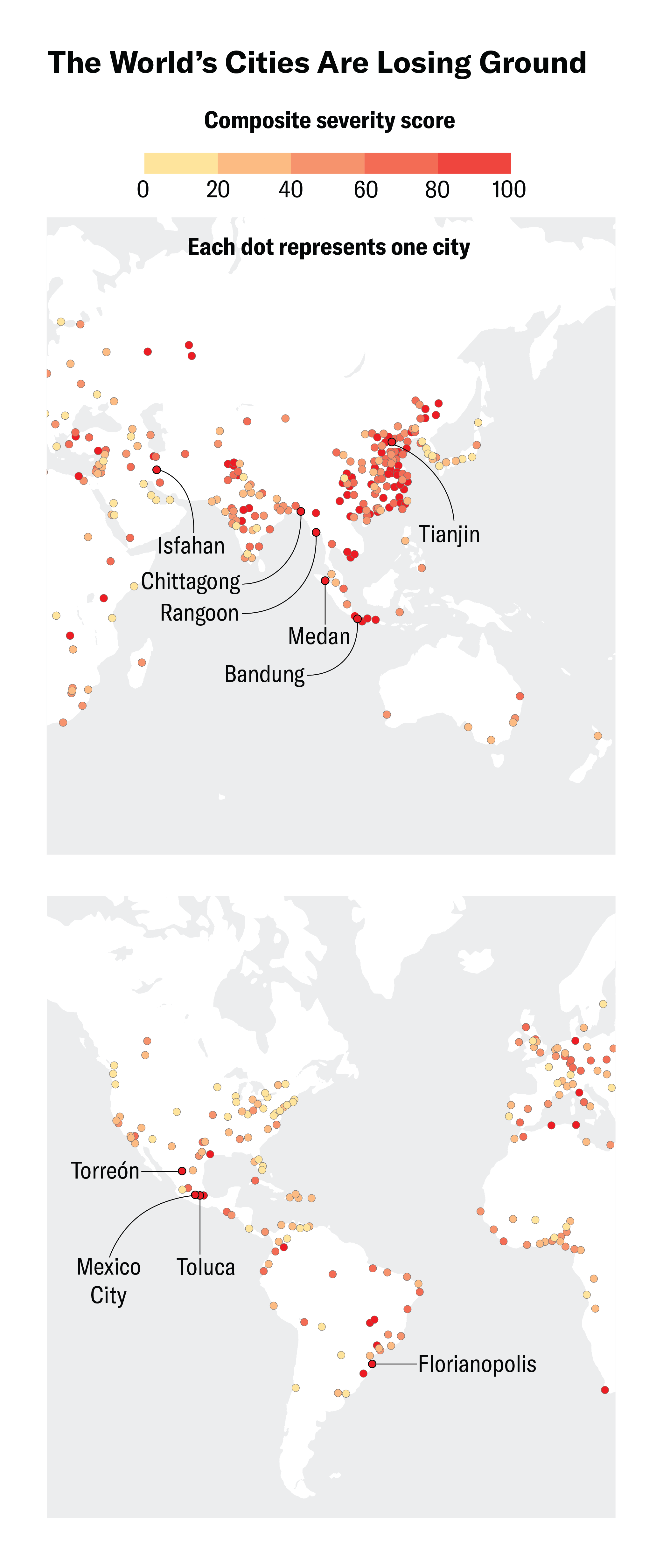
An exhaustive survey was published in Nature Cities last week, showing locations such as New Orleans, Mexico City, Jakarta and Rome are sinking by up to several inches every year. Researchers used satellite radar to track how much 465 urban areas of more than a million people were sinking from 2014 to 2023. Sinking was most severe in Southeast Asia, West and Central Asia and North America, but it also turned up in South America and Africa. Is your city on the list?
|
|
Sanidhya Sharma; Source: “A Global View of Urban Land Subsidence and Its Changing Trajectories,” by Lijun Wang et al., in Nature Cities. Published online October 12, 2026 (data)
|
|
|
|
|
|
EXCLUSIVE SUBSCRIBER EVENT
|
|
Inside Social Media Addiction: Join Us Live
|
|
Why is social media so hard to put down? Join Scientific American associate editor Allison Parshall and neuroscientist Eva Telzer on November 5 for a virtual discussion exploring the science behind social media addiction and how to build healthier relationships with technology.
|
|
|
|
|
Here’s how close we are to eliminating traffic deaths. | MIT Technology Review ($)
11 data centers and 264 diesel generators surround this elementary school. Is it safe for children? | NBC News
One writer’s case for why the internet must be “put out of its misery.” | WIRED
|
|
Tiny investment, enormous universe: subscribe to Scientific American for 90 days for just $1 and help keep this newsletter going.
|
|
I absolutely love sleeping, so getting another hour to sleep in felt amazing today. And while disrupting a sleep routine can have potential health consequences, it’s nice to know that returning to standard time seems to be the healthier of the two transitions. However, the House of Representatives passed the “Sunshine Protection Act” earlier this year, aiming to make daylight saving time permanent and give us all a little more light on winter afternoons. It has yet to clear the Senate, but some researchers say that permanent daylight saving time could be dangerous for children who would have to go to school in the dark. Do you think permanent daylight saving time is a good idea? Let me know by replying to this email!
|
|
Please send any other ideas, comments or feedback on this newsletter to: newsletters@sciam.com. Andrea returns tomorrow!
—Emma Gometz,
Newsletter Editor
|
|
|
|
|
Subscribe to this and all of our newsletters here.
|
|
Scientific American
1000 N West Street, Suite 1200
|
|
|
|
|