|
|
 
Happy Wednesday, space fans!
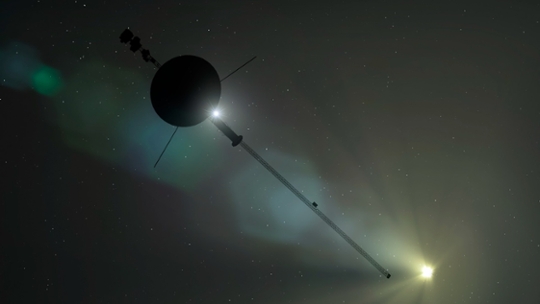
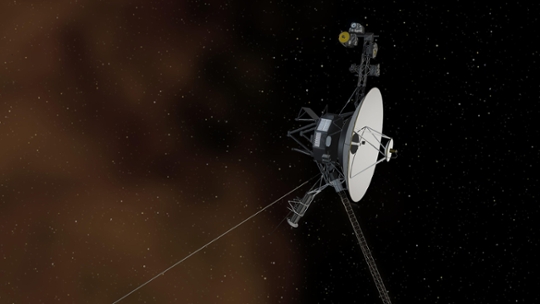
Today is a very special day as early this morning, NASA's Voyager 1 spacecraft hit one light-day from Earth. This milestone marks the point at which it takes a full day for any signal to travel from Earth to the probe, which is now 16.1 billion miles away exploring interstellar space. There are so many ways to celebrate this milestone, but NASA has actually put out a call to the public to shine lights to reach Voyager with a special message, so if you're excited for this nearly 50-year-old mission, you can participate! And while you're looking up and imagining Voyager's incredible journey through space, you might actually catch some shooting stars as we're currently in the middle of the Leonid meteor shower.
Check out what's big in space below:
|
|
|
|
NASA invites the public to shine lights in Morse code after sunset today (Nov. 17) to celebrate Voyager 1 reaching a historic distance of one light-day from Earth.
|
|
|

|
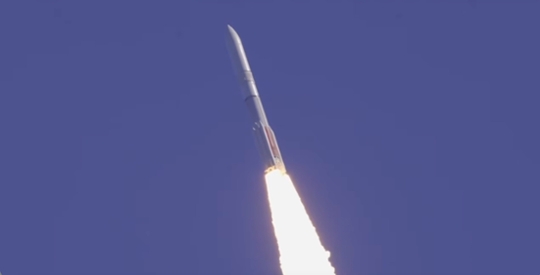
United Launch Alliance's Vulcan Centaur rocket failed during its launch on Sunday (Nov. 15) because of an issue with its first-stage booster, according to the company.
|
|
|
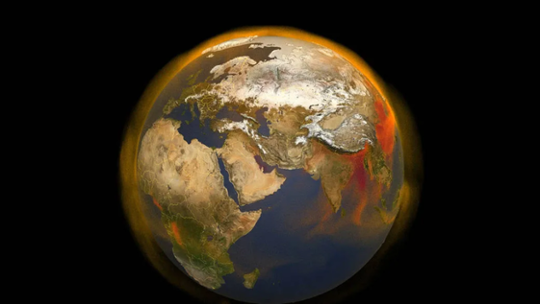
The Indian space-tech startup SatLeo Labs is betting that near-real-time temperature data from satellites can help the world stay ahead of escalating climate disasters.
|
|
|
|
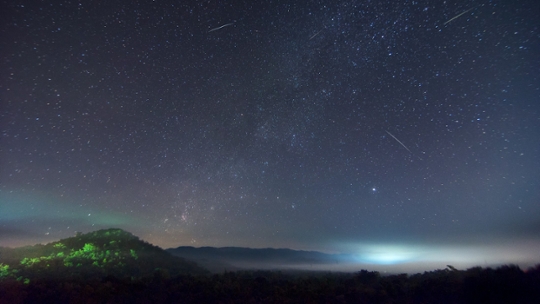
The Leonid meteor shower peaks in November 2026. Here's when to watch, how many shooting stars to expect and how to give yourself the best chance of spotting them.
|
|
|
|
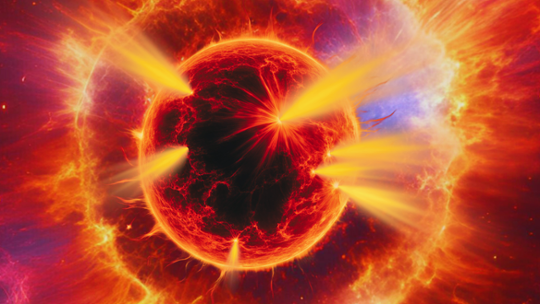
Gravitational waves have revealed a population of black holes that may have been born when masssive stars failed to go supernova.
|
|
|
|
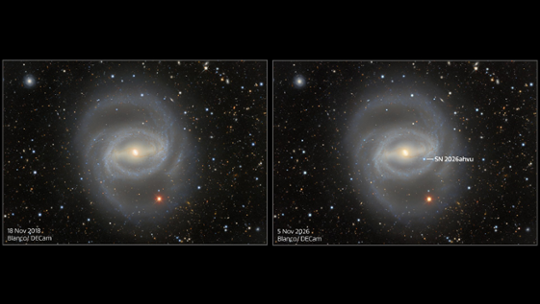
A new supernova (SN 2026 ahvu) has been found in the spiral galaxy NGC 1433, about 50 million light-years from Earth.
|
|
|
 |
| (Future) |
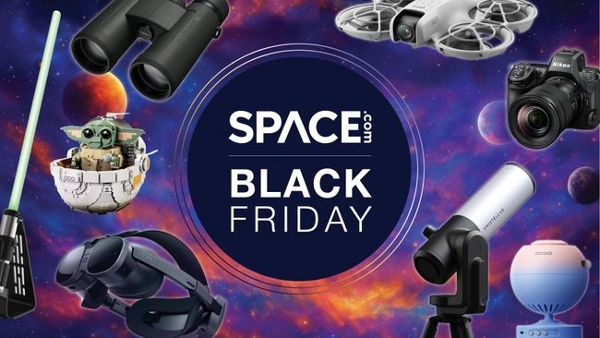
The holiday shopping season is almost here and if you're looking for the perfect gift for your space cadet at home, we've got the best deals to look out for here.
|
|
|
|
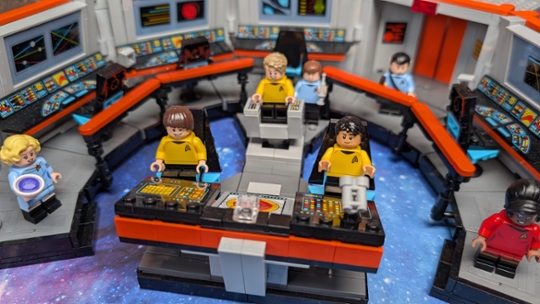
Dammit Jim, I'm a doctor, not a Lego engineer. But this Lego Star Trek set is a wonderful bit of nostalgia that is also accessible for children.
|
|
|
That's it for our space update today.
I couldn't be more excited to celebrate Voyager 1's light-day milestone with you all. In less than a year, the mission will turn 50. For nearly half a century Voyager 1 and its twin have not just explored our solar system, discovering groundbreaking information every step of the way, but they are now in interstellar space truly going where no one has gone before. This mission is taking our theoretical understanding of space billions and billions of miles away and actually observing it. Now 16.1 billion miles away, we hope that Voyager 1 can keep on going for a long time. And who knows, if the mission continues, in 2035 Voyager 2 might also hit the 1 light-day mark!
This next summer, we can look forward to celebrating even bigger as Voyager (fingers crossed) finally reaches that 50 year anniversary. From 1977 to today, it's really the little mission that could (and won't stop). Looking into the nearer future, don't forget to look up as we are smack dab in the middle of the Leonid meteor shower. The shower's peak has passed, but with some patience and intentional planning you can still spot some amazing shooting stars in the night sky. To follow closely along and stay up to date with all things space, you can now get Space.com right in the palm of your hand with our new app available now on iOS and Android.
Ad astra, per aspera
Chelsea Gohd
Content Manager, Space.com
|
|
|
| Stay up-to-date on all things space science, news, and entertainment by subscribing to our newsletters. |
|

|
|
|
|
|
|
When you purchase through links in our content, we may earn an affiliate commission.
Future US LLC © |
| Full 7th Floor, 130 West 42nd Street, New York, NY, 10036 |
|
|
|