Friday, November 13, 2026

Week in Science: GLP-1 pills improve sleep apnea

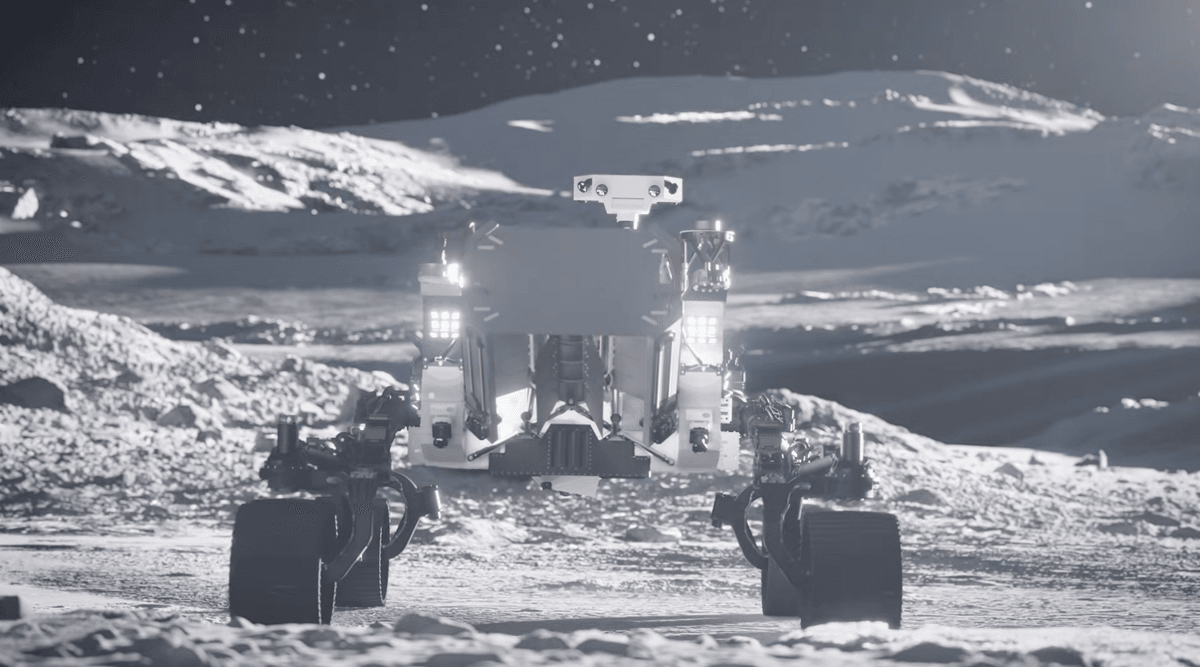
Plus, new lunar rover to launch in 2028                    

November 13—Happy Friday the 13th! Here are the biggest science stories from this week, from how GLP-1s can improve sleep apnea to the math of finding a needle in a haystack. Plus, the scoop on a new lunar rover, an unexpected way to predict the spread of Lyme disease, and how “pink noise” cleans the brain during sleep.

Think you know all the science news from this week? Take our Friday quiz to find out.

—Emma Gometz, Newsletter Editor

Have thoughts or feedback on our coverage? Email newsletters@sciam.com anytime.

Top Stories
New clinical trial shows daily GLP-1 pill significantly improves sleep apnea

Foundayo, a daily pill, successfully reduced obstructive sleep apnea, according to clinical trial data

NASA reveals new lunar rover, PROMISE, to launch to moon in 2028

At a press event on Saturday, the agency’s officials stressed that rovers and other infrastructure will be critical to ensuring human survival on the moon

Like this newsletter? A subscription to Scientific American helps make it possible—and gives you full access to the stories that spark your curiosity. Start your subscription today: 90 days for just $1.
Scientists confirm OpenAI’s blockbuster quantum physics result

The company’s appointed team of experts has verified and released the groundbreaking AI-generated proof, which validates bedrock assumptions of the Standard Model of particle physics

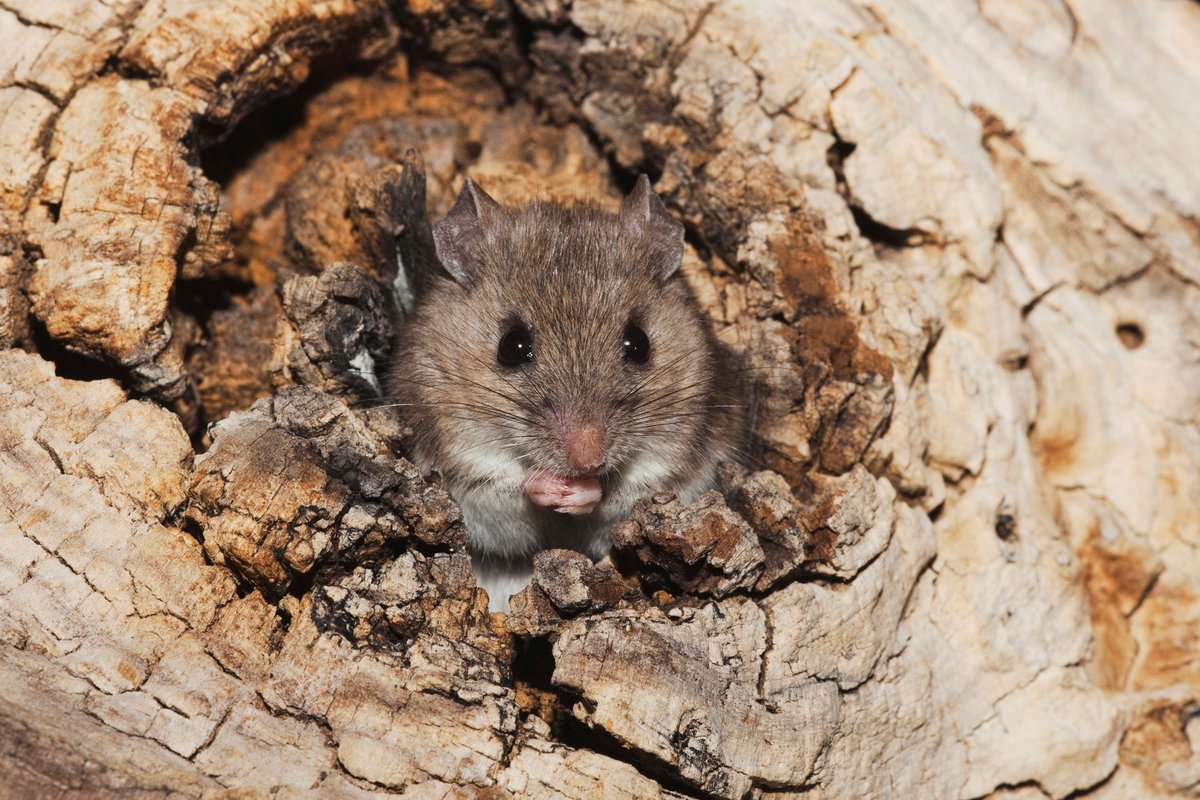
Acorns—not deer—can predict a rise in Lyme-spreading ticks

Despite deer’s essential role in tick reproduction, looking to acorn numbers instead can forecast Lyme disease booms almost two years in advance

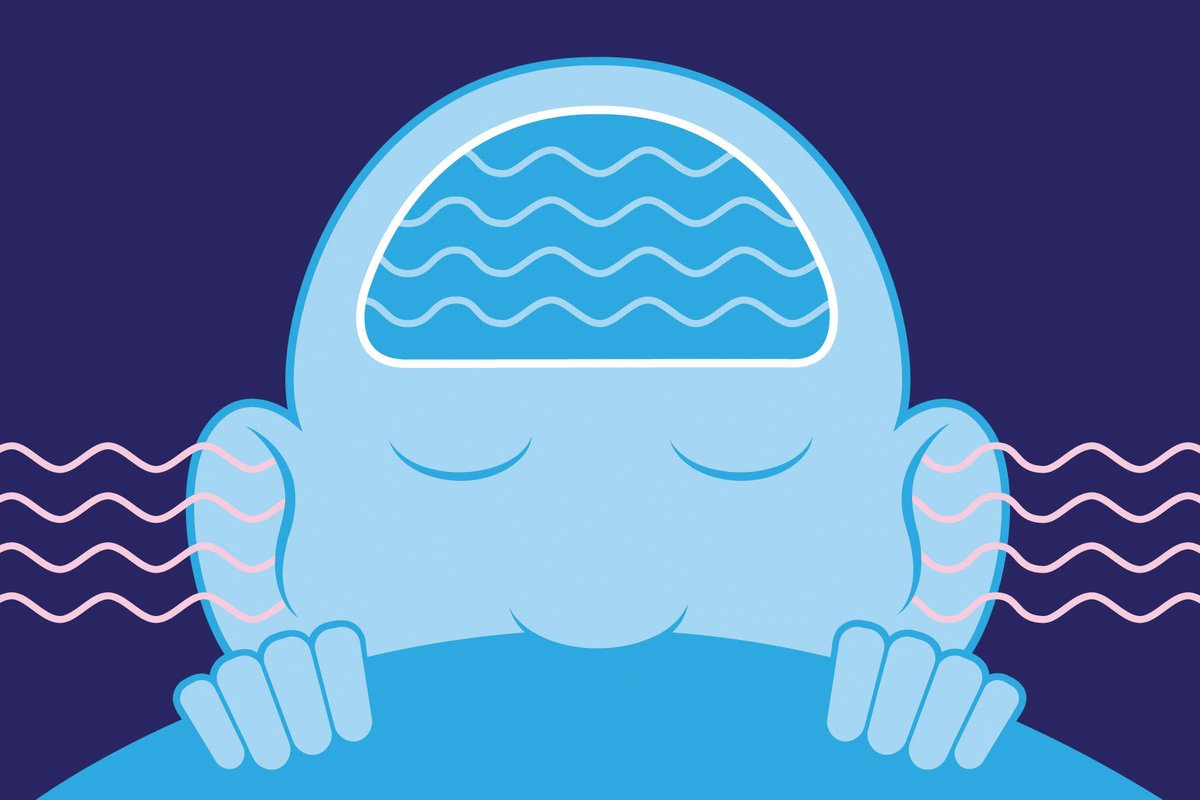
Bursts of ‘pink noise’ during sleep could help your brain clean itself

Triggering a flow of the brain’s cleaning fluid could lead to better sleep—and may decrease harmful waste particles

Scientists finally solve the mystery of Earth’s ‘Great Unconformity’

The “Great Unconformity” has puzzled scientists since its discovery in the 1870s

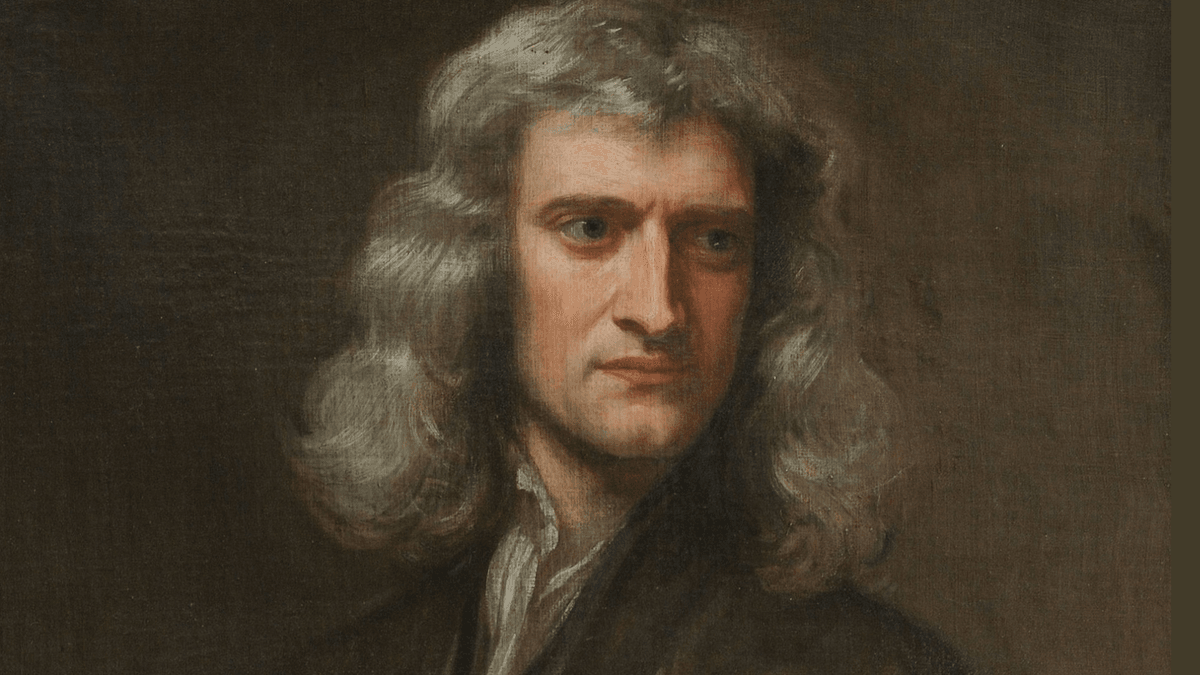
Was Isaac Newton’s contribution to calculus stolen?

Newton accused Gottfried Wilhelm Leibniz, another mathematical giant of the time, of stealing the concept of infinitesimals. Here’s the real story

Nothing can be fully transparent, physicists discover

Quantum researchers show how materials inevitably absorb light

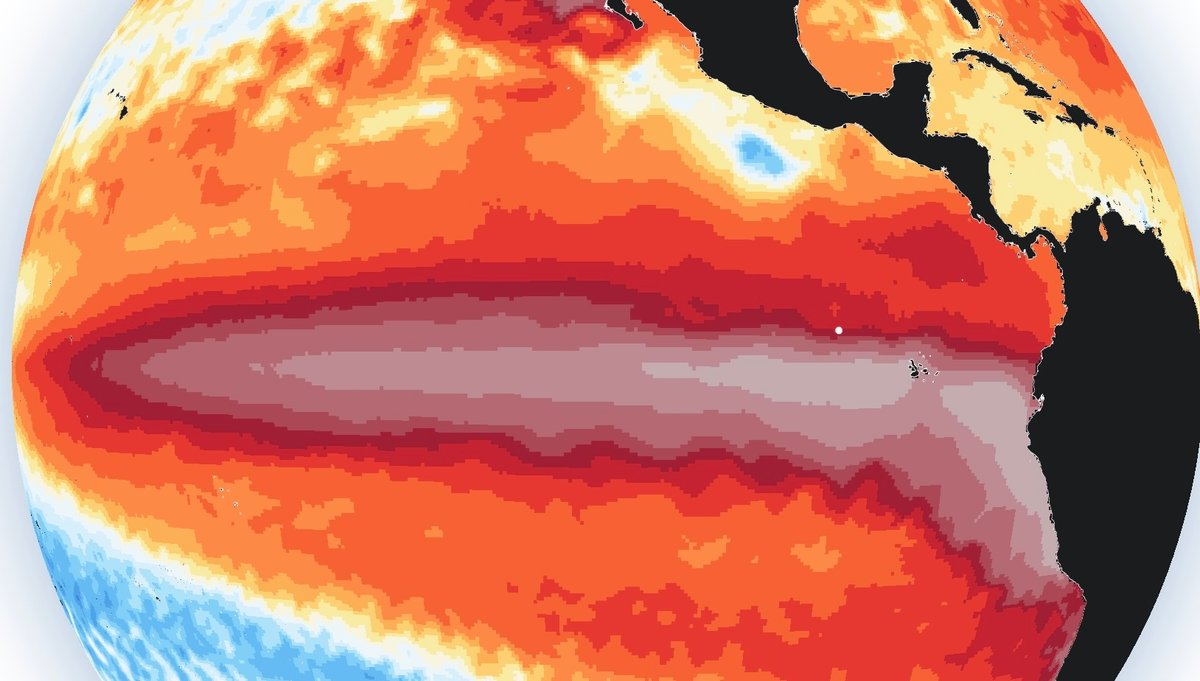
El Niño will push temperatures above 1.5 degrees C. Will we ever come back down?

The astonishing strength of this El Niño could mean we surpass an important climate threshold—possibly for good

Why did a Brooklyn building collapse so suddenly? Experts weigh in

The devastating incident on Wednesday has left at least eight people dead and more than a dozen injured

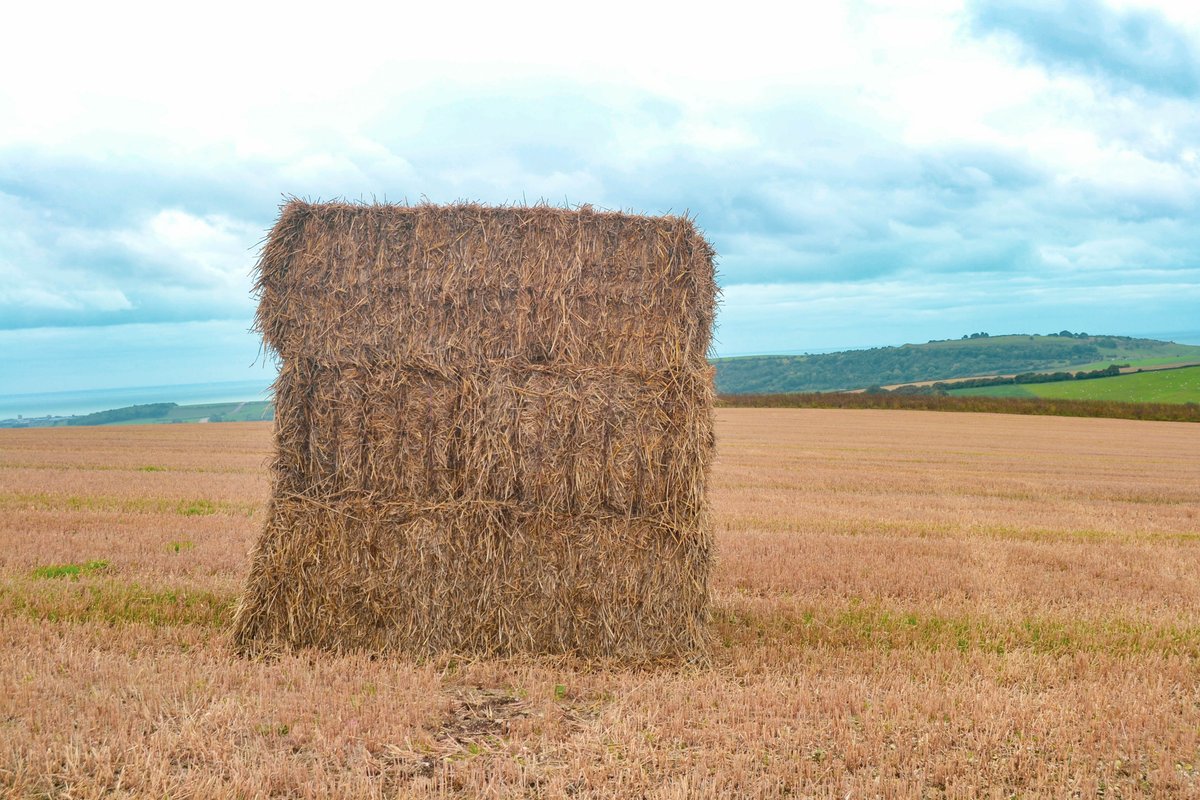
This is how hard it is to find a needle in a haystack

We asked a statistics expert how difficult it would be to find a needle in a haystack—the answer is: just as hard as you think

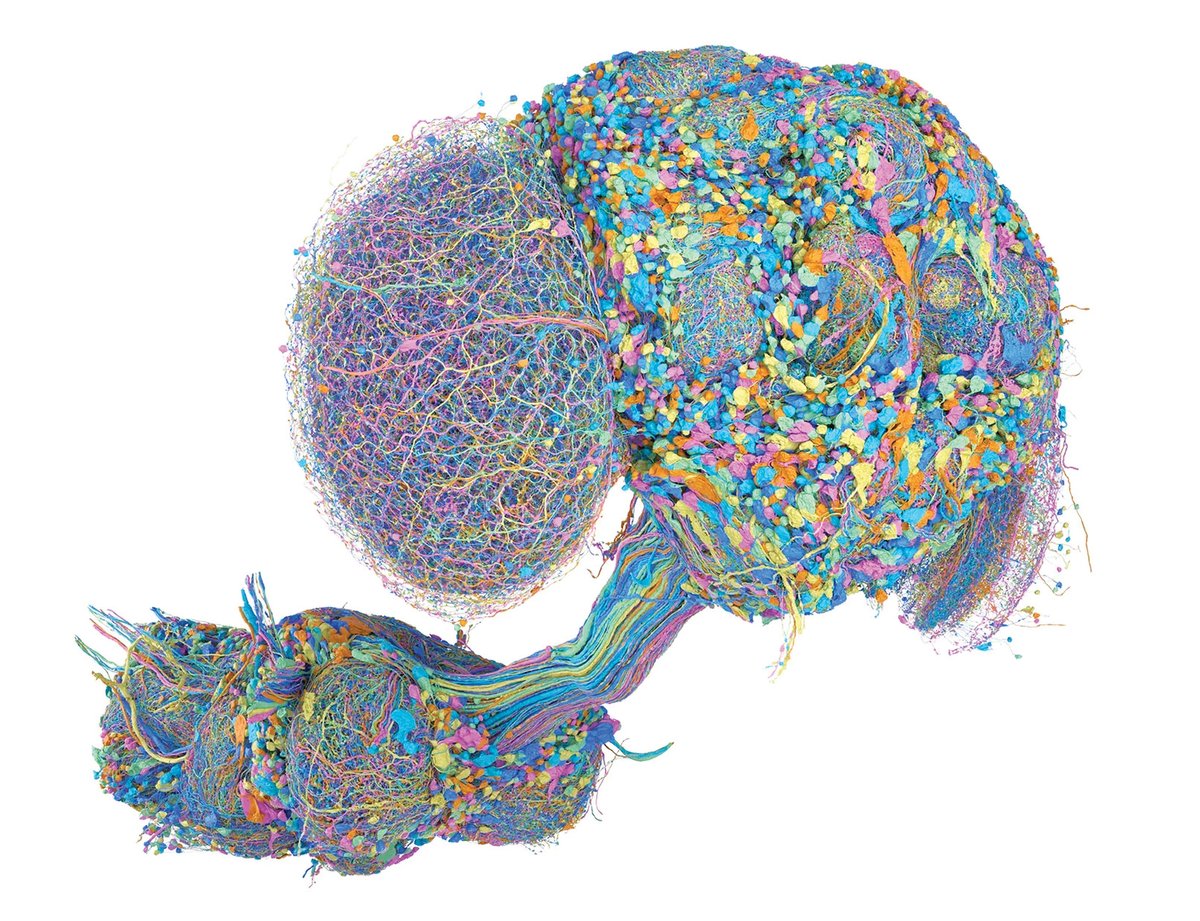
Virtual fruit fly brains can play Doom and trade bitcoin

Researchers created a new map of the fruit fly brain. Then the Internet found it

Scientist Pankaj

Why Starship's Flight 15 is so important to SpaceX

Watch SpaceX attempt a historic Starship l...