Nvidia provides almost all the major AI labs with semiconductor chips ͏ ͏ ͏ ͏ ͏ ͏ ͏ ͏ ͏ ͏ ͏ ͏ ͏ ͏ ͏ ͏ ͏ ͏ ͏ ͏ ͏ ͏ ͏ ͏ ͏ ͏ ͏ ͏ ͏ ͏ ͏ ͏ ͏ ͏ ͏ ͏ ͏ ͏ ͏ ͏ ͏ ͏ ͏ ͏ ͏ ͏ ͏ ͏ ͏ ͏ ͏ ͏ ͏ ͏ ͏ ͏ ͏ ͏ ͏ ͏ ͏ ͏ ͏ ͏ ͏ ͏ ͏ ͏ ͏ ͏ ͏ ͏ ͏ ͏ ͏ ͏ ͏ ͏ ͏ ͏ ͏ ͏ ͏ ͏ ͏ ͏ ͏ ͏ ͏ ͏ ͏ ͏ ͏ ͏ ͏ ͏ ͏ ͏ ͏ ͏ ͏ ͏ ͏ ͏ ͏ ͏ ͏ ͏ ͏ ͏ ͏ ͏ ͏ ͏ ͏ ͏ ͏ ͏ ͏ ͏ ͏ ͏ ͏ ͏ ͏ ͏ ͏ ͏ ͏ ͏ ͏ ͏ ͏ ͏ ͏ ͏ ͏ ͏ ͏ ͏ ͏ ͏ ͏ ͏ ͏ ͏ ͏ ͏ ͏ ͏
November 12, 2026—What the Nvidia scandal means for the future of AI. Plus, we do a deep dive on how uranium enrichment works, and explore the evidence supporting microdosing GLP-1s for longevity.
—Andrea Gawrylewski,
Chief Newsletter Editor
|
|
Jensen Huang, pictured in 2023. glen photo/Shutterstock
|
|
-
This morning, Jensen Huang, co-founder and CEO of Nvidia, resigned after admitting to having a relationship with a woman who is an alleged Chinese spy. The company is the single most integral player in the artificial intelligence boom, and this shakeup could change the course of the technology, experts say. | 3 min read
-
Small clumps of rock and metal in the deep ocean known as “polymetallic nodules” are teeming with life, according to new research. This could impact plans to extract them by deep-sea miners. | 2 min read
-
In less than a year, AI has transformed mathematics and thrown the field into chaos. Scientists from across the sciences tell Scientific American that science itself is on the cusp of massive change. | 7 min read
-
Tiny doses of GLP-1s are being marketed (and sold) as antiaging drugs. But is there any evidence to support it? | 4 min read
-
Why did a Brooklyn apartment building collapse? Experts say it may have been caused by a failure to properly shore up soil at a neighboring construction site. | 3 min read
|
|
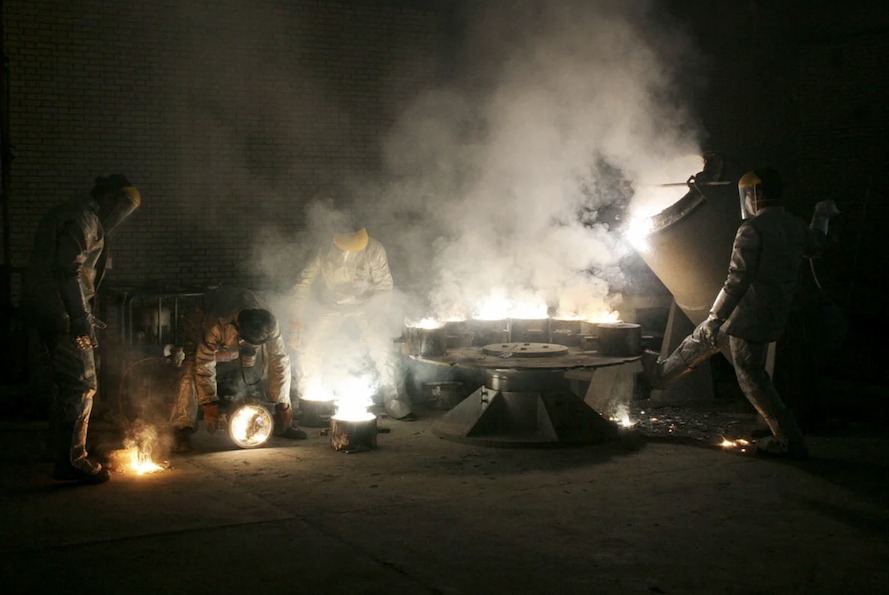
Workers operate inside of a uranium conversion facility just outside the city of Isfahan, Iran, on March 30, 2005. .Getty Images
|
|
How Uranium Enrichment Works
The ongoing war in Iran has centered on nuclear issues, including the enrichment of uranium. Uranium enrichment is vital for nuclear power plants, but is also crucial for building nuclear weapons. This process purifies uranium to increase the concentration of the isotope uranium-235—the rarer kind of uranium, rather than the more common, heavier U-238. (The difference is in the number of neutrons per atom—the usual variety has three more.) Power plants require enriched fuel only 3 to 4 percent U-235. Weapons, on the other hand, need a much higher concentration—90 percent—to spark an uncontrolled reaction.
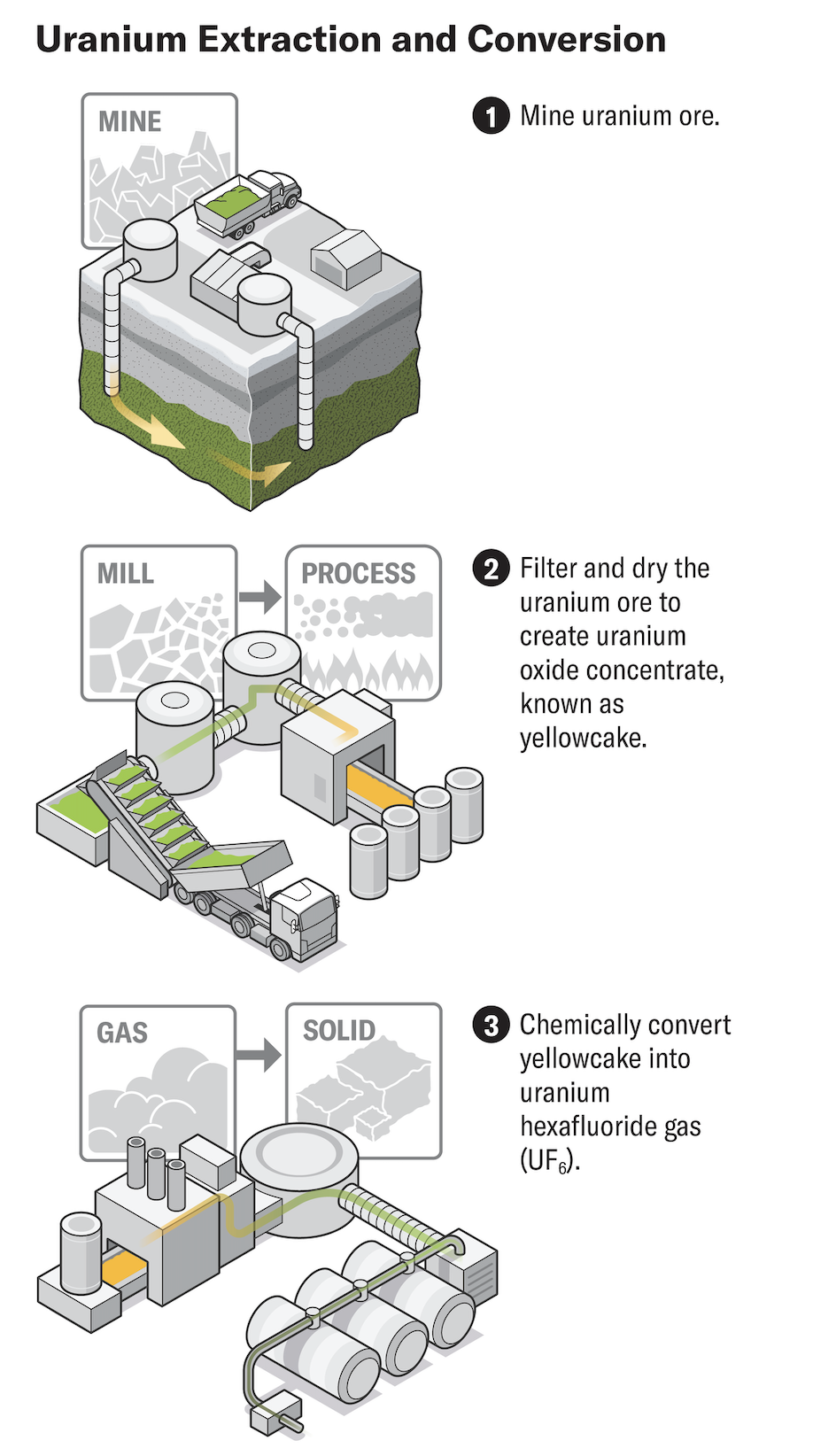
How it works: Enriching uranium occurs in stages. Step one is to mine the uranium, usually using a method called in situ leaching in which a fluid is pumped into the ground to dissolve uranium and the resulting liquid is drawn up to the surface. That liquid is filtered and dried to create uranium oxide concentrate, called yellowcake. A chemical process converts yellowcake into uranium hexafluoride gas (UF6).
|
|
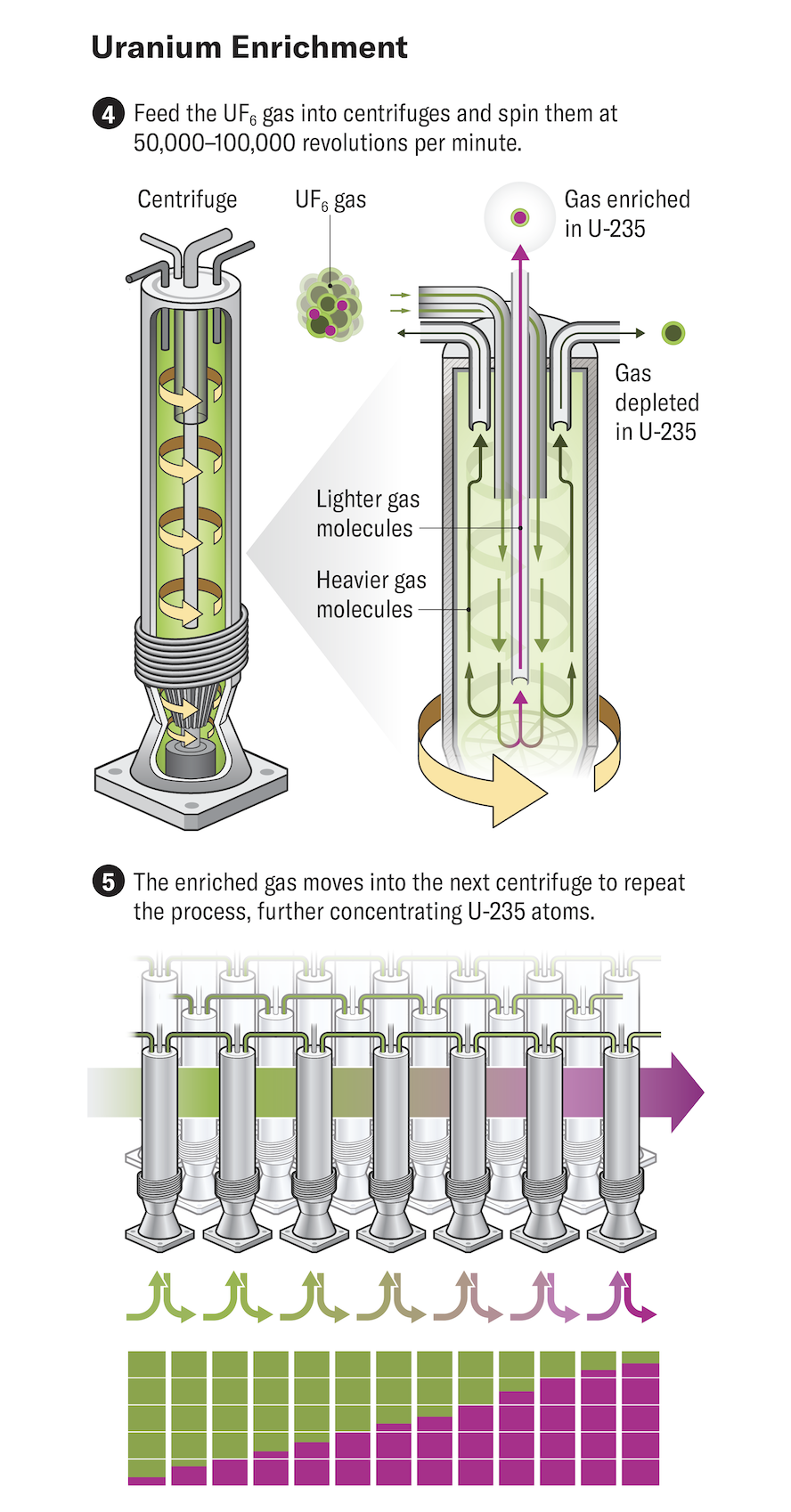
The UF6 gas is fed into centrifuges where spinning forces push heavier molecules containing U-238 to the outer edges of the centrifuge. Remaining gas with a higher share of lighter U-235 atoms separates out and rises up in the chamber. The U-235-enriched gas moves into one centrifuge after another where the process is repeated until the concentration of the gas reaches about 3-4 percent (suitable for nuclear power) or 90 percent (for the standard nuclear bomb).
|
|
|
|
|
Enriched gas can be converted to a metal form and shaped into spheres that can be used in nuclear devices.
Future stores: Uranium is a relatively common metal found in rocks and seawater. The world's present measured resources are about 5.8 million metric tons and are enough to last for roughly 85 years at current demand and price levels, according to the World Nuclear Association. Engineers are trying to figure out how to extract uranium from seawater, which holds 4.5 billion tons of uranium—a more than sufficient supply to meet the needs of nuclear energy on a global scale for thousands of years.
|
|
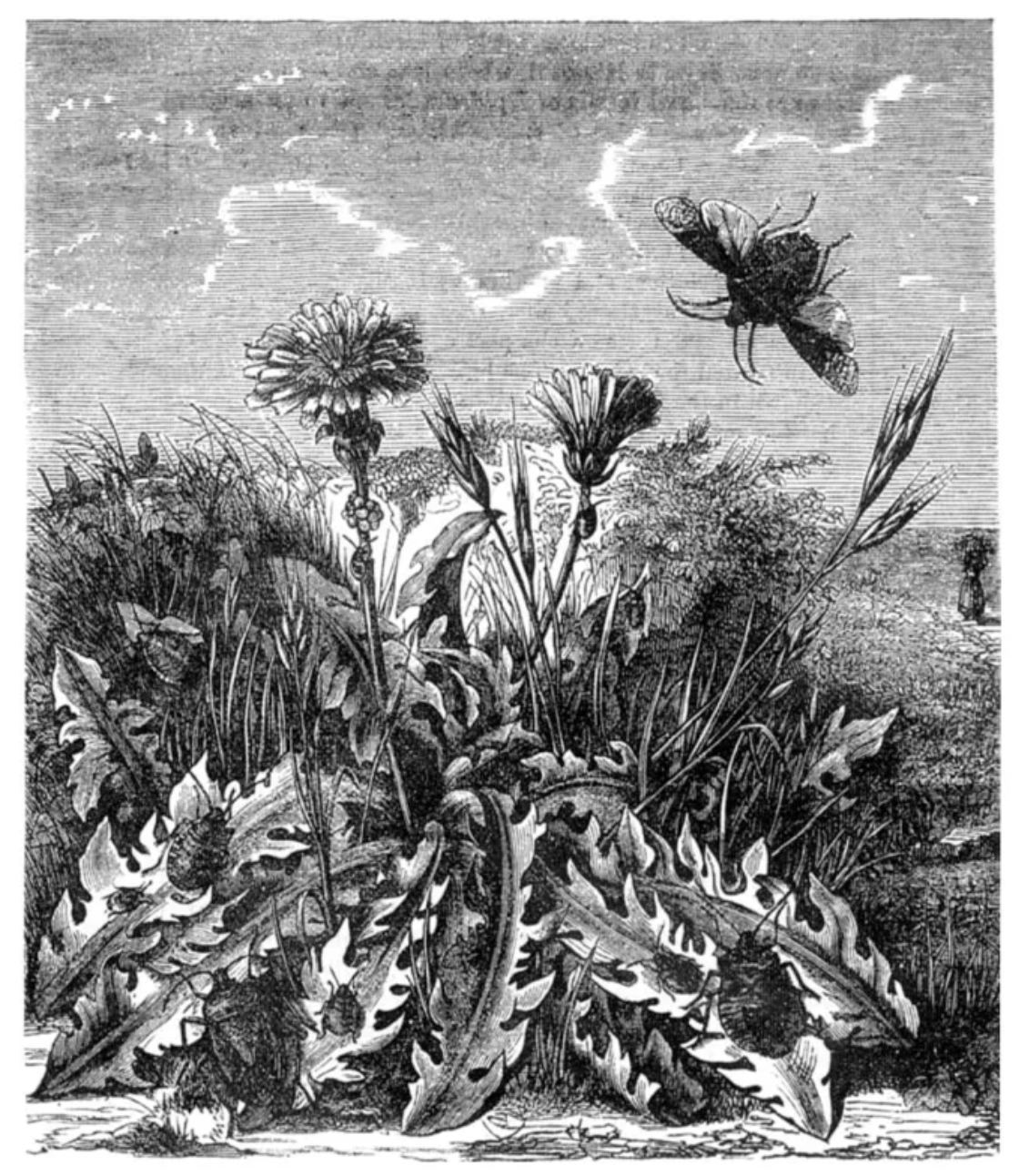
Scientific American, Vol. 35, No. 19; November 4, 1876
|
|
From the November 1876 issue: “This illustration shows Pentatoma grisea [now called Elasmucha grisea], a type of wood bug. These insects can be seen on the boughs of trees, the young following their parent like chickens after a hen.”
|
|
If you’ve read this far, your brain probably wants a subscription. Help support this newsletter and get unlimited access to Scientific American: 90 days for just $1.
|
|
So far my favorite take on the whole sordid Nvidia affair is this essay in the New York Times by author Anand Giridharadas, who writes that Jensen's biggest betrayal is of the leather jacket community, which is in upheaval: "Those of us in the midlife leather-clad community must face what T.S. Eliot called an 'overwhelming question,'" he writes. "Do we accessory pivot? Cede the leather jacket to a delusional man trying desperately to look young? Or do we insist that we were that man long before him?"
|
|
Are you keeping your leather jacket? Let me know and send any other feedback on this newsletter to: newsletters@sciam.com.
—Andrea Gawrylewski,
Chief Newsletter Editor
|
|
|
|
|
Subscribe to this and all of our newsletters here.
|
|
Scientific American
1000 N West Street, Suite 1200
|
|
|
|
|