Friday, November 13, 2026

Space & Physics: AI ate math. Is science next?

Plus, did astronomers just see Planet Nine?                    

November 12—This week, our top story asks a tough question: After this year’s AI-powered disruption of mathematics, when will the same thing happen to science? The answer is more complicated—and uncertain—than you might think. Elsewhere, we have stories on a claimed glimpse of Planet Nine, fresh details about NASA’s nuclear-powered moon rover, the math of finding a needle in a haystack and more. Enjoy!

Thoughts? Questions? Let me know via e-mail (lbillings@sciam.com), X or Bluesky.

—Lee Billings, Senior Editor, Physical Sciences

Top Stories
After math, will AI upend science, too?

Mathematicians will remember 2026 as the year AI changed everything about their field. Scientists may be next in line for disruption

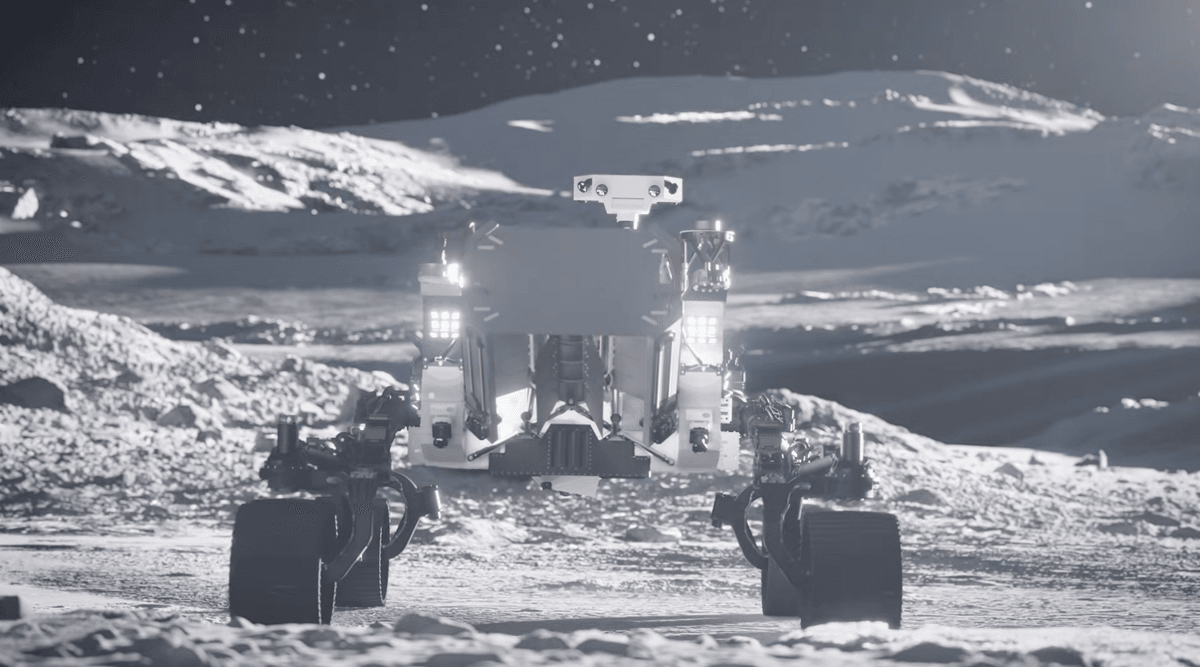
NASA reveals new lunar rover, PROMISE, to launch to moon in 2028

At a press event on Saturday, the agency’s officials stressed that rovers and other infrastructure will be critical to ensuring human survival on the moon

Travel with Scientific American
Space Academy VIP Experience

Enjoy a VIP space experience at the U.S. Space & Rocket Center in Huntsville, Alabama, with Scientific American editor Emma Gometz. Meet scientists, train like an astronaut, and hear from the Blue Origin team. Meet retired NASA astronaut Robert Lee “Hoot” Gibson and hear firsthand space stories. Spaces are limited; book today!  

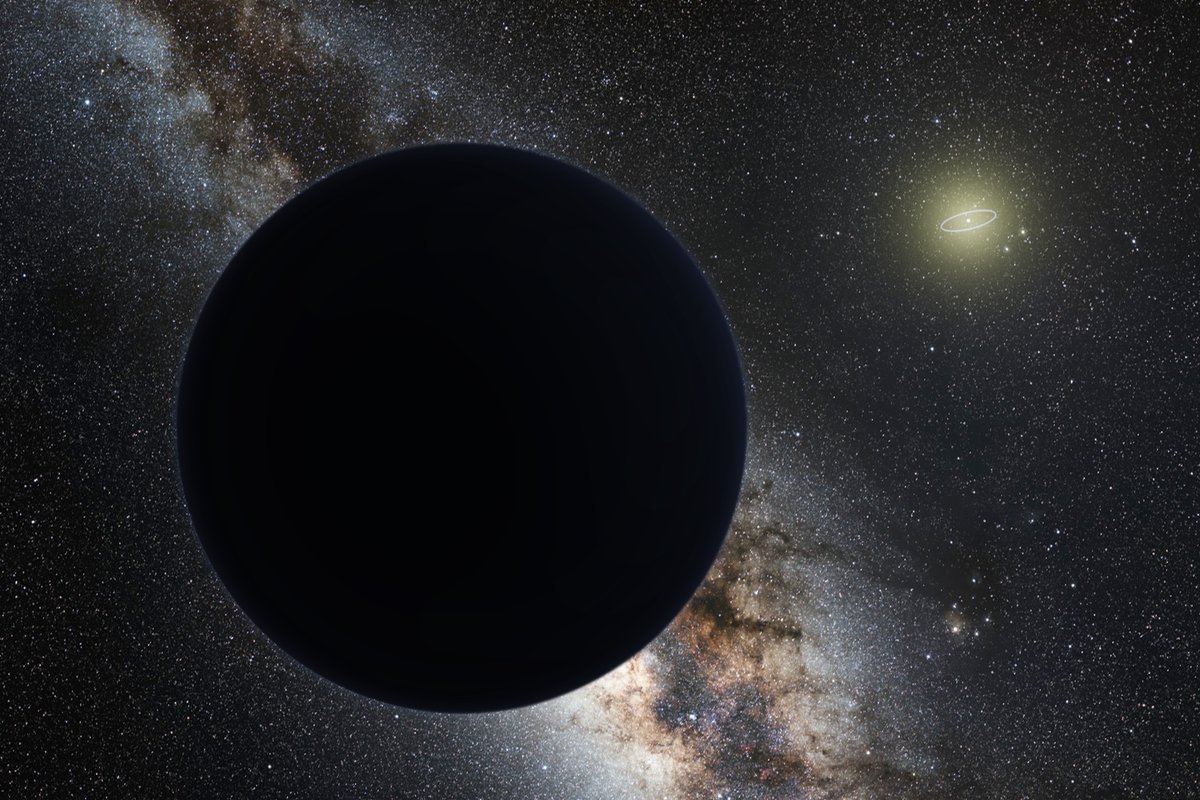
Have astronomers spotted Planet Nine?

Archived observations appear to show a moving object in the far-distant outer solar system, but its reality is unclear

Scientists confirm OpenAI’s blockbuster quantum physics result

The company’s appointed team of experts has verified and released the groundbreaking AI-generated proof, which validates bedrock assumptions of the Standard Model of particle physics

Immerse yourself in the newest space updates with a subscription to Scientific American. Get 90 days for just $1!
Nothing can be fully transparent, physicists discover

Quantum researchers show how materials inevitably absorb light

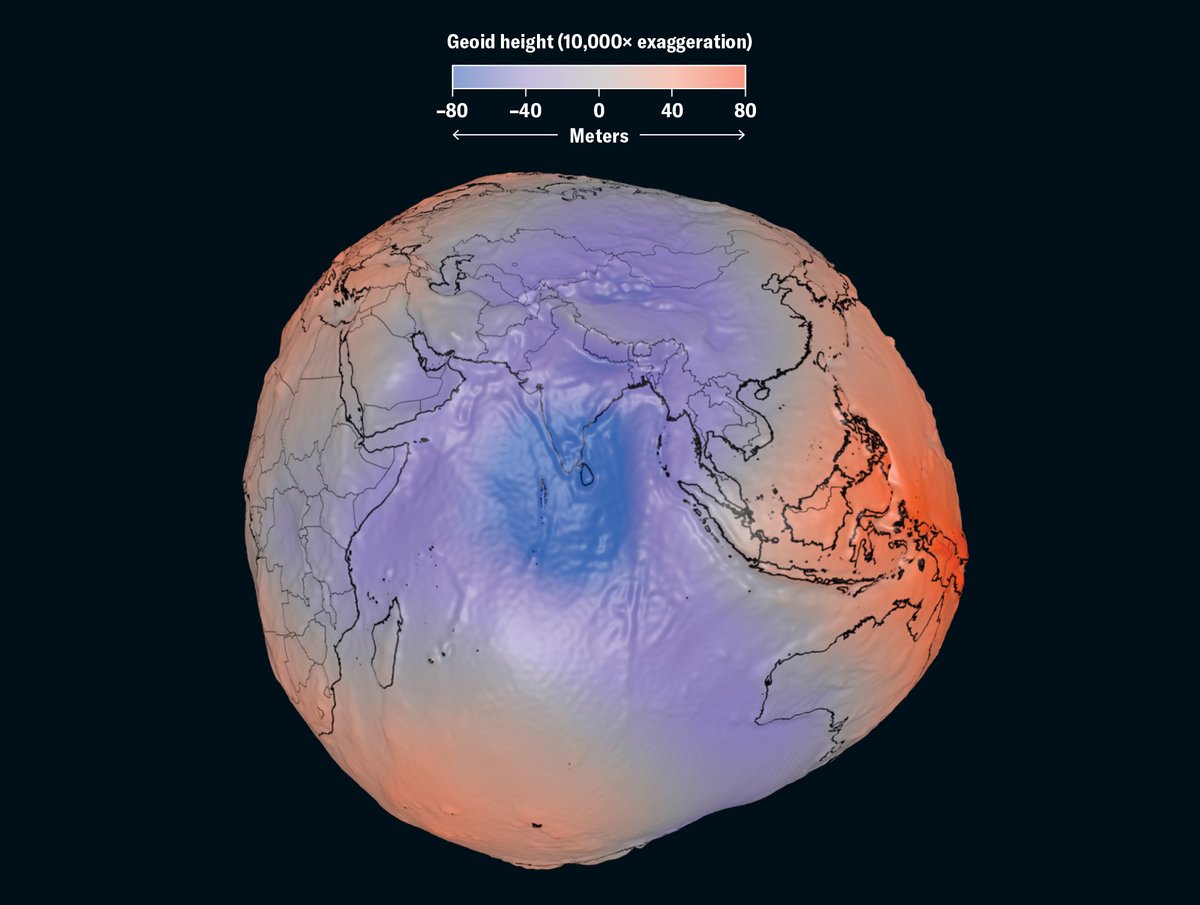
Mountain heights across the country are about to change. Gravity is to blame

A national system that defines where things are across the country will get a complete overhaul

Was Isaac Newton’s contribution to calculus stolen?

Newton accused Gottfried Wilhelm Leibniz, another mathematical giant of the time, of stealing the concept of infinitesimals. Here’s the real story

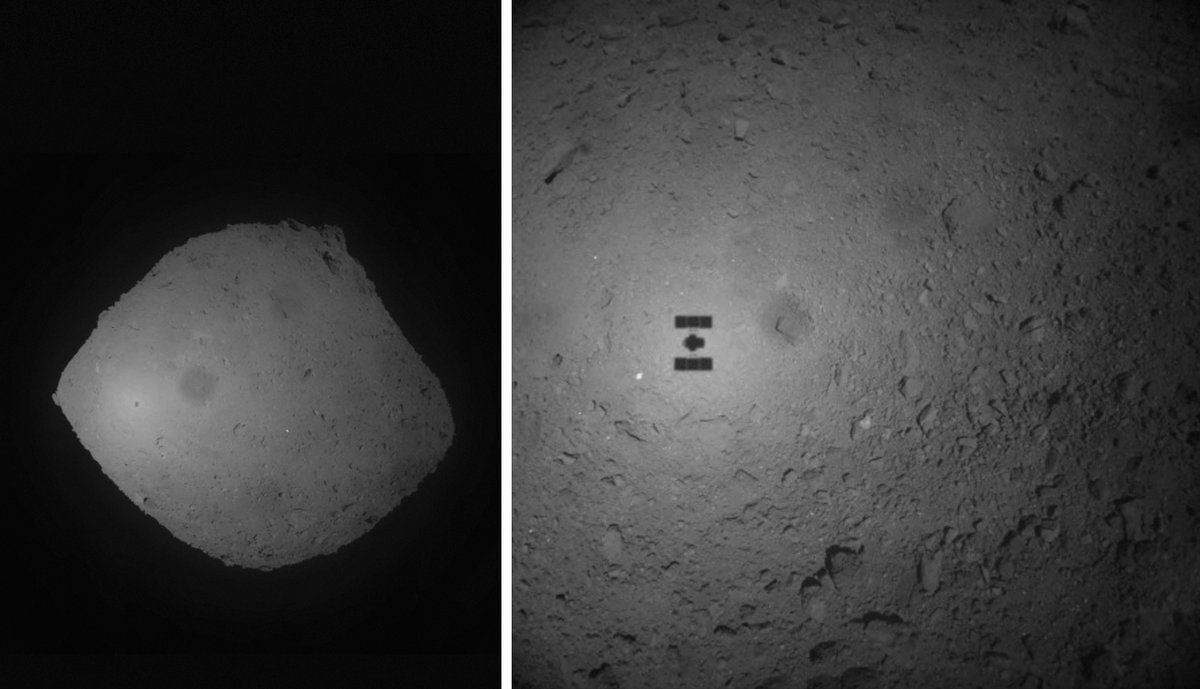
This asteroid was born at the dawn of the solar system

Ryugu might have formed in the very first generation of planetary building blocks

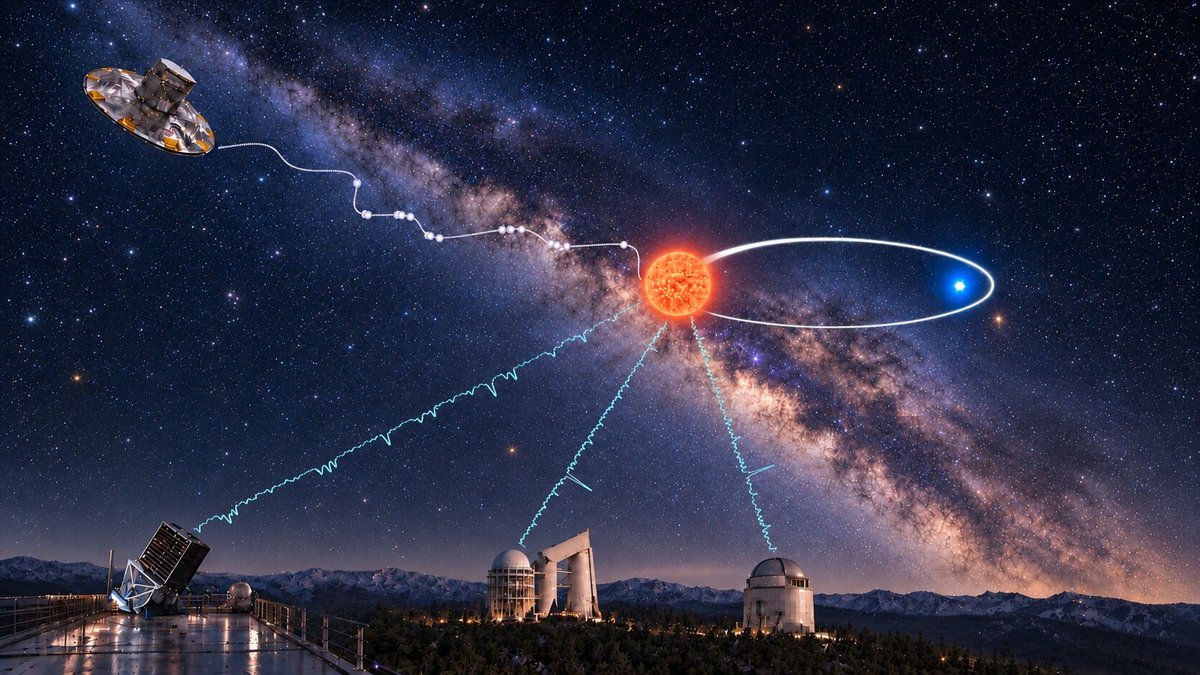
Newfound invisible object in space could be a rare supermassive neutron star

Astronomers saw something strange in a distant star system—or rather what’s strange is what they didn’t see. Solving the mystery could reveal new astrophysics

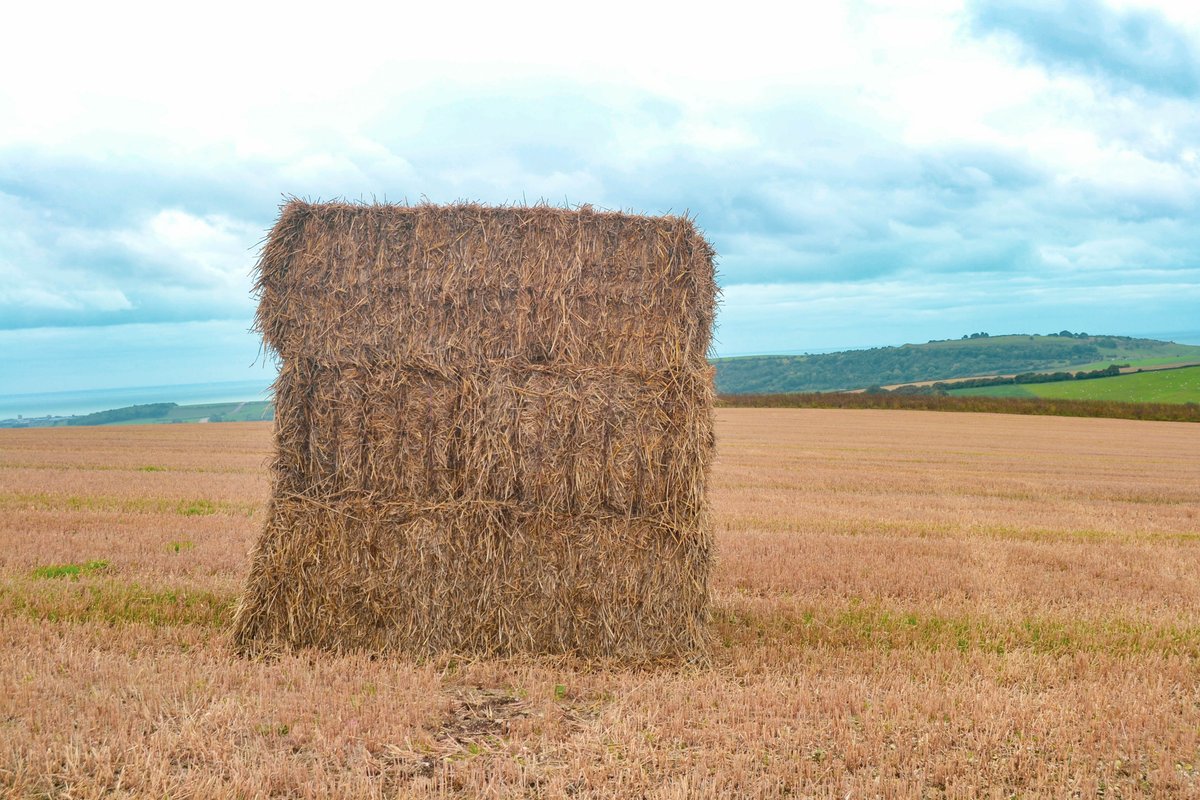
This is how hard it is to find a needle in a haystack

We asked a statistics expert how difficult it would be to find a needle in a haystack—the answer is: just as hard as you think

What We're Reading
  • Is the U.S. Trying to Censor Our View From Space? | The New York Times
  • Pentagon mulls placing fleet of military satellites around the Moon | Ars Technica
  • Vast data dump from Euclid space telescope reveals stunning galaxies | New Scientist

From the Archive
If AI can do math, what’s the point of mathematicians?

What happens when machines surpass the most brilliant human minds? Mathematicians are finding out

Scientist Pankaj

What the Nvidia scandal means for AI

Nvidia provides almost all the major AI labs with semiconductor chips ͏  ͏  ͏  ͏  ͏  ͏  ͏  ͏  ͏  ͏  ͏  ͏  ͏  ͏  ͏  ͏  ͏  ͏  ͏  ͏  ͏  ͏  ͏  ͏...