Eliminating measles 26 years ago was a public health victory ͏ ͏ ͏ ͏ ͏ ͏ ͏ ͏ ͏ ͏ ͏ ͏ ͏ ͏ ͏ ͏ ͏ ͏ ͏ ͏ ͏ ͏ ͏ ͏ ͏ ͏ ͏ ͏ ͏ ͏ ͏ ͏ ͏ ͏ ͏ ͏ ͏ ͏ ͏ ͏ ͏ ͏ ͏ ͏ ͏ ͏ ͏ ͏ ͏ ͏ ͏ ͏ ͏ ͏ ͏ ͏ ͏ ͏ ͏ ͏ ͏ ͏ ͏ ͏ ͏ ͏ ͏ ͏ ͏ ͏ ͏ ͏ ͏ ͏ ͏ ͏ ͏ ͏ ͏ ͏ ͏ ͏ ͏ ͏ ͏ ͏ ͏ ͏ ͏ ͏ ͏ ͏ ͏ ͏ ͏ ͏ ͏ ͏ ͏ ͏ ͏ ͏ ͏ ͏ ͏ ͏ ͏ ͏ ͏ ͏ ͏ ͏ ͏ ͏ ͏ ͏ ͏ ͏ ͏ ͏ ͏ ͏ ͏ ͏ ͏ ͏ ͏ ͏ ͏ ͏ ͏ ͏ ͏ ͏ ͏ ͏ ͏ ͏ ͏ ͏ ͏ ͏ ͏ ͏ ͏ ͏ ͏ ͏ ͏ ͏
November 17, 2026—A mental health benefit from Neanderthal DNA, existential anxiety among mathematicians and a huge blow to public health.
—Robin Lloyd, Contributing Editor
|
|
Natalya_Maisheva/Shutterstock
|
|
-
The U.S. has officially lost its measles elimination status. The Pan American Health Organization’s announcement comes amid a widespread measles outbreak across the U.S. | 3 min read
-
A segment of Neanderthal DNA correlates with a lower risk of schizophrenia in modern humans. Scientists continue to tease out the legacy of interbreeding between anatomically modern humans and Neanderthals. | 2 min read
-
One of the night sky’s most storied stars, Betelgeuse may be poised to engulf its potential “Betel-buddy” companion. The event could release a brilliant eruption a few millennia down the road. | 3 min read
-
Infinitesimals are essential to calculus. But are they even real? | 4 min read
-
I TKTK. | x min read
|
|
Illustration by Alex Eben Meyer
|
|
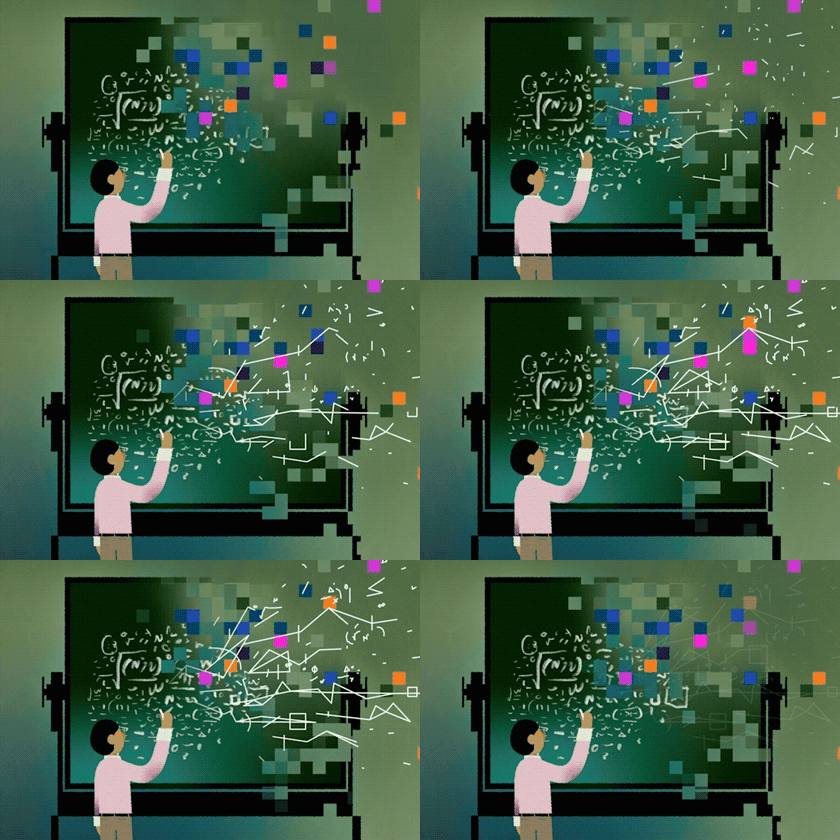
The End of Math as We Know It?
At the beginning of 2026, AI was regularly churning out helpful proofs of minor, unsolved problems. But by the end of summer, it had resolved some of the biggest unsolved problems in math, including the Navier-Stokes equation and Jacobian conjecture. These were problems that mathematicians have been working on for decades without solutions. Our senior reporter Joe Howlett has been covering these incredible developments all year, and he and many scientists think that what’s happening in math with AI will happen in many other professions in the coming years. Chief Newsletter Editor Andrea Gawrylewski sat down with Joe to talk about his cover story on this topic, which is out today.
Andrea Gawrylewski: You’ve been following AI’s advances in mathematics for some time. What has changed most dramatically in the past year—not just in what AI can do, but in how mathematicians are responding to it?
Joe Howlett: A year ago, math didn’t look so different from how it did a hundred years ago, or two hundred. Now it’s unrecognizable. AI is regularly being used to break mathematical ground where humans had struggled in vain for decades. The community has gone from largely doubting whether AI would even be a useful tool, to engaging in lengthy and heated debate on how to rein in tech’s messy intrusion into their field.
AG: Math has traditionally rewarded originality, ingenuity and individual achievement. How might AI upend the culture and values of the field, particularly for the next generation of mathematicians?
JH: A lot of math’s focus has been on rewarding mathematicians who solve famous open problems—the thing AI is now doing every week. Prizes and hiring committees will have to figure out a whole new paradigm for deciding what defines mathematical talent, and how to train the next generation when AI can do their homework for them.
AG: If AI can increasingly solve problems that once defined the pinnacle of mathematical achievement, what will mathematicians value most in the future?
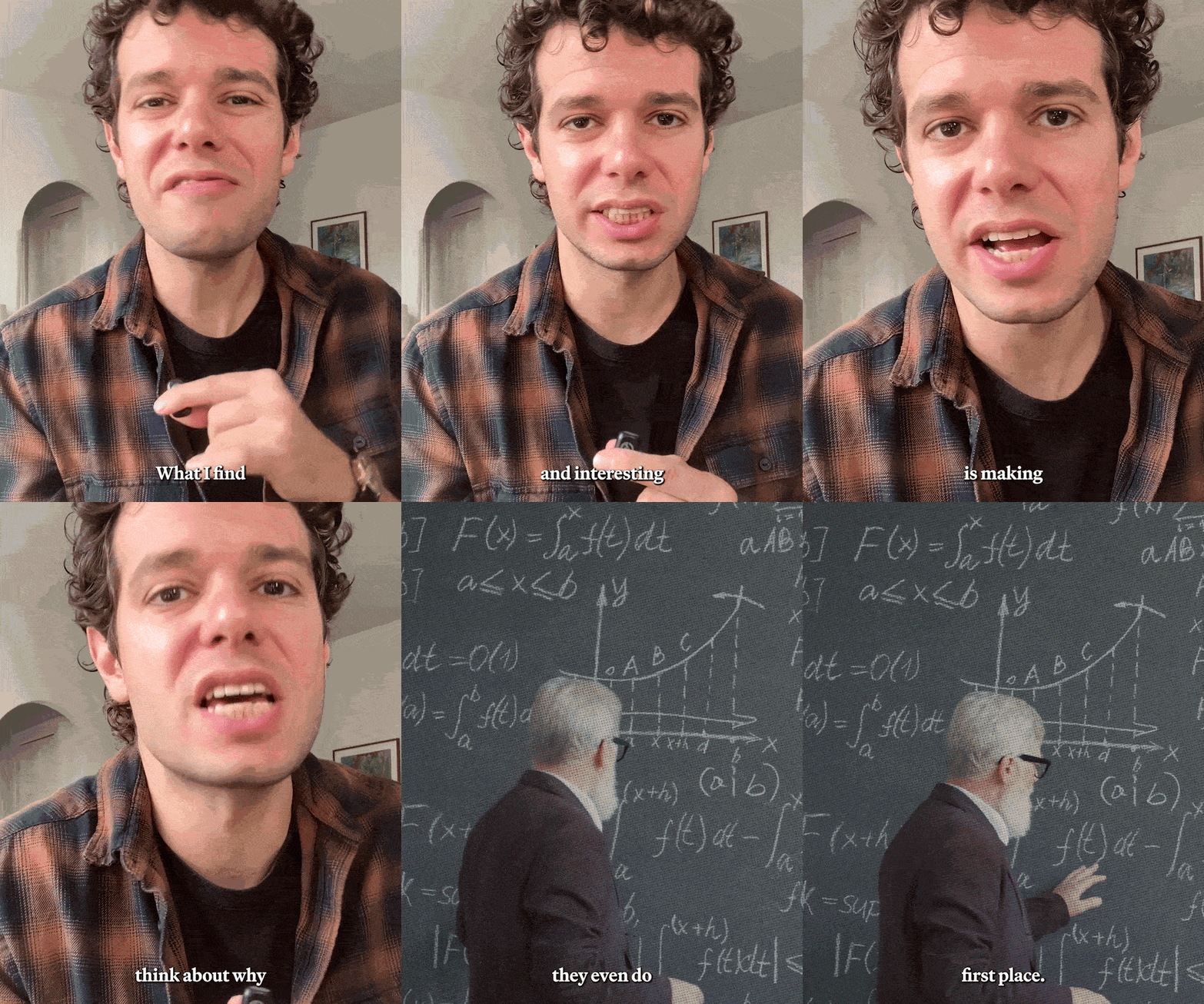
JH: Emphasis is already shifting toward making sense of proofs’ mathematical significance, building new theories, and coming up with more questions for AI-assisted mathematicians to answer. Mathematicians are emphasizing that understanding as the currency of their discipline, rather than proofs.
Click through to listen to Joe give more backstory on the radical transformation of mathematics and what's surprised him most:
|
|
Join the discussion: Do you feel differently about a major scientific advancement when you learn that AI played a role in it? Why or why not? Share your thoughts here.
|
|
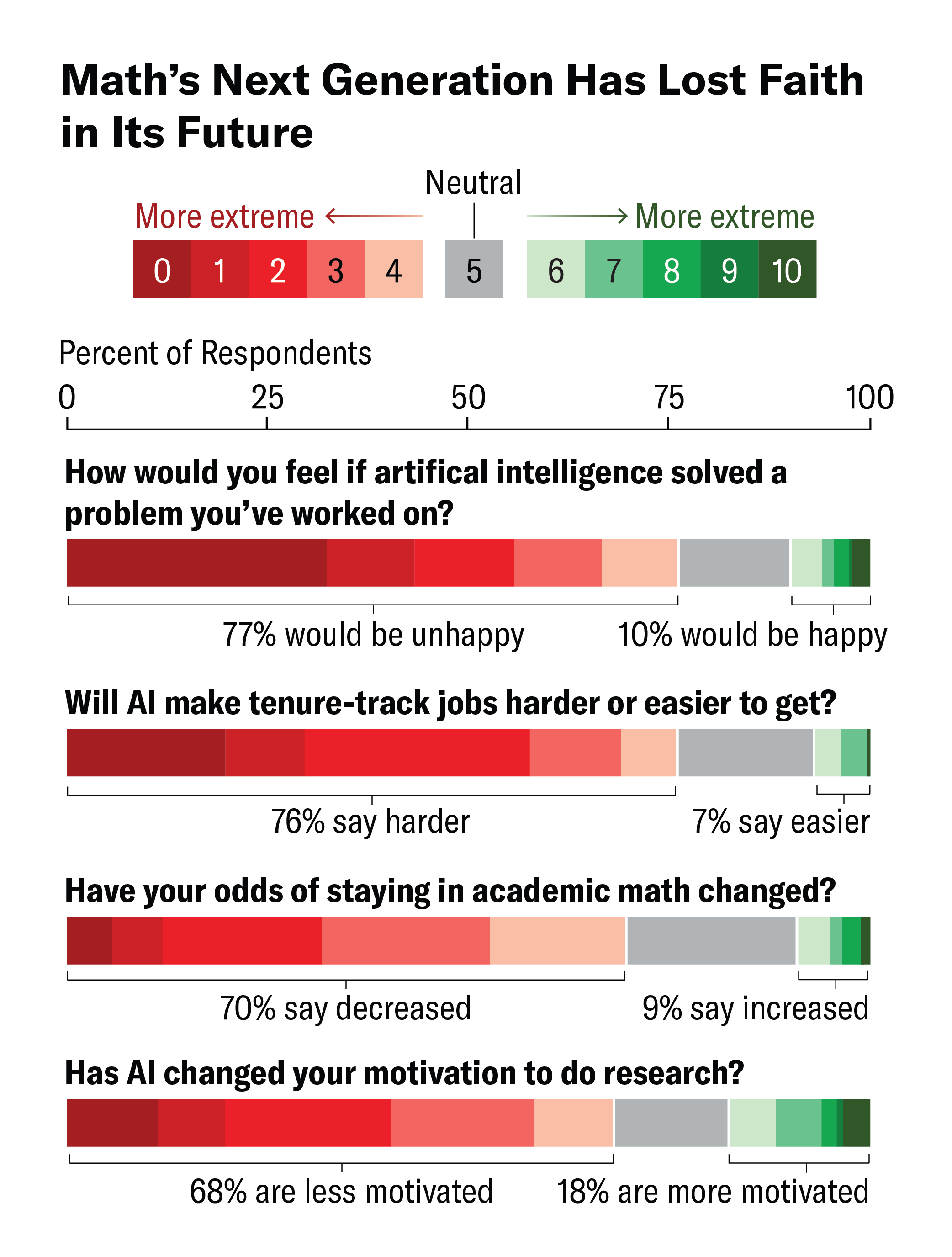
AI models have been churning out a steady stream of proofs, surpassing human mathematicians in solving some of the biggest questions in math. It’s left some in the field wondering what role humans will play in the future of math. A group of three math Ph.D. students launched an online survey to take the field’s pulse on AI. The 268 responses from nearly 60 institutions paint a stark picture of a community in limbo: largely frustrated and anxious but divided on what to do about it.
—Emma Gometz, Newsletter Editor
|
|
Sanidhya Sharma; Source: “Early Career Researchers’ Responses to AI in Math,” by Anna Brandenberger, Hanna Mularczyk and Dora Woodruff. Version 2. Preprint posted to arXiv.org on November 4, 2026
|
|
|
|
|
|
TRAVEL WITH SCIENTIFIC AMERICAN
|
|
Explore Earth’s Eruptive History: Volcanoes of Italy
Take an extraordinary trip to the Mexican mountains to witness the annual monarch butterfly migration. Hike into oyamel fir forests and see them transformed into living tapestries with Chief Newsletter Editor Andrea Gawrylewski as your guide. Last chance, only TWO seats left!
|
|
|
|
|
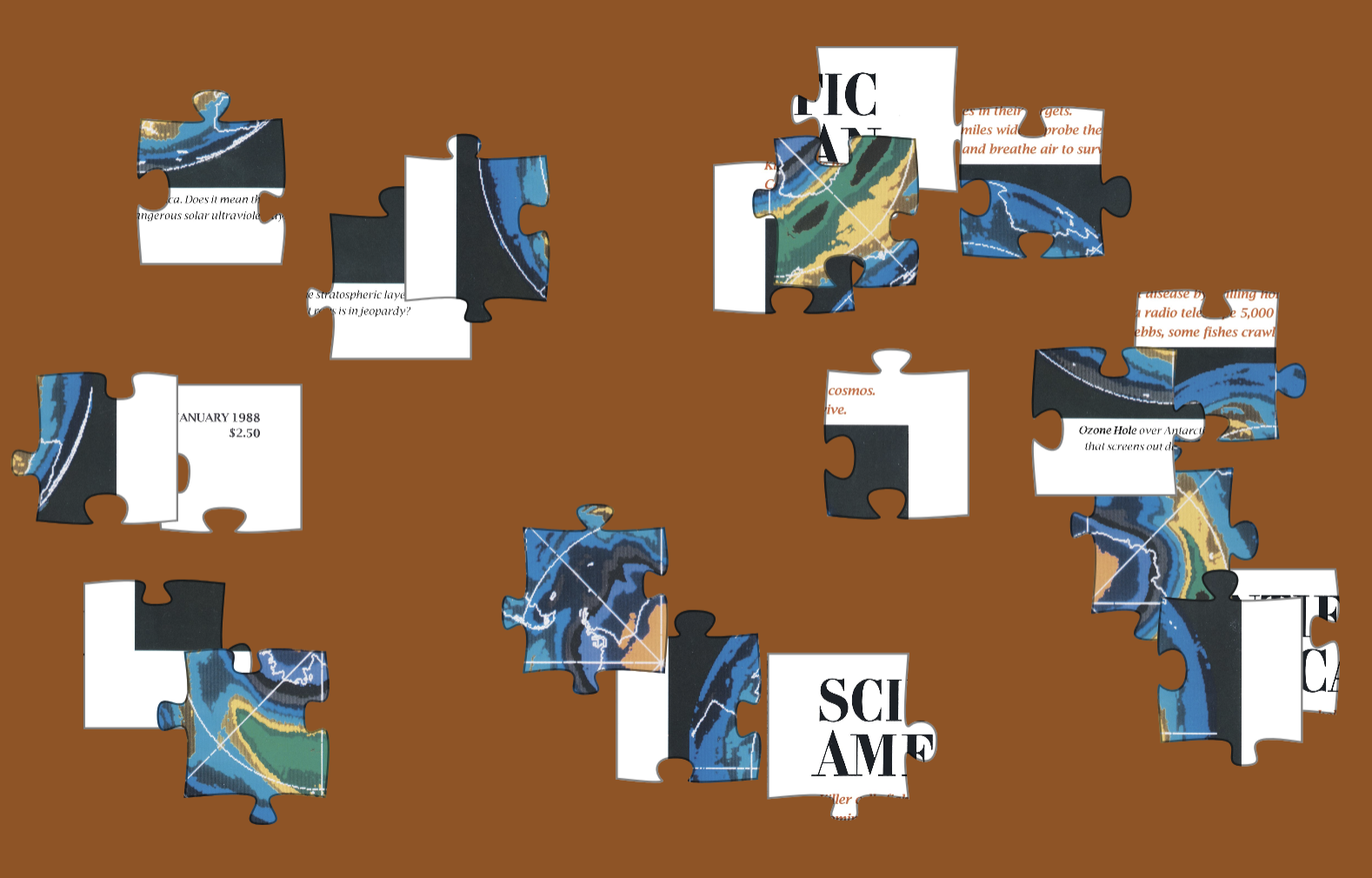
Can you reassemble this image of our January 1988 cover? It shows a map, based on satellite data, of ozone levels in the atmosphere over the Southern Hemisphere on October 15, 1987.
|
|
Every subscription helps fund the science reporting and stories behind this newsletter. Start your Scientific American subscription: 90 days for just $1.
|
|
The December issue of Scientific American is live online today! Along with the above "End of Math" cover story that Andrea Gawrylewski interviewed Joe Howlett about, we have stories on the psychology of cover-ups, a deadly biological mystery and the fight over how the Grand Canyon really formed. Hope you can take a look soon.
|
|
We always like to hear from you. Please send your thoughts and feedback to us at: newsletters@sciam.com. See you tomorrow!
—Robin Lloyd, Contributing Editor
|
|
|
|
|
Subscribe to this and all of our newsletters here.
|
|
Scientific American
1000 N West Street, Suite 1200
|
|
|
|
|