Without free will, do acts of kindness have the same meaning? ͏ ͏ ͏ ͏ ͏ ͏ ͏ ͏ ͏ ͏ ͏ ͏ ͏ ͏ ͏ ͏ ͏ ͏ ͏ ͏ ͏ ͏ ͏ ͏ ͏ ͏ ͏ ͏ ͏ ͏ ͏ ͏ ͏ ͏ ͏ ͏ ͏ ͏ ͏ ͏ ͏ ͏ ͏ ͏ ͏ ͏ ͏ ͏ ͏ ͏ ͏ ͏ ͏ ͏ ͏ ͏ ͏ ͏ ͏ ͏ ͏ ͏ ͏ ͏ ͏ ͏ ͏ ͏ ͏ ͏ ͏ ͏ ͏ ͏ ͏ ͏ ͏ ͏ ͏ ͏ ͏ ͏ ͏ ͏ ͏ ͏ ͏ ͏ ͏ ͏ ͏ ͏ ͏ ͏ ͏ ͏ ͏ ͏ ͏ ͏ ͏ ͏ ͏ ͏ ͏ ͏ ͏ ͏ ͏ ͏ ͏ ͏ ͏ ͏ ͏ ͏ ͏ ͏ ͏ ͏ ͏ ͏ ͏ ͏ ͏ ͏ ͏ ͏ ͏ ͏ ͏ ͏ ͏ ͏ ͏ ͏ ͏ ͏ ͏ ͏ ͏ ͏ ͏ ͏ ͏ ͏ ͏ ͏ ͏ ͏
November 25, 2026—The U.S. army just detonated five tons of lead azide in Iowa. Plus, the emptiness that can follow when a legendary math problem is solved. And we bring a little science to Thanksgiving.
—Andrea Gawrylewski,
Chief Newsletter Editor
|
|
A sign identifying the Iowa Army Ammunition Plant sits inside a fence surrounding the facility on November 19, 2026, in Middletown, Iowa. Photo by Scott Olson/Getty Images
|
|
-
This morning, the U.S. Army detonated five tons of lead azide, an explosive used in munitions manufacturing, at a site in Iowa. Toxic material released by the blast could travel for miles, posing health risks to people in parts of Iowa and neighboring Missouri, experts say. | 3 min read
-
Thanksgiving comes less than two weeks after an historic ground stop and numerous tech outages. We asked experts: Will it be safe to fly? | 3 min read
-
Despite international prohibitions on placing nuclear weapons in orbit, Russia may launch an antisatellite nuclear weapon into orbit by the end of the year. | 4 min read
-
Last Friday, when Anthropic mathematician Levent Alpöge said he had proved the Riemann hypothesis using AI, the news should have been cause for celebration. Instead, it's left some who have long been captivated by the legendary math problem feeling a little empty. | 3 min read
-
A new Broadway musical called Galileo opens in December and sets the life of pioneering 17th-century astronomer Galileo Galilei to music. We spoke with one of the show's composers to learn how they turned science into song. | 6 min read
|
|
Martine Severin/Getty Images
|
|
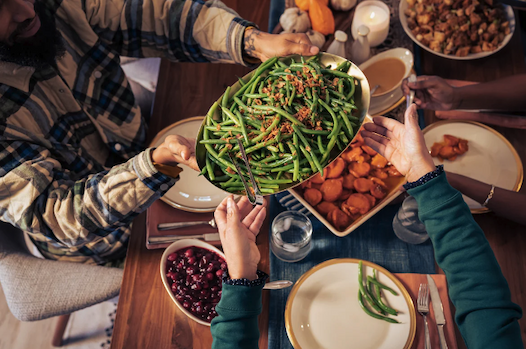
The Science of Thanksgiving
If you're a longtime reader of Today in Science, you'll know there's a particular phrase I come back to regularly: Science is everywhere. And that includes your holiday table. Read on for science-backed facts on the history of Thanksgiving, the best time to eat your feast, the psychological basis of gratitude, and more.
The history: In November 1620, the Pilgrims landed on what is now Cape Cod. That first winter was rough. Half of those who had arrived on the Mayflower died, leaving only 50 colonists. Meanwhile, distrust ran high between the Pilgrims and the native Wampanoag people. By the next year, things had improved for the colonists, largely thanks to help from the Wampanoag. The colonists enjoyed the benefits of living in an area whose ecosystem likely had been substantially engineered by the Indigenous people, according to historical records and environmental scientists. What we now call the first Thanksgiving was a three-day feast, attended by a small group of pilgrims of the Plymouth Colony and the neighboring Wampanoag people. That meal would have been bountiful in corn, venison, turkey and other local foods. But violence between Indigenous people and colonial settlers would continue in the coming decades.
The psychology: Many people use Thanksgiving as a day to reflect on what they feel grateful for. Research suggests that one belief can strengthen our feelings of gratitude: the belief in free will. Scientists have shown that our level of gratitude for an act depends on three things: 1) the cost to the benefactor (in time, effort or money), 2) the value of the act to the beneficiary, and 3) the sincerity of the benefactor’s intentions. Imagine if your friend or relative gives you a handmade photo collage of memories. Would you feel quite as grateful if you discovered someone had coerced them into making it, or that they’d made it with AI for free in a matter of seconds? Part of the gift’s value comes from knowing that the giver chose to put in the effort to make it for you.
Join the discussion: What fuels your gratitude? Do you have a tradition of reflecting on all that you are grateful for each Thanksgiving? Share your experience here.
The logistics:
-
Timing. First off, an area of contentious debate: When should we eat Thanksgiving dinner? Some prefer a midafternoon mega meal that counts as lunch and dinner. Others like to keep dinner at dinner time, closer to 6pm. (I won’t be revealing my preference for fear of alienating readers.) Here's what science has to say: “Having a festive meal in the early afternoon is the ideal choice from a biological standpoint because it is a time when the body is better able to handle carbohydrates, fats and large portions,” explains Giovanna Muscogiuri, a professor of medicine at the University of Arizona. Insulin sensitivity and glucose tolerance are typically high in the morning and decline as the day progresses. This means that consuming a lot of carbohydrates and sugars late at night could spike blood glucose more than eating the same meal at lunchtime. Well, there you have it. Don’t shoot the messenger, folks!
Join the discussion: What is the best time for Thanksgiving dinner? Tell us here. And no fighting in the comments.
-
Pie choice: Are you a pie person? We dug into the three classics—pecan, pumpkin and apple—to figure out which yields the highest sugar rush. But don’t fret too much. One slice of pie isn't going to make or break your diet, so enjoy the one you love without anxiety.
-
Leftovers: We spoke to food scientists about how long leftovers last and how to store them safely. Depending on the dish, some foods can last in the fridge for three to five days. But don’t rely on how foods smell to determine if they’re safe to eat—disease-causing bacteria typically do not change food’s smell, flavor or appearance. Read more in this Q&A.
|
|
|
|
|
Black Friday Is Here: Get 50% Off Unlimited
|
|
This Black Friday, get more science, fresh perspectives, and big ideas with 50% off an Unlimited subscription. Explore the stories, discoveries, and insights that matter with a Scientific American subscription. Take advantage of this limited-time offer and enjoy unlimited access to the science that shapes our world.
|
|
|
|
|
Annales des sciences naturelles
|
|
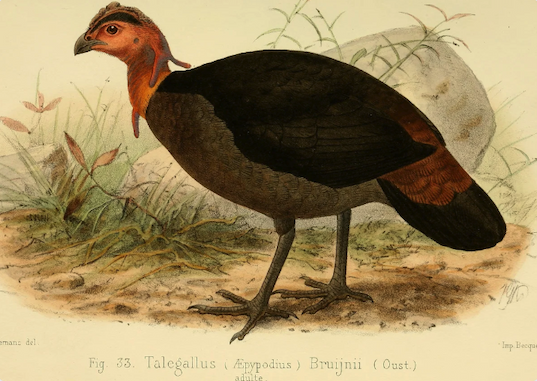
Meet an unusual turkey. The Waigeo brushturkey, aka Bruijn's brushturkey (Aepypodius bruijnii), lives on the rugged, windy mountains of Waigeo Island, part of West Papua in Indonesia. The island is also home to several other endemic species, including the golden-spotted tree monitor and Waigeo cuscus.
The species was believed to be extinct until it was rediscovered in 2002. Since 2008 it's been listed as Endangered on the IUCN Red List. Fewer than 1,000 of these large turkeys are thought to exist, all living in small population pockets. The small population size makes this species particularly vulnerable, but hunting, habitat loss, fire and free-roaming dogs also threaten its survival. Luckily these birds nest in the highest, remotest, least accessible mountains, making them fairly safe, although that also makes it hard for the birds to find each other.
|
|
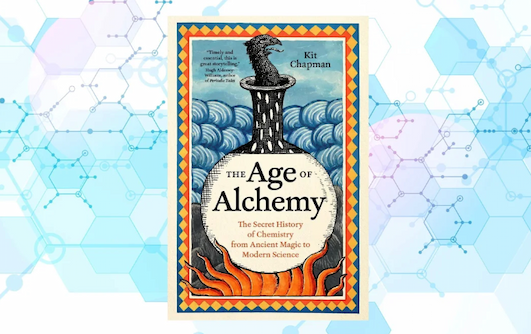
In December, the Scientific American book club will be reading The Age of Alchemy by Kit Chapman. We hope you join us! Stay tuned all December for more insights on the book, including a staff discussion in an upcoming episode of our Science Quickly podcast.
Join the discussion: Start reading now, and let's use these prompts to get the conversation going.
|
|
Show your gratitude for science journalism you can trust with a subscription to Scientific American. Join us: 90 days for just $1.
|
|
It is a privilege to write Today in Science and share the awe of discovery with this community of science lovers. Thank you for reading.
|
|
Wishing you and yours a joyful Thanksgiving. Today in Science will return Monday, November 30.
—Andrea Gawrylewski,
Chief Newsletter Editor
|
|
|
|
|
Subscribe to this and all of our newsletters here.
|
|
Scientific American
1000 N West Street, Suite 1200
|
|
|
|
|