Friday, November 20, 2026

Week in Science: Anthropic mathematician claims to solve Riemann hypothesis with AI

Plus, hormone therapy for menopause?                    
View in web browser
Sponsored by

November 20—Huge news broke this morning: A mathematician at the AI company Anthropic claims to have proven the Riemann hypothesis with Claude. The Riemann hypothesis is the most famous question in math, and if the proof is verified it would "instantly unlock a deluge of truths contingent upon the ambitious conjecture," writes SciAm reporter Joe Howlett, who broke the story.

In other news from this week, our reporters dug into why so many critical tech outages are happening at once, how hormone therapy could soothe some cognitive effects of menopause and why so many young people are being diagnosed with colon cancer. More below.

—Emma Gometz, Newsletter Editor

Have thoughts or feedback on our coverage? Email newsletters@sciam.com anytime.

Top Stories
Anthropic mathematician claims to prove Riemann hypothesis, most famous problem in all of math

An AI-generated solution of the 167-year-old problem, long considered far out of reach to human mathematicians, would cap off the technology’s year-long conquest of math in spectacular fashion

Why so many critical tech outages are happening all at once

Microsoft, Apple, airlines and even the U.S. National Security Agency have suffered major technology failures in recent days. What the hell is going on?

Sponsored Content by Archaeological Paths
Join the Egypt Tour of the Century

Join Archaeological Paths on the most extraordinary tour of Egypt ever created. Witness the “Eclipse of the Century”—the longest total solar eclipse of our lifetime—from the Lost Golden City, Egypt’s own “Discovery of the Century.” Learn more

Hormone therapy may improve cognition after menopause

But how much depends on your genetics and the type of hormone therapy your doctor prescribes

Why the brain’s ability to picture images may influence decision-making

Some people are excellent at visualizing scenes and images in their head, while others can’t do it at all

Like this newsletter? A subscription to Scientific American helps make it possible—and gives you full access to the stories that spark your curiosity. Start your subscription today: 90 days for just $1.
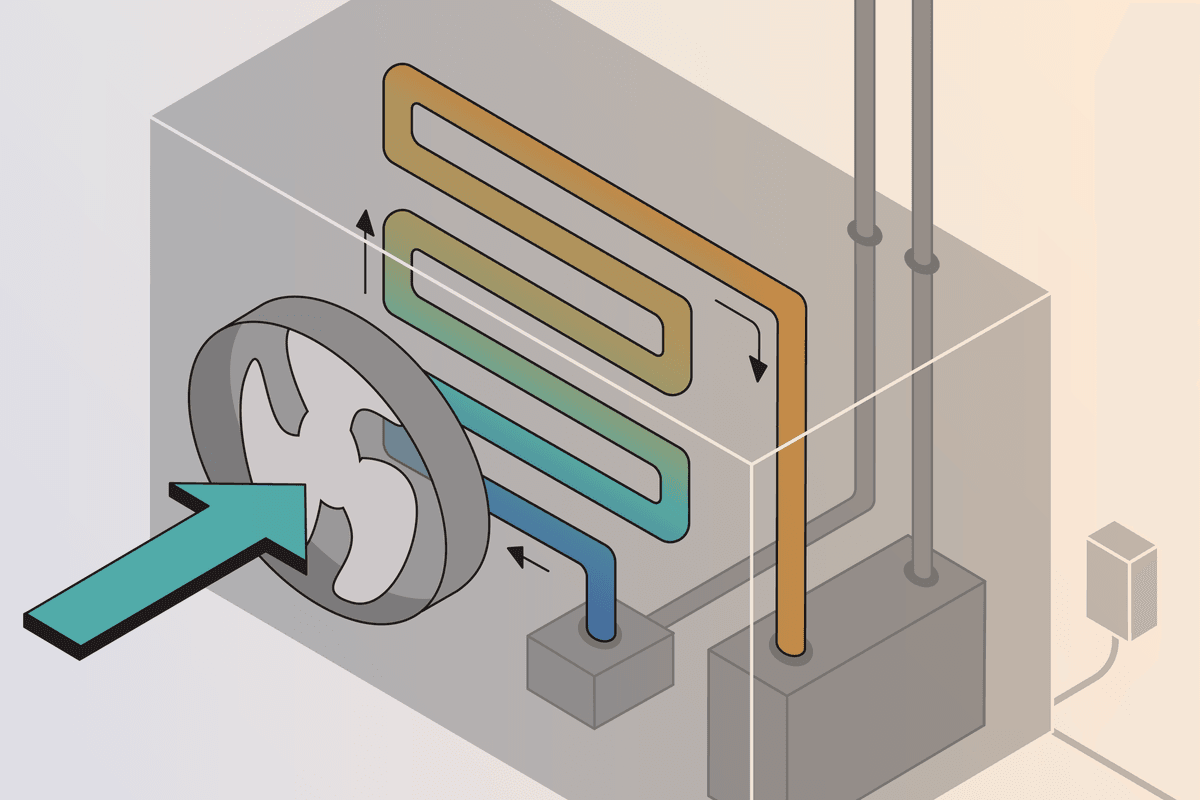
How do heat pumps work? An illustrated guide

These alternatives to traditional heating methods are rapidly growing in popularity

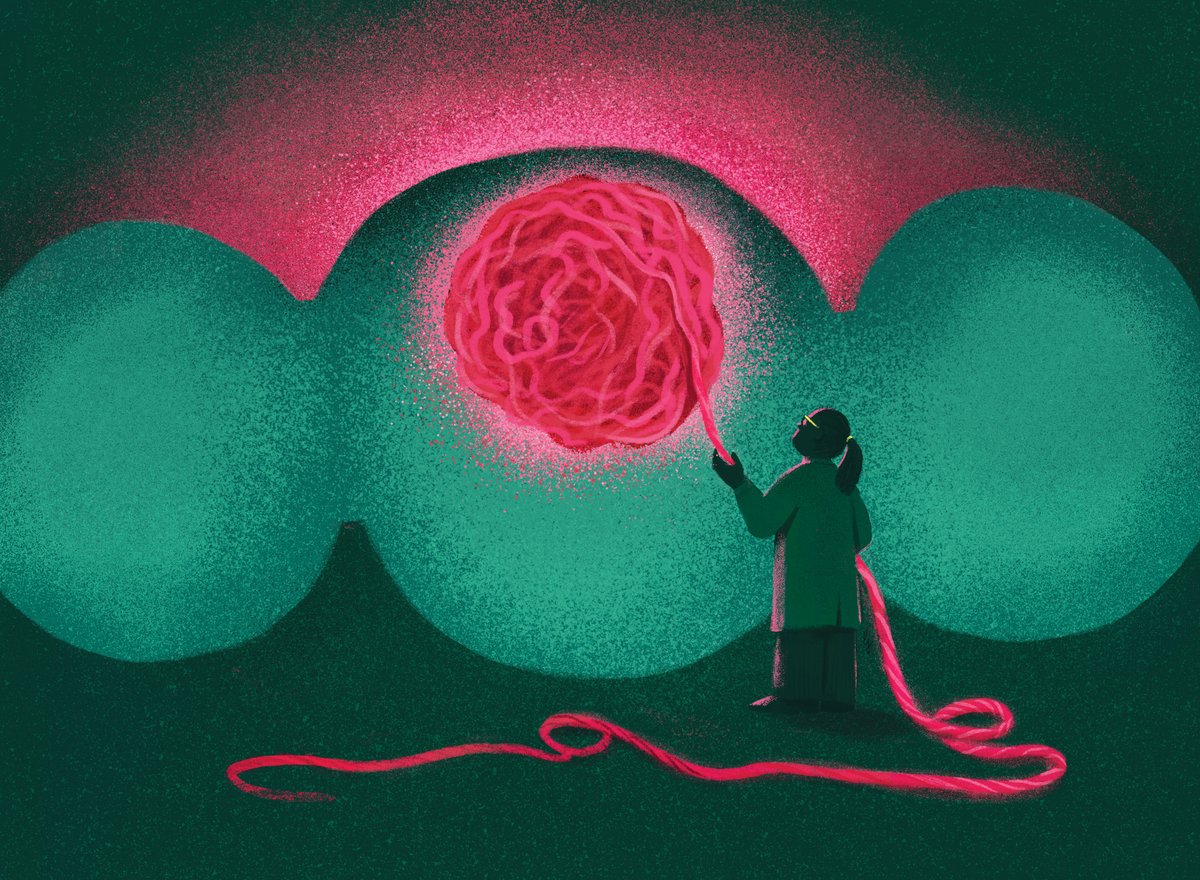
The race to understand why young people are dying from colon cancer

Colorectal cancer is the deadliest cancer among people under age 50, and no one is quite sure why

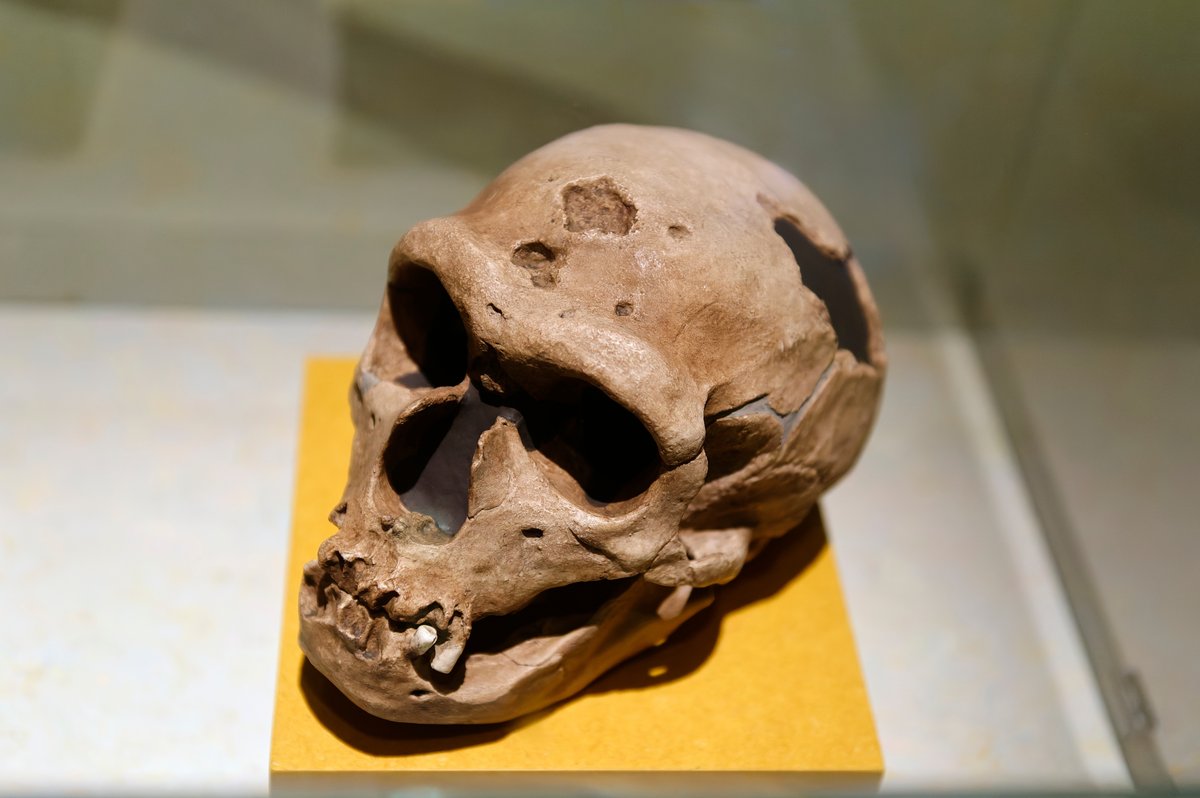
Neanderthal DNA linked to lower risk of schizophrenia in modern humans

We’ve long known that anatomically modern humans and Neanderthals interbred, but scientists are still teasing out how that legacy influences our genetics

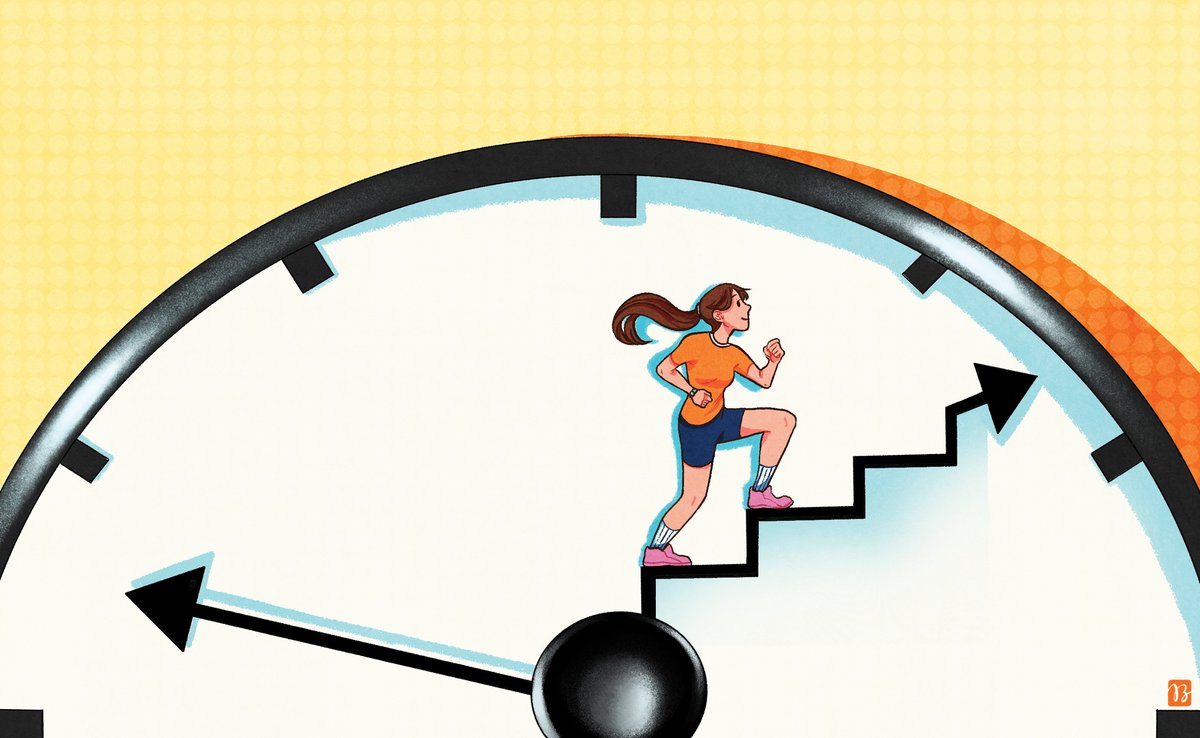
What’s the bare minimum workout for healthy aging?

The official target for physical activity is 150 minutes per week, but we actually get some payoff from far less

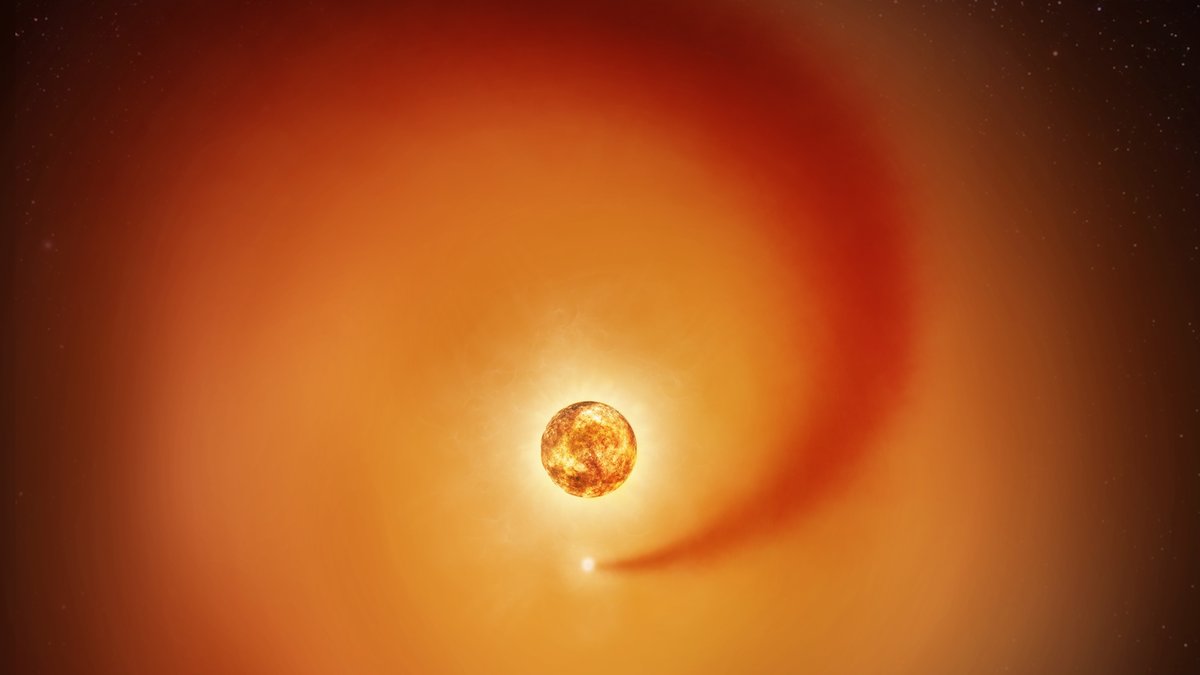
Astronomers forecast a brighter future for Betelgeuse

The famous star Betelgeuse may be poised to engulf a companion star, releasing a brilliant eruption a few millennia down the road

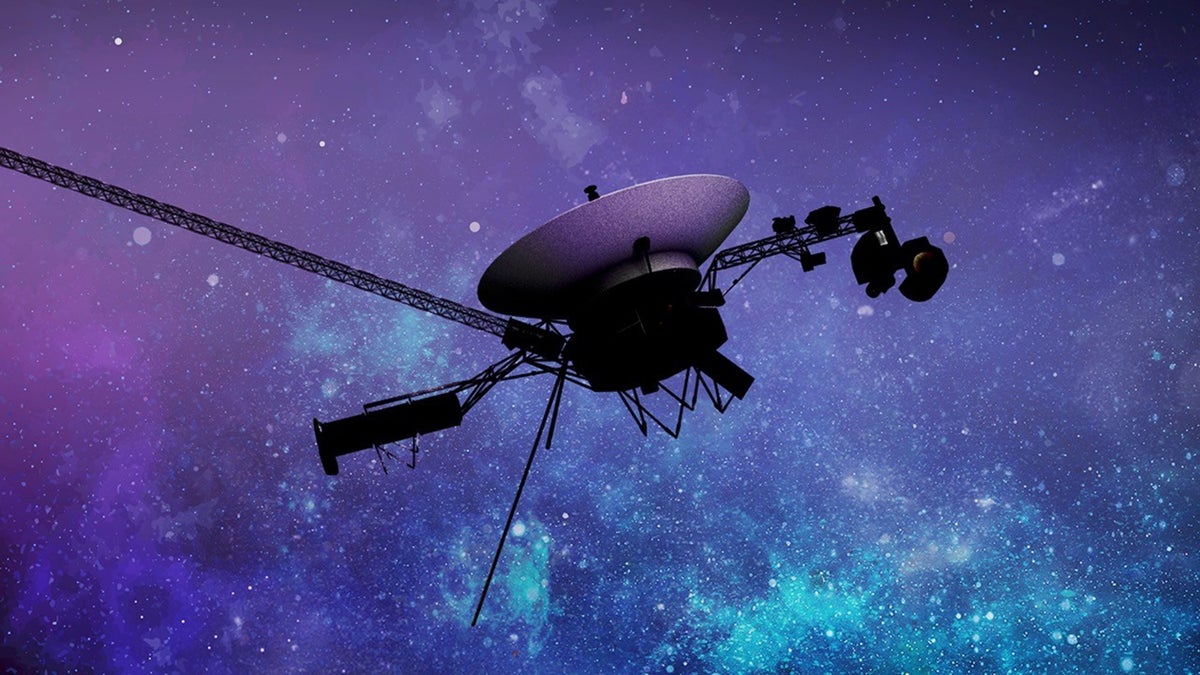
Voyager 1’s ‘light-day’ milestone is only the beginning

The space probe Voyager 1 is humanity’s farthest and best-known interstellar “message in a bottle”—but it’s probably not the last

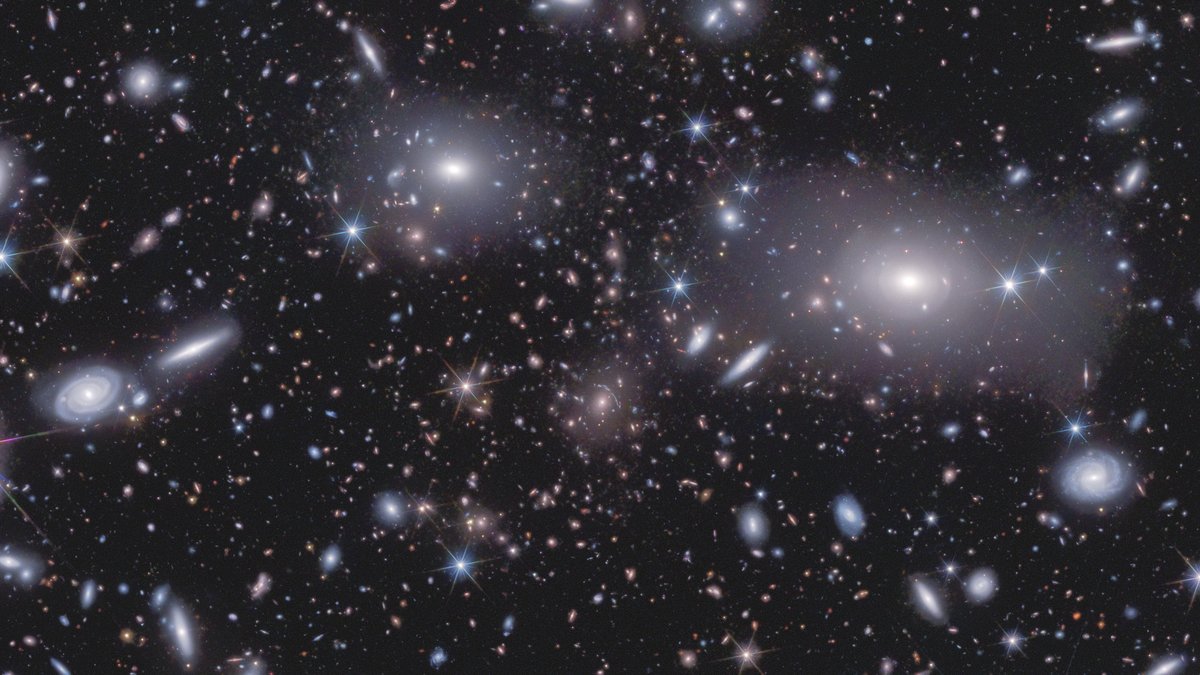
See the first glimpses of the most ambitious map of the universe yet

The images are part of Euclid’s first major data release

Scientist Pankaj

A claimed proof of the Riemann hypothesis

20-year survey of the cosmos hints that something is missing; Network researchers nail down theory of ‘perfect resilience’ ...