Thursday, November 19, 2026

Space & Physics: Voyager 1 reaches a "light-day" from Earth

Plus, a historic Starship catch                    

November 19—This week, we’re spoiled for choice with top stories—we’ve seen NASA’s Voyager 1 reach a “light-day” milestone, watched a historic catch for SpaceX’s Starship (and a catastrophic failure for United Launch Alliance’s Vulcan rocket), and marveled at a massive data release from ESA’s Euclid space telescope. Plus, this week SciAm’s latest issue (an end-of-year double edition!) arrived on newsstands and online! All that, and—as always—much more is below. Enjoy!

Thoughts? Questions? Let me know via e-mail (lbillings@sciam.com), X or Bluesky.

—Lee Billings, Senior Editor, Physical Sciences

Top Stories
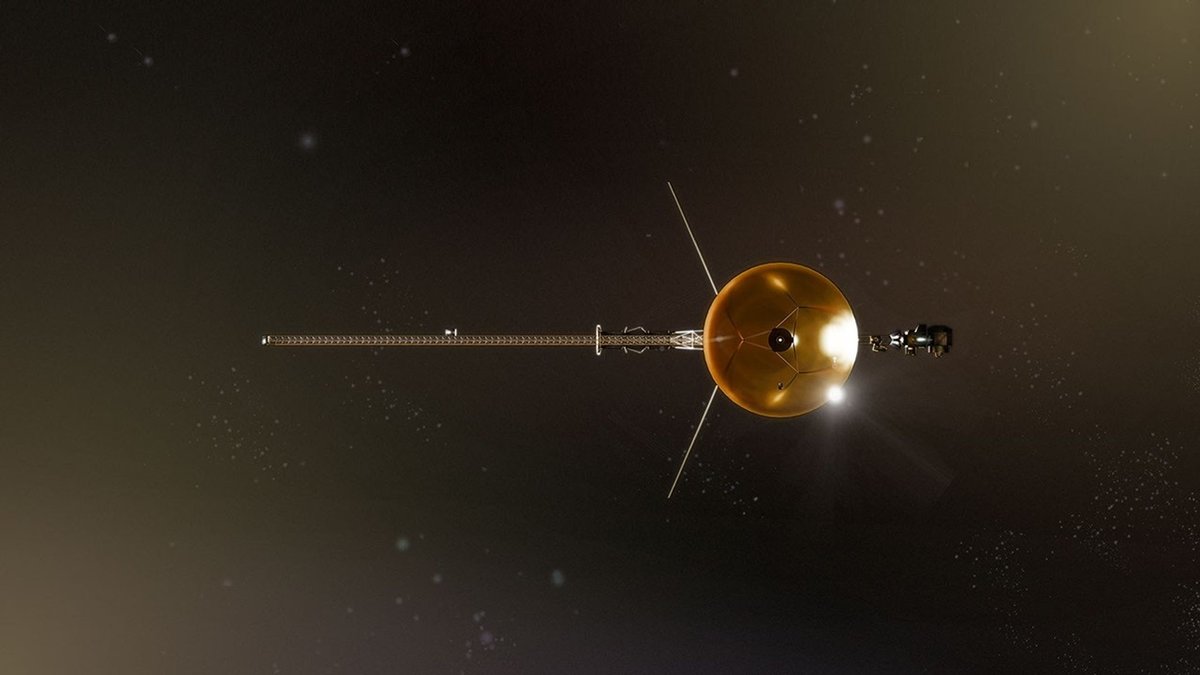
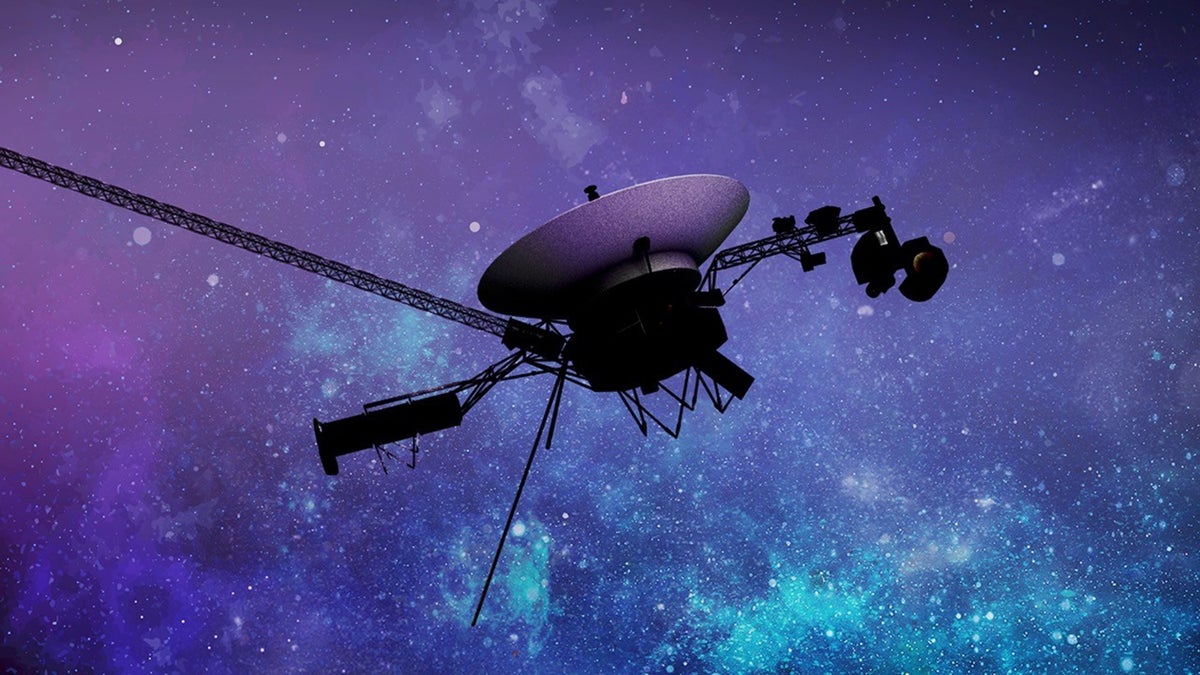
Voyager 1’s ‘light-day’ milestone has been a half-century in the making

NASA’s long-lived deep-space mission will celebrate its 50th anniversary late next year. But first it’s passing a historic boundary, reaching a distance of one light-day, or nearly 26 billion kilometers, from Earth

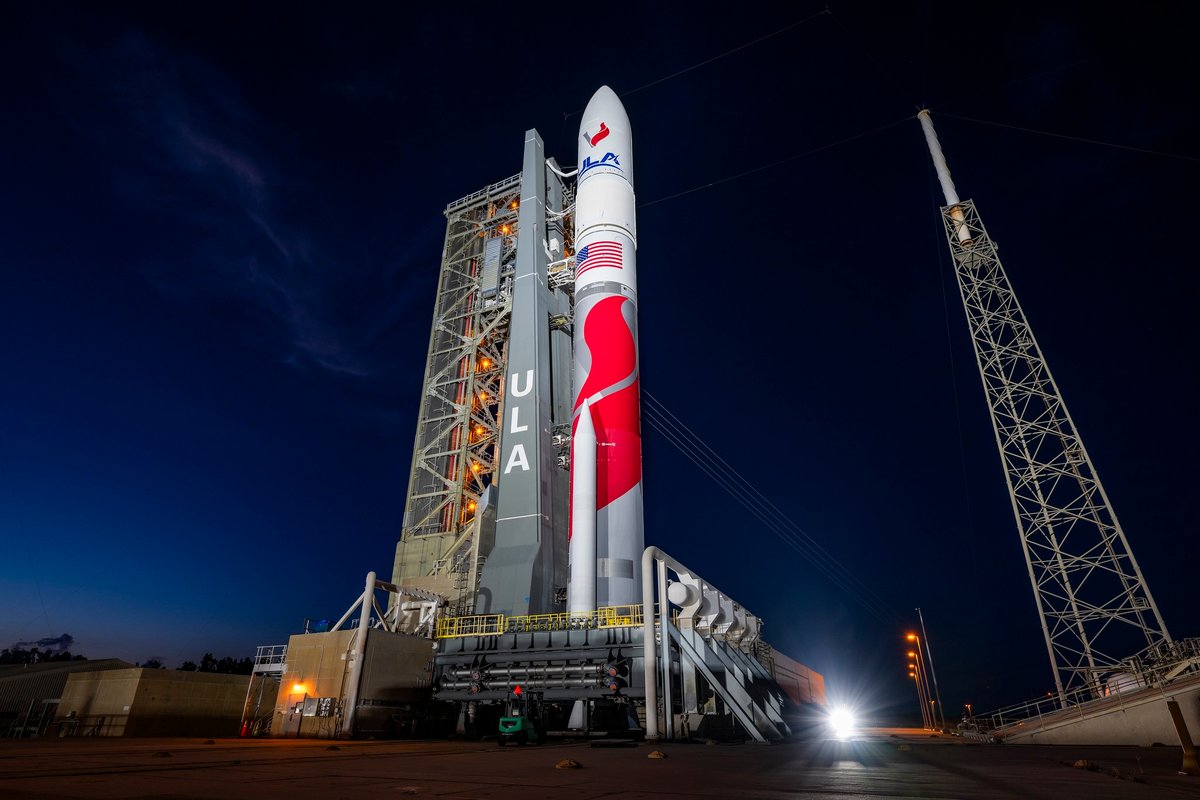
This rocket failure could haunt U.S. space exploration for years to come

The latest setback for Vulcan, a next-generation rocket built by United Launch Alliance, is a heavy blow for the company and its customers—including Amazon, NASA and the U.S. Space Force

Travel with Scientific American
Space Academy VIP Experience

Enjoy a VIP space experience at the U.S. Space & Rocket Center in Huntsville, Alabama, with Scientific American editor Emma Gometz. Meet scientists, train like an astronaut, and hear from the Blue Origin team. Meet retired NASA astronaut Robert Lee “Hoot” Gibson and hear firsthand space stories. Spaces are limited; book today!  

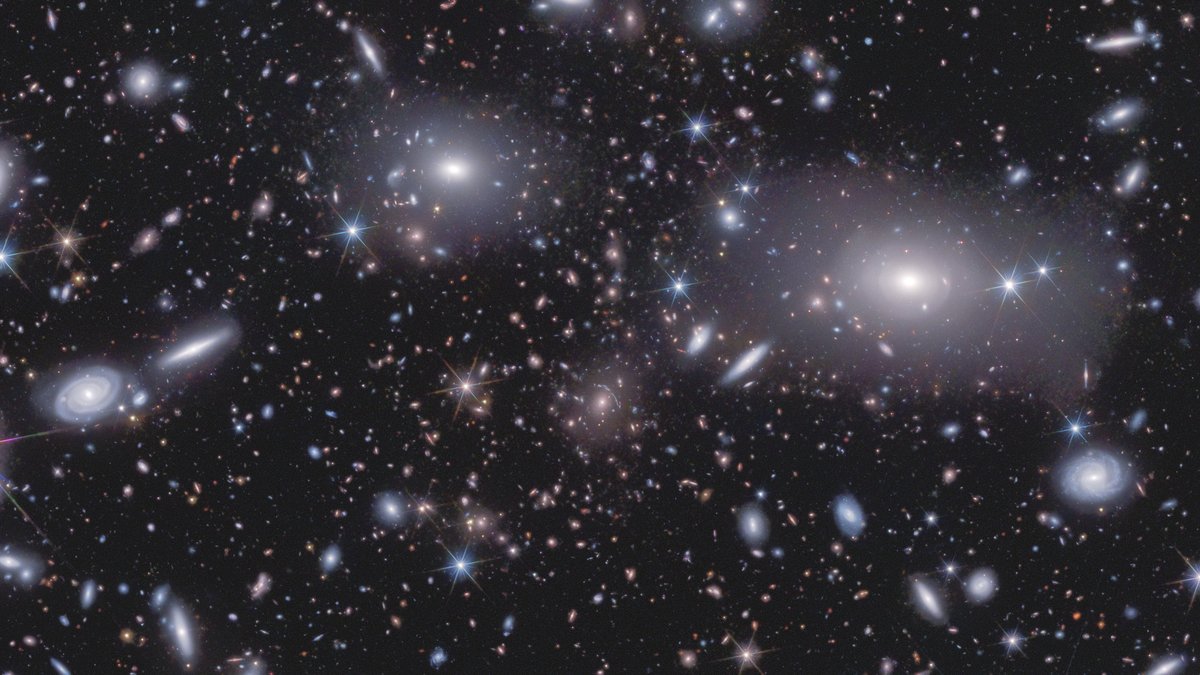
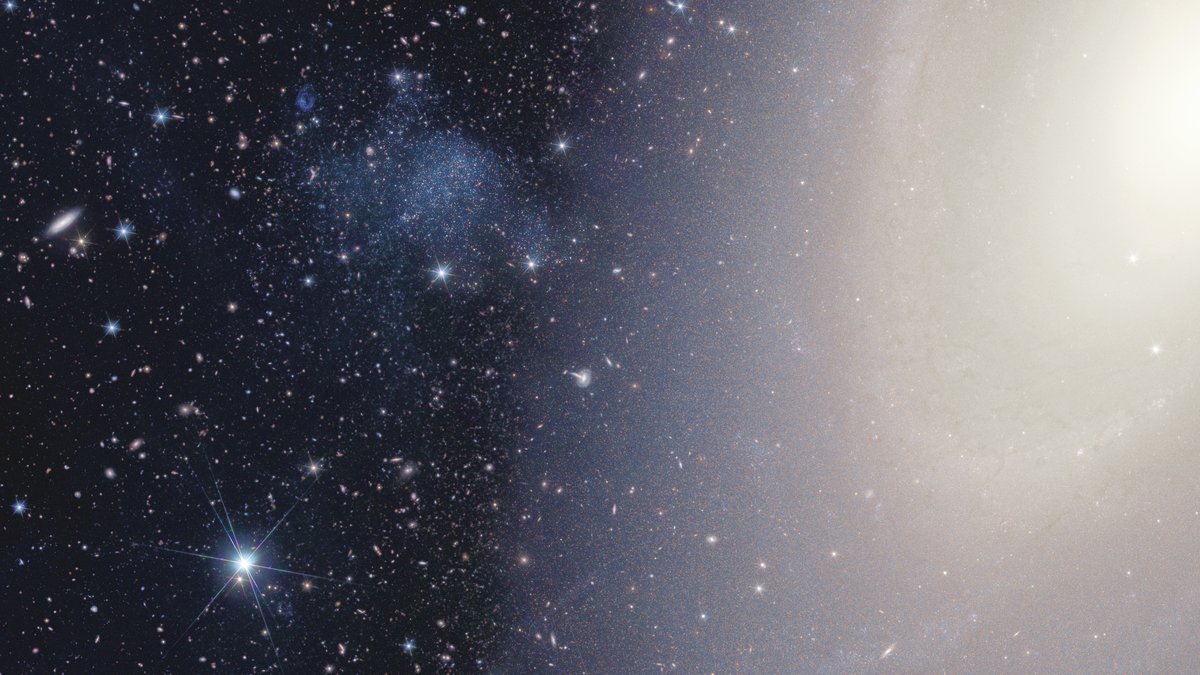
See the first glimpses of the most ambitious map of the universe yet

The images are part of Euclid’s first major data release

‘It has to be done’: Astronomers seek to build an AI ‘supertelescope’

Astronomers want to combine data from three new giant telescope surveys into a fourth virtual observatory

Immerse yourself in the newest space updates with a subscription to Scientific American. Get 90 days for just $1!
Voyager 1’s ‘light-day’ milestone is only the beginning

The space probe Voyager 1 is humanity’s farthest and best-known interstellar “message in a bottle”—but it’s probably not the last

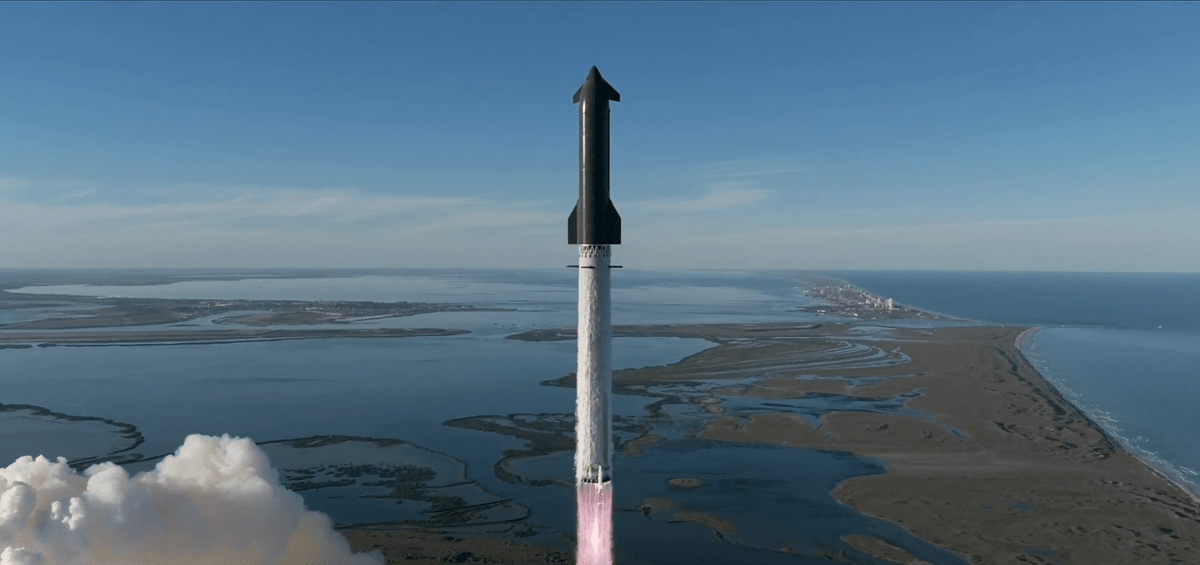
Starship Flight 15 puts SpaceX’s moonshots to the test

The 15th spaceflight of SpaceX’s giant launch vehicle aimed for something unprecedented: snatching both rocket stages from midair after a journey to orbit. The test proved partially successful but still ended in a historic first

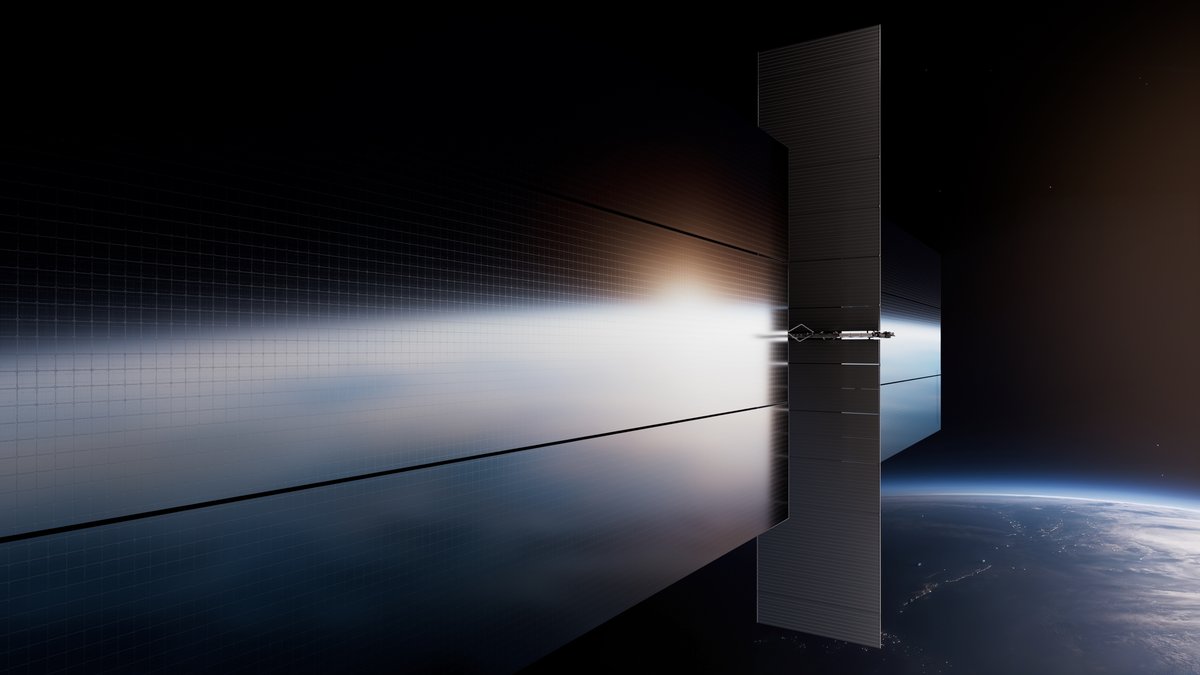
SpaceX’s orbital AI ambitions could choke Earth in pollution

A new study estimates that the company’s plans to launch a million orbital data centers could increase Earth’s upper atmospheric pollution by more than a 100-fold

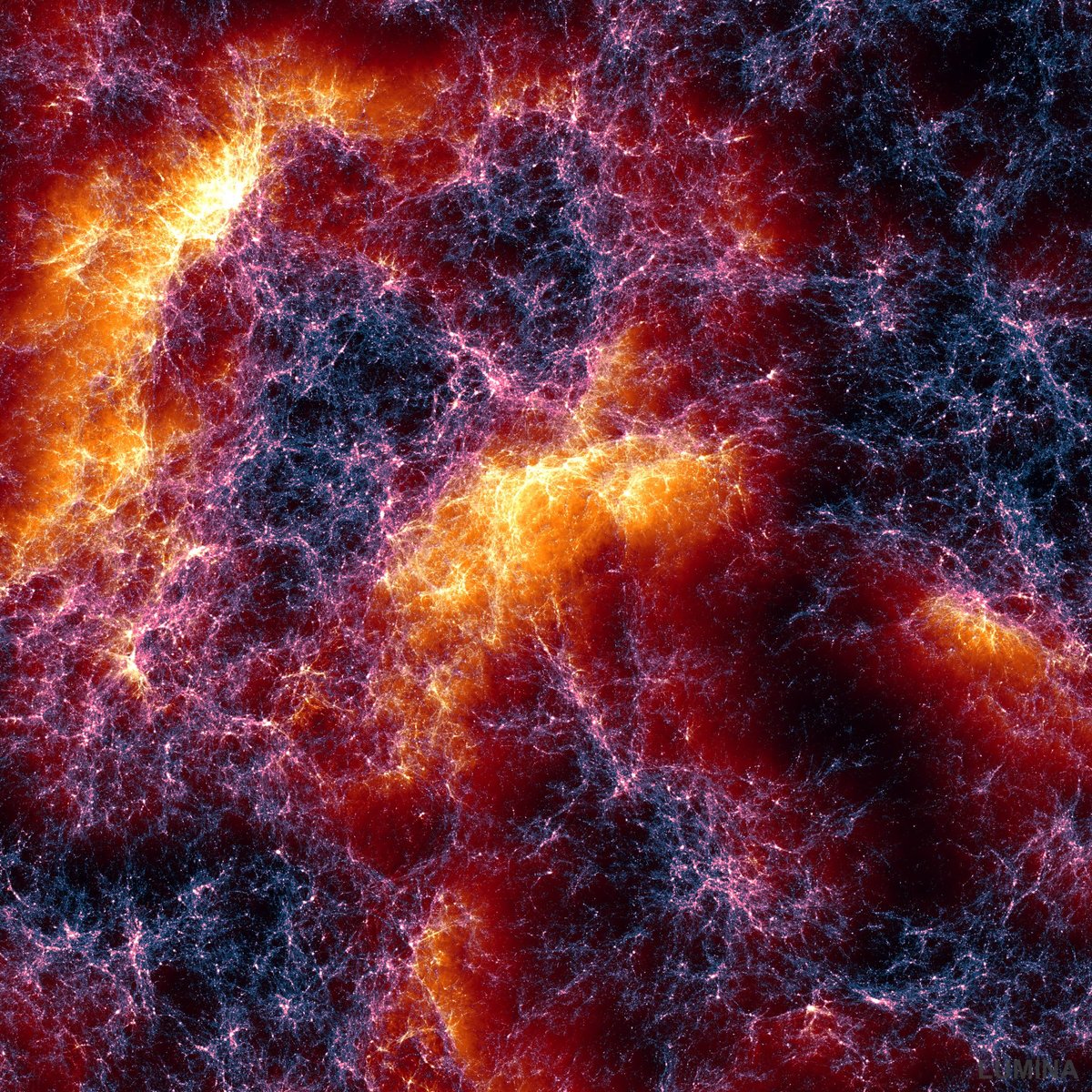
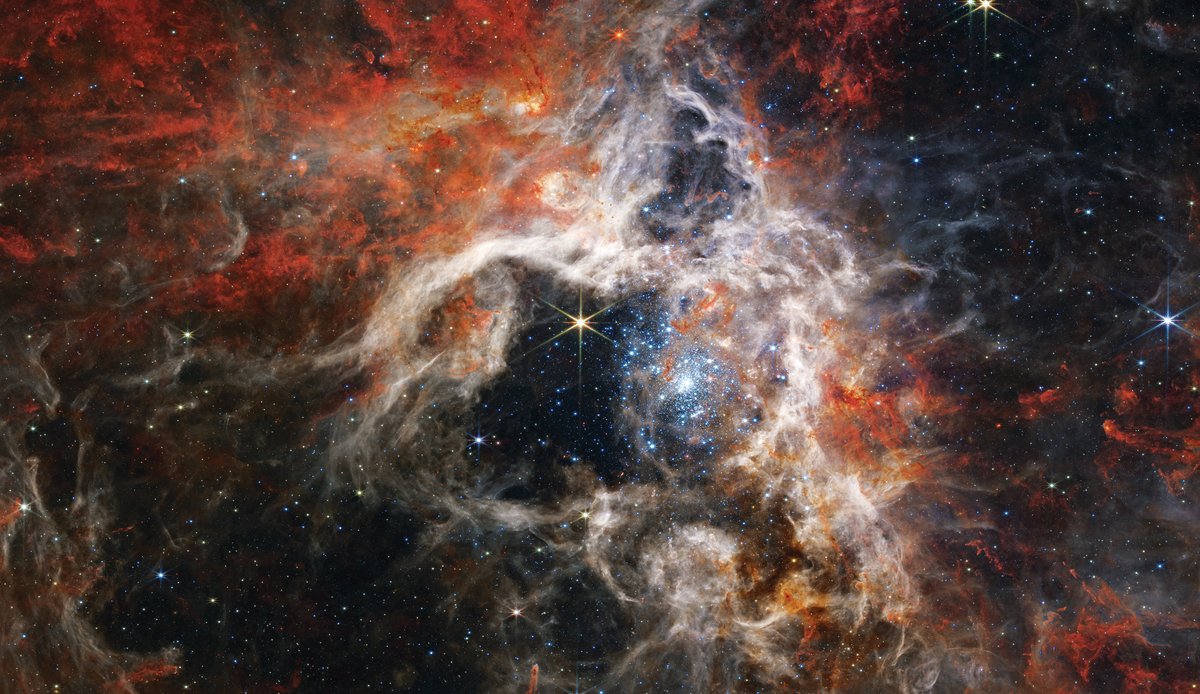
Record-breaking simulation sheds light on cosmic ‘dark ages’

Lumina, a huge computer model laden with complex astrophysics, is giving scientists a breathtaking virtual view of the young universe

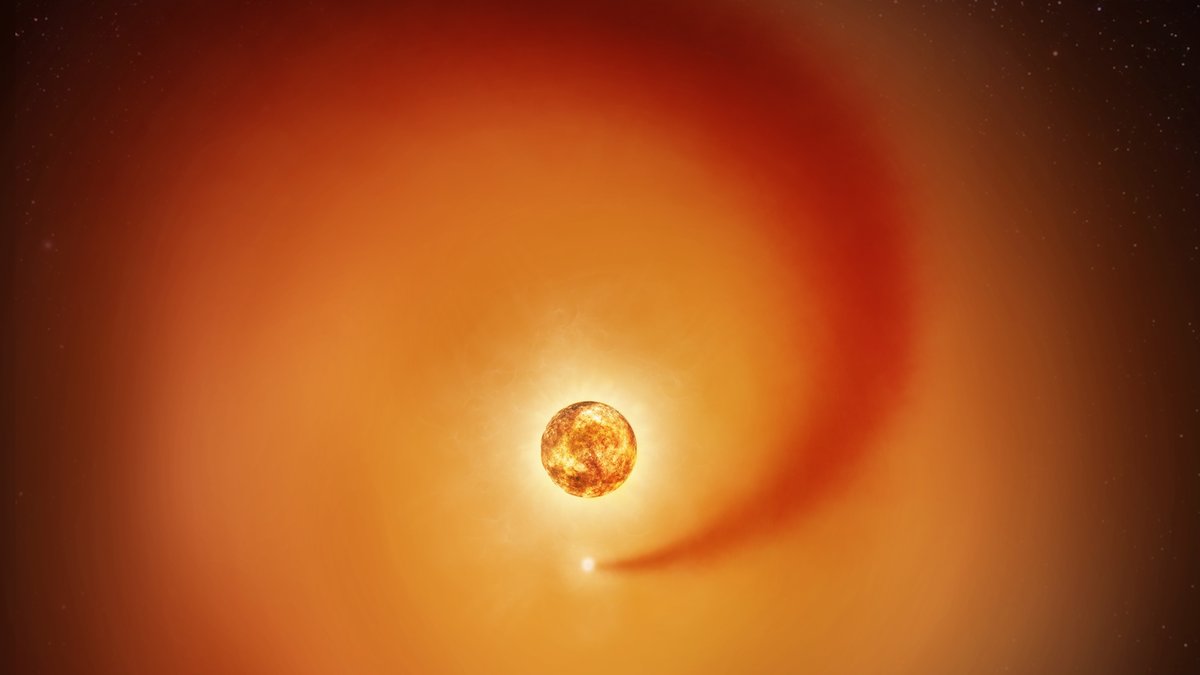
Astronomers forecast a brighter future for Betelgeuse

The famous star Betelgeuse may be poised to engulf a companion star, releasing a brilliant eruption a few millennia down the road

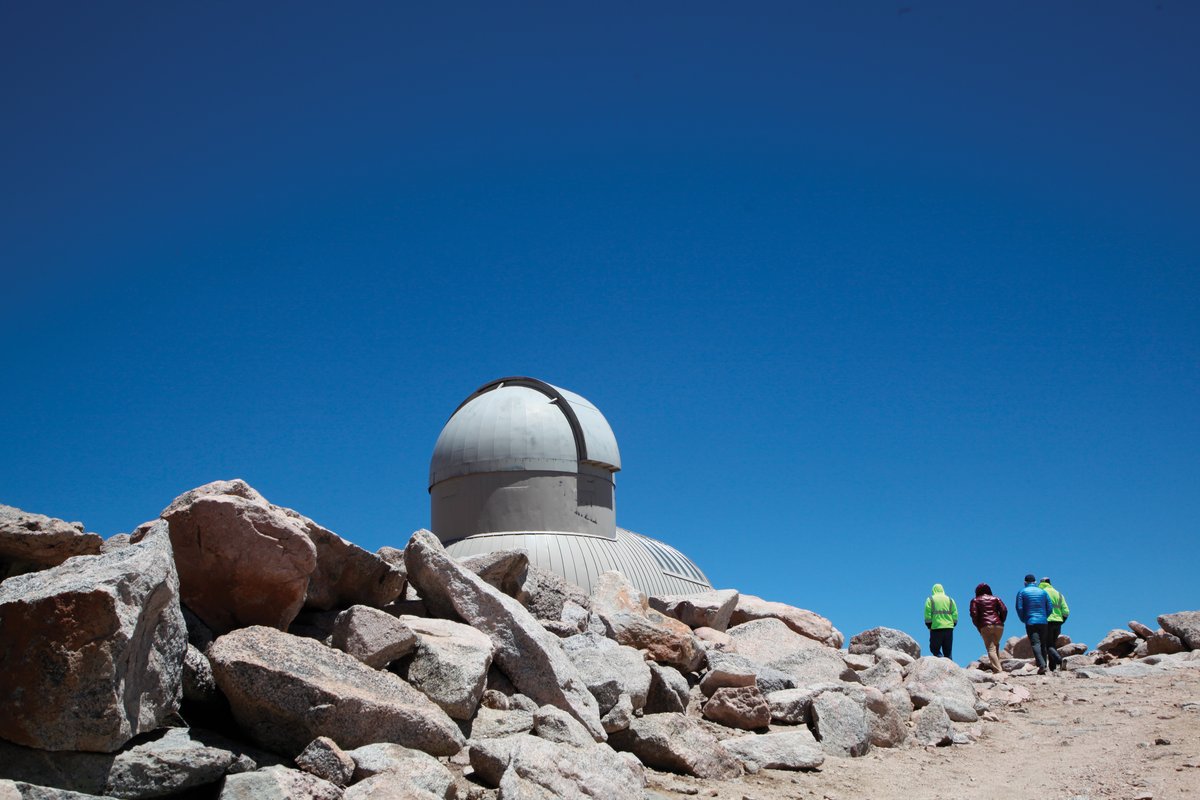
Time runs faster on mountaintops. Physicists hauled a clock up one to measure it

On Colorado’s Mount Blue Sky, NIST researchers are testing whether ultraprecise optical clocks can maintain their accuracy outside the lab—and someday offer a new way to measure Earth

Infinitesimals are essential to calculus. But are they even real?

Despite “anti-infinities” being instrumental to the creation of calculus, many mathematicians have questioned their validity

The symmetry of the universe may have broken in the first seconds of time

Some rules of physics might have been different just after the big bang, scientists have found

What We're Reading

From the Archive
Voyager 1’s Immortal Interstellar Requiem

NASA is reaching across more than 15 billion miles to rescue its malfunctioning Voyager 1 probe—but this hallowed interstellar mission can’t live forever

Scientist Pankaj

Alarming rise in colon cancer in young people

Scientists are racing to understand what's behind the increase ͏  ͏  ͏  ͏  ͏  ͏  ͏  ͏  ͏  ͏  ͏  ͏  ͏  ͏  ͏  ͏  ͏  ͏  ͏  ͏  ͏  ͏  ͏  ͏  ͏...