Tuesday, May 2, 2023

A lunar eclipse is coming on May 5. Here's what you need to know

Created for ceo.studentlike.spuniv@blogger.com |  Web Version
May 2, 2023
CONNECT WITH SPACE.COM  Facebook Twitter Instagram Youtube
Space.com
Something amazing every day.SIGN UP ⋅   WEBSITE
 
The Launchpad
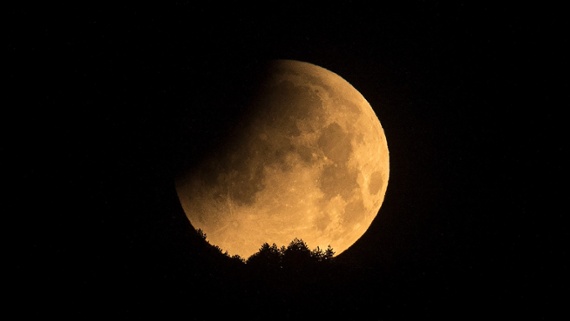
A lunar eclipse is coming on May 5
(ROBERT ATANASOVSKI/AFP via Getty Images)
The moon will darken but not completely disappear as it slips into Earth's outer shadow on Friday (May 5), creating a penumbral lunar eclipse.
Full Story: Space (5/1) 
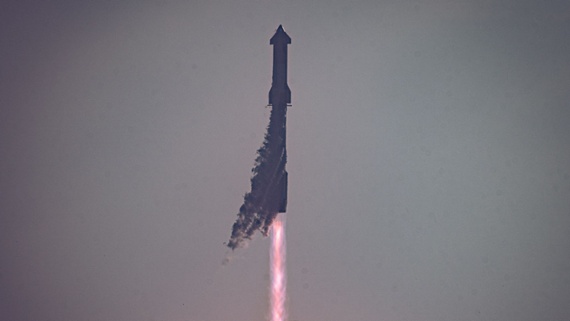
Environmental groups sue FAA over SpaceX Starship
(SpaceX)
The agency failed to fully analyze the environmental damage that Starship could cause, according to the suit.
Full Story: Space (5/1) 
Space quiz! A lunar eclipse is coming on May 5. Lunar eclipses coincide with what other celestial phenomenon?
Learn the answer here!
VoteNew moon
VoteMoon at perigee
VoteFull moon
VoteMoon at apogee
Space Deal of the Day
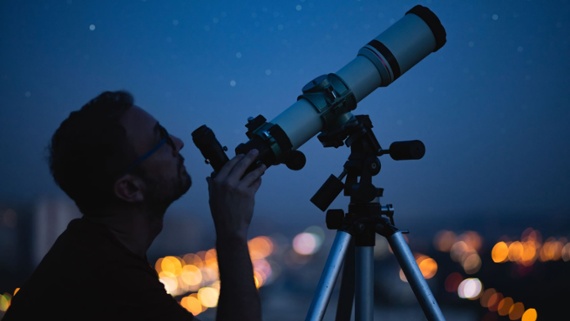
The best budget telescopes under $500 for 2023
(Getty Images)
The best budget telescopes under $500 by top brands and reputable retailers. There are even some sub $100 options.
Full Story: Space (10/25) 
Spaceflight
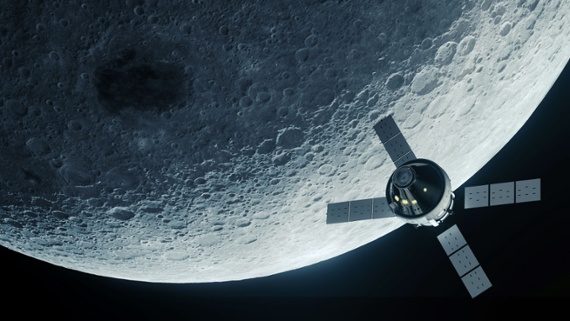
Artemis 2 astronauts could phone home with ham radio
(Lockheed Martin)
It's been 40 years since the first astronaut called an amateur radio operator on Earth. Now the moon is in the community's sights.
Full Story: Space (5/2) 
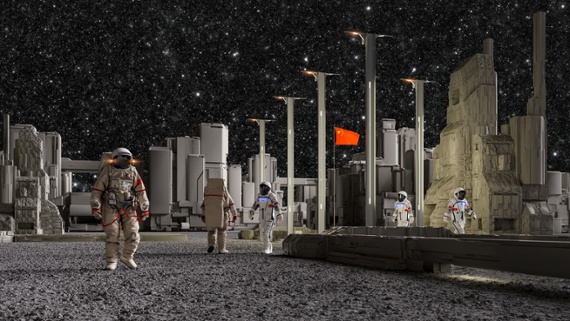
China to land astronauts on moon by 2030, scientist says
(gremlin/Getty Images)
China will definitely put boots on the moon within the next seven years, according to a leading Chinese lunar scientist.
Full Story: Space (5/1) 
Science & Astronomy
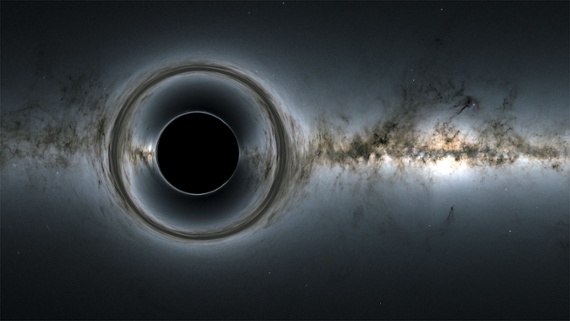
Tiny primordial black holes could have created a Big Bang
(NASA's Goddard Space Flight Center/ background, ESA/Gaia/DPAC)
A large population of small black holes could have flooded the young cosmos with particles and radiation, creating their own black hole-powered Big Bang, physicists propose in a new paper.
Full Story: Space (5/2) 
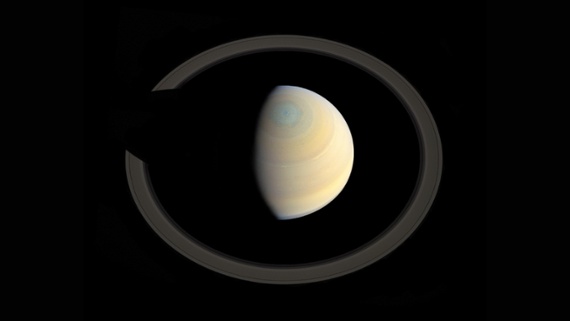
Saturn's rings are disappearing. But how quickly?
(NASA/Cassini/James O'Donoghue)
Some of the world's most powerful observatories are poised to study the "ring rain" phenomenon.
Full Story: Space (5/2) 
Technology
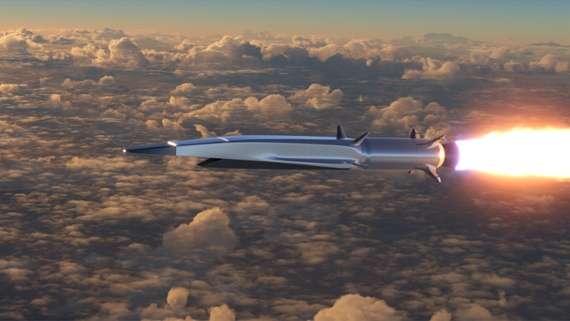
China's hypersonic research to get boost from satellites
(Getty Images)
Galaxy Space's technology could provide connectivity for hypersonic drones and aircraft.
Full Story: Space (5/1) 
Radiation detector could protect flyers from cosmic rays
(Yuichiro Chino/Getty Images)
These cosmic rays typically come from the extremely distant universe, from ultrapowerful events such as supernovas and quasars.
Full Story: Space (5/1) 
Star Wars
Everything about Star Wars: Young Jedi Adventures
(Disney+)
Preschoolers score a Star Wars show of their own with this bright new Disney+ series.
Full Story: Space (5/2) 
 
Sign Up  |    Update Profile  |    Unsubscribe
Privacy Policy  |    Cookies Policy  |    Terms and Conditions
CONTACT US: FEEDBACK  |    ADVERTISE
Future US LLC ©
Full 7th Floor, 130 West 42nd Street, New York, NY, 10036

Astronomy's June Issue Is Here!

Astronomy


Cover_Image

Coming up in the June Issue


This month, Astronomy gives readers an exclusive peek at the James Webb Space Telescope’s long list of amazing first discoveries. Additionally, tour the 10 nearest stars to the Sun, learn how to observe the delicate debris left by supernovae, and get the inside scoop on where to see October’s annular eclipse across the U.S. With all this and more — including equipment reviews, a tour of the constellation Ara, and answers to your astronomy questions — you won’t want to miss the June issue!

Get the Newest Issue

Only $7.99

Get a Full Year of Astronomy

Only $28.95

Recommended for You

Sales tax where applicable. Subscription orders will begin with the featured issue in this email based upon availability. If the featured issue is no longer available, subscriptions will begin with the next issue.

This message was sent to ceo.studentlike.spuniv@blogger.com.

© 2023 Kalmbach Media Co. 21027 Crossroads Circle Waukesha, WI 53186

JPL News - Day in Review

Mission Studies Ocean's Surface | What's Up for May Video 
 
Day in Review
Earth
The mission is gathering observations with airborne sensors, a research ship, and autonomous instruments like gliders that skim the upper layers of the Pacific Ocean. Read More

VIDEO


What's Up - May 2023


Venus reaches peak elevation, Jupiter briefly disappears for some, and what's unique about Southern Hemisphere skies.


Watch Now


@NASAJPL Facebook@NASAJPL TwitterJPL Website@NASAJPL Instagram@JPLnews YouTubeNASA JPL LinkedIn

Scientist Pankaj

NASA sends planes to monitor US Army's lead detonation. 'Irresponsible' to compare it to Chernobyl, agency chief says

NASA sends planes to monitor US Army lead ...