Friday, January 30, 2026

Week in Science: Psychiatrists push to update diagnosis "bible"

A weekly round-up of the biggest news in science                    

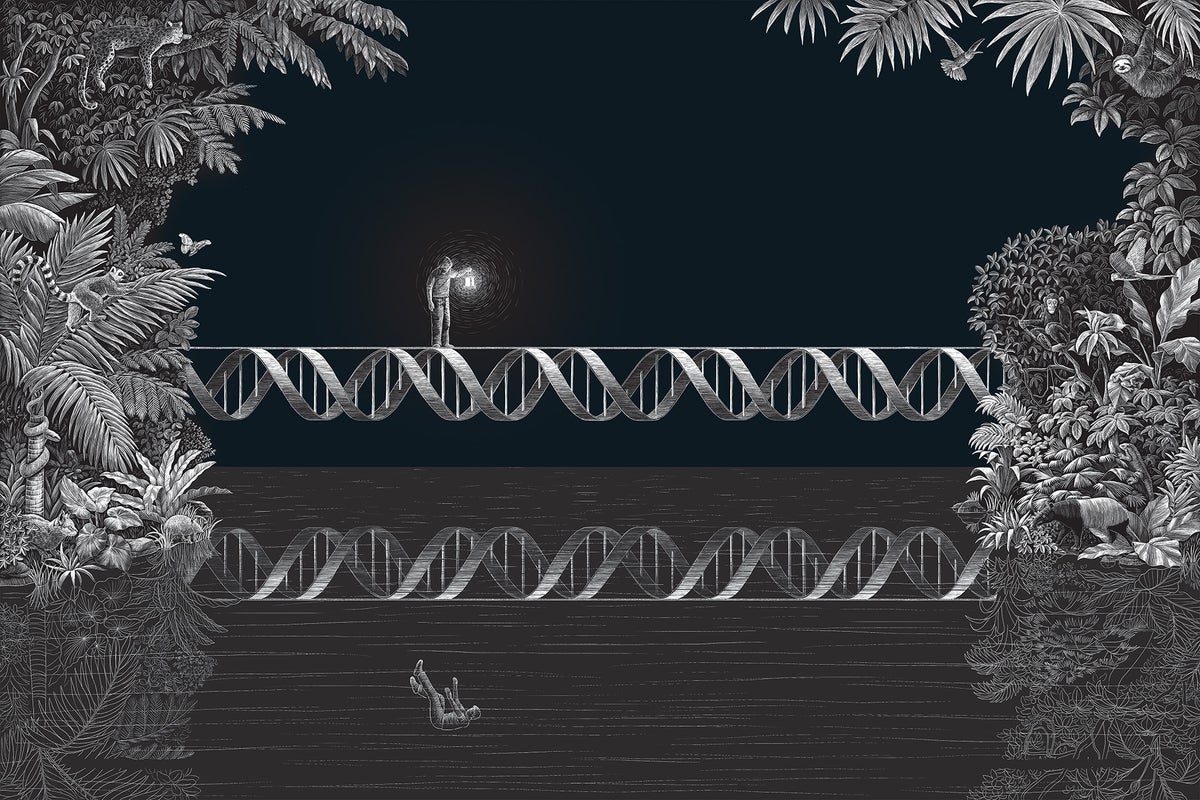
January 30—This week, a positive headline: U.S. life expectancy has hit an all-time high! The U.S. still lags behind plenty of other developed countries, but this news offers a welcome change after COVID and overdose deaths pushed the U.S.'s average life expectancy down in 2021. Also, how long you live may depend more on your genes than anything else, why quantum physicists supersized Schrödinger's cat and more.

—Emma Gometz, Newsletter Editor

Tell us what you think about the news! Email newsletters@sciam.com anytime.

Top Stories
Psychiatrists plan to overhaul the mental health bible—and change how we define 'disorder'

The American Psychiatric Association has announced big upcoming changes to psychiatry's big book of mental disorders, the DSM

Largest-ever 'superposition' supersizes Schrödinger's cat

A record-breaking experiment shows that a cluster of thousands of atoms can act like a wave as well as a particle

Get a deal on a subscription to Scientific American. Supporting our work means amplifying science.
Brought to you by Scientific American
Start the New Year Right

A passion for science deserves more than quick headlines—delve deeper into the ideas, breakthroughs, and discoveries that fuel the future. Learn more.

A foraging teenager was mauled by a bear 27,000 years ago, skeleton shows

The remains of a teenage boy who lived around 27,000 years ago suggest he was attacked by a cave bear—some of the first direct evidence of a predator attacking an ancient human

For its 100th birthday, the Schrödinger equation is getting a glow-up from quantum physicists

A century ago, Erwin Schrödinger came up with an equation that says how the quantum world behaves. Now scientists are asking what happens when the observer is part of that world

Want to live longer? Tiny changes to your sleep, exercise and diet could add a year to your life

New research suggests that getting even just a few more minutes of sleep and exercise and eating an extra cup of vegetables every day can significantly boost longevity

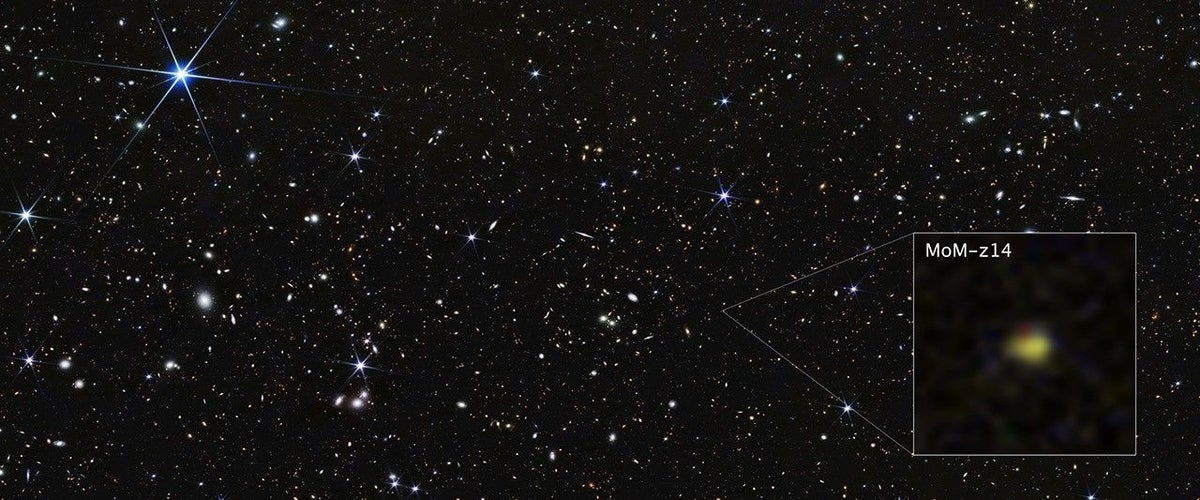
JWST spots most distant galaxy ever, pushing the limits of the observable universe

The galaxy MoM-z14 could offer clues to what the universe looked like in its early infancy

How math can reveal lottery fraud

In one day, 433 people won the Philippine lottery jackpot. What were the chances?

Video evidence and eyewitness accounts: Why people see different things

Why can people watch the same video footage and see different things? Neuroscience can help explain

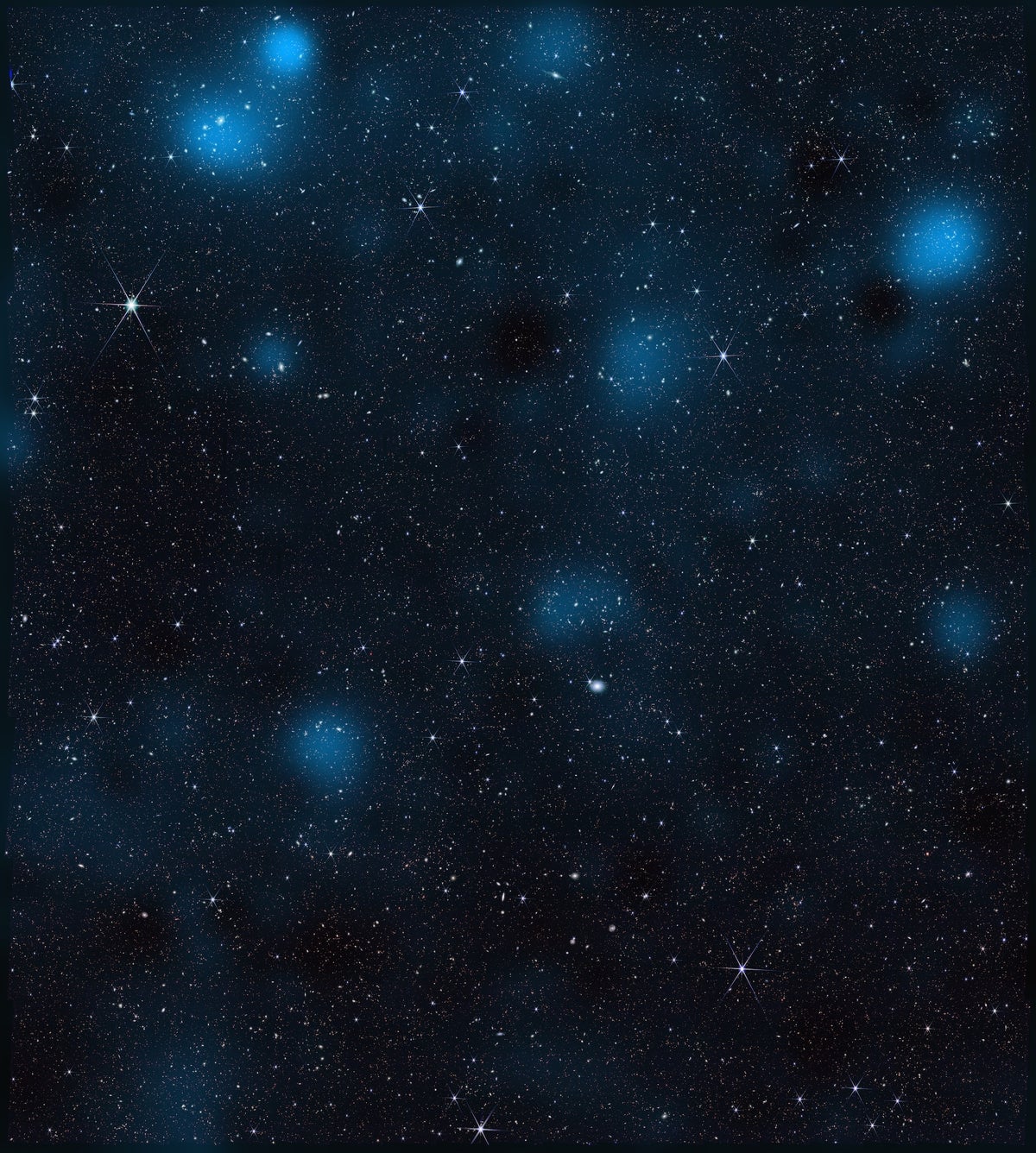
JWST unveils most intricate map yet of cosmic dark matter

Astronomers puzzled out minuscule distortions in images of faraway galaxies taken by JWST in order to chart the invisible

The hidden threat eating away at museum treasures

Extremophile molds are invading art museums and devouring their collections. Stigma and climate change have fueled their spread

40 years after Challenger disaster, NASA faces safety fears on Artemis II

Many of the team behind NASA's Artemis II mission were children 40 years ago, when the space shuttle Challenger disaster reshaped spaceflight

Menopause linked to changes in brain's gray matter, new study shows

Brain changes during menopause could help explain why some people experience neurological symptoms such as anxiety, depression and memory problems

Deadly 'reverse' cells can destroy us unless scientists stop them

Researchers are closer to making "reversed" cells that may wipe us off the planet

Why consciousness is the hardest problem in science

Will brain science deliver answers about consciousness or hit another wall?

Scientist Pankaj

Week in Science: Psychiatrists push to update diagnosis "bible"

A weekly round-up of the biggest news in science                     View in web browser ...