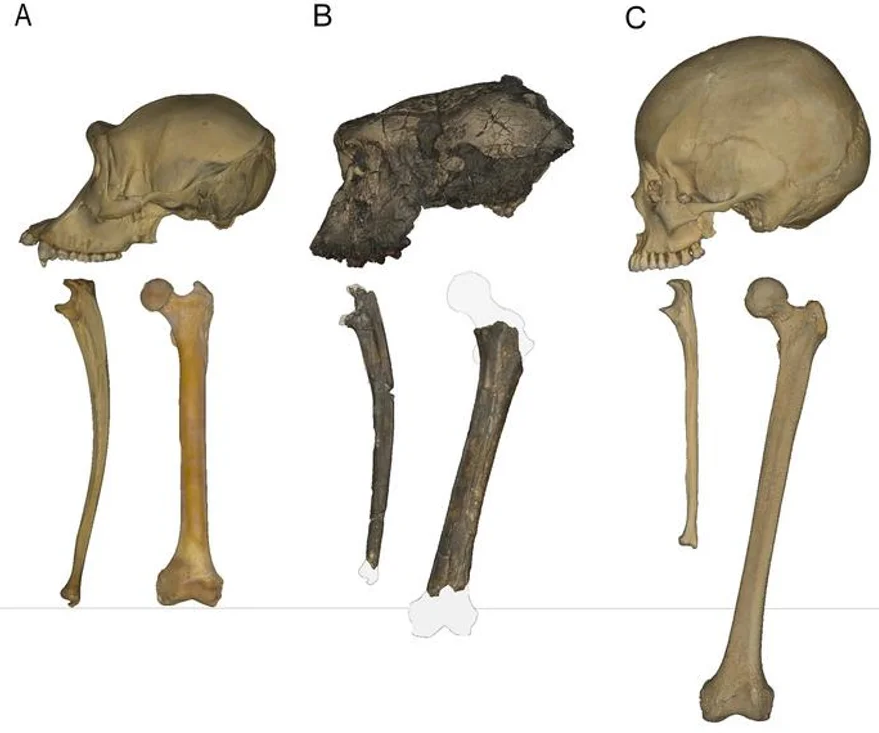
A new fossil analysis reveals the origins of bipedalism ͏ ͏ ͏ ͏ ͏ ͏ ͏ ͏ ͏ ͏ ͏ ͏ ͏ ͏ ͏ ͏ ͏ ͏ ͏ ͏ ͏ ͏ ͏ ͏ ͏ ͏ ͏ ͏ ͏ ͏ ͏ ͏ ͏ ͏ ͏ ͏ ͏ ͏ ͏ ͏ ͏ ͏ ͏ ͏ ͏ ͏ ͏ ͏ ͏ ͏ ͏ ͏ ͏ ͏ ͏ ͏ ͏ ͏ ͏ ͏ ͏ ͏ ͏ ͏ ͏ ͏ ͏ ͏ ͏ ͏ ͏ ͏ ͏ ͏ ͏ ͏ ͏ ͏ ͏ ͏ ͏ ͏ ͏ ͏ ͏ ͏ ͏ ͏ ͏ ͏ ͏ ͏ ͏ ͏ ͏ ͏ ͏ ͏ ͏ ͏ ͏ ͏ ͏ ͏ ͏ ͏ ͏ ͏ ͏ ͏ ͏ ͏ ͏ ͏ ͏ ͏ ͏ ͏ ͏ ͏ ͏ ͏ ͏ ͏ ͏ ͏ ͏ ͏ ͏ ͏ ͏ ͏ ͏ ͏ ͏ ͏ ͏ ͏ ͏ ͏ ͏ ͏ ͏ ͏ ͏ ͏ ͏ ͏ ͏ ͏
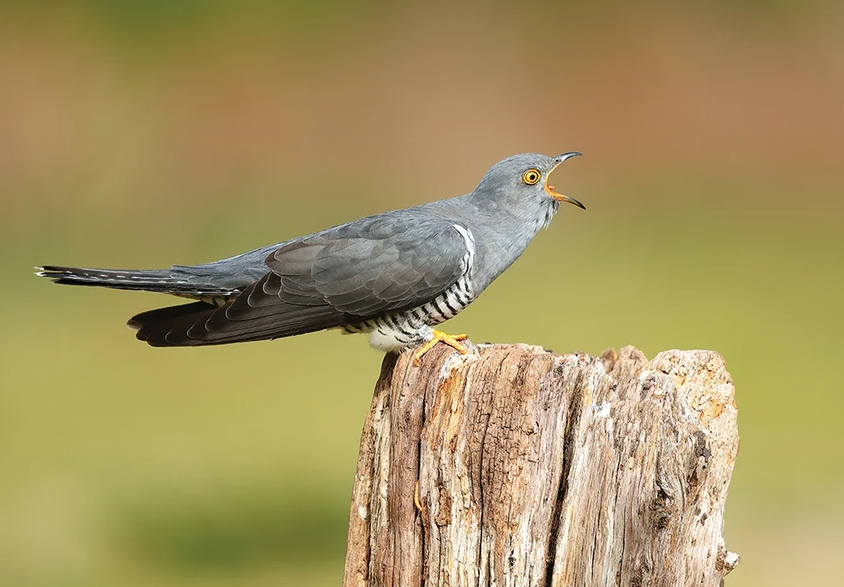
January 5, 2025—Happy new year! Our journey of discovery continues into 2026, so let's get right into what's happening in science. First, is carbon dioxide the most important molecule on Earth? Plus, animals form unlikely alliances, and scientists take a good, long look at the sun. —Andrea Gawrylewski, Chief Newsletter Editor | | From Science Advances, Vol. 12, No. 1; January 2, 2026. | | You may think of carbon dioxide as the problematic molecule in the air driving global warming. But CO2 is more than a menace. In his new book, The Story of CO2 Is the Story of Everything, journalist Peter Brannen shows how carbon dioxide is the backbone of all life on our planet. How it works: Life on Earth—what scientists call the biosphere—is carbon-based, and the source of that carbon is CO2. As carbon was buried over millions of years of Earth's history—in dead plants and algae, in rocks and deep-sea sediments—oxygen built up in the air, making more complex life possible. Meanwhile, levels of carbon dioxide in the atmosphere are directly linked to global temperatures. If all the CO2 in Earth's atmosphere vanished today, the planet would go into a deep freeze. Likewise, if we burn all of the fossil fuels (buried carbon) and release all the contained CO2 into the atmosphere, the planet will heat dramatically, with no ice whatsoever and tropical temperatures at the poles. What the experts say: "Right now, as far as we know, we're emitting CO2 10 times faster than it was emitted in the run-up to the Permian mass extinction," Brannen says. "So what we're doing is geologically unprecedented; we really are in uncharted territory. That doesn't mean we'll necessarily spark another mass extinction on par with the Permian, but we are definitely leaping into the unknown." | | Parasitic cuckoos are many birds' common enemy. Bebedi/Getty Images | | Animals threatened by a common enemy create unlikely alliances. Monkeys, lemurs, chipmunks and even fish signal cues to other species that a predator is approaching. In a recent study, researchers documented more than 20 bird species across four continents that "whine" when they spot parasitic birds such as cuckoos. In one field experiment, birds from a dozen or more species mobbed a stuffed cuckoo in response to a chorus of "whining" calls. Why this is interesting: Previous research shows that many bird species and even red squirrels produce nearly identical calls to warn others of predators. However, this interspecies communication goes beyond cooperative defense. Studies have found that it could help birds migrate and expand food resources for some species like monkeys and dolphins. What experts say: Clearly, "very complex multispecies communication networks are pervasive," says wildlife ecologist Erick Greene. "It really behooves [animals] to pay attention to each other," he adds. "It can save their lives." —Andrea Tamayo, newsletter writer | | | | |
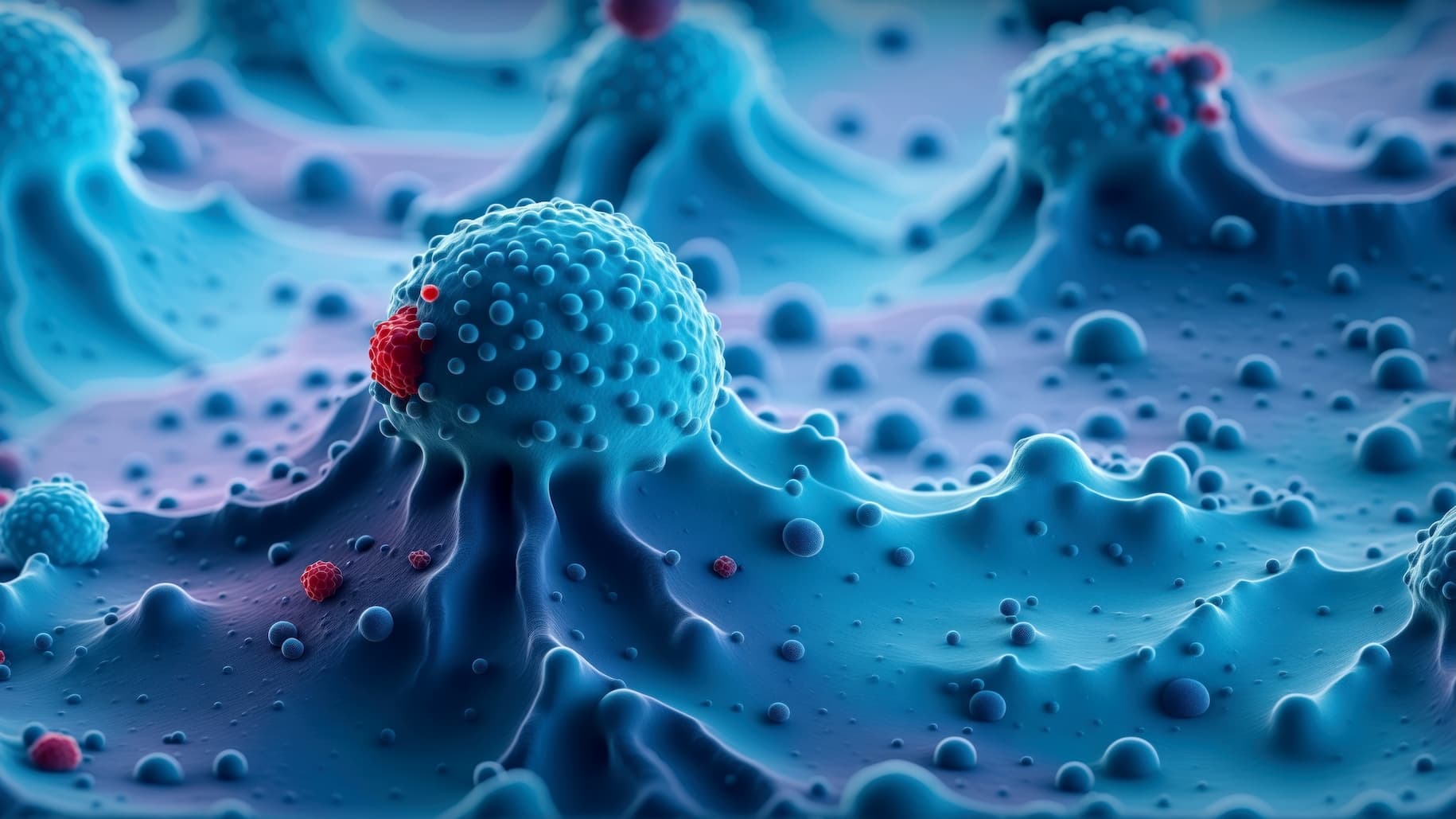
SPONSORED CONTENT BY PFIZER | | Small molecule therapeutics can disarm cancer cells Cancer's ability to resist treatment is formidable, but targeted small molecule therapeutics that slip inside cancer cells could directly block cancer-driving pathways. | | | | |
Spektrum der Wissenschaft, restyled by Amanda Montañez | | - Distribute the numbers 1/6, 1/3, 1/2, 2/3, 1, 3/2, 2, 3 and 6 among the nine fields of the grid above so the product of the three numbers in each row, each column and each of the two diagonals is the same. Click here for the solution.
| | - The fact that science keeps changing doesn't make it untrustworthy. It means the process works. | The New York Times
- An inside look at the "Oscars of water." | The Walrus
- The physical and psychological impacts of hunger can last a lifetime | NPR
| | What would YOU like to read about in this newsletter in the new year? Write and let me know: newsletters@sciam.com. See you tomorrow! —Andrea Gawrylewski, Chief Newsletter Editor
| | | | |
Subscribe to this and all of our newsletters here. | | | | |