Friday, January 16, 2026

Week in Science: 2026 is a mathematically special number

A weekly round-up of the biggest news in science                    

January 16—This week, 2026 is a special number, mathematically. Plus, four astronauts are evacuated from the International Space Station, and we debunk myths around seed oils. All that and more below!

Also, try out our new feature "Discussions," and share your thoughts about big science stories with other readers. This week, Wikipedia turned 25 years old. We're asking readers what YOUR experience is with Wikipedia and science. Check out the article and scroll down to the tan box and click "Join the Discussion" to share your thoughts. We look forward to hearing from you!

Andrea Gawrylewski, Chief Newsletter Editor

Tell us what you think about this newsletter! Email newsletters@sciam.com anytime.

Top Stories
Why 2026 Is a Mathematically Special Number

Neither a square nor prime number, 2026 is still intriguing

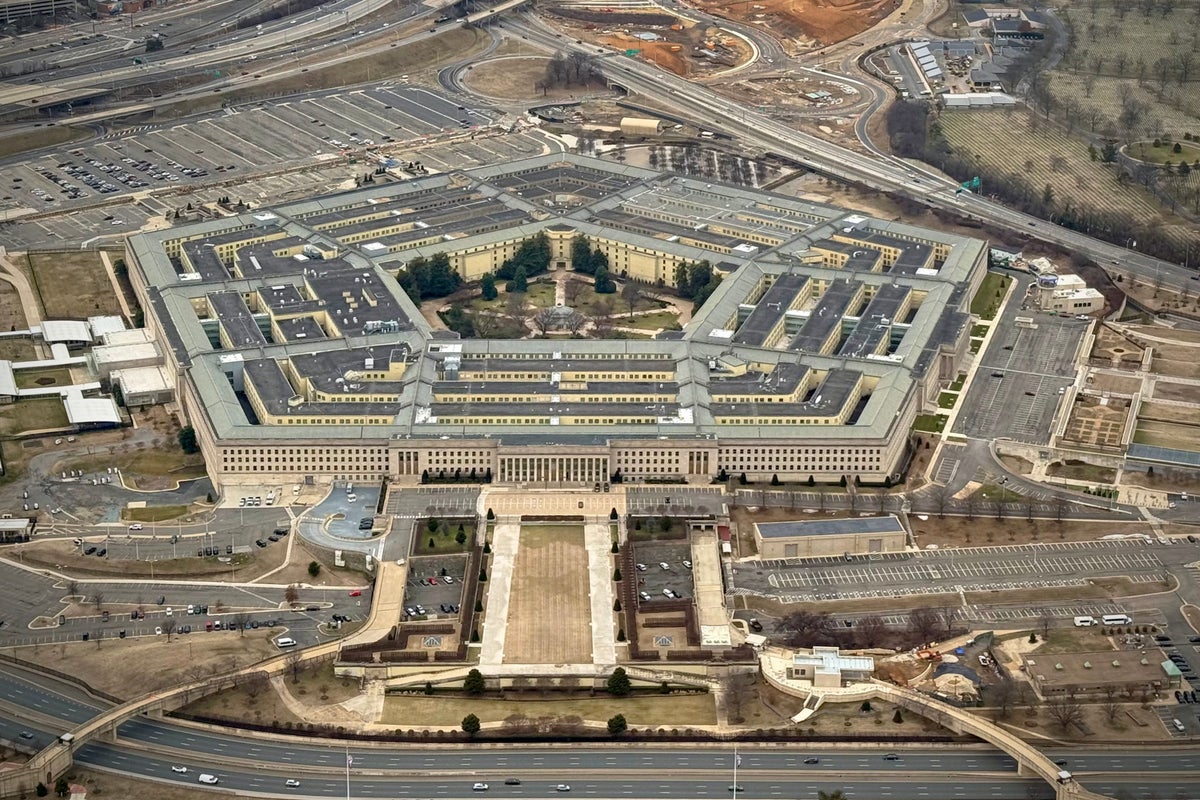
Pentagon Reportedly Testing Radio Wave Device Linked to 'Havana Syndrome'

This reported machine may be linked to "Havana syndrome," a debated condition characterized by a strange panoply of symptoms that were experienced by U.S. officials stationed in Cuba

Brought to you by Scientific American
Start the New Year Right

A passion for science deserves more than quick headlines—delve deeper into the ideas, breakthroughs, and discoveries that fuel the future. Learn more.

Wikipedia at 25: Science's Front Page Faces a New Era

Wikipedia had to fight to establish its legitimacy—and now it faces a new existential threat posed by generative AI

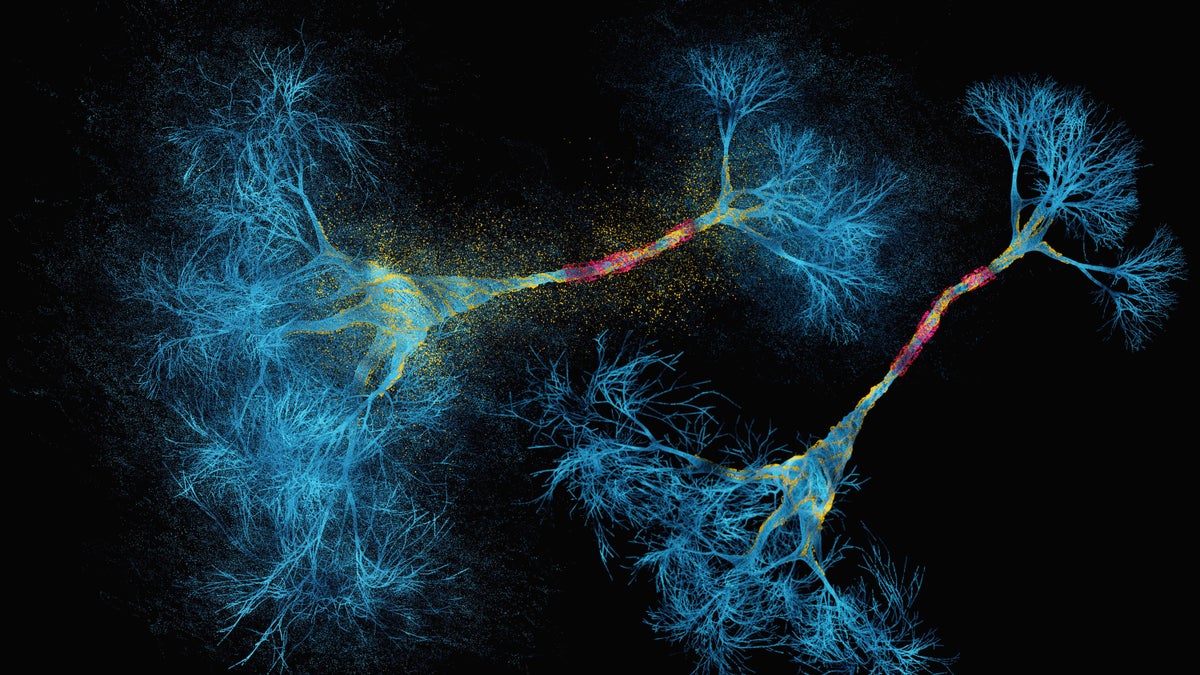
Does String Theory Explain the Wiring of the Brain?

Mathematical tools from string theory are giving scientists a new way to study the networking of neurons

Get a deal on a subscription to Scientific American. Supporting our work means amplifying science.
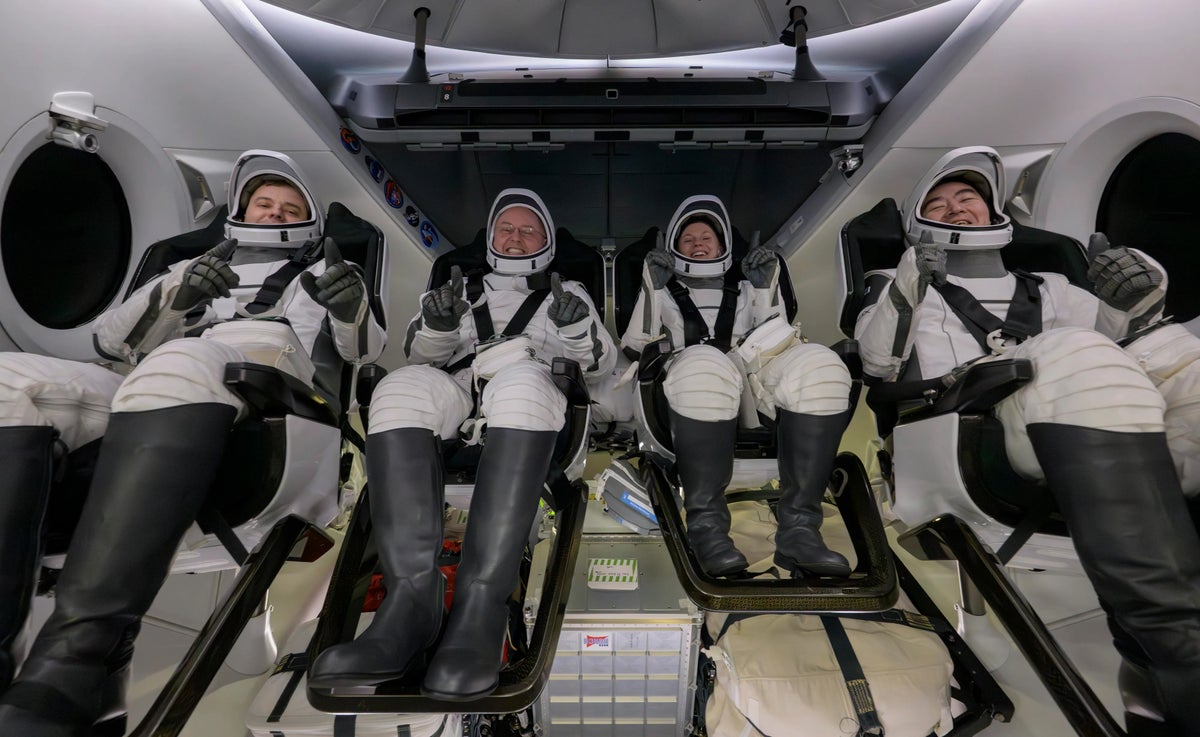
Astronauts Return to Earth in First ISS Medical Evacuation

On Thursday NASA chief Jared Isaacman said the experience of the returned Crew-11 will be used to prepare for future human spaceflight—including to the moon

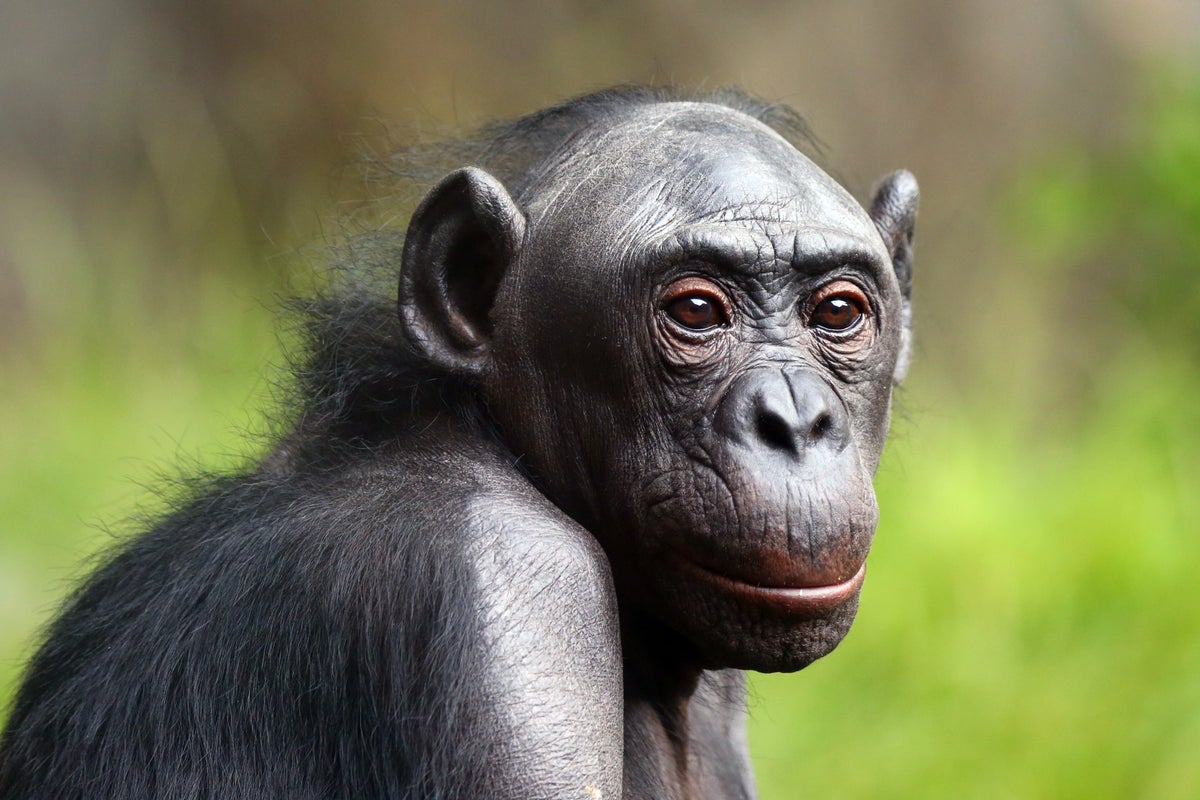
New Study Probes How Same-Sex Behaviors Evolved in Nonhuman Primates

New research links same-sex behaviors in nonhuman primates to the evolution of complex social structures

How Seed Oils Became Controversial—And What the Science Really Says

A food scientist debunks the vilification of seed oils on social media and explains what research says about them.

Far-Out Exoplanet Breaks a Cardinal Rule of Astronomy

Discovered by volunteer scientists, this alien planet is out of synch with its siblings

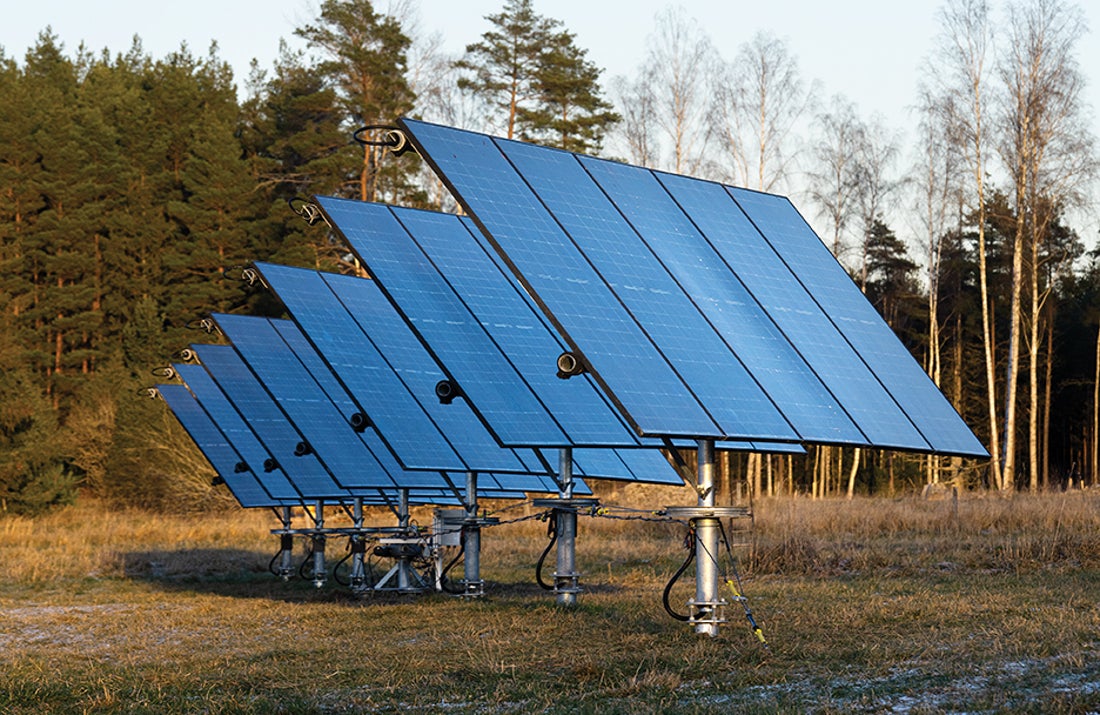
These Vertical Solar Panels Survive Storms by 'Swaying' Like Trees

Traditional solar fails in the windswept north. Two Swedish inventors are betting on aerodynamic resilience to solve the latitude gap

The Math behind a Perfect Poker Deck

A traditional card deck happens to dodge a tricky poker paradox. Other poker variants aren't so lucky

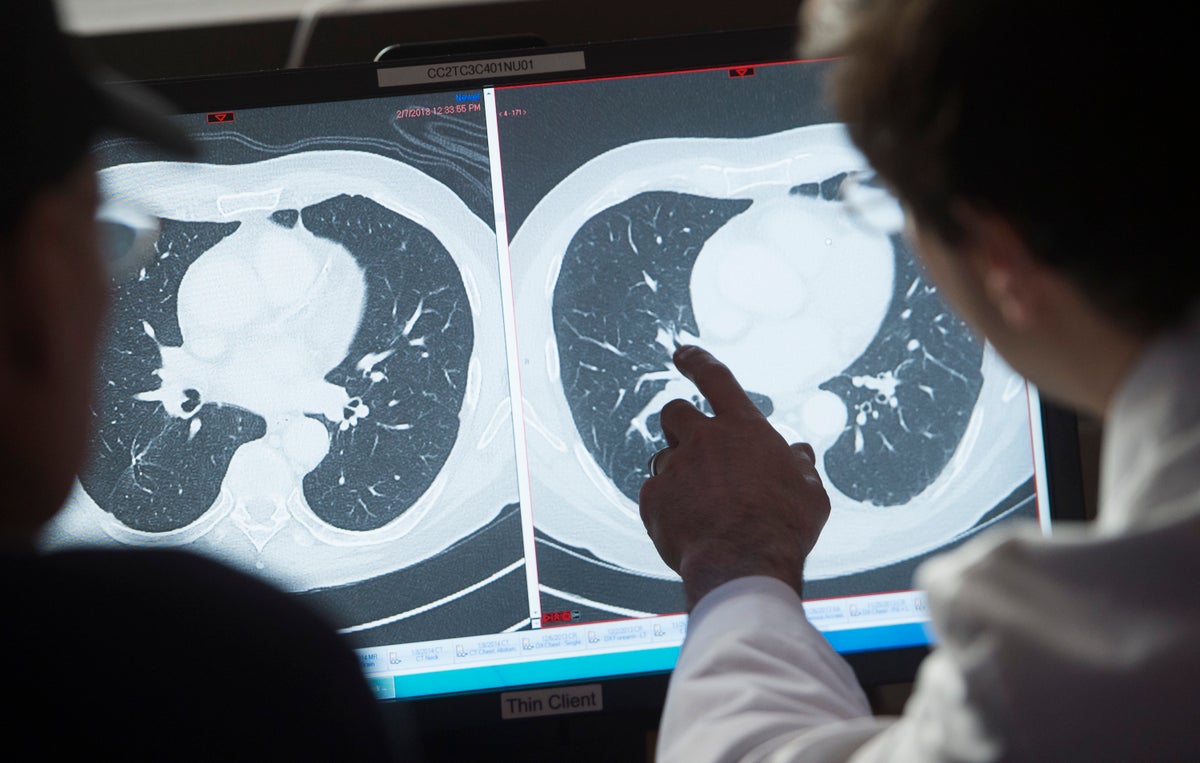
70 Percent of Cancer Patients Now Survive at Least Five Years, Study Finds

Cancer survival rates climbed significantly in recent decades. But federal funding cuts could threaten that progress, physicians warn

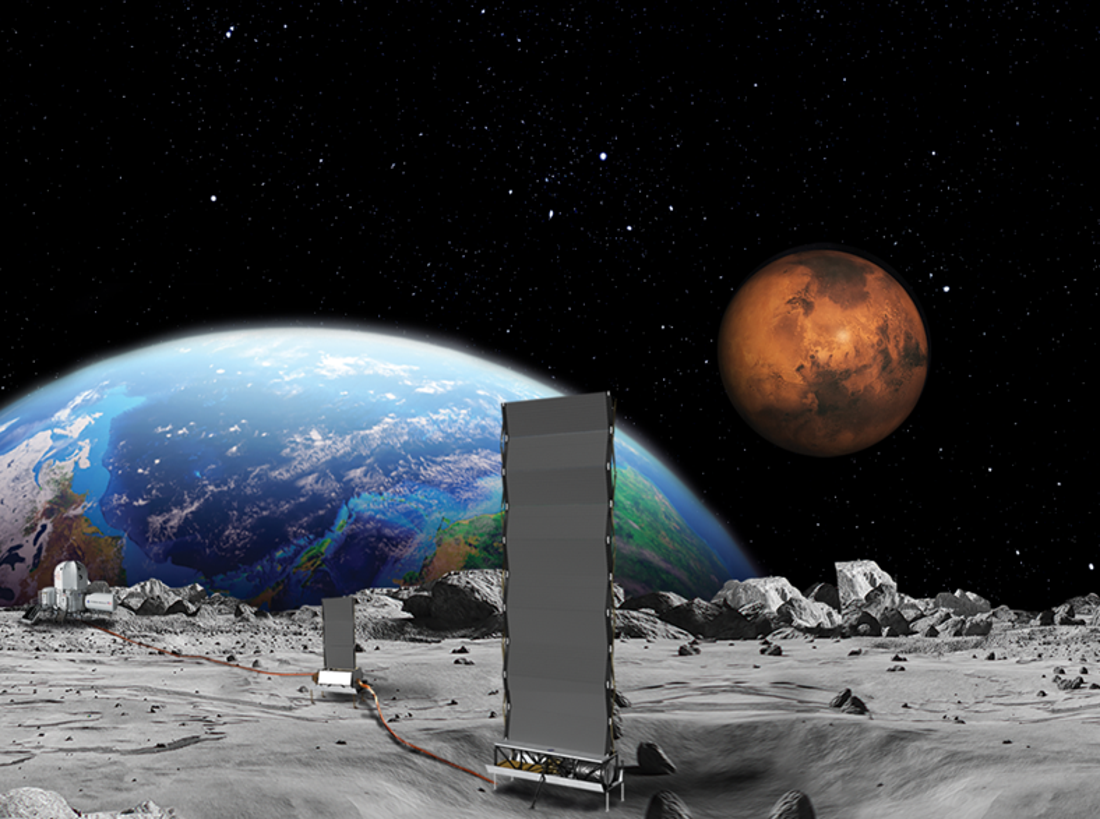
NASA Commits to Plan to Build a Nuclear Reactor on the Moon by 2030

The U.S. space agency and the Department of Energy will work together to build a fission reactor on the lunar surface in the next four years

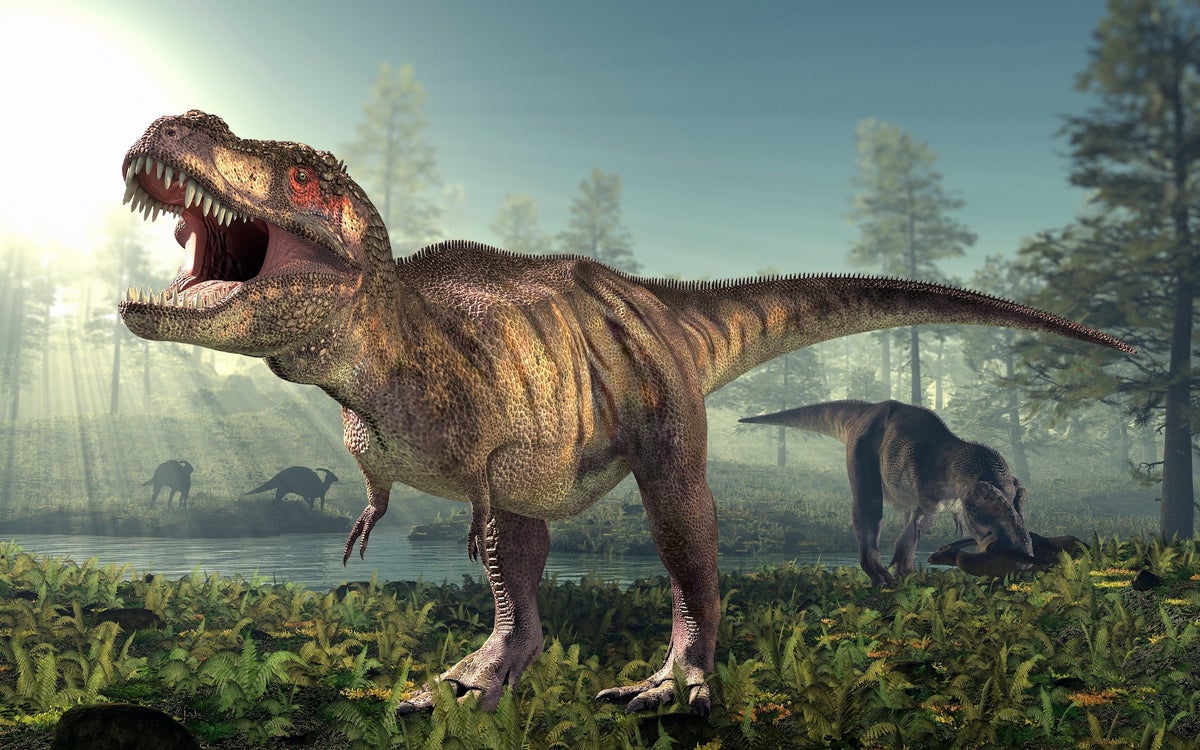
T. rex Bones Reveal These Dinosaurs May Have Lived Far Longer Than We Thought

New clues hidden inside T. rex bones suggest that the carnivore lived longer lives than we thought

Scientist Pankaj

Week in Science: 2026 is a mathematically special number

A weekly round-up of the biggest news in science                     View in web browser ...