Friday, January 23, 2026

Week in Science: Can science solve consciousness?

A weekly round-up of the biggest news in science                    

January 23—This week, we unveiled our February issue! It's got a special focus on the mysteries of consciousness—human and beyond. Also this week, the oldest cave paintings ever found, lewd-looking "tower fossils," and a meaty feature on the DNA version of evil twins.

Emma Gometz, Newsletter Editor

How's my driving? Tell us what you think about this newsletter by emailing newsletters@sciam.com anytime.

Top Stories
A tool-using cow is challenging what we know about farm animal intelligence

A pet cow named Veronika uses a tool in a surprisingly sophisticated way—possibly because she has been allowed to live her best life

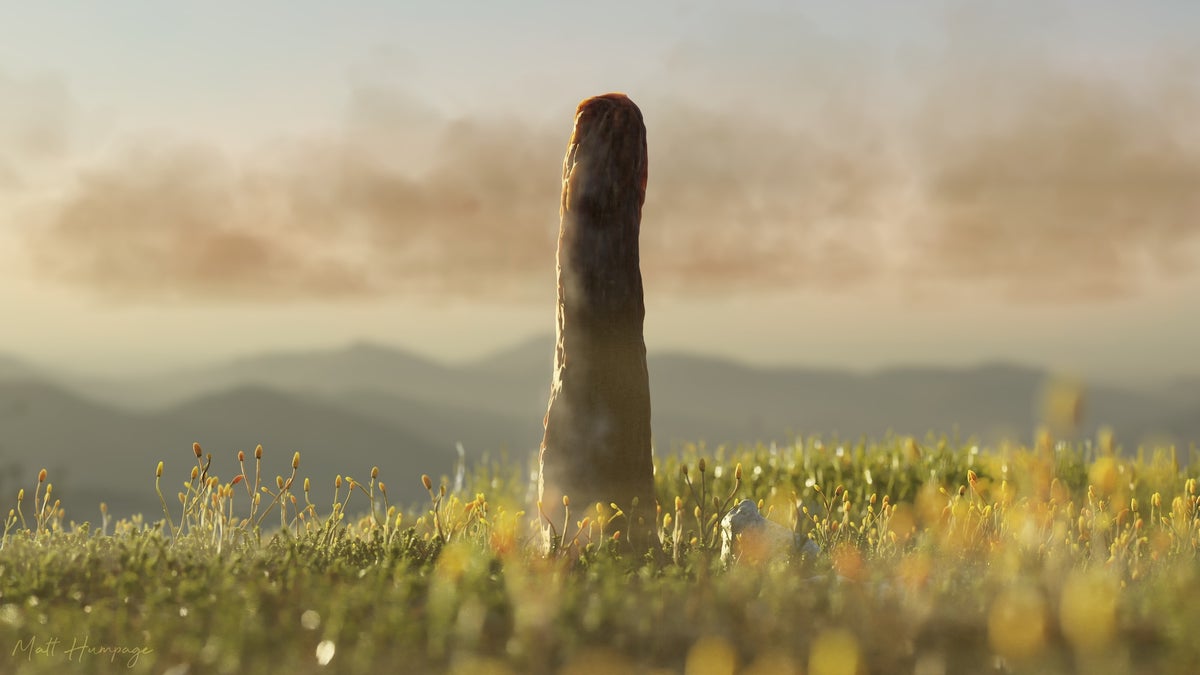
Mystery tower fossils may come from a newly discovered kind of life

Towering Prototaxites ruled Earth before trees—and they may have been a form of life entirely new to science

Brought to you by Scientific American
Start the New Year Right

A passion for science deserves more than quick headlines—delve deeper into the ideas, breakthroughs, and discoveries that fuel the future. Learn more.

Get a deal on a subscription to Scientific American. Supporting our work means amplifying science.
Parents might age faster or slower based on how many kids they have

A new study found that women in Finland who had a lot of kids—or none—aged faster than those with one or a few kids. But the findings don't necessarily translate to today's parents

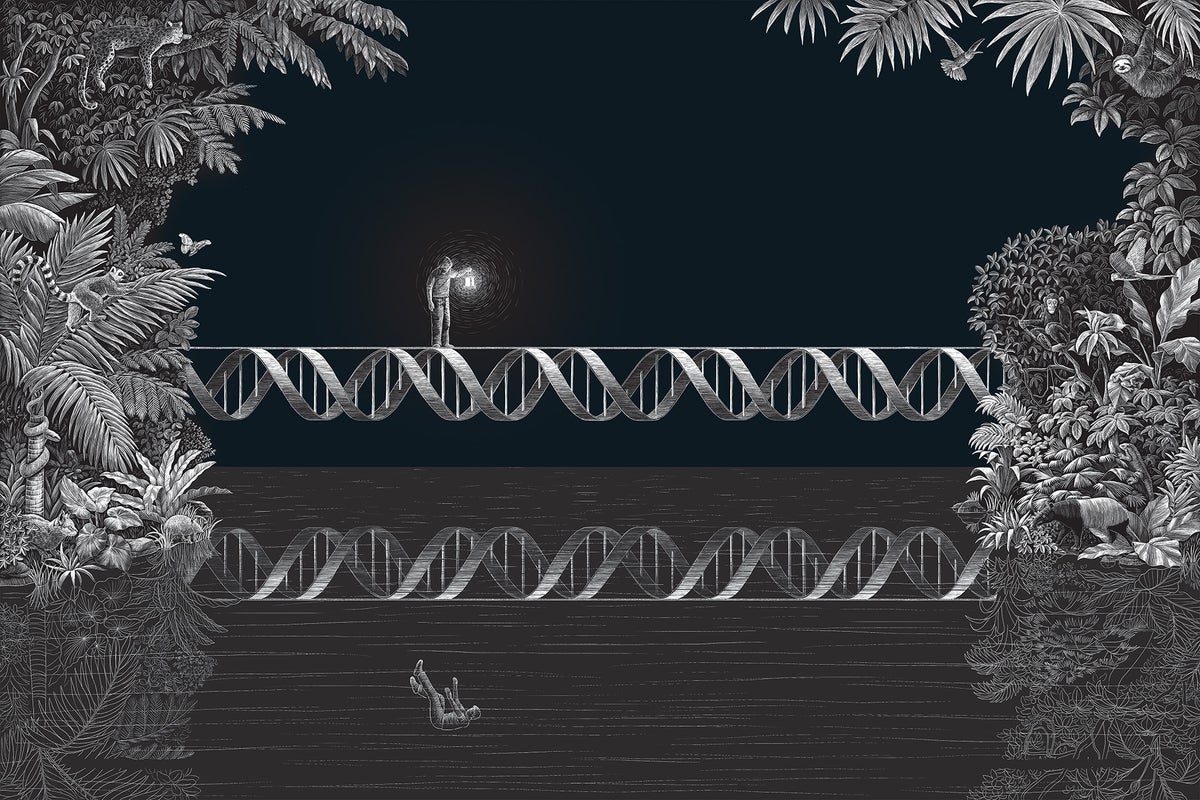
Deadly 'reverse' cells can destroy us unless scientists stop them

Researchers are close to making "reversed" cells that may wipe us off the planet

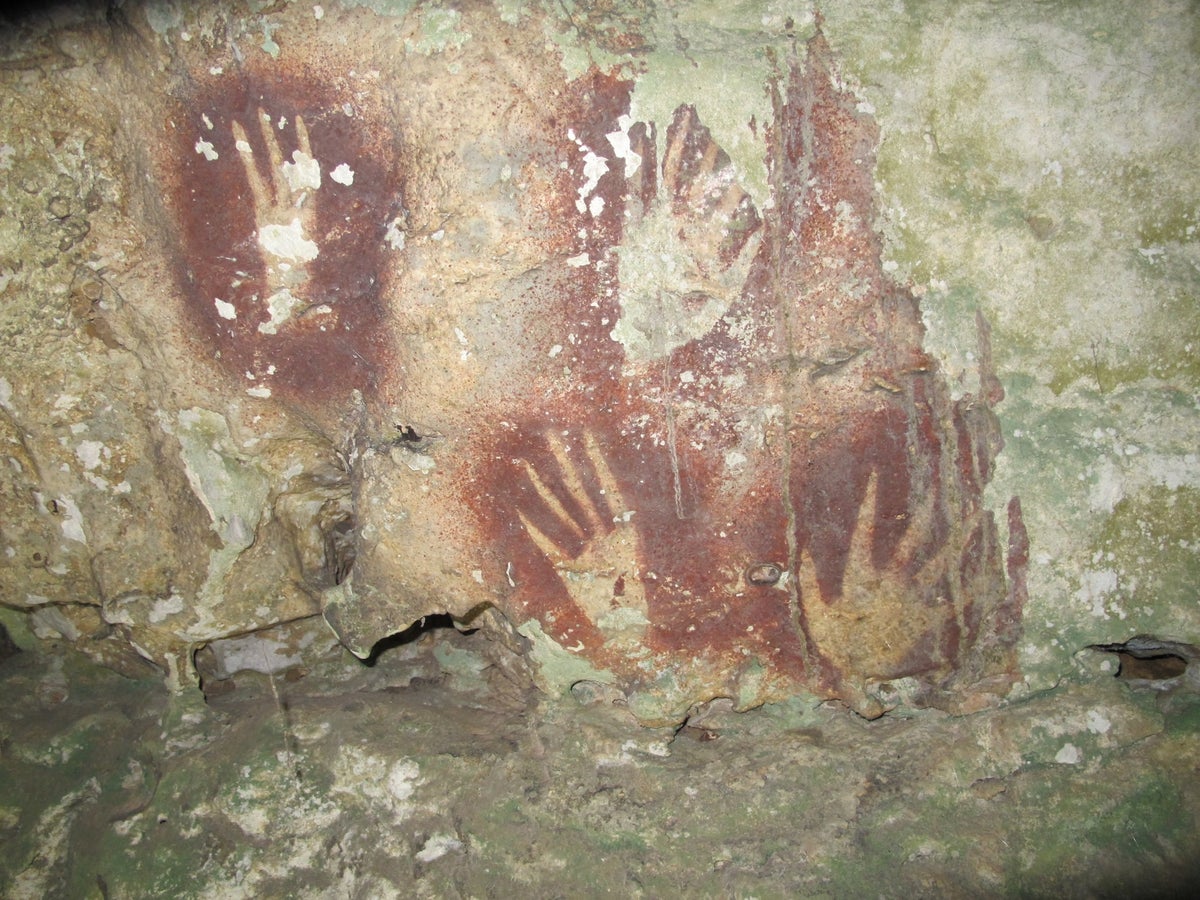
Oldest cave art ever found discovered in Indonesia

Beating the previous record for the oldest known cave artwork by at least 15,000 years, a hand stencil in an Indonesian cave might shed light on when early humans migrated to Australia


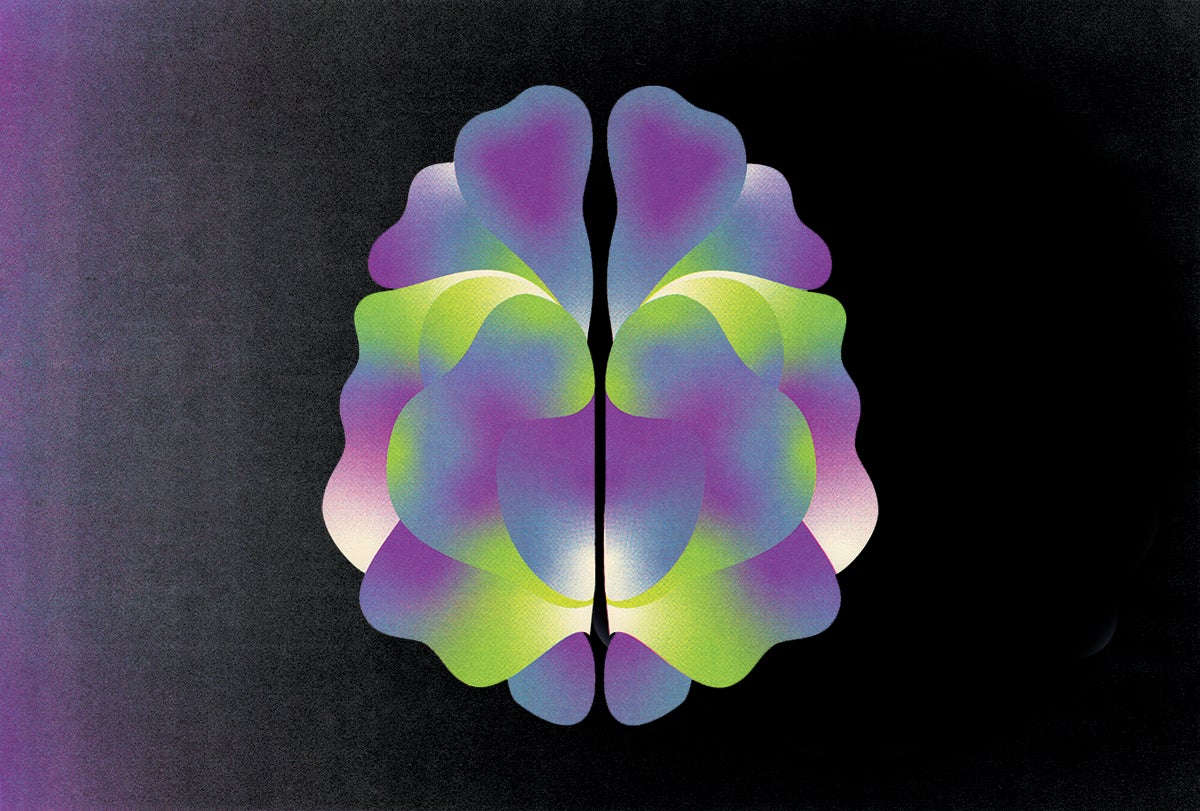
Why consciousness is the hardest problem in science

Will brain science deliver answers about consciousness or hit another wall?

Your guide to 29 wildly different theories of consciousness

The many, many ways researchers hope to solve the toughest mystery in science

The next AI revolution could start with world models

Why today's AI systems struggle with consistency and how emerging world models aim to give machines a steady grasp of space and time

NASA quietly ends financial support for planetary science groups

The U.S. space agency will quit funding several independent science advisory groups this year

AI isn't conscious—but we may be bringing it to life

In rethinking whether AI is sentient, we are asking bigger questions about cognition, human-machine interaction and even our own consciousness

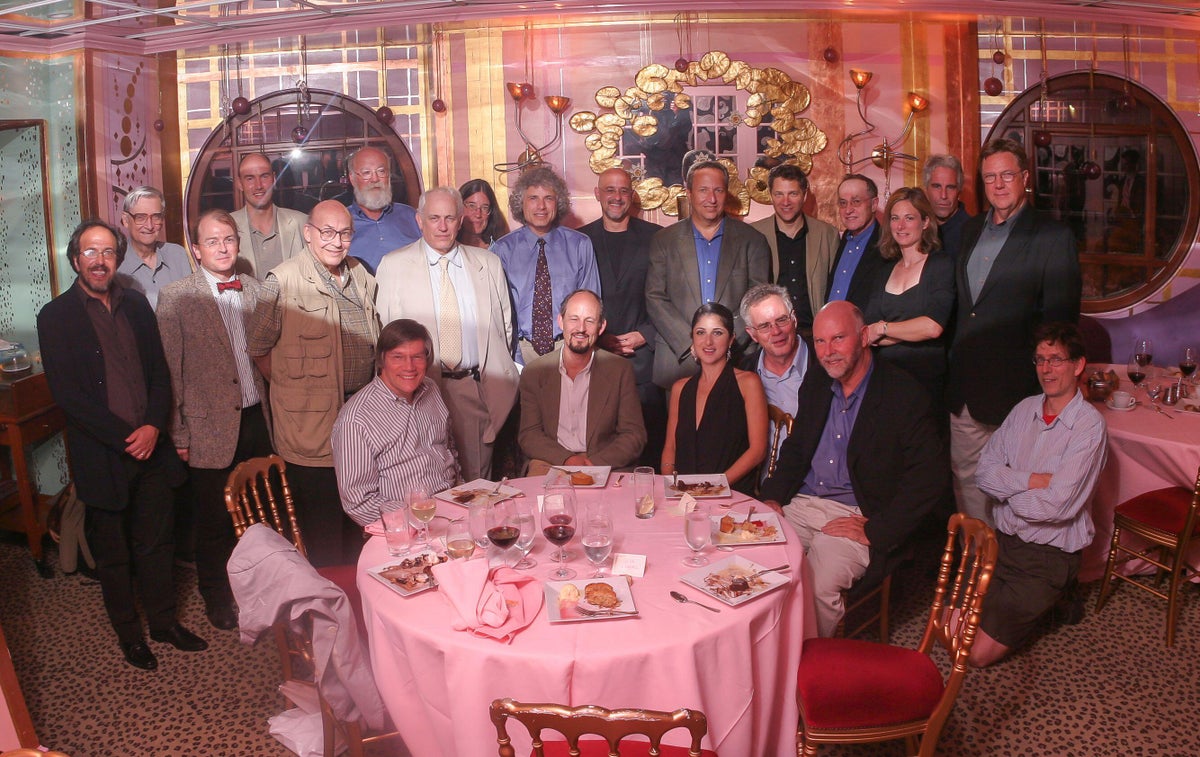
Why did Jeffrey Epstein cultivate famous scientists?

The Epstein files revive questions of whether the disgraced financier sought to merely cultivate famous scientists, or to shape science itself

The forest may be glowing—at least to deer

Deer antler rubs and hoof scrapes change how parts of the forest reflect short-wavelength light, perhaps  leaving a glowing signal

Scientist Pankaj

Week in Science: Can science solve consciousness?

A weekly round-up of the biggest news in science                     View in web browser ...