Arcane math might elucidate the wiring of neurons ͏ ͏ ͏ ͏ ͏ ͏ ͏ ͏ ͏ ͏ ͏ ͏ ͏ ͏ ͏ ͏ ͏ ͏ ͏ ͏ ͏ ͏ ͏ ͏ ͏ ͏ ͏ ͏ ͏ ͏ ͏ ͏ ͏ ͏ ͏ ͏ ͏ ͏ ͏ ͏ ͏ ͏ ͏ ͏ ͏ ͏ ͏ ͏ ͏ ͏ ͏ ͏ ͏ ͏ ͏ ͏ ͏ ͏ ͏ ͏ ͏ ͏ ͏ ͏ ͏ ͏ ͏ ͏ ͏ ͏ ͏ ͏ ͏ ͏ ͏ ͏ ͏ ͏ ͏ ͏ ͏ ͏ ͏ ͏ ͏ ͏ ͏ ͏ ͏ ͏ ͏ ͏ ͏ ͏ ͏ ͏ ͏ ͏ ͏ ͏ ͏ ͏ ͏ ͏ ͏ ͏ ͏ ͏ ͏ ͏ ͏ ͏ ͏ ͏ ͏ ͏ ͏ ͏ ͏ ͏ ͏ ͏ ͏ ͏ ͏ ͏ ͏ ͏ ͏ ͏ ͏ ͏ ͏ ͏ ͏ ͏ ͏ ͏ ͏ ͏ ͏ ͏ ͏ ͏ ͏ ͏ ͏ ͏ ͏ ͏
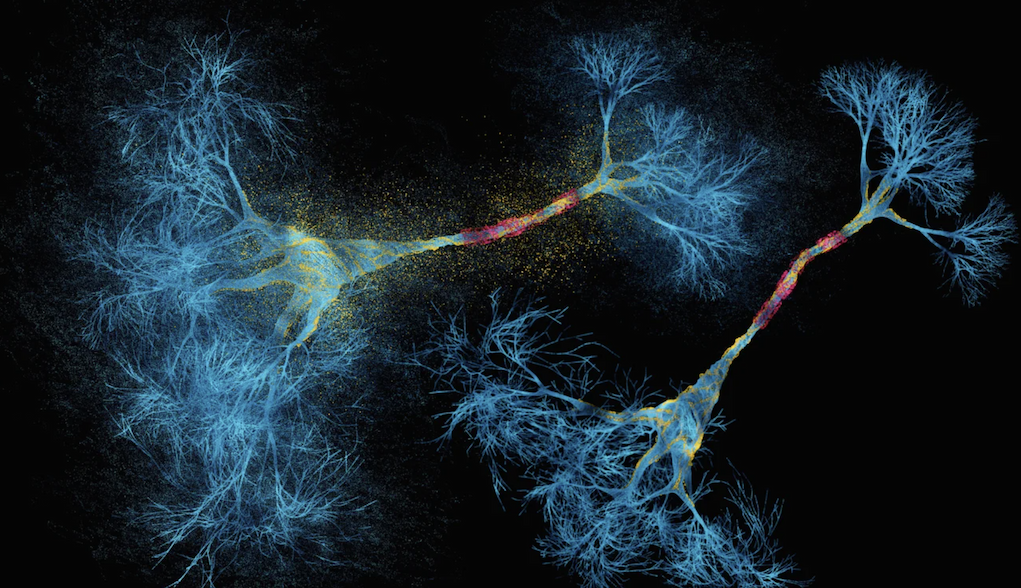
January 14, 2026—How well you sleep is linked to your health. Plus, how part of the CIA's Kryptos puzzle was solved, and surprising T. rex news. —Andrea Gawrylewski, Chief Newsletter Editor | | Artist's rendition of a multibranched network of neurons. koto_feja/Getty Images | | Supporting our work means amplifying science. Consider a subscription to Scientific American and back independent science journalism! Plus, we've got some great New Year's deals right now. | | | What's Your Sleep Profile? | The profiles: - Generally poor sleep: Struggles to fall asleep and stay asleep.
- Sleep resilience: No sleep complaints, but poor focus while awake .
- Sleep aids: Uses medication to fall asleep.
- Sleep duration: Sleeps less than 6-7 hours a night.
- Disturbances: Wakes up frequently at night.
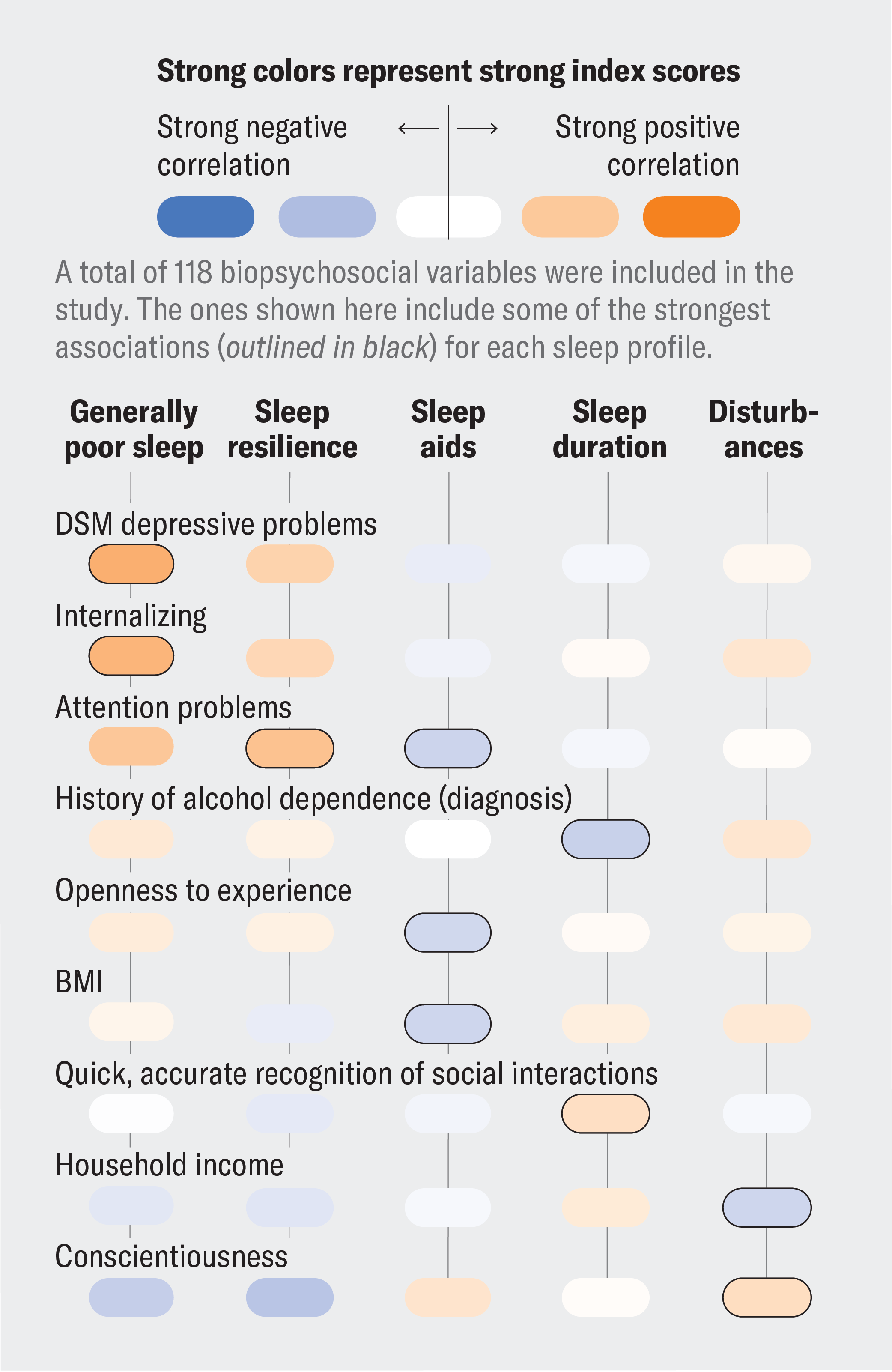
The below infographic shows which profiles were most strongly correlated with which biopsychosocial factors.
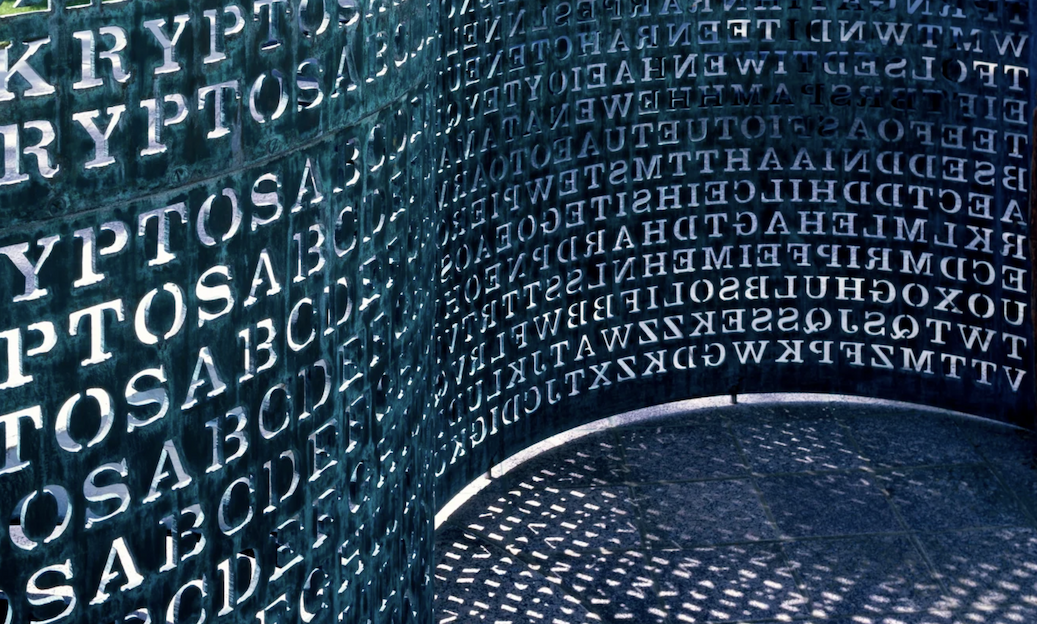
| | Jen Christiansen; Source: "Identification of Five Sleep-Biopsychosocial Profiles with Specific Neural Signatures Linking Sleep Variability with Health, Cognition, and Lifestyle Factors," by Aurore A. Perrault et al., in PLoS Biology, Vol. 23; October 2025 (data) | | What the experts say: These profiles aren't like a personality test or astrological sign, but rather a way of showing patterns between types of sleep and waking life. "You're not either one or the other of these profiles," says study co-author Valeria Kebets of Concordia University in Montreal. "We all express these profiles to a certain degree at some point in our lives." Which sleep profiles do you align with most? —Emma Gometz, newsletter editor | | Kryptos, a work of art made of encrypted code, sits on the grounds of the CIA Headquarters in Virginia. Buyenlarge/Contributor/Getty Images | | To the untrained eye, Kryptos, a sculpture outside the CIA's headquarters, looks like a wall of jumbled letters. But it contains at least five cryptography puzzles, only three of which have been officially solved by codebreakers. This last September, a pair of journalists uncovered the solution to K4, its fourth puzzle—not through breaking the code, but by finding the answer buried in the Smithsonian's archives. How it was found: In cryptography, the message, called the plaintext, gets distorted (the encryption) so that anybody who intercepts it sees only garbled gibberish (the ciphertext). Usually to solve an encrypted message, one would need a secret key to decrypt it—unless they're a very determined hacker or puzzle-loving hobbyist who tries to decode it on their own. But in this case, the plaintext solution wasn't guarded carefully enough. When the artist behind the sculpture put the K4 solution up for auction, the auction announcement referenced "coding charts" at the Smithsonian Institution. Journalists Jarett Kobek and Richard Byrne requested the documents and found the plaintext on scraps of paper. They promised to keep the solution a secret, but refused to sign an NDA. Why this matters: "The discovery of K4's plaintext was akin to finding somebody's password scribbled on a sticky note in their office," writes math writer Jack Murtaugh. Finding the answer didn't require solving cryptograms, but another common route hackers take: targeting "the flawed, forgetful and disorganized humans who use encryption." — EG
| | | | |
SPONSORED CONTENT BY CALIFORNIA CORRECTIONAL HEALTH CARE SERVICES (CCHCS) | | For Psychologists, work-life balance isn't just a goal - it's the foundation that fuels your personal growth and success. Find it here with us. | | | | |
- The mining town of Centralia, in Pennsylvania, burned for years and was finally condemned and abandoned. It's now thriving with plants and wildlife. | Atlas Obscura
- In 2025, the U.S. experienced a $1 billion disaster every 10 days, according to a new analysis. | Grist
- Cell phone bans are improving the high school experience. | Intelligencer
| | Which rocket launches, space missions, or mind-blowing dark energy discovery are you hoping to read about in 2026? We'd love to know. Head to this article and post your space news wish list items (scroll down the page to the tan box and click "Join the Discussion") and see what other readers are anticipating. Thank you for being a part of our community of science lovers! | | You can also send your thoughts to me—about space in 2026, or anything else: newsletters@sciam.com. Until tomorrow. —Andrea Gawrylewski, Chief Newsletter Editor | | | | |
Subscribe to this and all of our newsletters here. | | | | |