Scientists have dozens of theories, but no one knows how it arises ͏ ͏ ͏ ͏ ͏ ͏ ͏ ͏ ͏ ͏ ͏ ͏ ͏ ͏ ͏ ͏ ͏ ͏ ͏ ͏ ͏ ͏ ͏ ͏ ͏ ͏ ͏ ͏ ͏ ͏ ͏ ͏ ͏ ͏ ͏ ͏ ͏ ͏ ͏ ͏ ͏ ͏ ͏ ͏ ͏ ͏ ͏ ͏ ͏ ͏ ͏ ͏ ͏ ͏ ͏ ͏ ͏ ͏ ͏ ͏ ͏ ͏ ͏ ͏ ͏ ͏ ͏ ͏ ͏ ͏ ͏ ͏ ͏ ͏ ͏ ͏ ͏ ͏ ͏ ͏ ͏ ͏ ͏ ͏ ͏ ͏ ͏ ͏ ͏ ͏ ͏ ͏ ͏ ͏ ͏ ͏ ͏ ͏ ͏ ͏ ͏ ͏ ͏ ͏ ͏ ͏ ͏ ͏ ͏ ͏ ͏ ͏ ͏ ͏ ͏ ͏ ͏ ͏ ͏ ͏ ͏ ͏ ͏ ͏ ͏ ͏ ͏ ͏ ͏ ͏ ͏ ͏ ͏ ͏ ͏ ͏ ͏ ͏ ͏ ͏ ͏ ͏ ͏ ͏ ͏ ͏ ͏ ͏ ͏ ͏
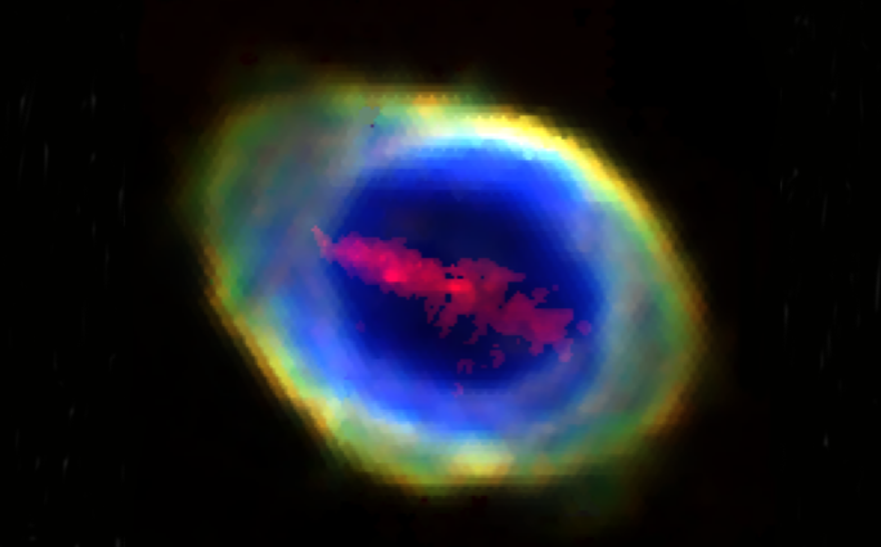
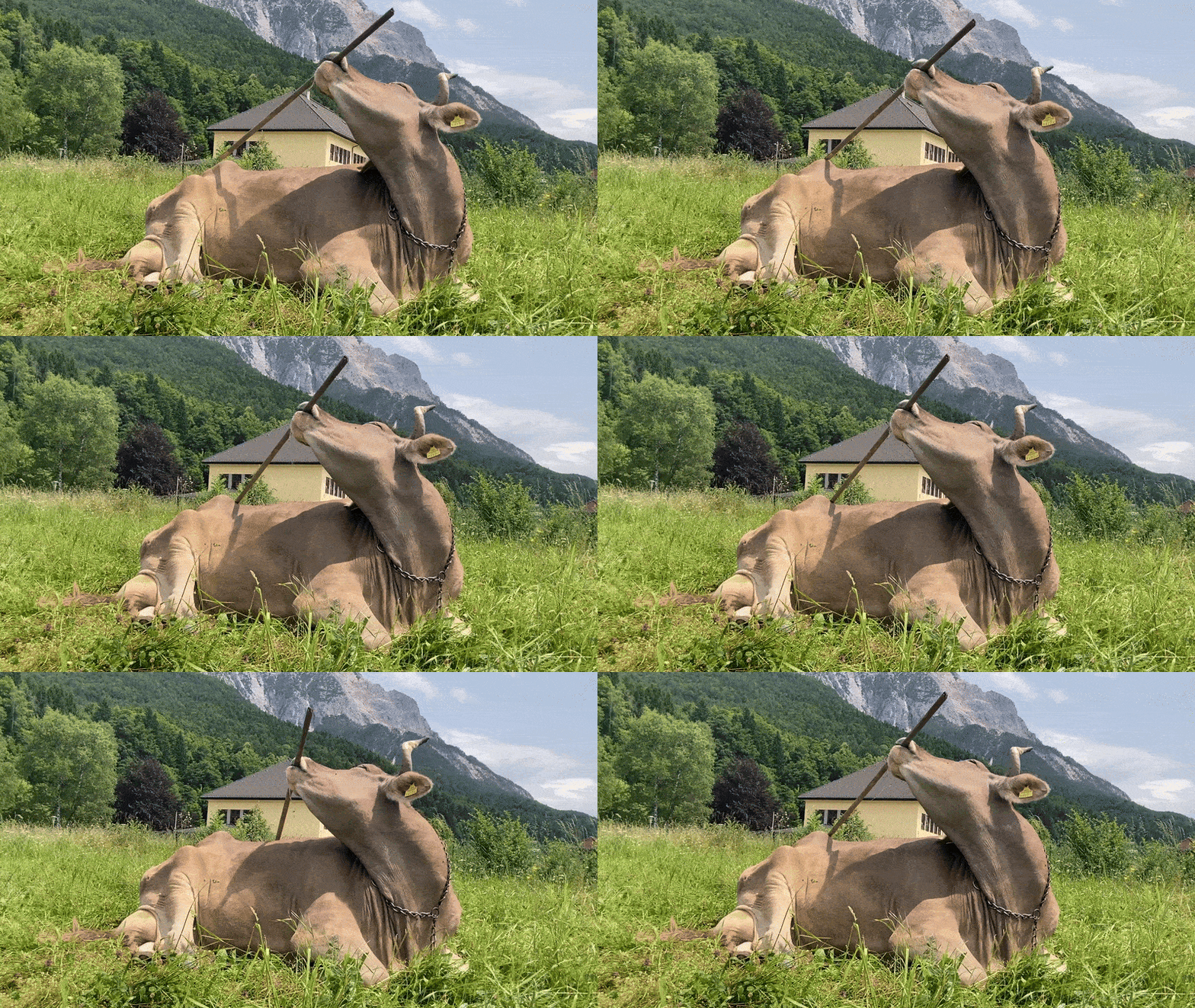
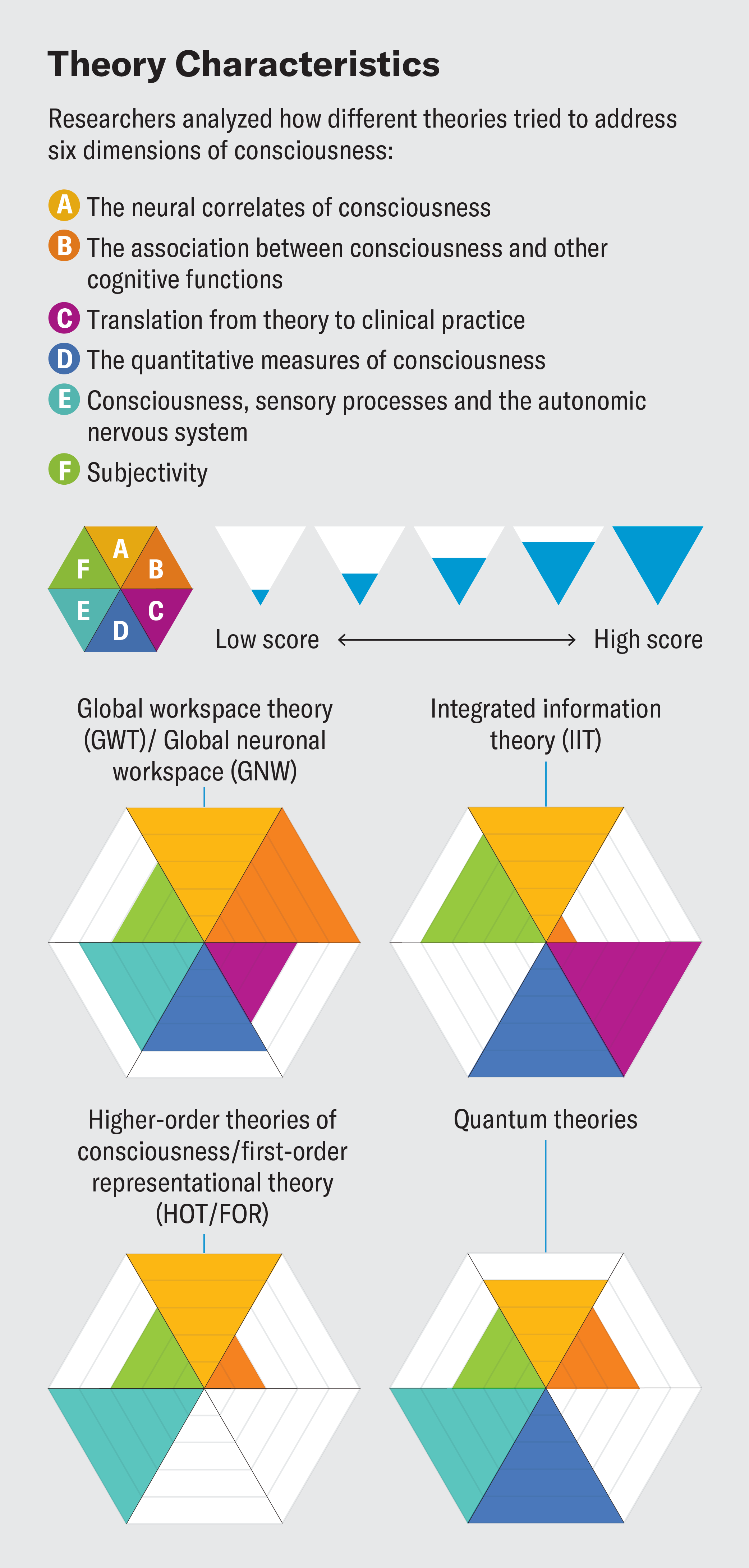
January 20, 2026—Human consciousness is a tough problem to solve. Plus, a cow is spotted using a tool, and there's a mysterious cloud of iron in the Ring Nebula. —Andrea Gawrylewski, Chief Newsletter Editor | | A pet cow named Veronika living in the small Austrian town of Nötsch im Gailtal has been documented not only using a tool but doing so in a surprisingly sophisticated way, changing her use based on anticipated outcome. Researchers analyzed how Veronika used a deck brush to scratch herself. Observing Veronika's behavior over dozens of trials, the researchers found that she used the broom exclusively to scratch the rear half of her body, including the rump, loin, udder and belly regions that would otherwise be difficult for her to reach. Most notably, she used different parts of the broom to scratch different parts of her body. Among nonhuman species, this kind of tool use has only been consistently documented in chimpanzees. | 4 min read | | Share your thoughts: What are some signs of smarts in the animals in your lives, and do you think animals have more intelligence than we give them credit for? Read the article and scroll down to the tan box near the bottom and click "Join the Discussion." | | Consciousness is the experience of being alive: your thoughts, moods and emotions as well as the sensations in your body and awareness of the world around you. But scientists do not know how it works or where it comes from. As of today there are dozens of competing theories of how the brain generates consciousness. But they disagree on where consciousness arises in the brain, whether in the front of the brain in the prefrontal cortex (the seat of higher reasoning) or in the back of the brain where information from the different senses is integrated. The most popular explanations: - Global neuronal workspace theory (GNWT) envisions consciousness as a kind of "stage" called the global workspace where things come into your awareness and then are broadcast to the rest of the brain.
- Predictive processing theories (PPTs) propose that consciousness emerges from the brain's balancing of perception and prediction—the brain casts an instantaneous explanation onto what is perceived.
- Integrated Information theory (IIT) posits that consciousness arises in a "hot zone" at the back of the brain where different types of sensory data get integrated.
| | Jen Christiansen; Source: "Theoretical Models of Consciousness: A Scoping Review," by Davide Sattin et al., in Brain Sciences, Vol. 11; April 2021 (data) | | What the experts say: Scientists have learned a lot in the last few decades—which brain regions are not involved in awareness, and some which are that were long-thought peripheral. Overall, "there's still disagreement about how to define [consciousness], whether it exists or not, whether a science of consciousness is really possible or not, whether we'll be able to say anything about consciousness in unusual situations like [artificial intelligence]," says neuroscientist Anil Seth of the University of Sussex in England, who favors the PPT model. | | | | |
SPONSORED CONTENT FROM YAKULT | | Pioneering Global Wellness | | For 90 years, Yakult has been at the forefront of scientific research, focusing on gut microbiota, probiotics, and immunity to enhance human health. Through its innovative development of food and cosmetics, Yakult promotes global wellness, offering probiotic-based solutions in 40 countries and regions worldwide. | | | | |
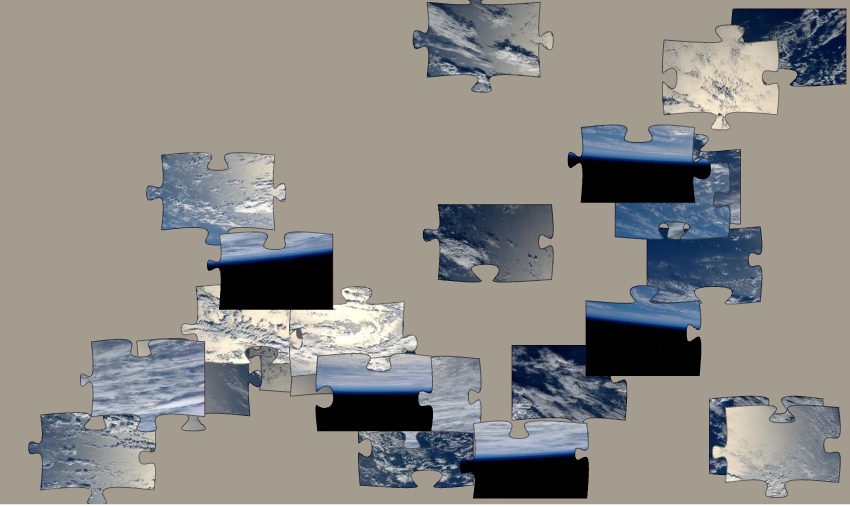
- See if you can reassemble this image. It shows a stunning view of Earth from the International Space Station.
| | - Many people feel their favorite chatbots are alive, describing very real emotional connections to these computer companions. And yet experts are soundly skeptical that any AI has achieved true consciousness. But what if science, in fact, has an unprecedented opportunity to use these human-chatbot dynamics to investigate consciousness, asks Simon Duan, a technology specialist in the U.K. government's Department for Business and Trade. "For the first time, millions of people are conducting a global experiment on the boundaries of consciousness. Each interaction is a micro-laboratory: How far can our sense of self extend? How does a sense of presence arise? AI companions could become fertile ground for studying the pliability of the human consciousness," he writes. | 4 min read
| | A fascinating exchange of views on consciousness has been playing out on our website among readers over the last several days. You can catch up here. One commenter noted that we humans are too inside the conscious experience to ever be able to truly understand the nature of our own awareness. I'm reminded of standing between two mirrors, watching the reflections stretch out endlessly, each one a reminder that when we examine consciousness closely enough, we can never escape ourselves. | | Send any thoughts on consciousness or feedback on this newsletter to: newsletters@sciam.com. See you tomorrow! —Andrea Gawrylewski, Chief Newsletter Editor
| | | | |
Subscribe to this and all of our newsletters here. | | | | |