The answer is geology. We explain how. ͏ ͏ ͏ ͏ ͏ ͏ ͏ ͏ ͏ ͏ ͏ ͏ ͏ ͏ ͏ ͏ ͏ ͏ ͏ ͏ ͏ ͏ ͏ ͏ ͏ ͏ ͏ ͏ ͏ ͏ ͏ ͏ ͏ ͏ ͏ ͏ ͏ ͏ ͏ ͏ ͏ ͏ ͏ ͏ ͏ ͏ ͏ ͏ ͏ ͏ ͏ ͏ ͏ ͏ ͏ ͏ ͏ ͏ ͏ ͏ ͏ ͏ ͏ ͏ ͏ ͏ ͏ ͏ ͏ ͏ ͏ ͏ ͏ ͏ ͏ ͏ ͏ ͏ ͏ ͏ ͏ ͏ ͏ ͏ ͏ ͏ ͏ ͏ ͏ ͏ ͏ ͏ ͏ ͏ ͏ ͏ ͏ ͏ ͏ ͏ ͏ ͏ ͏ ͏ ͏ ͏ ͏ ͏ ͏ ͏ ͏ ͏ ͏ ͏ ͏ ͏ ͏ ͏ ͏ ͏ ͏ ͏ ͏ ͏ ͏ ͏ ͏ ͏ ͏ ͏ ͏ ͏ ͏ ͏ ͏ ͏ ͏ ͏ ͏ ͏ ͏ ͏ ͏ ͏ ͏ ͏ ͏ ͏ ͏ ͏
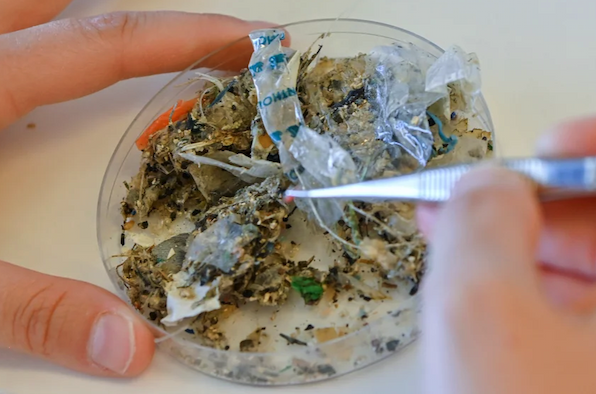
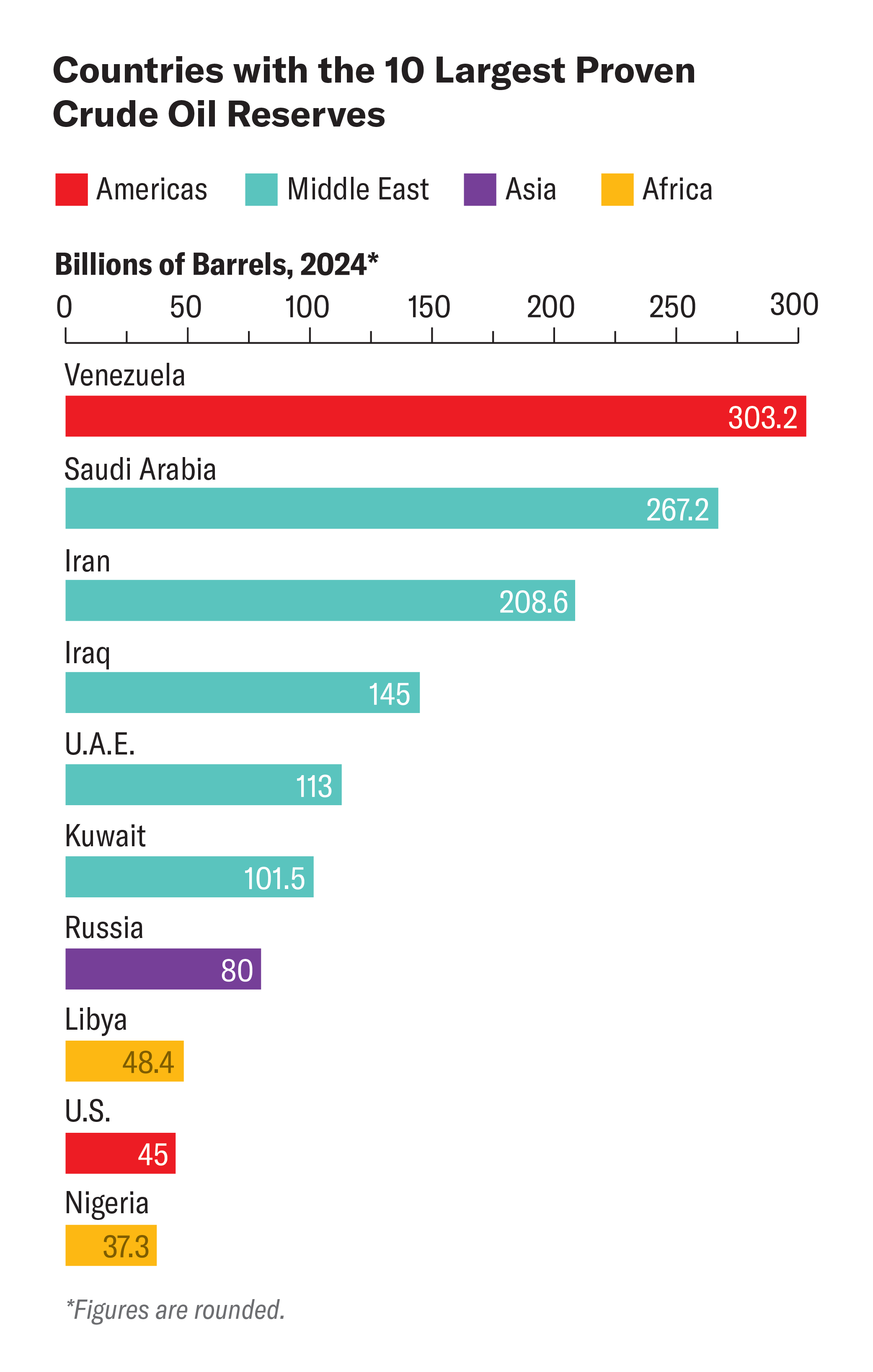
January 7, 2026—The geological explanation for Venezuela's vast oil reserves, a possible exomoon nursery, and new dietary guidelines that contradict decades of evidence. —Andrea Gawrylewski, Chief Newsletter Editor | | A researcher selects microplastics found in sea species. Milos Bicanski/Getty Images | | Supporting our work means amplifying science. Consider a subscription to Scientific American and back independent science journalism! Plus, we've got some great New Year's deals right now. | | After the January 2 U.S. military assault on Venezuela, President Trump repeatedly touted the South American country's rich oil supply as among the motivations for the invasion. In 2024 Venezuela claimed more than 300 billion barrels of proven crude oil reserves, the highest of any nation. So why does Venezuela have so much oil? The answer is geology. | | Amanda Montañez; Source: OPEC Annual Statistical Bulletin 2025. Organization of the Petroleum Exporting Countries, 2025 (data) | | How it works: Venezuela is nestled between the Caribbean and South American tectonic plates, with the Nazca plate underlying the Pacific Ocean also exerting influence. Over eons those plates have moved, and lifted the northern Andes and other highlands—simultaneously creating three sedimentary basins where organic matter (like dead plants and animals) accumulated, were buried by more sediment and put under pressure. Oil and gas formed as a result. Meanwhile, the continued motion of the tectonic plates fractured the rock surrounding these deposits. This set the hydrocarbons free from the source rock in which they formed and enabled them to migrate up into more porous rock that then trapped them in place.
Oil vs. gas: Whether oil or gas forms depends on two factors. The first is how much rock builds up above the material. The so-called oil window occurs anywhere from 4,000 and 12,000 feet deep; below that, organic matter is more likely to turn into gas. The other factor is the origin of the organic material itself—marine plants are more likely to become oil, whereas terrestrial plants are more likely to become gas.
| | | | |
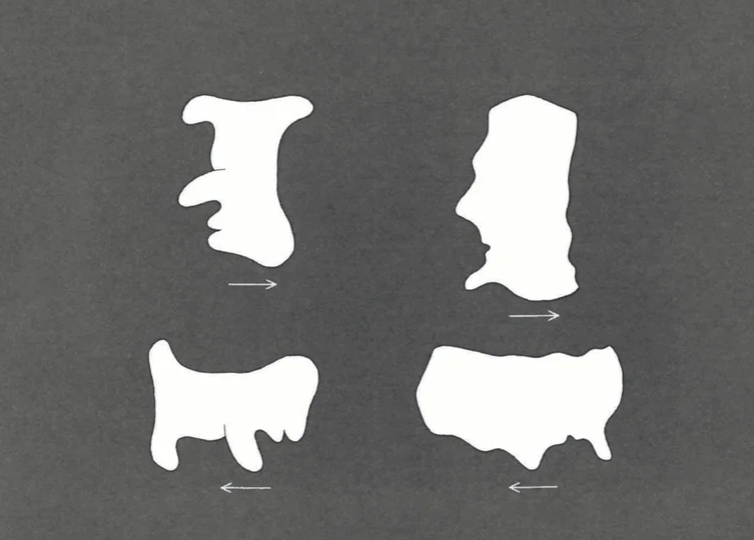
An illustrated moon-forming disk surrounds an alien planet. NASA, ESA, CSA, STScI, Gabriele Cugno/University of Zürich, NCCR PlanetS, Sierra Grant/Carnegie Science, Joseph Olmsted/STScI, Leah Hustak/STScI | | Using the JWST, astrophysicists have observed a frisbee of gas and dust surrounding CT Cha b, a huge exoplanet 622 light-years away from Earth. They analyzed the wavelengths of infrared light reflected off the material surrounding CT Cha b and found over a dozen carbon-rich compounds. With this new evidence, scientists are making the case that this dusty disk could birth the planet's young moons. Why this is interesting: Differentiating light coming from stars versus light coming from the other stuff orbiting them is quite difficult. With this particular exoplanet, scientists got lucky. Because CT Cha b is so large and far away from the star it orbits, they were able to make out the material surrounding it and identify it as a possible lunar nursery. What the experts say: This rare insight gives researchers a better chance to understand the conditions that can give birth to exomoons and can potentially help us understand how moons formed in our own solar system. "It's really hard to go back in time 4.5 billion years and imagine how they were created," says Gabriele Cugno, one of the astrophysicists behind this discovery. "Now we can actually see this process." —Emma Gometz, newsletter editor | | Scientific American, Vol. 230, No. 1; January 1974 | | - From the January 1974 issue: "Figure at top left can look like a person's head with a chef's hat or, when rotated 90 degrees, like a dog (bottom left). Figures at right can look like a bearded man's head or a U.S. map. When people tilted their head 90 degrees (shown by arrow) to view, they preferentially recognized the figure that was upright in the environment instead of the figure that was upright on the retina."
| | - Home electricity bills are climbing, but data centers are only being charged moderately more. | Yale Climate Connections
- People may be happier in smaller homes. | The Washington Post
- More than 40 million people a day go to ChatGPT for health advice, according to OpenAI. | Gizmodo
| | Of all the forces shaping human history, few are quieter—or more decisive—than the ones beneath our feet. Long before borders or ideologies, geology determined where water pooled, where minerals formed, and where energy stores built up. Earth's deep processes have quietly steered power and prosperity—from trade routes to modern geopolitics. How Venezuela came to have so much oil is just the latest reminder that history often starts underground. | | —Andrea Gawrylewski, Chief Newsletter Editor
P.S. Please join me in welcoming Emma Gometz, the newest editor on our small but mighty newsletter team! You'll see Emma's byline on Today and Science in the future. | | | | |
Subscribe to this and all of our newsletters here. | | | | |