But they don't all agree on how well the country is performing in science ͏ ͏ ͏ ͏ ͏ ͏ ͏ ͏ ͏ ͏ ͏ ͏ ͏ ͏ ͏ ͏ ͏ ͏ ͏ ͏ ͏ ͏ ͏ ͏ ͏ ͏ ͏ ͏ ͏ ͏ ͏ ͏ ͏ ͏ ͏ ͏ ͏ ͏ ͏ ͏ ͏ ͏ ͏ ͏ ͏ ͏ ͏ ͏ ͏ ͏ ͏ ͏ ͏ ͏ ͏ ͏ ͏ ͏ ͏ ͏ ͏ ͏ ͏ ͏ ͏ ͏ ͏ ͏ ͏ ͏ ͏ ͏ ͏ ͏ ͏ ͏ ͏ ͏ ͏ ͏ ͏ ͏ ͏ ͏ ͏ ͏ ͏ ͏ ͏ ͏ ͏ ͏ ͏ ͏ ͏ ͏ ͏ ͏ ͏ ͏ ͏ ͏ ͏ ͏ ͏ ͏ ͏ ͏ ͏ ͏ ͏ ͏ ͏ ͏ ͏ ͏ ͏ ͏ ͏ ͏ ͏ ͏ ͏ ͏ ͏ ͏ ͏ ͏ ͏ ͏ ͏ ͏ ͏ ͏ ͏ ͏ ͏ ͏ ͏ ͏ ͏ ͏ ͏ ͏ ͏ ͏ ͏ ͏ ͏ ͏
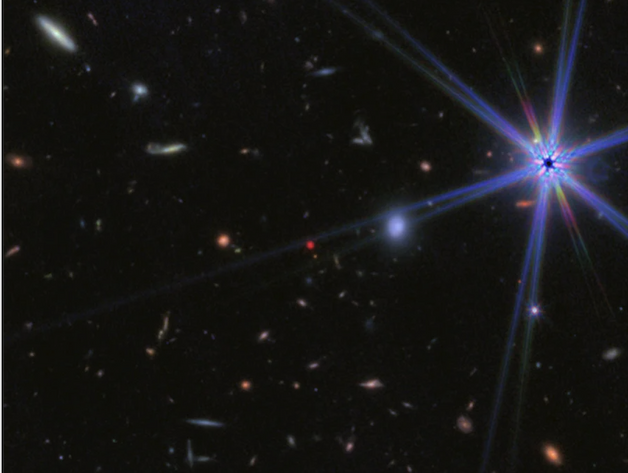
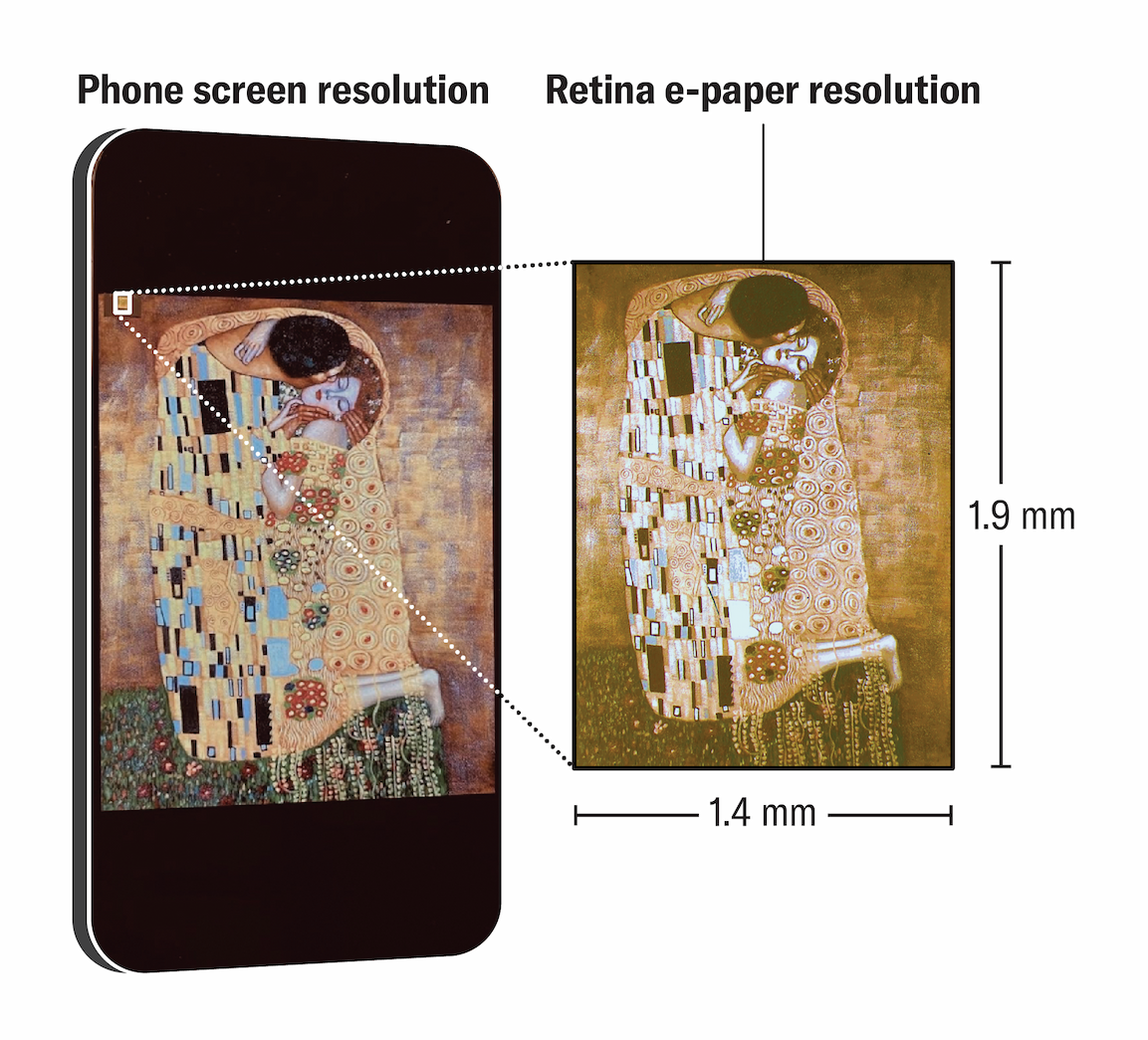
January 16, 2026—Scientists invent super high-resolution e-paper. Plus, strange little red dots appear in JWST images, and a new poll shows Americans overwhelmingly value science. That's a relief! —Andrea Gawrylewski, Chief Newsletter Editor | | A "little red dot" (center) from the early universe, as seen by NASA's James Webb Space Telescope. NASA/ESA/PRIMER (Dunlop et al. 2021) | | Scientists invented a new "e-paper" technology that can display color video on screens less than 2 square millimeters across. It does this at resolutions so high they might even be imperceptible to the human eye. The new tech uses ultra-small pixels that reflect light from their surroundings as opposed to emitting light on their own (similar to the technology used in e-readers). To create the pixels, the researchers used nanoparticles whose size and spacing affect how light is scattered, tuning them to create red, green and blue subpixels, which combine to make up one "metapixel." Then, the pixels can be controlled with electrical signals to generate any color. Why this matters: E-readers have used reflective pixel screens for years, but these new e-paper screens can display color video in resolutions so gigantic that they're beyond the limit of human perception. That, paired with the tech's improved color capabilities, means it could be a step toward improving virtual reality technology. What the experts say: A practical bonus to this tech is that it has relatively low energy requirements. The pixels retain their color for some time, so energy is only needed to change their color. "It uses ultralow power," says study co-author Kunli Xiong of Uppsala University in Sweden. "For very small devices, it is not easy to integrate large batteries, so that energy saving becomes even more important." | | Source: "Video‐Rate Tunable Color Electronic Paper with Human Resolution," by Ade Satria Saloka Santosa et al., in Nature, Vol. 646; October 30, 2025; restyled by Amanda Montañez | | The screen area of the iPhone 15 (left) is 4,000 times larger than the area of the inset e-paper image (enlarged at right). These two iterations of Gustav Kimpt's The Kiss show that the e-paper captures an impressive amount of detail but loses some of the color information visible on a typical phone screen. —Emma Gometz, newsletter editor | | | | |
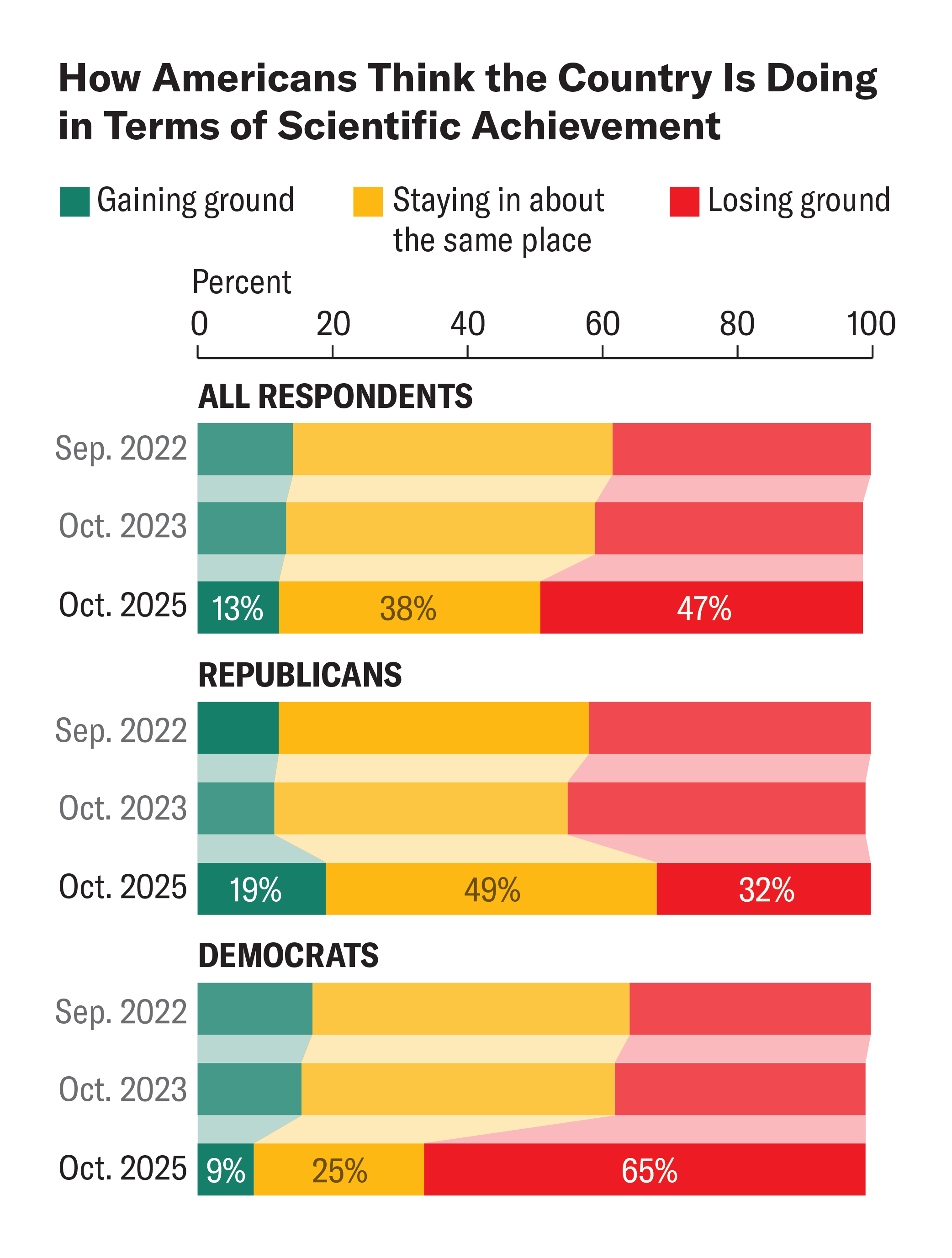
Amanda Montañez; Source: Do Americans Think the Country Is Losing or Gaining Ground in Science? Pew Research Center, January 15, 2026 (data) | | - A majority of Americans believe it is important for the U.S. to be a world leader in science, according to the Pew Research Center's latest report on trust in science, which surveyed some 5,000 respondents in October, 2025. But Democrats and Republicans hold different views on whether the country is living up to the standard; Democrats feel the country is losing ground, while Republicans take a more positive view. The good news is that overall trust in science remains strong, the poll indicates. | 3 min read
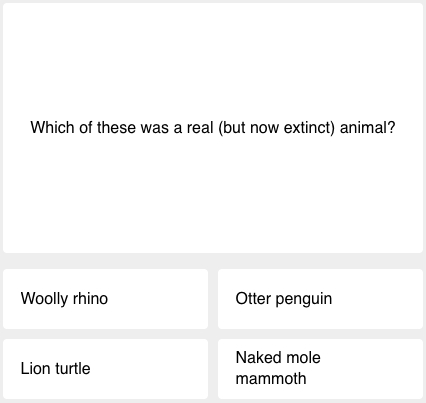
| | - If you kept up with Scientific American this week you should slay today's science quiz. Also, see how many words you can find in today's Spellements. If you spot any science terms missing from puzzle, email them to games@sciam.com.
| | MOST POPULAR STORIES OF THE WEEK | | - Pentagon Reportedly Testing Radio Wave Device Linked to 'Havana Syndrome' | 2 min read
- Does String Theory Explain the Wiring of the Brain?| 4 min read
- New Study Probes How Same-Sex Behaviors Evolved in Nonhuman Primates | 2 min read
- How Seed Oils Became Controversial—And What the Science Really Says | 17 min listen
| | As dazzling as our screens are becoming, it's worth remembering that human brains didn't evolve for pixels—they evolved for trees, sky, and moving air. Research consistently shows that time outdoors lowers stress and supports mental health and the immune system in ways technology can't replicate. So on this Friday, consider logging off for a bit. Step outside. Nature is still our most reliable home base. | | Please send feedback, comments and questions about the newsletter to: newsletters@sciam.com. We'll be back after the long weekend! —Andrea Gawrylewski, Chief Newsletter Editor
| | | | |
Subscribe to this and all of our newsletters here. | | | | |