No one can 100% predict what will happen with a winter storm ͏ ͏ ͏ ͏ ͏ ͏ ͏ ͏ ͏ ͏ ͏ ͏ ͏ ͏ ͏ ͏ ͏ ͏ ͏ ͏ ͏ ͏ ͏ ͏ ͏ ͏ ͏ ͏ ͏ ͏ ͏ ͏ ͏ ͏ ͏ ͏ ͏ ͏ ͏ ͏ ͏ ͏ ͏ ͏ ͏ ͏ ͏ ͏ ͏ ͏ ͏ ͏ ͏ ͏ ͏ ͏ ͏ ͏ ͏ ͏ ͏ ͏ ͏ ͏ ͏ ͏ ͏ ͏ ͏ ͏ ͏ ͏ ͏ ͏ ͏ ͏ ͏ ͏ ͏ ͏ ͏ ͏ ͏ ͏ ͏ ͏ ͏ ͏ ͏ ͏ ͏ ͏ ͏ ͏ ͏ ͏ ͏ ͏ ͏ ͏ ͏ ͏ ͏ ͏ ͏ ͏ ͏ ͏ ͏ ͏ ͏ ͏ ͏ ͏ ͏ ͏ ͏ ͏ ͏ ͏ ͏ ͏ ͏ ͏ ͏ ͏ ͏ ͏ ͏ ͏ ͏ ͏ ͏ ͏ ͏ ͏ ͏ ͏ ͏ ͏ ͏ ͏ ͏ ͏ ͏ ͏ ͏ ͏ ͏ ͏
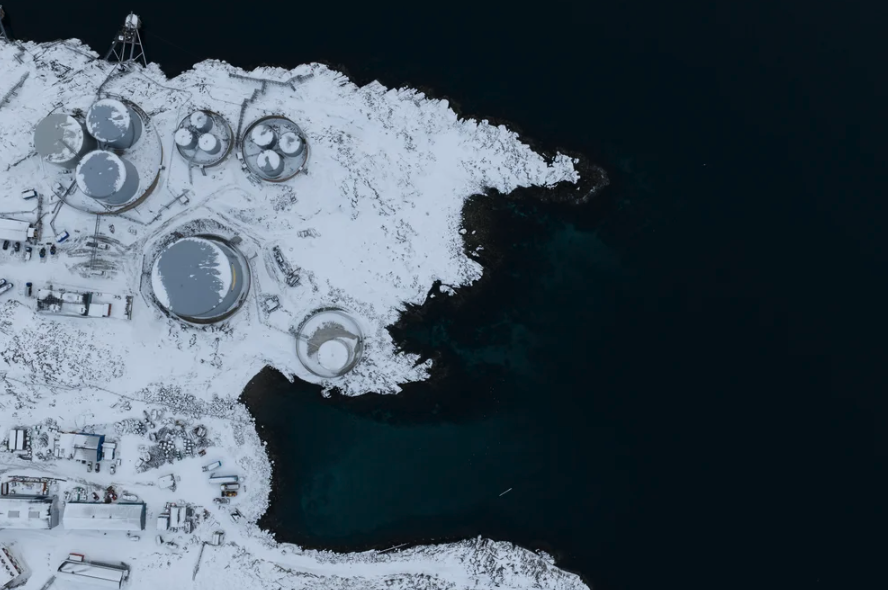
January 23, 2026—We ask a neuroscientist if food addiction is real. Plus, the challenges of mining in Greenland, and bats listen to the Doppler shift. —Andrea Gawrylewski, Chief Newsletter Editor | | A view of a facility in Greenland, the world's largest island, on January 13, 2026. Anadolu/Contributor via Getty Images | | - Greenland is rich in untapped mineral resources. But most of the landmass is locked under ice that can be more than three kilometers thick, and it's a logistically difficult place to work. | 3 min read
- Fewer people under age 50 are dying from cancer in the U.S., but colorectal cancer mortality rates continue to surge. | 4 min read
- To navigate, bats listen to the Doppler shift of the sound of their own movements while in flight. | 2 min read
- A partial skeleton dating back more than two million years is the most complete yet of Homo habilis, one of the earliest known species in our genus. | 2 min read
- Scientists created a new form of ice, never seen before on Earth. | 2 min read
- For discussion: Speaking of ice, a major winter storm could disrupt travel and bring snow and bitter cold to tens of millions this weekend. So far, forecasts have been a bit inconsistent as to who will get snow, sleet or rain. How have unreliable forecasts impacted you? Do you think predictions are getting better or worse? Share your experience on this article by scrolling down to the tan box and clicking "Join the Discussion." We'd love to hear from you!
| | About 12 percent of people in the U.S. meet the clinical criteria for food addiction, according to Alex DiFeliceantonio, a neuroscientist at Virginia Tech. The condition is roughly defined as a drive to overeat that affects a person's day-to-day functioning (like their ability to engage in work or social situations). It's not coincidental that those who struggle with food addiction are going for ultraprocessed foods, like chips, cookies, white bread or candy, says DiFeliceantonio. How it works: Ultraprocessed foods have a high addictive potential because they contain a lot of refined carbohydrates, sugar and fat, which increase dopamine in the brain. Ultraprocessed foods are formulated to activate this reward system, which helped our ancestors seek out high-energy foods. Along with being associated with higher risk of heart disease and some cancers, ultraprocessed foods can create a feedback loop of cravings—increasing snacking even when the person isn't hungry. What can be done: Even though food addiction isn't officially recognized by psychologists, 12 percent is nothing to sneeze at, DiFeliceantonio says. She adds that policymakers should be willing to regulate addictive foods. "You're not taking something away; you're putting up guardrails and helping people make informed decisions." –Emma Gometz, newsletter editor | | To properly echolocate, bats need to distinguish their own calls from other noises. To investigate this ability for the study mentioned above in Today's News, researchers built a "bat accelerator." The contraption is an 8-meter-long and roughly 4.5-meter-wide outdoor hallway with no roof and moving treadmills for walls. Each treadmill had about 8,000 plastic leaves stapled to its surface. The structure was placed in an area where wild bats regularly flew, and therefore had to be spacious enough for them to feel comfortable to enter and fly around inside. The scientists saw that the direction the foliage treadmill moved influenced how fast the animals flew, highlighting how movement affects their echolocation. And there was an extra perk to making this treadmill fit into the bats' natural travel routes—it also gave scientists some informal data on how the bats reacted to novel objects. Their response was, expectedly, a healthy amount of caution. —EG | | | | |
NASA/ESA/CSA/STScI (image); Alyssa Pagan/STScI (image processing) | | - Check out JWST's latest images of the iconic Helix Nebula, also known as the "Eye of God," a stellar grave site some 650 light-years from Earth in the constellation Aquarius. The nebula's structure is linked to a warm interior of recently ionized gas surrounded by cooler, older shells of dust that were ejected by a moribund star. Where the two meet, bundles of the hotter stuff pierce the dusty shell, creating knotty plumes that look vaguely like comets. What a stunner!
| | MOST POPULAR STORIES OF THE WEEK | | - A tool-using cow is challenging what we know about farm animal intelligence | 4 min read
- Mystery tower fossils may come from a newly discovered kind of life| 3 min read
- Parents might age faster or slower based on how many kids they have | 3 min read
- Deadly 'reverse' cells can destroy us unless scientists stop them | 12 min read
| | The monstrous storm system about to wallop dozens of states even has NOAA's Hurricane Hunters interested. Yesterday, NOAA announced that its Gulfstream IV-SP aircraft, nicknamed "Gonzo," took off to collect atmospheric data that should help forecasters predict the behavior of the storm system. The plane is part of the Hurricane Hunters' suite of airborne meteorological tools, and when it's not hurricane season, all their tech is programmed by engineers to track winter storms and other atmospheric events. How cool! | | Please send feedback, comments and questions about the newsletter to: newsletters@sciam.com. Have a great weekend! —Andrea Gawrylewski, Chief Newsletter Editor
| | | | |
Subscribe to this and all of our newsletters here. | | | | |