The unprecedented medical evacuation of four astronauts is a first in ISS history ͏ ͏ ͏ ͏ ͏ ͏ ͏ ͏ ͏ ͏ ͏ ͏ ͏ ͏ ͏ ͏ ͏ ͏ ͏ ͏ ͏ ͏ ͏ ͏ ͏ ͏ ͏ ͏ ͏ ͏ ͏ ͏ ͏ ͏ ͏ ͏ ͏ ͏ ͏ ͏ ͏ ͏ ͏ ͏ ͏ ͏ ͏ ͏ ͏ ͏ ͏ ͏ ͏ ͏ ͏ ͏ ͏ ͏ ͏ ͏ ͏ ͏ ͏ ͏ ͏ ͏ ͏ ͏ ͏ ͏ ͏ ͏ ͏ ͏ ͏ ͏ ͏ ͏ ͏ ͏ ͏ ͏ ͏ ͏ ͏ ͏ ͏ ͏ ͏ ͏ ͏ ͏ ͏ ͏ ͏ ͏ ͏ ͏ ͏ ͏ ͏ ͏ ͏ ͏ ͏ ͏ ͏ ͏ ͏ ͏ ͏ ͏ ͏ ͏ ͏ ͏ ͏ ͏ ͏ ͏ ͏ ͏ ͏ ͏ ͏ ͏ ͏ ͏ ͏ ͏ ͏ ͏ ͏ ͏ ͏ ͏ ͏ ͏ ͏ ͏ ͏ ͏ ͏ ͏ ͏ ͏ ͏ ͏ ͏ ͏
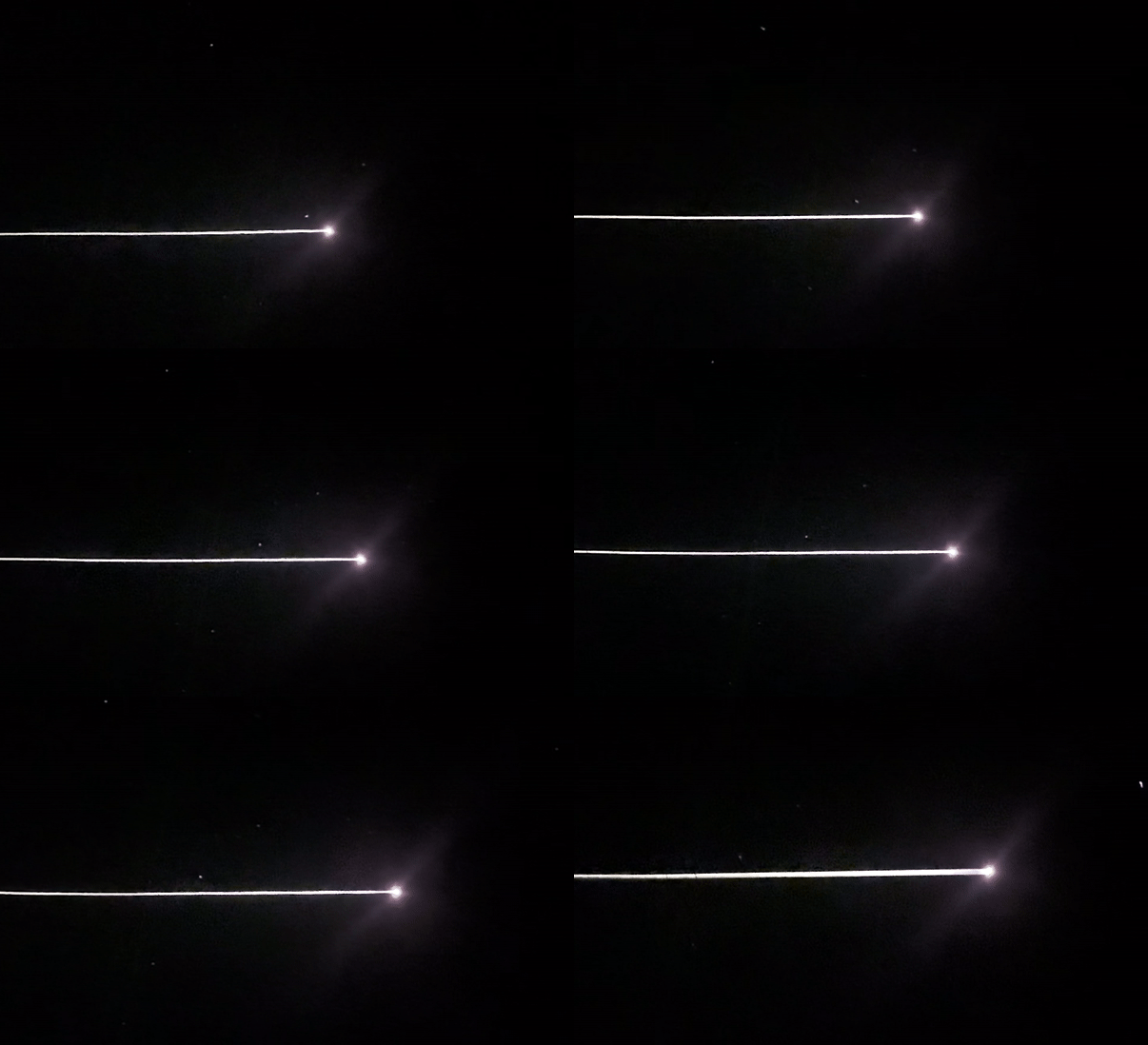
January 15, 2026—Four astronauts from the International Space Station returned to Earth early this morning. Plus, horses can smell human fear, and Wikipedia has been shaping how we seek information for 25 years. —Andrea Gawrylewski, Chief Newsletter Editor | | A reader spotted the Dragon capsule in the sky over Shell Beach, Calif. at 12:33am PST. Daniel Harper | | Why this is interesting: New tools like the Vera C. Rubin Observatory are leading to the discovery of more asteroids, and their orbital patterns are getting easier to see, making family groupings more apparent. Family linkage helps scientists make more educated guesses about asteroids we know less about. The properties of a small asteroid may be almost entirely unknown, but if that space rock belongs to a family with bigger, better-studied members, we can more easily make a good guess about what it looks like. Practical uses: Identifying asteroid families can help astronomers learn more about the paths of asteroids that have a chance of colliding with our planet. However, recognizing threats from space isn't the only scientific benefit here. "Asteroids are leftover rubble from the formation of the solar system itself, so studying them is quite literally studying our own family tree," writes columnist Phil Plait. —Emma Gometz, newsletter editor | | | | |
TRAVEL WITH SCIENTIFIC AMERICAN | | Limited Space Available for 2026 Mediterranean Eclipse Cruise Join us! We secured additional cabins for our 2026 solar eclipse cruise. Reserve yours now for the experience of a lifetime: watching totality approach while surrounded by the sea, fellow science lovers and your trip leader, Senior Editor Clara Moskowitz. | | | | |
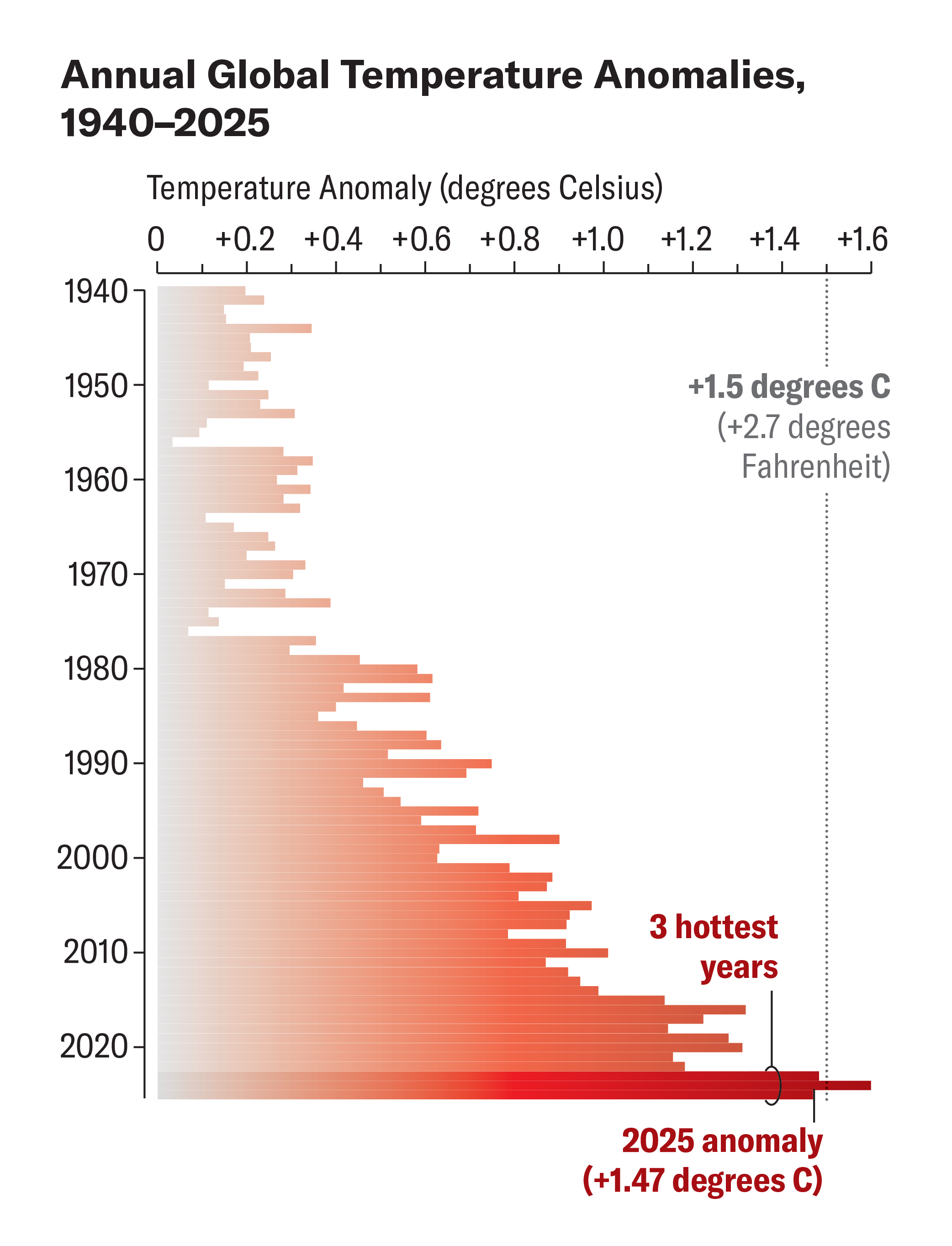
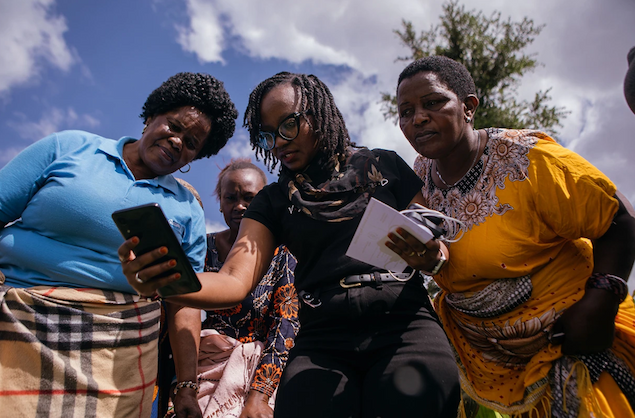
Amanda Montañez; Source: Copernicus Climate Change Service (data) | | This chart shows how much warmer the planet was on average each year compared with the average global temperature during the preindustrial period (1850 to 1990). Last year was the third hottest on record, just a hair behind 2023. During the past three years, global temperatures have surpassed 1.5 degrees Celsius above preindustrial levels. Read more here. | | Machine-intelligence researcher Neema Mduma (center, in black) develops plant-health tracker apps powered by AI for farmers in Tanzania. One such app, KilimoAI, can analyze photographs of crops to detect possible disease symptoms. "My main goal is to empower farmers with early warning systems that help them to detect pests and diseases promptly, take timely action, boost yields and, ultimately, improve food security and livelihoods," she says. "It's about making expert agricultural knowledge more accessible." Nature | 3 min read
Content courtesy of Nature Briefing. | | Scientists use creative—and sometimes downright bizarre—tactics to conduct their research. We highlight some here. | | To do this, they asked human volunteers to place cotton balls under their armpits before watching a clip from the scary movie Sinister. Then, they put the sweat-covered cotton balls into the muzzles of some horses and monitored the horses to see if the sweat of scared humans affected their behavior.
Horses live in social groups, and separating them to do experiments can stress them out. To me, the best part of this already creative research procedure was that they needed to add an "audience horse" about three feet away from the test horse, so the test horse wouldn't be stressed by being alone and skew the data. Some science heroes don't wear capes, and sometimes, they are horse friends. —EG What do you think of this section? Let us know by clicking on a reply. | | In its first few years of Wikipedia's operation, the research journal Nature conducted an expert-led investigation comparing Wikipedia to encyclopedia Britannica. The testing revealed that the two encyclopedias were comparable in how accurate they were. In the years that followed, Wikipedia's accuracy continued to improve, especially for entries on science, which many scientists assigned their students to edit for accuracy. That the site is open source and most pages can be edited by anyone is its most distinctive feature. That radical openness became Wikipedia's greatest strength—in contrast to now, as opaque AI summaries increasingly stand in for primary sources, offering convenience without the same transparency, accountability, or collective scrutiny. | | Are you a Wikipedia fan? If not, how do you get your information? Let me know: newsletters@sciam.com. And we'll return tomorrow. —Andrea Gawrylewski, Chief Newsletter Editor
| | | | |
Subscribe to this and all of our newsletters here. | | | | |