Friday, May 22, 2026

Week in Science: The scariest problem in math

The biggest science stories this week                    

May 22—The Riemann hypothesis involves a gnarly math function that, if a mathematician can get its output to zero, they could win a million dollars. So why is hardly anyone trying to solve it? Also, plant consciousness is explored in a new film, quantum computing reaches its make-or-break moment and more.  

—Emma Gometz, Newsletter Editor

Have thoughts about the Riemann hypothesis? Join the discussion with other SciAm readers. For everything else, email newsletters@sciam.com anytime.

Top Stories
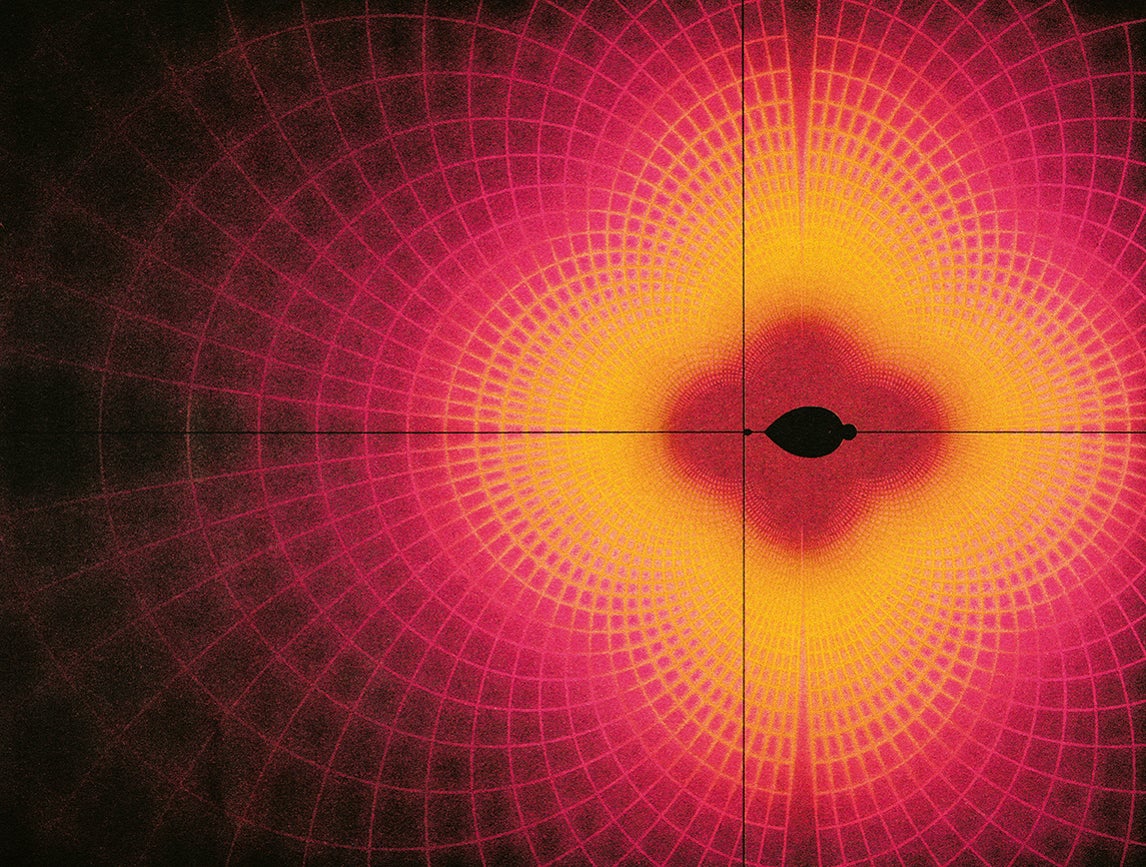
The million-dollar math problem hardly anyone is trying to solve

The intimidating legacy of the scariest problem in mathematics

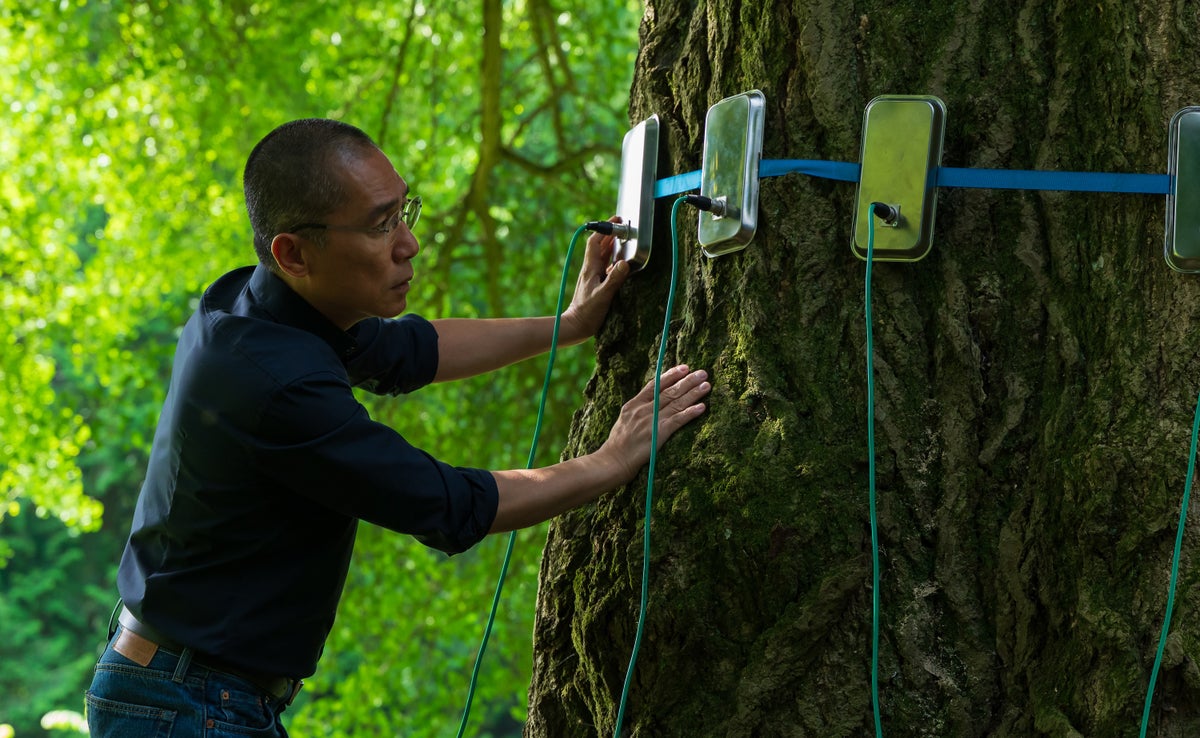
Can plants have consciousness? The film Silent Friend reimagines the science

The filmmaker behind the newly released movie Silent Friend shares the scientific and historical inspiration for its story of botanical consciousness

Brought to you by Scientific American Travel
Space Now Open for Icelandic Eclipse Adventure

New availability! Grab your spot while they last and experience the 2026 solar eclipse in the Land of Ice and Fire on this trip of a lifetime led by Senior News Editor Andrea Thomspon. Learn More.

Dive deeper into Scientific American's essential science news: Get 90 days of digital access for just $1!
New map reveals lost roads of the Roman Empire

A massive digitization project has nearly doubled the known extent of the first continent-scale road network

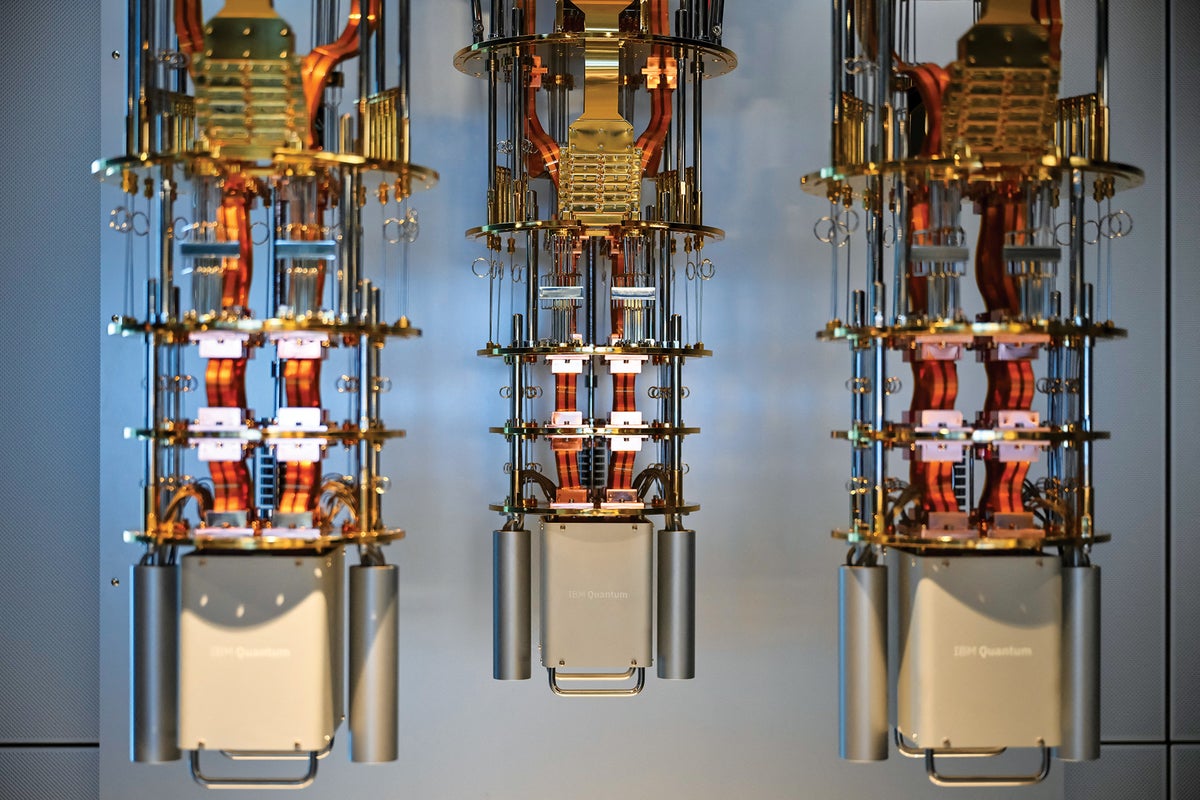
Quantum computing is reaching its make-or-break moment

Will computers based on quantum physics really change the world?

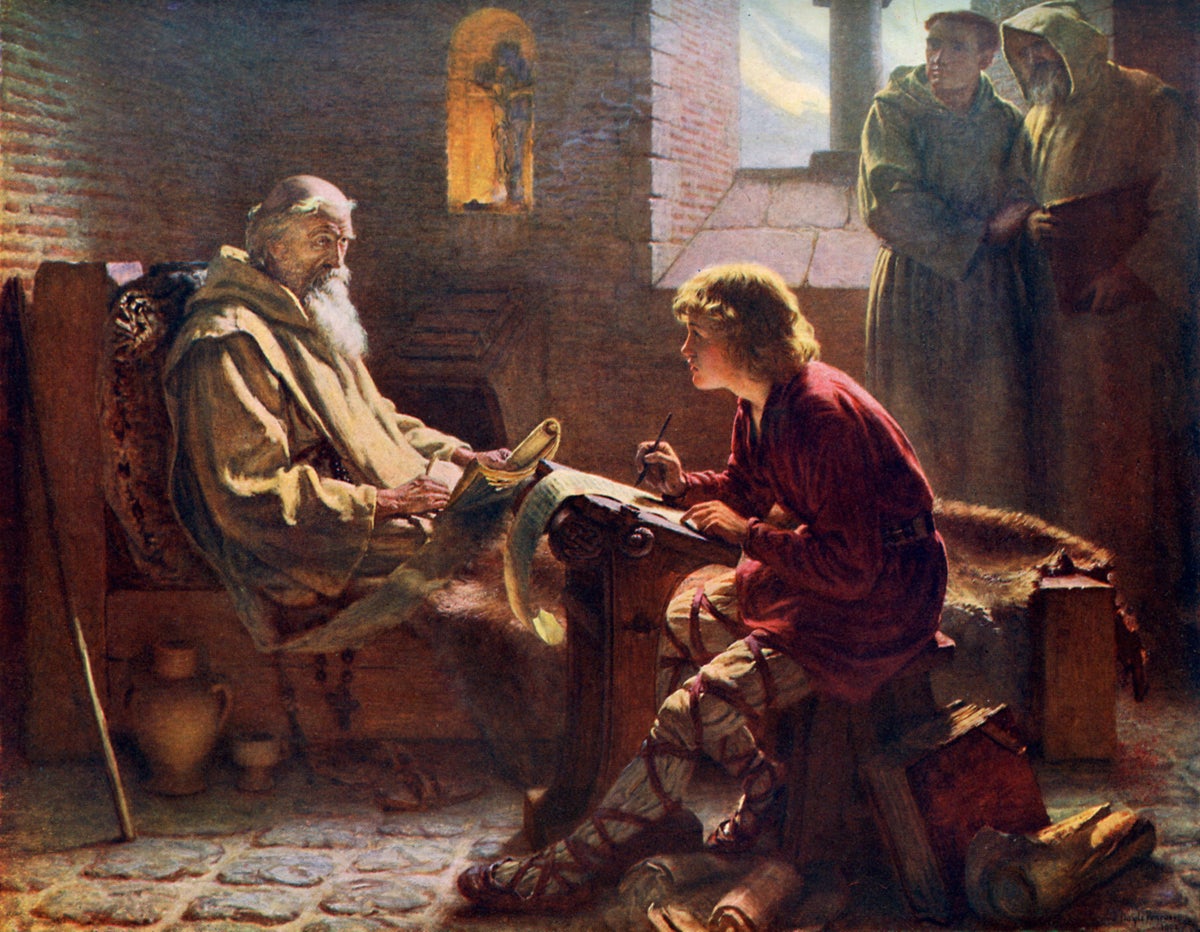
Hidden copy of the oldest known poem in the English language leaves researchers ‘speechless’

Researchers discovered the copy of the 1,300-year-old poem lurking inside a historical text in an Italian library

‘Sensational’ proof topples decades-old geometry problem

The sudden resolution of a well-known conjecture highlights the growing adoption of AI as an assistant in high-level mathematics

OpenAI announces AI’s biggest math breakthrough yet

A chatbot’s result for the 80-year-old “unit distance” conjecture is the first AI proof that would likely be published in math’s top journal if humans had done it alone

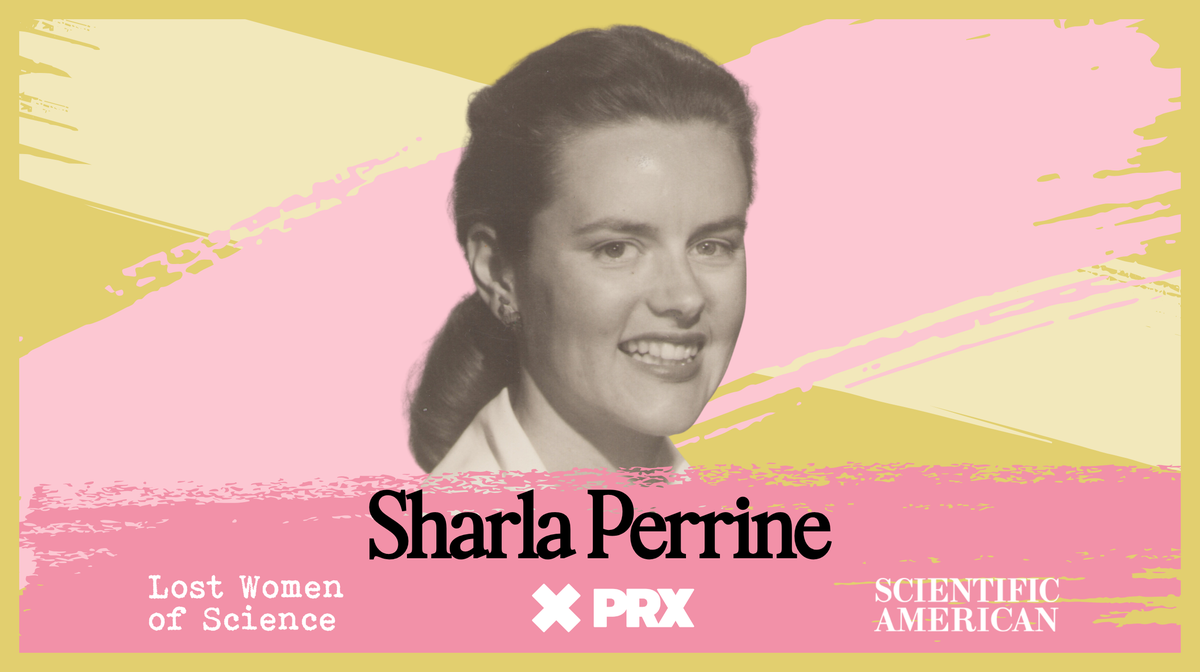
The programmer whose code underpins the Internet

Sharla Boehm, a math teacher, spent her summers coding. She’d go on to build what would eventually evolve into the Internet

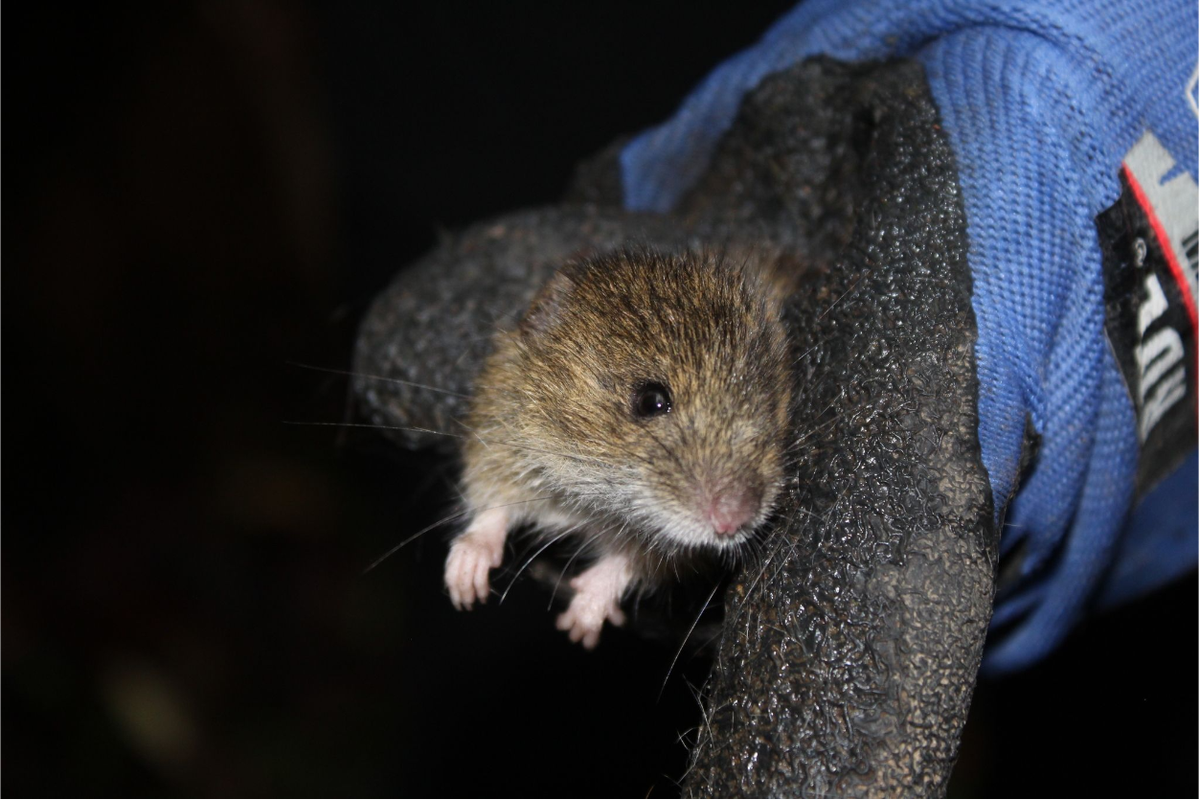
This small rodent is at the center of theories about the hantavirus outbreak

The long-tailed pygmy rice rat is the primary host for Andes virus, the type of hantavirus responsible for sickening passengers on the MV Hondius cruise ship

Hantavirus can persist in semen for years, but that doesn’t mean it stays contagious

Researchers know very little about how long the Andes version of the hantavirus can remain in human hosts

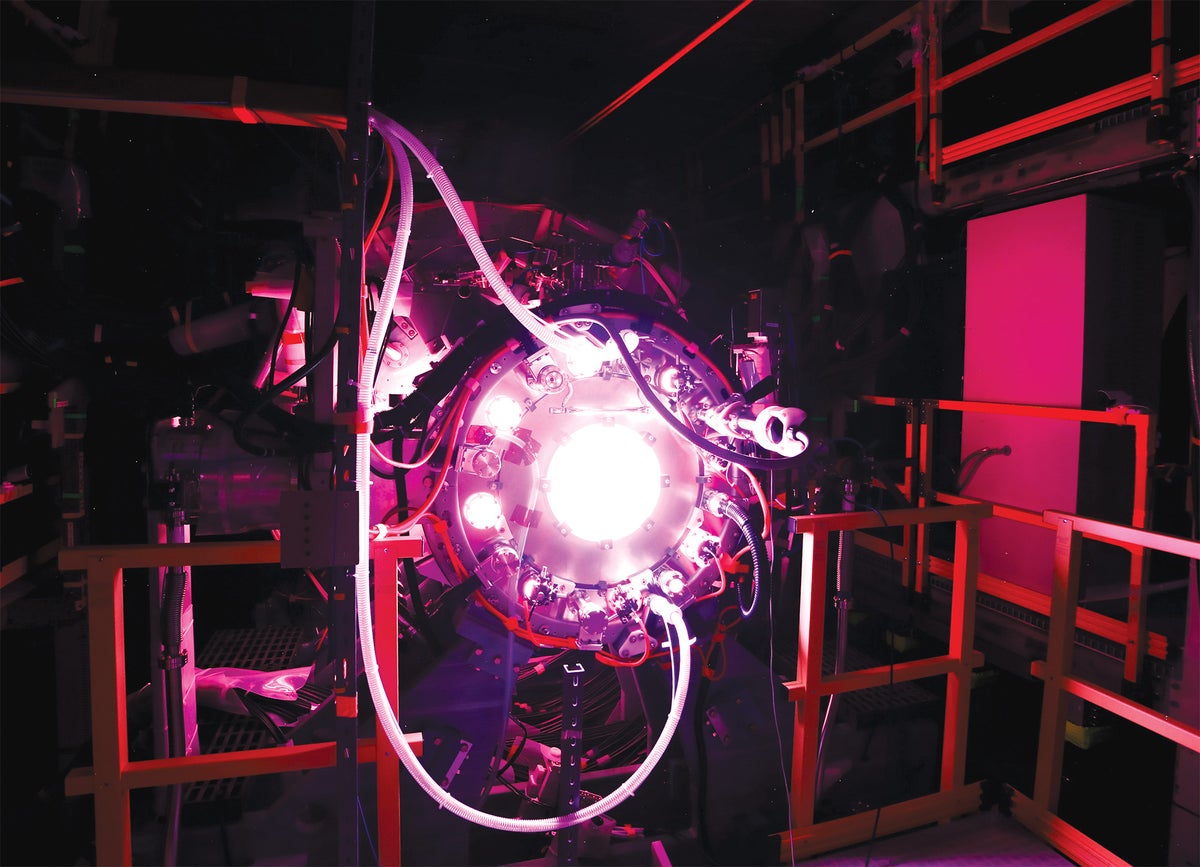
Helion Energy wants to build fusion power on a start-up timeline

This company says its pulsed plasma machine will deliver electricity to the grid by 2029. Some physicists warn that its promises are outrunning what the technology has proved

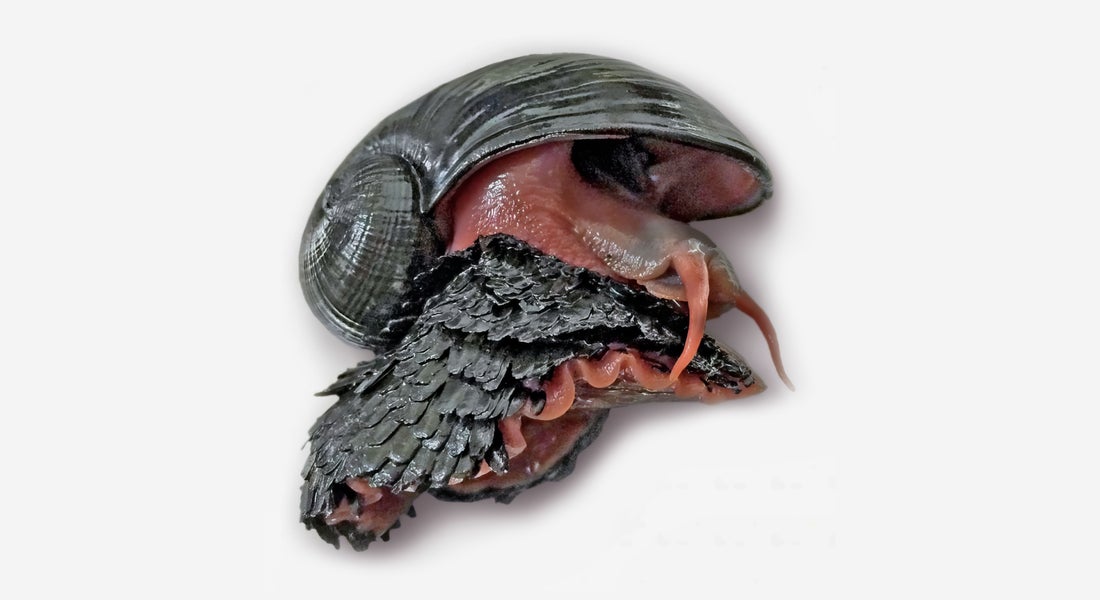
Meet the endangered scaly-foot snail, the most metal animal in the world

This snail became the first animal living on deep-sea hydrothermal vents to be added to the IUCN Red List of Threatened Species—it also turns poisonous sulfur into armor

Scientist Pankaj

Today in Science: The Great Pyramid has a "natural frequency"

It may have helped it withstand against earthquakes over the ages ͏  ͏  ͏  ͏  ͏  ͏  ͏  ͏  ͏  ͏  ͏  ͏  ͏  ͏  ͏  ͏  ͏  ͏  ͏  ͏  ͏  ͏  ͏  ͏  ...