Thursday, May 7, 2026

Space & Physics: SpaceX's AI pivot

Top stories in space and physics news                    

May 7— This week, our top stories include a new treasure trove of more than 12,000 photos from NASA’s Artemis II mission, SpaceX’s potentially problematic pivot to AI, reports of an almost unkillable fungus that might be able to live on Mars, and much more. Enjoy!

Thoughts? Questions? Let me know via e-mail (lbillings@sciam.com), X or Bluesky.

Lee Billings, Senior Editor, Physical Sciences

Top Stories
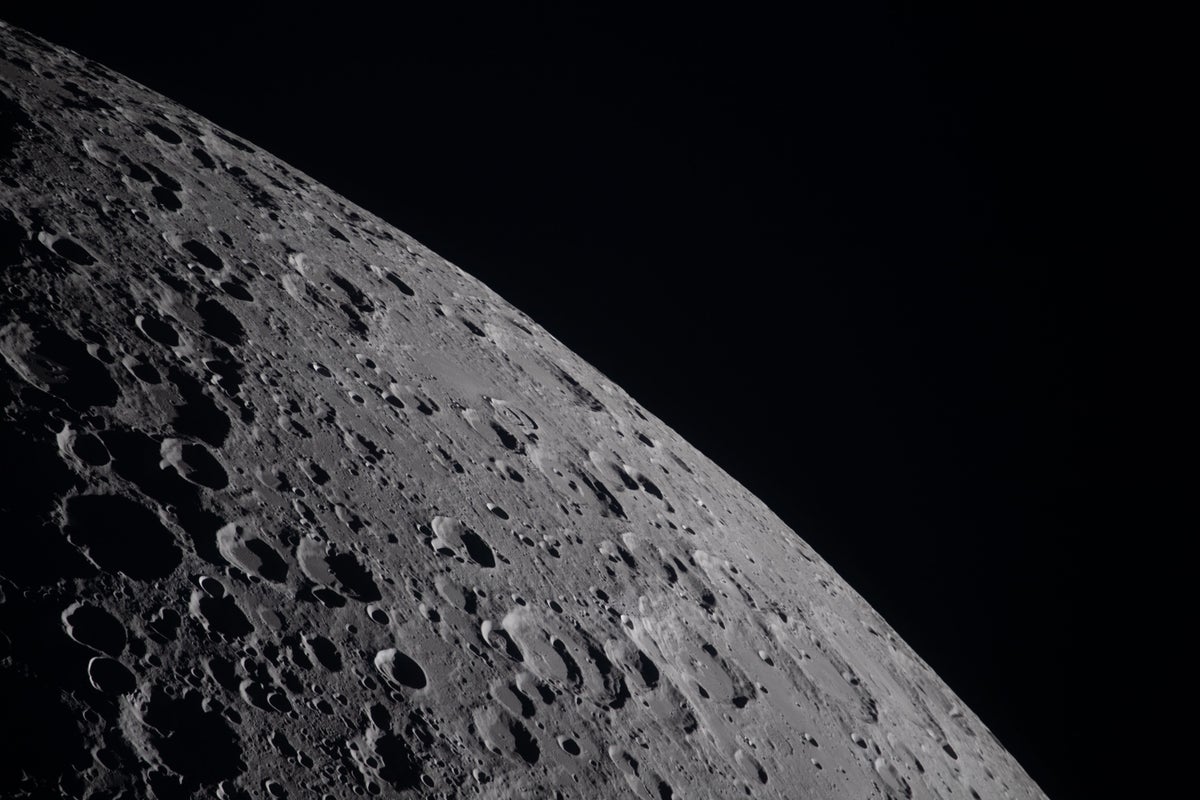
NASA just dropped more than 12,000 Artemis II photos—here’s how to see them

Want to go to the moon? Travel vicariously through the more than 12,000 photos NASA just posted from the Artemis II mission

Could this fungus live on Mars? Maybe it already does

An almost unkillable fungal strain isolated from NASA’s ultrasterile clean rooms hints at “critical gaps” in interplanetary quarantine

Immerse yourself in the universe of science with a subscription to Scientific American. Get 90 days for just $1!
SpaceX’s AI pivot promises the stars. Could it cost NASA the moon?

Massive investments in AI may bring synergy and revenue to SpaceX, or could create problems for it and NASA, especially if the AI bubble pops

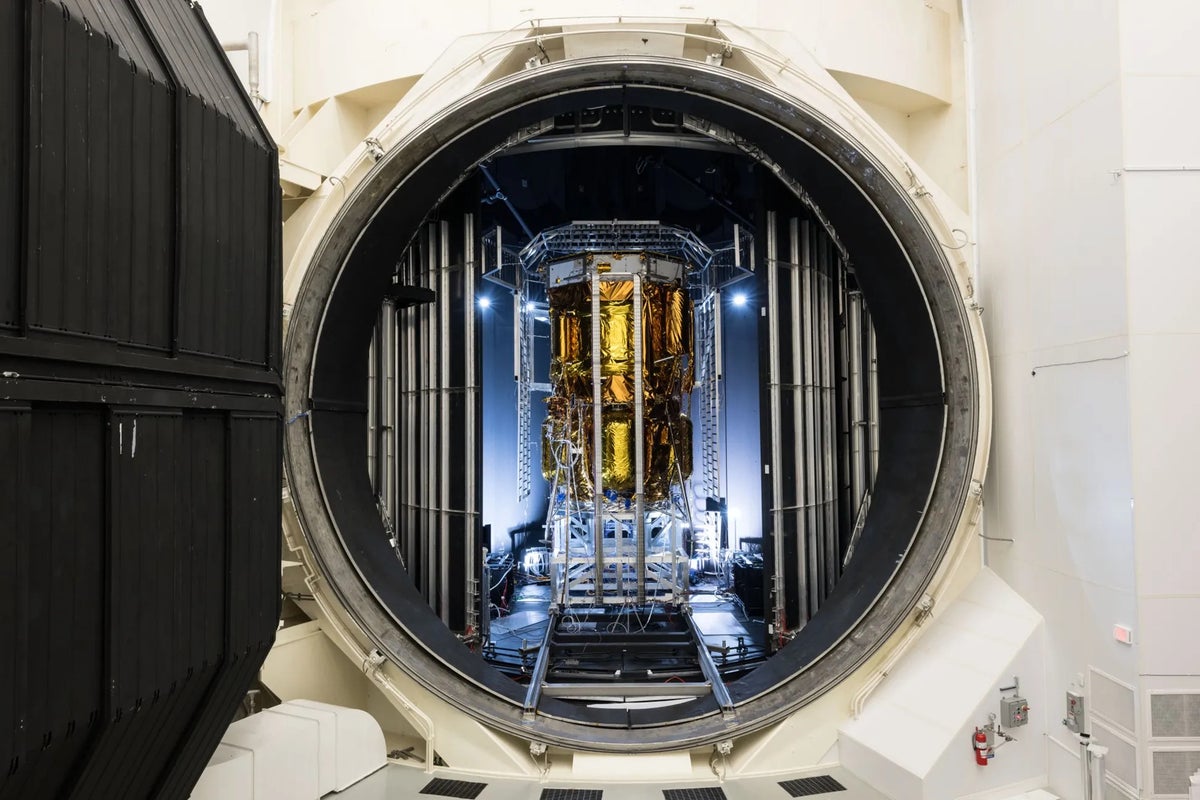
Jeff Bezos’s Blue Origin moon lander completes a crucial test as race with SpaceX heats up

NASA announced that this uncrewed lander, named Endurance, completed vacuum testing on Earth—a key step toward a planned launch later this year

What is the Kardashev scale, and can we climb it?

The Kardashev scale is an interesting but flawed gauge of a civilization’s growth

‘Touchy-feely’ dark matter is having a moment

Models giving dark matter more complex behavior could help solve multiple cosmic mysteries

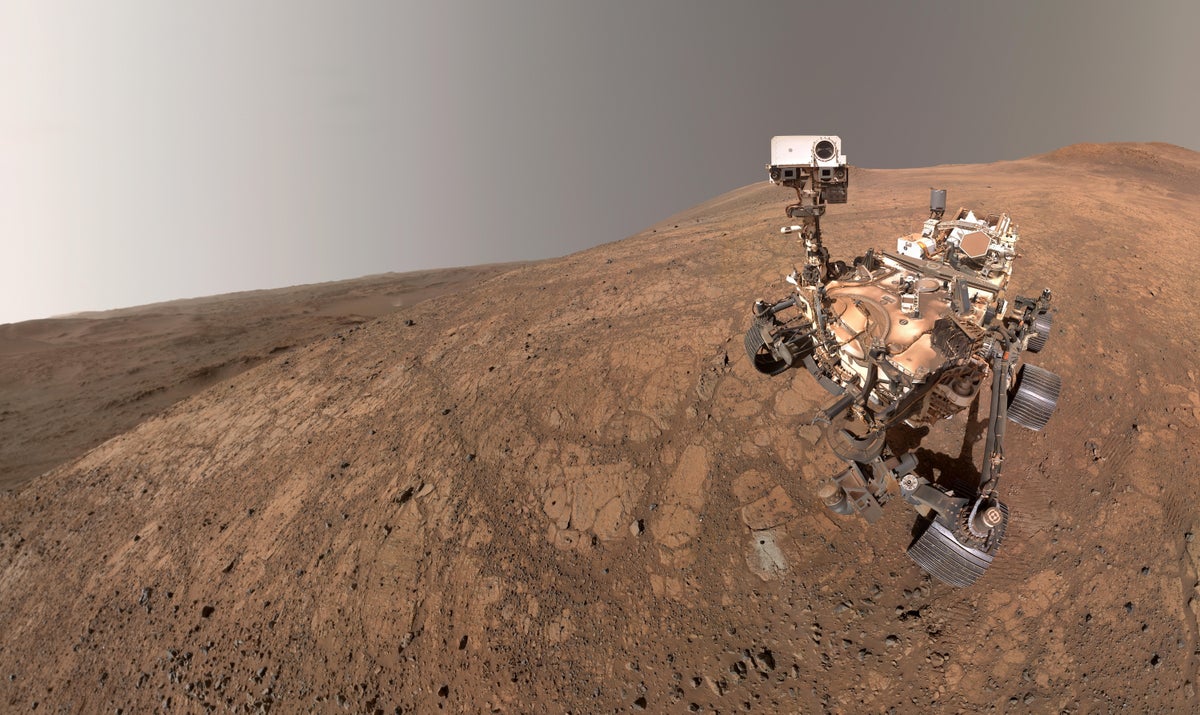
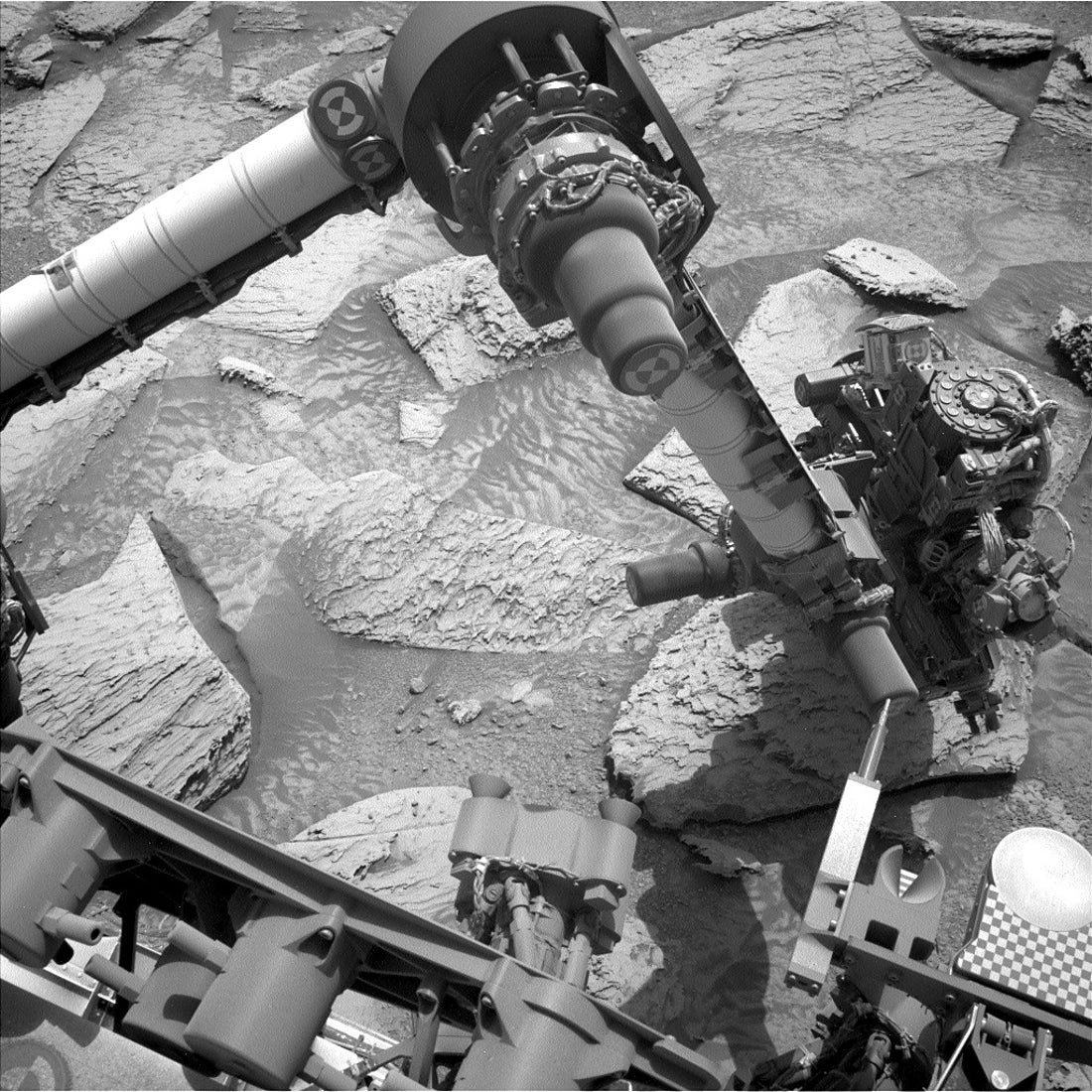
Shake it off: NASA’s Curiosity rover gets its robotic arm stuck inside a rock on Mars

Haters gonna hate, hate, hate, but the Mars rover Curiosity just keeps on groovin’—even if its handlers had to spend several days freeing its drill from a rock

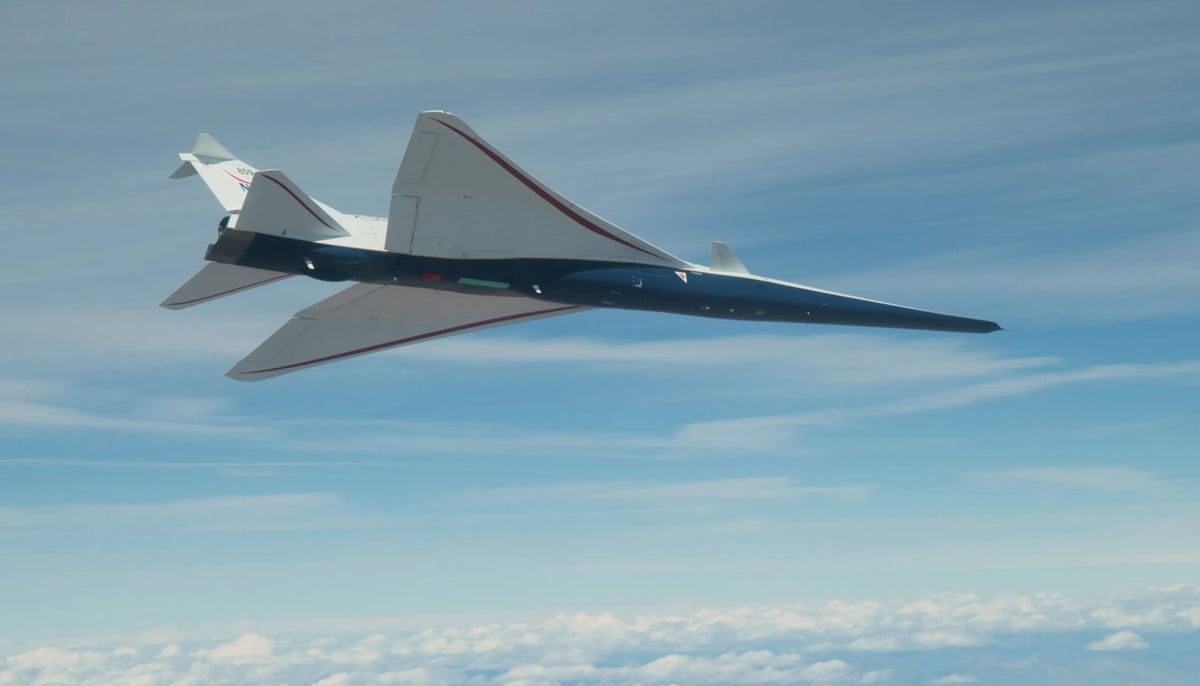
Watch NASA test its new X-59 jet designed to go faster than the speed of sound

This next-generation plane is made to go faster than sound without producing a full sonic boom

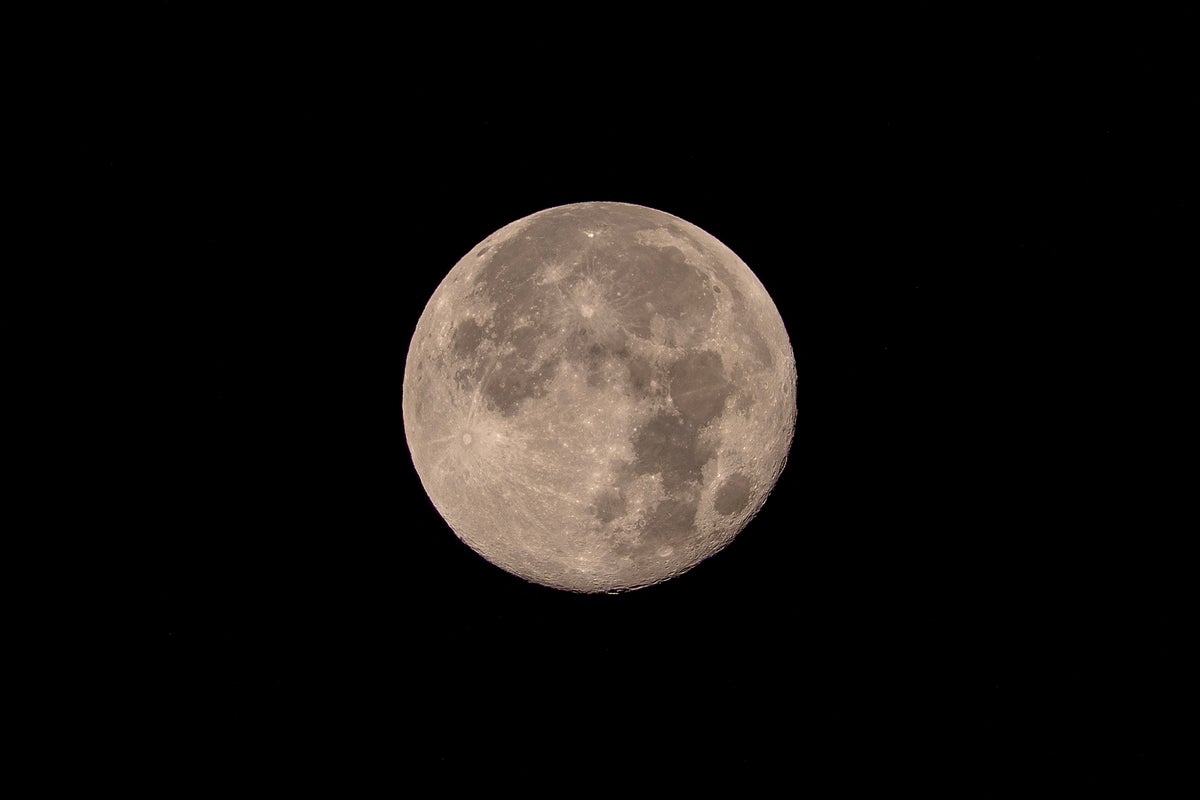
A SpaceX rocket booster is on track to hit the moon at several times the speed of sound

While there is no immediate danger, this crash highlights that space junk is increasingly expanding out of lower-Earth orbit

What We're Reading
  • The animated version of the iconic “Hello, world” image reveals striking new details | Ars Technica
  • Surprising Signs of an Atmosphere Around a Tiny World, Billions of Miles Away | The New York Times
  • The 50-year quest to create a quantum spin liquid may finally be over | New Scientist

From the Archive
Dark Matter Might Lurk in Its Own Shadow World

Dark matter could be an entire dark sector of the universe, with its own particles and forces

Scientist Pankaj

2 Russian satellites get within 10 feet of each other in orbit

'Whatever Russia is testing, it...