Thursday, May 21, 2026

Space & Physics: Watch SpaceX's Starship fly!

Top stories in space and physics news                    

May 21— This week, our top stories include coverage of SpaceX’s latest high-stakes Starship test flight, NASA’s detailed plans for nuclear power on the moon, the biggest math breakthrough yet from AI and much more. Enjoy!

Thoughts? Questions? Let me know via e-mail (lbillings@sciam.com), X or Bluesky.

Lee Billings, Senior Editor, Physical Sciences

Top Stories
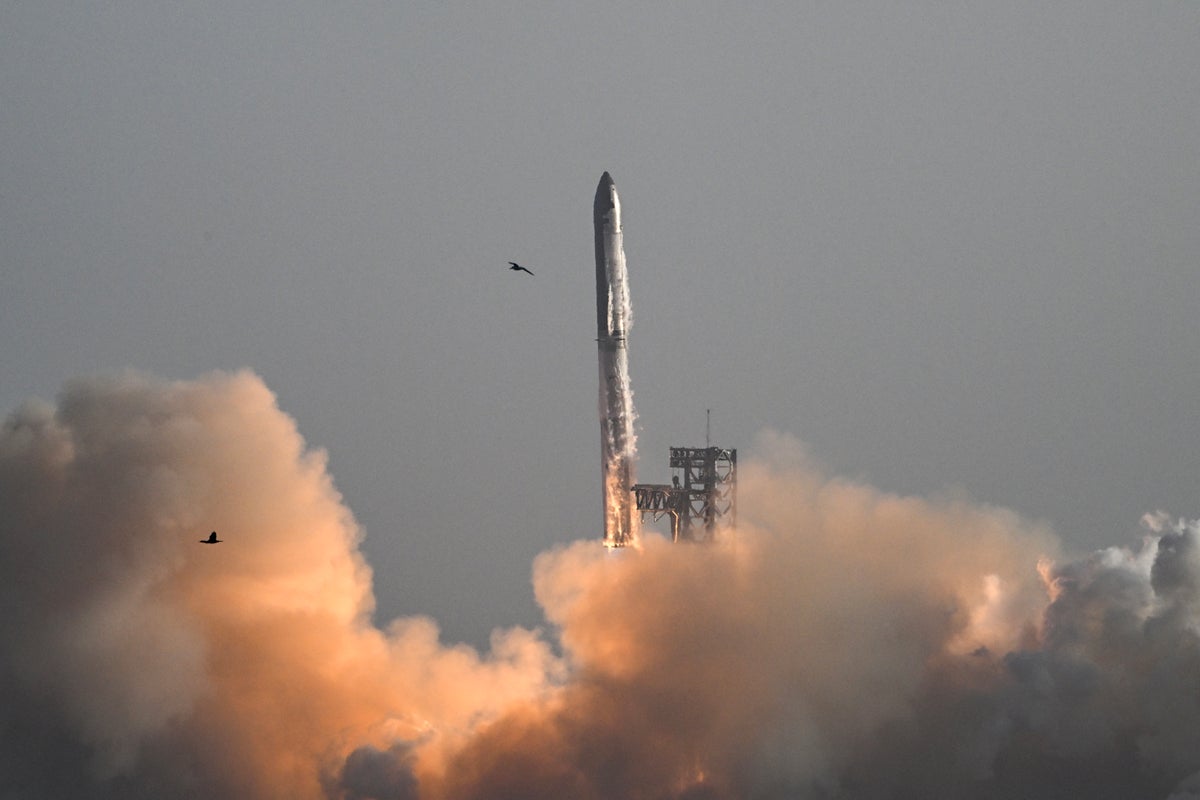
Watch SpaceX launch Starship V3—the tallest and most powerful rocket yet

Thursday's flight could be the most pivotal test of the Starship megarocket

OpenAI announces AI’s biggest math breakthrough yet

A chatbot’s result for the 80-year-old “unit distance” conjecture is the first AI proof that would likely be published in math’s top journal if humans had done it alone

Brought to you by Scientific American
The solution to your math needs

Does math ignite your curiosity? Whether you’re math-obsessed or just math-curious, you’ll enjoy Scientific American's new math newsletter, Proof Positive.

Immerse yourself in the universe of science with a subscription to Scientific American. Get 90 days for just $1!
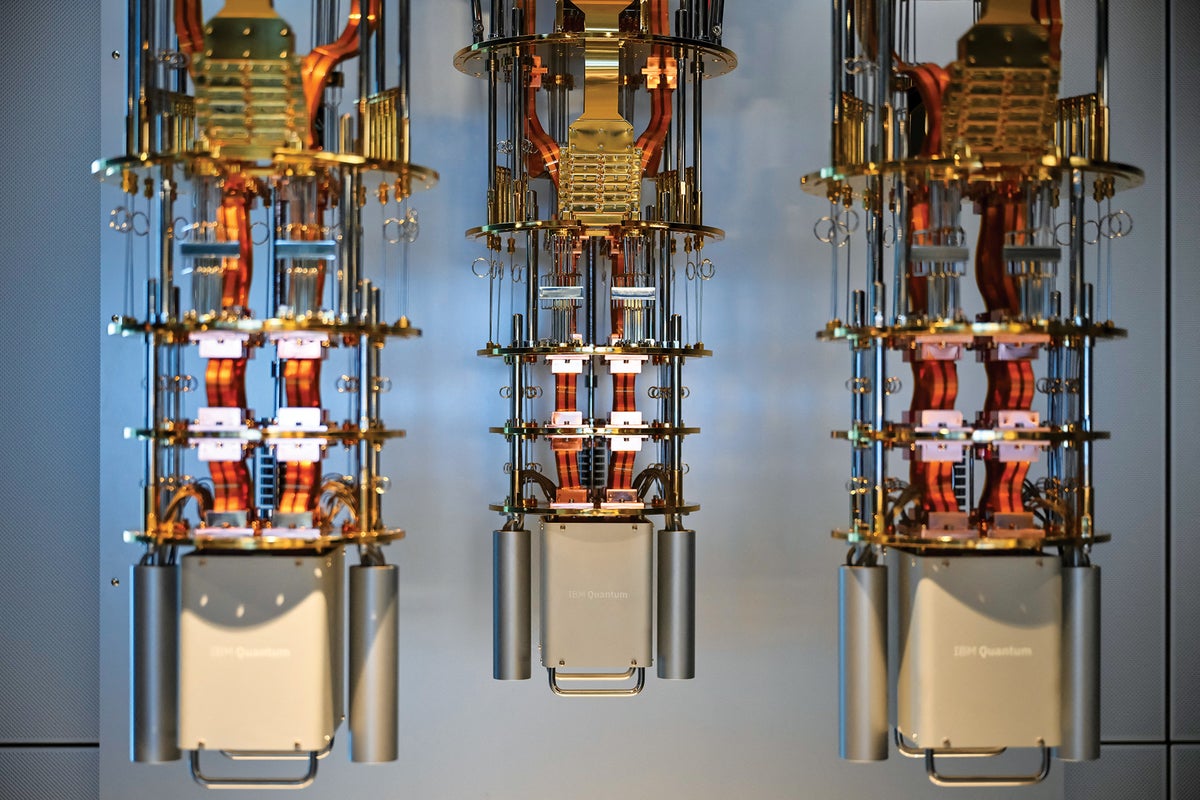
Quantum computing is reaching its make-or-break moment

Will computers based on quantum physics really change the world?

What’s a quantum computer good for, anyway?

Quantum computing could lead to revolutions in cryptography, materials design and telecommunications. But fulfilling those promises could be many years away

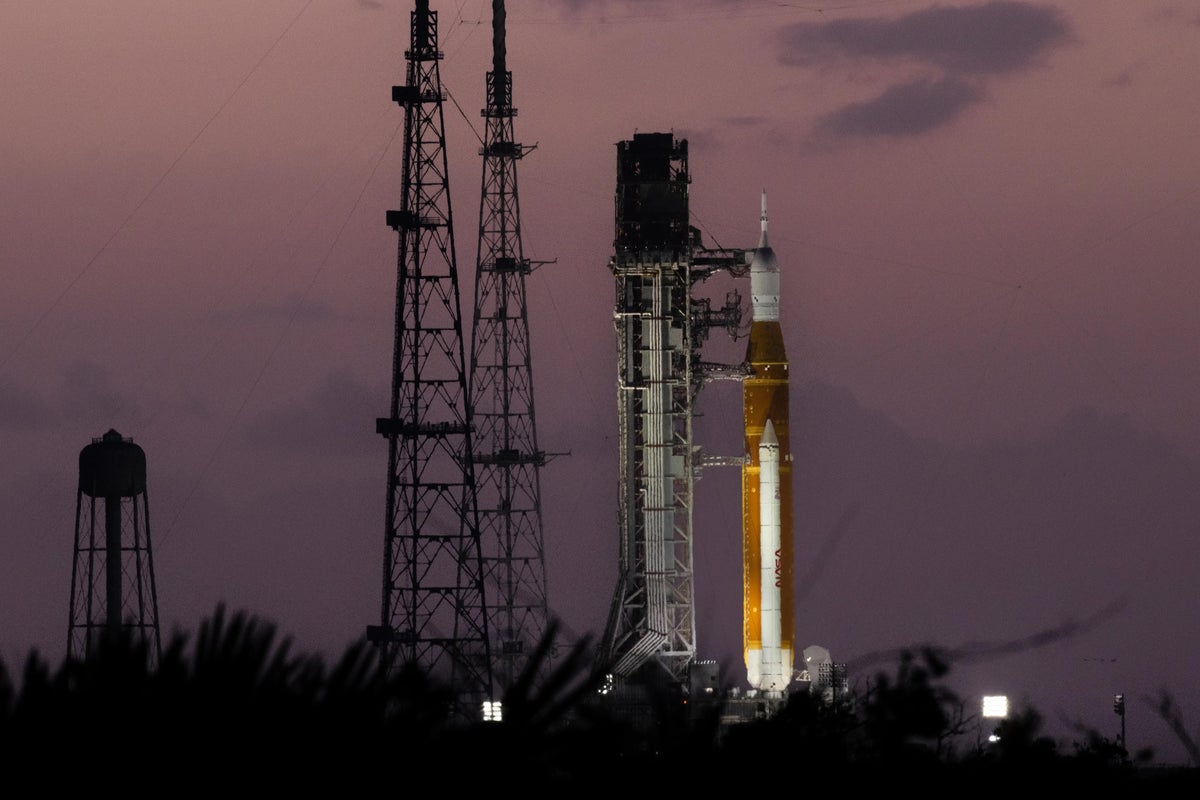
What we know—and what we don’t—about NASA’s Artemis III mission

NASA is starting to paint in some of the details of its planned 2027 Artemis III mission, but key questions, such as who its astronauts will be, are yet to be answered

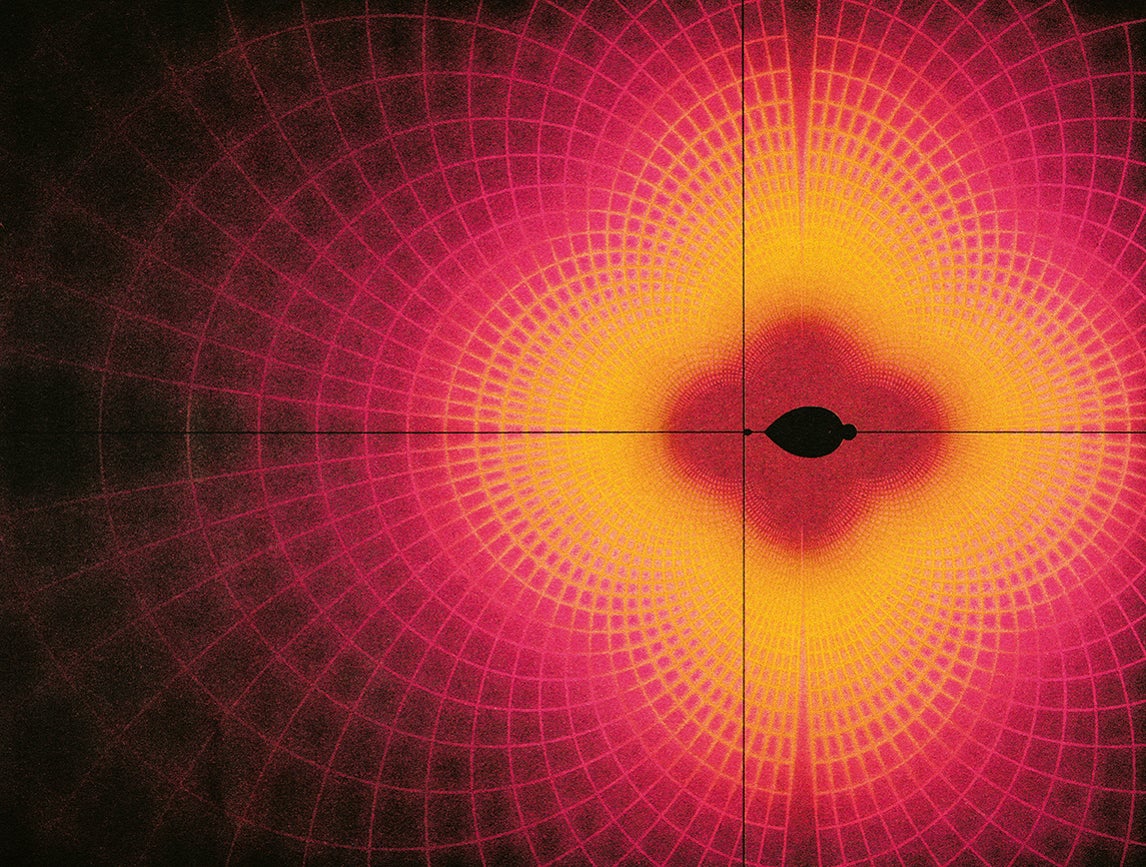
The million-dollar math problem hardly anyone is trying to solve

The intimidating legacy of the scariest problem in mathematics

Are astronomers ignoring some of the cosmos?

There are parts of the universe, and of the electromagnetic spectrum, that we’re not covering with our telescopes—but not as many as you might think!

This startup wants to make drugs in orbit. If it succeeds, it could transform the space economy

Varda’s plan to develop medicines in microgravity has its advantages, but it requires a big up-front cost

‘Sensational’ proof topples decades-old geometry problem

The sudden resolution of a well-known conjecture highlights the growing adoption of AI as an assistant in high-level mathematics

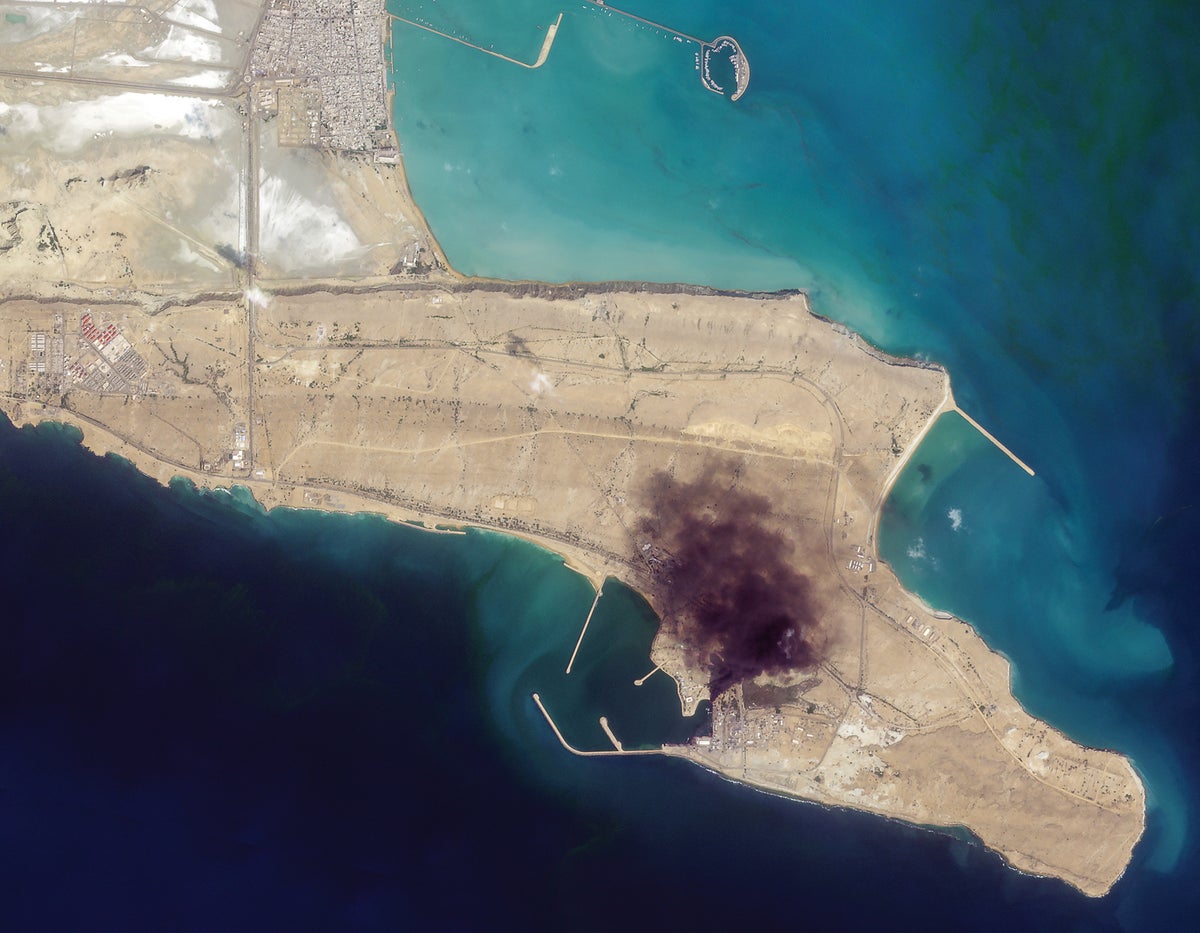
War is getting harder to hide from space

Commercial satellites can now watch much of Earth in near-real time. Militaries are learning new ways to fool them

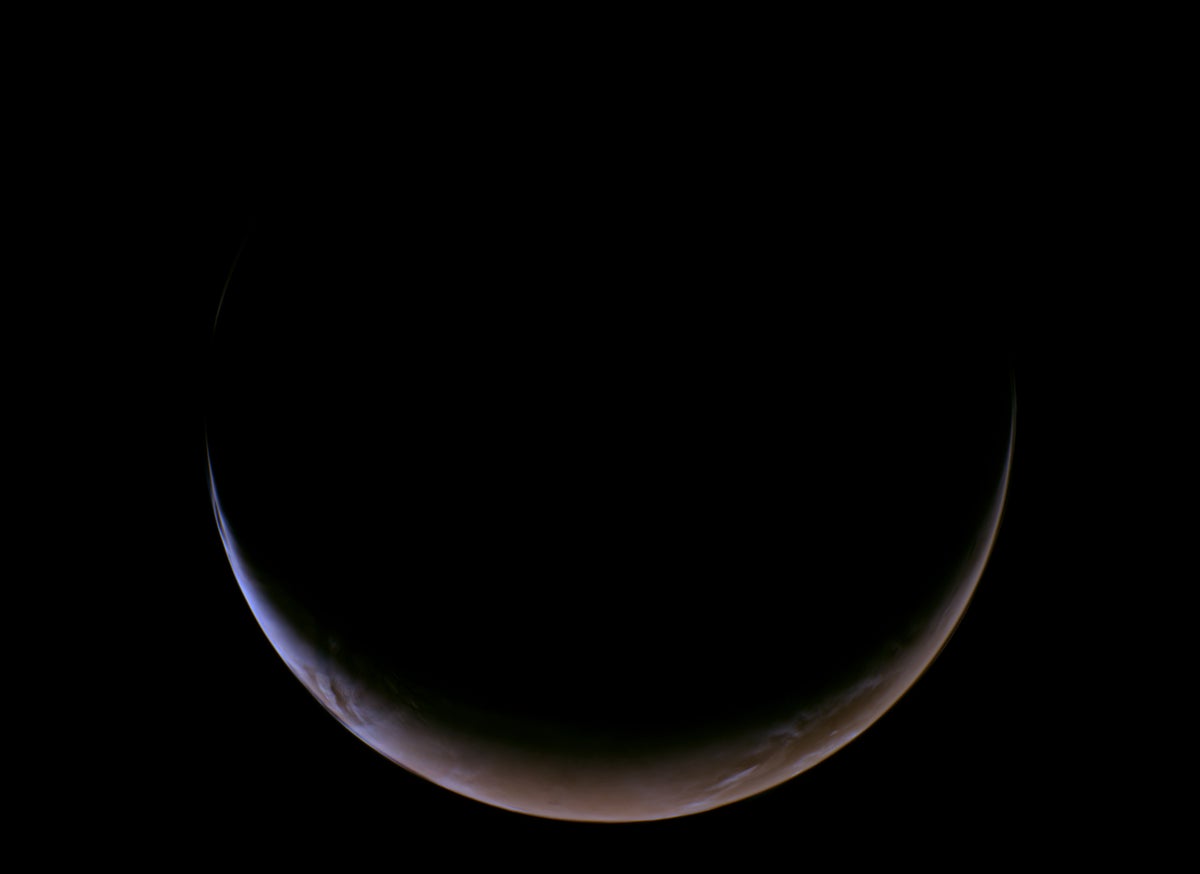
NASA’s Psyche captures gorgeous Mars crescent photo on way to asteroid

NASA’s Psyche snapped images as it flew by Mars last week. The spacecraft used the planet’s gravity to give itself a boost on its journey toward its target asteroid

Can math predict the end of humanity?

This eerily simple math says our days are numbered—and nobody can agree why it’s wrong

What We're Reading
  • Famously secret about its finances, SpaceX opens its books for the first time | Ars Technica
  • This Moon of Neptune Might Have Survived a Wrecking-Ball Event | The New York Times
  • The Distant World That Is Our Best Hope for Finding Alien Life | New Scientist

From the Archive
What is the Kardashev scale, and can we climb it?

The Kardashev scale is an interesting but flawed gauge of a civilization’s growth

Scientist Pankaj

SpaceX Starship launch: The stakes couldn't be higher

SpaceX Starship launch: The stakes ...