Whether quantum computing transforms the world is a matter of when, not if. ͏ ͏ ͏ ͏ ͏ ͏ ͏ ͏ ͏ ͏ ͏ ͏ ͏ ͏ ͏ ͏ ͏ ͏ ͏ ͏ ͏ ͏ ͏ ͏ ͏ ͏ ͏ ͏ ͏ ͏ ͏ ͏ ͏ ͏ ͏ ͏ ͏ ͏ ͏ ͏ ͏ ͏ ͏ ͏ ͏ ͏ ͏ ͏ ͏ ͏ ͏ ͏ ͏ ͏ ͏ ͏ ͏ ͏ ͏ ͏ ͏ ͏ ͏ ͏ ͏ ͏ ͏ ͏ ͏ ͏ ͏ ͏ ͏ ͏ ͏ ͏ ͏ ͏ ͏ ͏ ͏ ͏ ͏ ͏ ͏ ͏ ͏ ͏ ͏ ͏ ͏ ͏ ͏ ͏ ͏ ͏ ͏ ͏ ͏ ͏ ͏ ͏ ͏ ͏ ͏ ͏ ͏ ͏ ͏ ͏ ͏ ͏ ͏ ͏ ͏ ͏ ͏ ͏ ͏ ͏ ͏ ͏ ͏ ͏ ͏ ͏ ͏ ͏ ͏ ͏ ͏ ͏ ͏ ͏ ͏ ͏ ͏ ͏ ͏ ͏ ͏ ͏ ͏ ͏ ͏ ͏ ͏ ͏ ͏ ͏
May 19, 2026—Quantum computing promises to revolutionize the world, but when? Plus, we talked to an American in quarantine for exposure to hantavirus, and researchers discovered a copy of the world's oldest poem written in English.
—Andrea Gawrylewski
Chief Newsletter Editor
|
|
P.S. If you're enjoying this newsletter, consider forwarding it to a friend! We love adding new people to our science-loving community. Thanks!
|
|
A visitor washes his hands before entering Kyeshero Hospital as part of Ebola prevention measures in Goma, Democratic Republic of Congo, on May 18, 2026. Jospin Mwisha / AFP via Getty Images
|
|
If you enjoy this newsletter, consider subscribing to Scientific American. Your support helps fund journalism like this—and unlocks unlimited access to the science stories you care about most. Get started with 90 days for just $1.
|
|
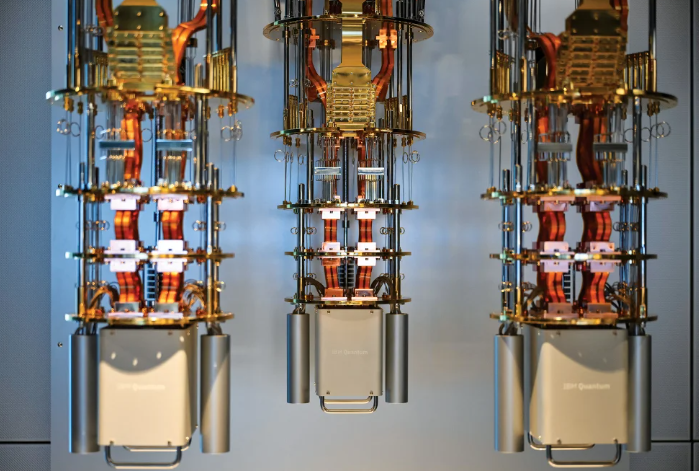
The IBM Quantum System Two, a modular quantum computer, as seen in 2025 at the IBM Thomas J. Watson Research Center in Yorktown Heights, N.Y. Angela Weiss/AFP/Getty Images
|
|
|
A Quantum Computing Reckoning
|
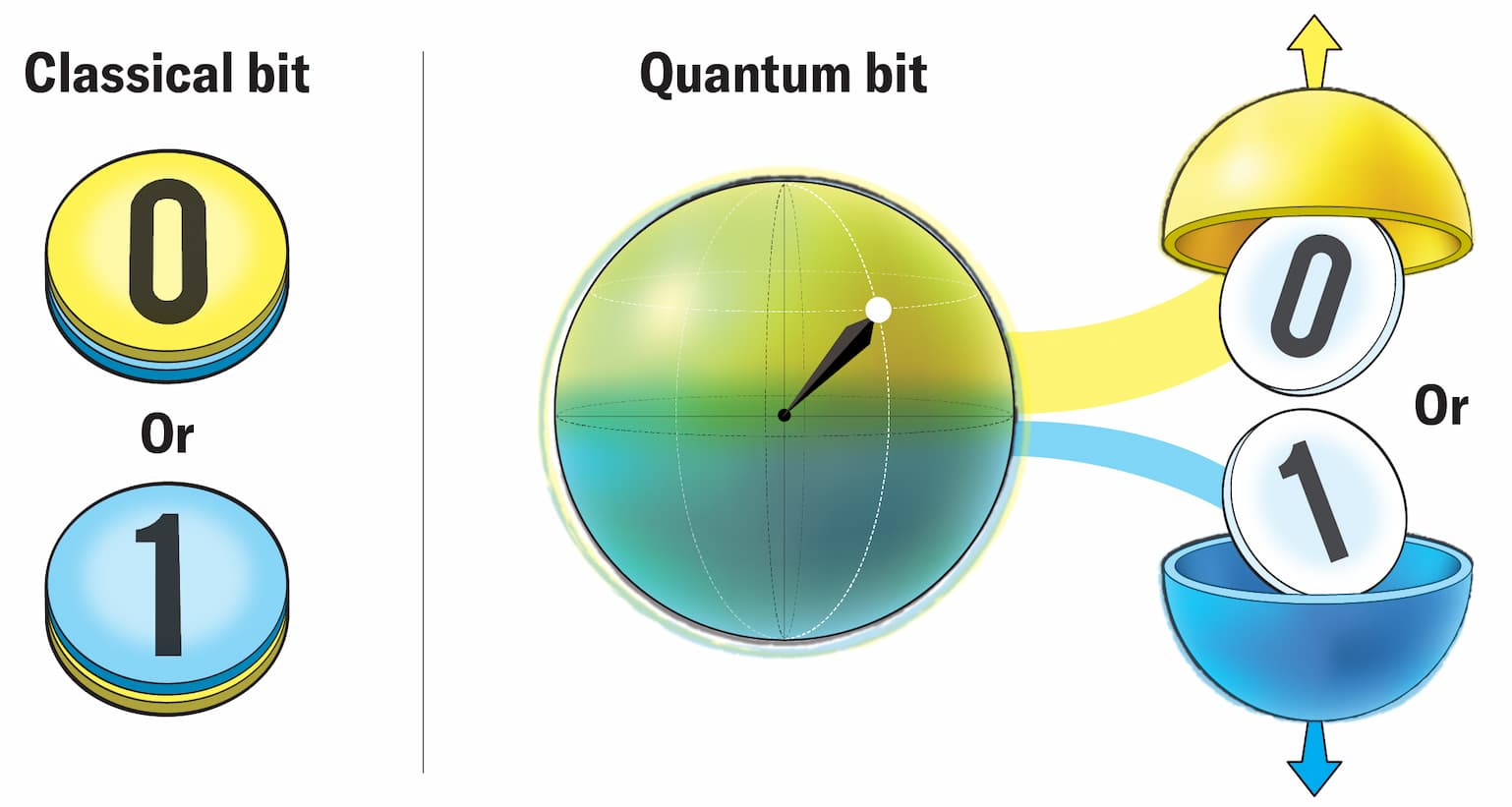
More than 40 years ago physicists Paul Benioff and Richard Feynman independently suggested that machines harnessing the quantum realm’s weirdness could, in theory, outperform classical computers at some tasks. Unlike classical computers, which use bits that are either zero or one, quantum computers use qubits that can exist in superpositions and become entangled with one another (and their local environments).
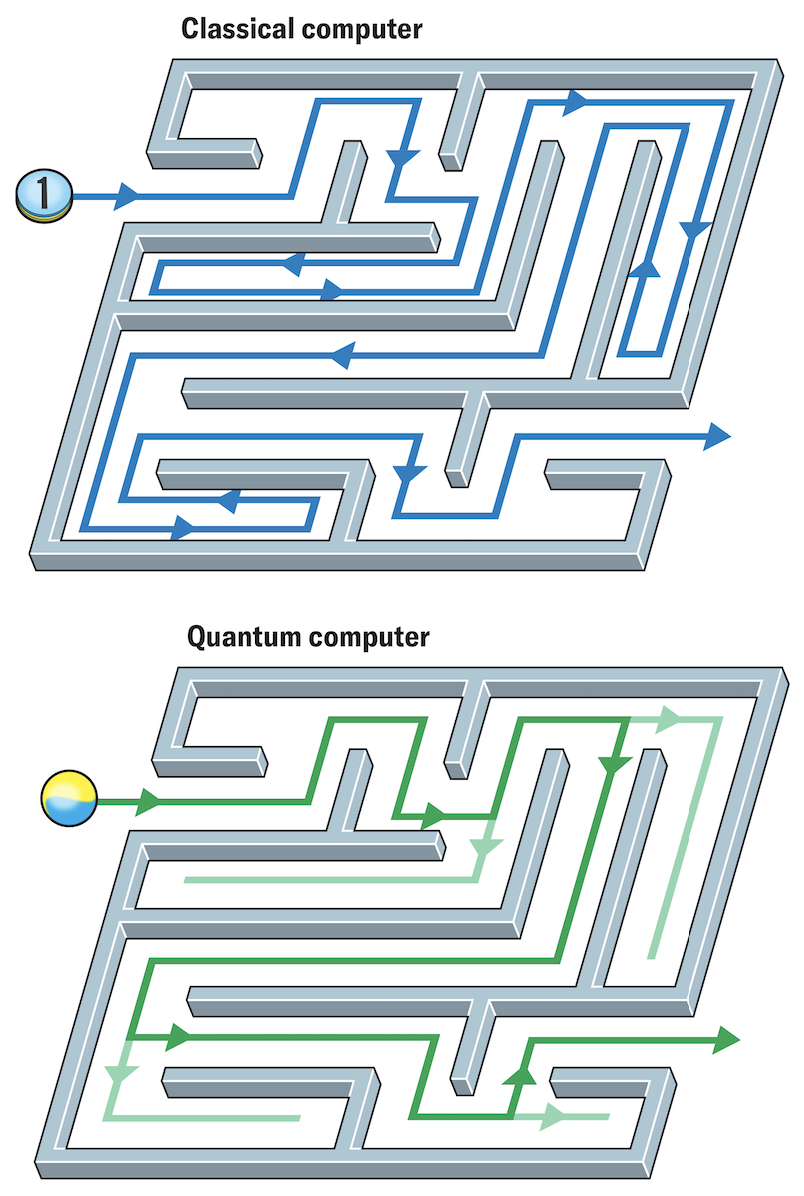
How it works: Qubits can exist in superpositions of zero and one, similar to Schrödinger’s cat being both alive and dead until someone opens the box (and measures the outcome). By carefully controlling entanglement among qubits while shielding them from decoherence (being measured) caused by the surrounding environment, researchers can perform calculations that would be impossible or impractically slow for conventional computers. Watch this video explainer for more.
|
|
The challenges: Researchers still face significant challenges in scaling quantum computers, controlling decoherence, implementing quantum error correction and proving that quantum systems can consistently outperform classical computers on practical problems. The hurdles:
- The best way to make a qubit. One leading approach involves superconducting circuits, which are fast and compatible with conventional chip fabrication techniques. Another method utilizes trapped atoms or ions, which maintain coherence longer.
- Qubits can easily fall out of superposition. So researchers use quantum error correction to detect and fix mistakes without destroying quantum states. One way is through redundancy—assembling groups of qubits into “logical qubits" so that an error in a single physical qubit matters less. But current methods may require hundreds or thousands of physical qubits per logical qubit.
- What should they do? Quantum computers are expected to excel only at specialized problems, such as factoring huge numbers with Shor’s algorithm (which calculates the factors of very large numbers much faster than a standard computer) or simulating quantum systems in chemistry, materials science and physics.
|
|
Ben Gilliland; Source: “The Qubit,” by Massine Kelai/Center for Quantum Nanoscience (https://qns.science/thequbit) (reference)
|
|
Why this matters: If it can be scaled and improved, quantum computing may enable breakthroughs in drug discovery, materials design, climate modeling, physics research and cryptography, while deepening our understanding of the quantum nature of the universe.
I'll be back tomorrow with a deep dive into what kinds of things the quantum computer of the (near?) future might be used for.
|
|
|
|
|
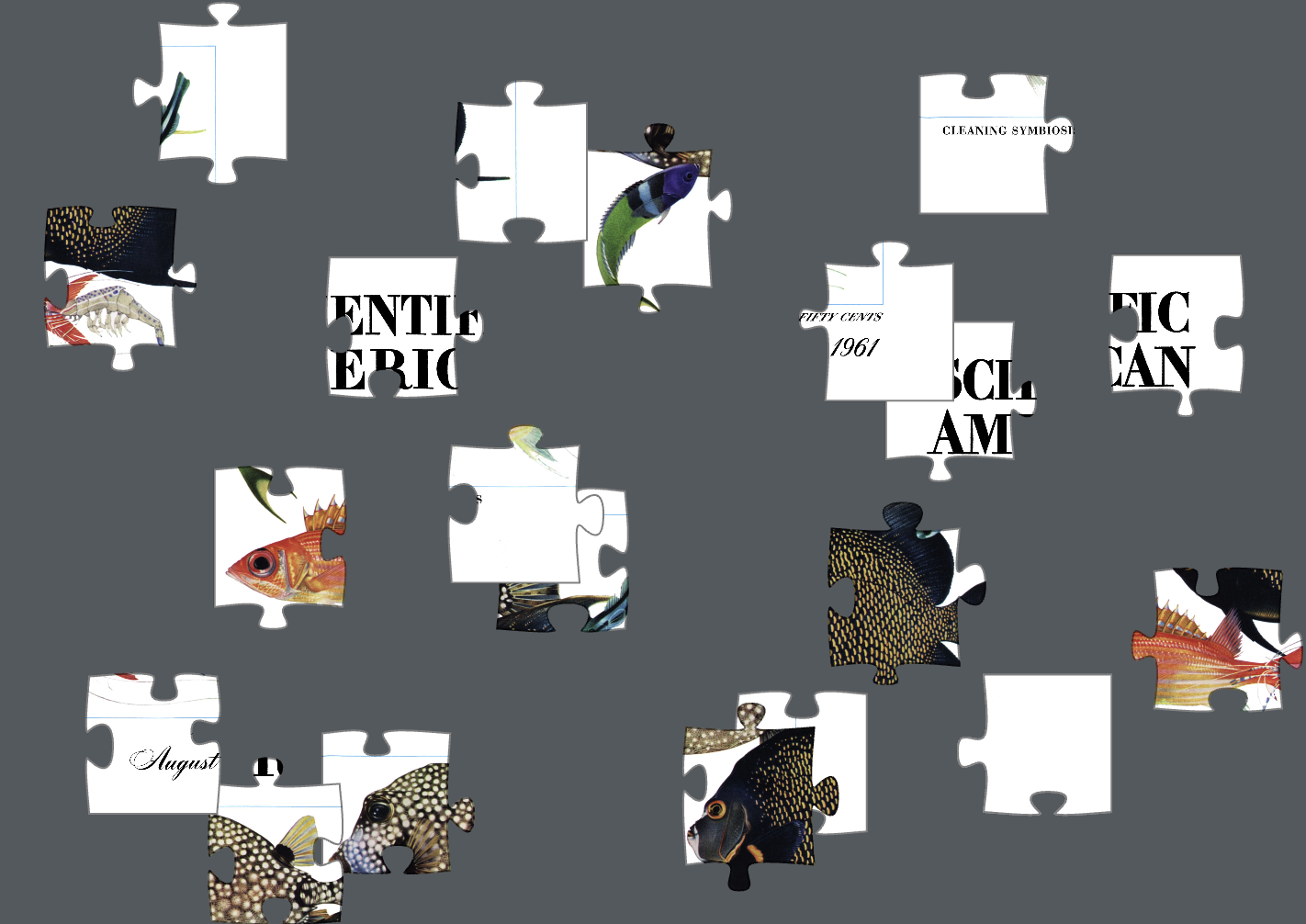
- Unscramble this image of our cover from the August 1961 issue. The assembled image shows three small sea creatures eating parasites and dead tissue from three larger fish. This type of symbiotic relationship proved more common among aquatic animals than scientists had thought.
|
|
Of all the scientific topics I've edited over the years, by far quantum mechanics is the most mind-bending: Realities are both happening and not, time is both traveling forward and backward, objects can influence each other across light years. Such observations feel profoundly alien, even though scientists will say that such behavior underlies every facet of reality. Understand it or not, quantum science is inextricably a part of us.
|
|
—Andrea Gawrylewski, Chief Newsletter Editor
|
|
|
|
|
Subscribe to this and all of our newsletters here.
|
|
|
|
|