Friday, May 1, 2026

Week in Science: Vibe-mathing" solves 60-year-old problem

The biggest science stories this week                    

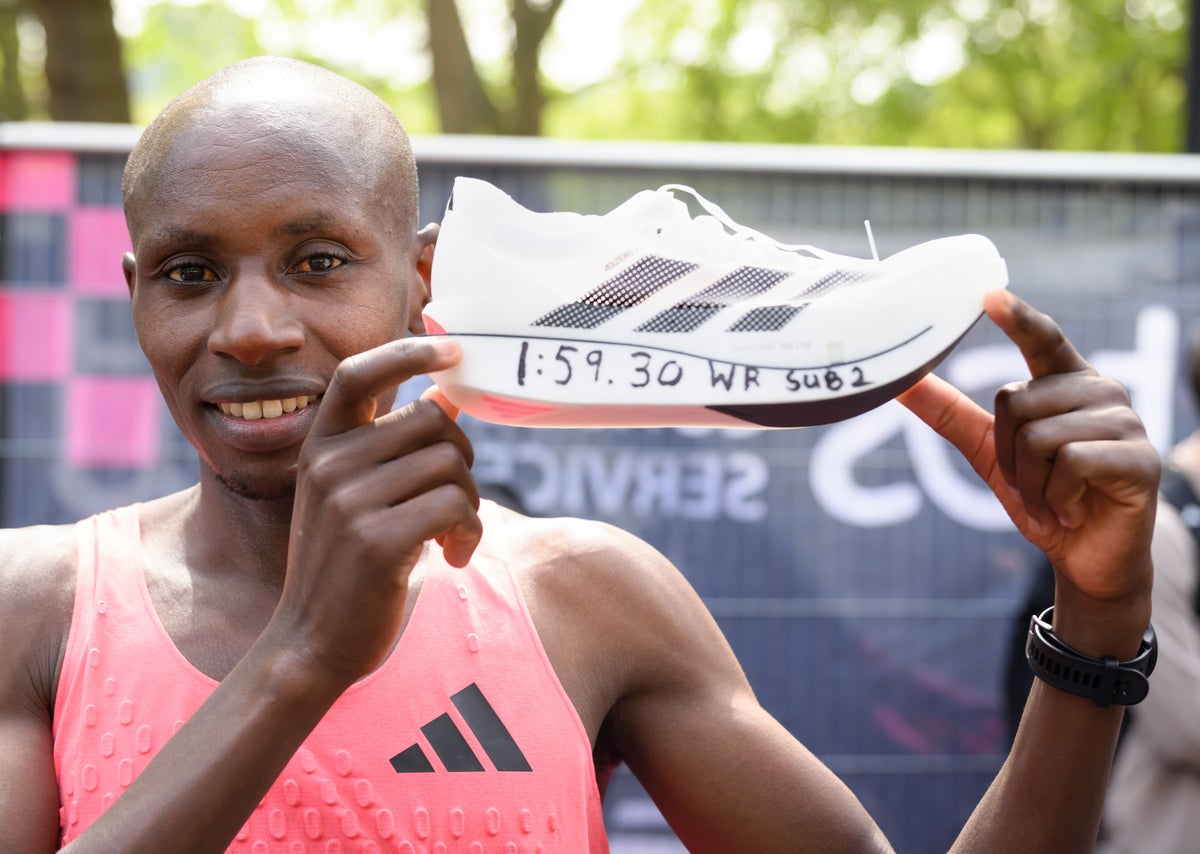
May 1—This week, two marathoners finished the race in under two hours, a truly impressive feat that scientists say their shoes helped them accomplish. Should athletes be allowed to use performance enhancing gear? Add your thoughts to the discussion.

Also, a math amateur found a solution to a 60-year-old problem using ChatGPT, and an experiment shows how darkness can move faster than light. Enjoy!

—Emma Gometz, Newsletter Editor

Have thoughts? Email newsletters@sciam.com anytime.

Top Stories
An amateur just solved a 60-year-old math problem—by asking AI

A ChatGPT AI has proved a conjecture with a method no human had thought of. Experts believe it may have further uses

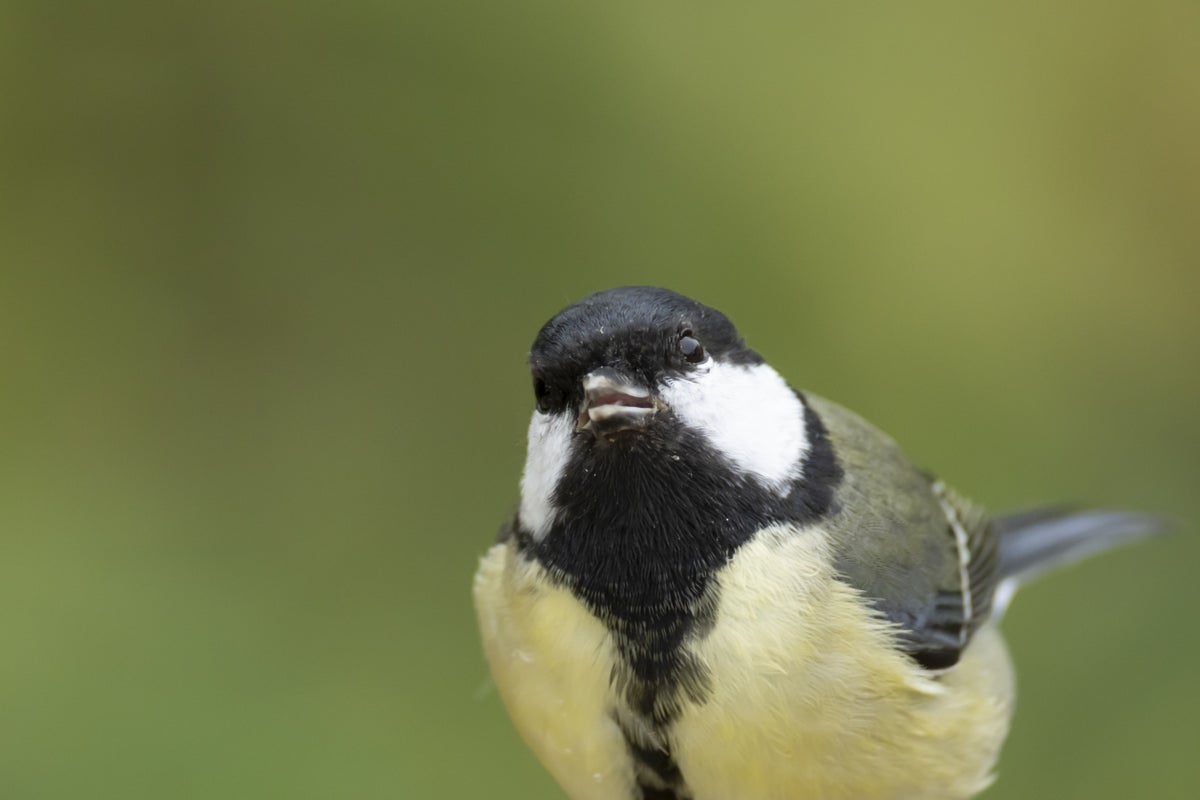
City birds appear to be more afraid of women than men, and scientists have no idea why

“I fully believe our results, that urban birds react differently based on the sex of the person approaching them,” said a co-author of a study that made this finding, “but I can’t explain them right now”

Brought to you by Scientific American Travel
Few Cabins Left for Egypt Cruise

Almost sold out! Experience the 2027 total solar eclipse – more than six minutes of totality - from the deck of a luxury Nile River ship on this incredible 10-day journey led by Chief of Reporters Clara Moskowitz. Learn More.

The science behind the Adidas shoes that helped two marathoners break the two-hour mark

A sub-two-hour marathon has long been seen as a tantalizing benchmark for elite runners—and shoemakers have been in a race to design footwear that can help them get there

Entire NSF science advisory board fired by Trump administration

Members of the National Science Board, which the U.S. Congress founded in 1950, were given no explanation for their termination

Want to dive deeper? Get 90 days of digital access for just $1.
What’s faster than light? Darkness

A recent experiment revealed that individual dark points on a light wave can move faster than the wave itself

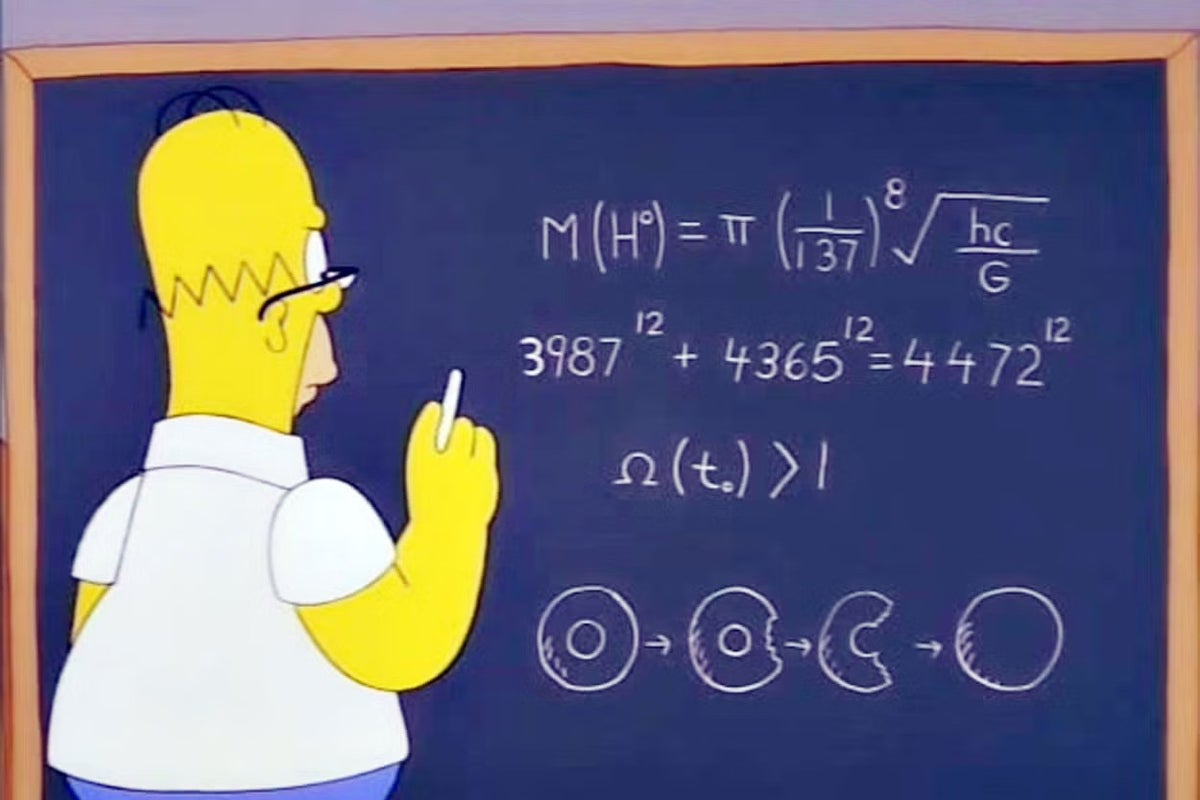
The Simpsons reference that refutes one of history’s greatest mathematicians

In one famous episode of The Simpsons, Homer finds a counterexample to Fermat’s last theorem

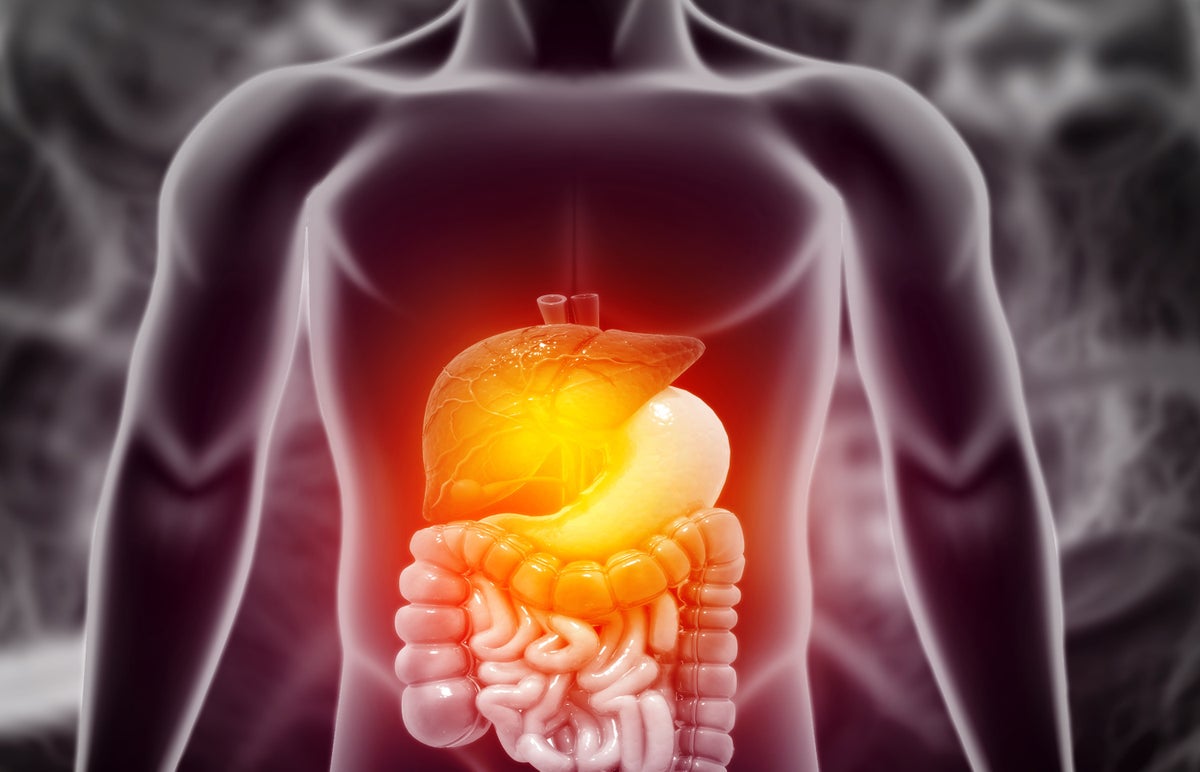
Ozempic’s greatest benefit might be its anti-inflammatory power

A growing body of research suggests that GLP-1 drugs do more than control appetite and blood sugar. They could also fight inflammation

Africa could split apart sooner than scientists thought

New research reveals that a rift in Earth’s crust is just a few million years away from splitting the continent of Africa into two—and creating a new ocean

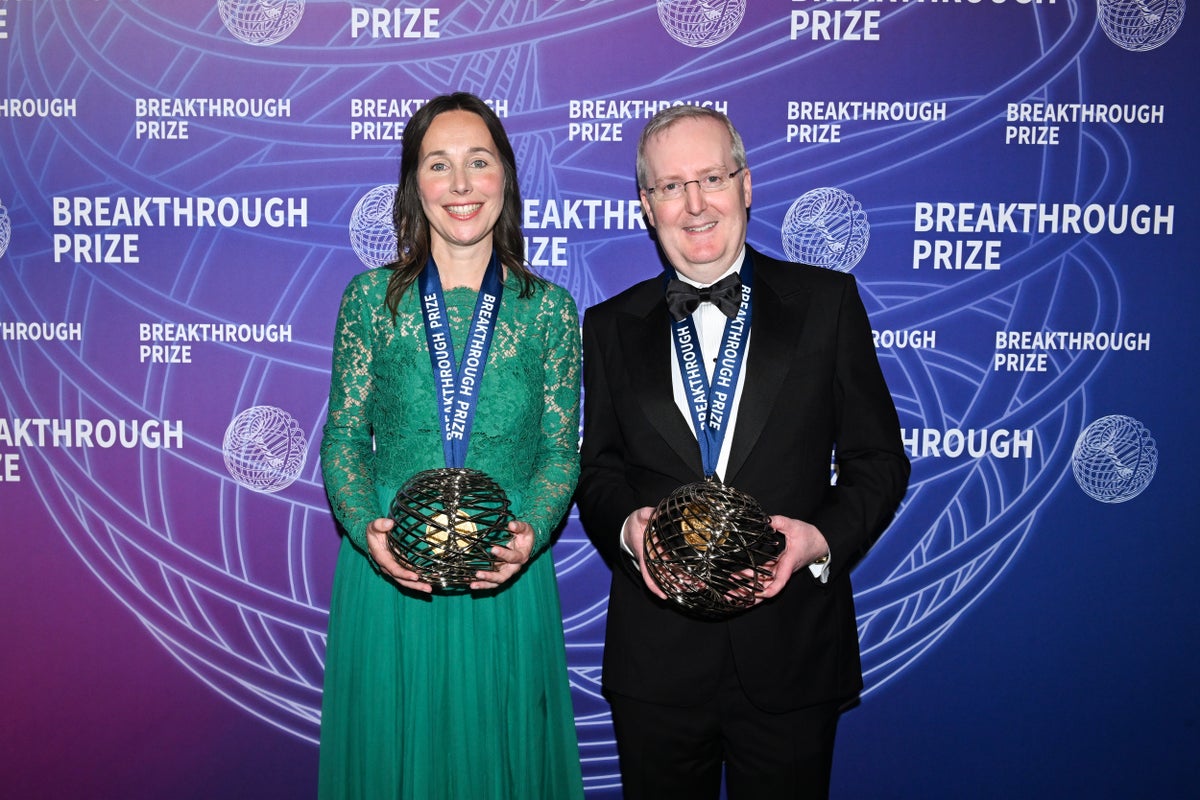
How geneticists uncovered a common root of two neurological diseases

Amyotrophic lateral sclerosis (ALS) and frontotemporal dementia (FTD) can have the same genetic cause, a discovery that won two neurogeneticists a portion of the 2026 Breakthrough Prize in Life Sciences

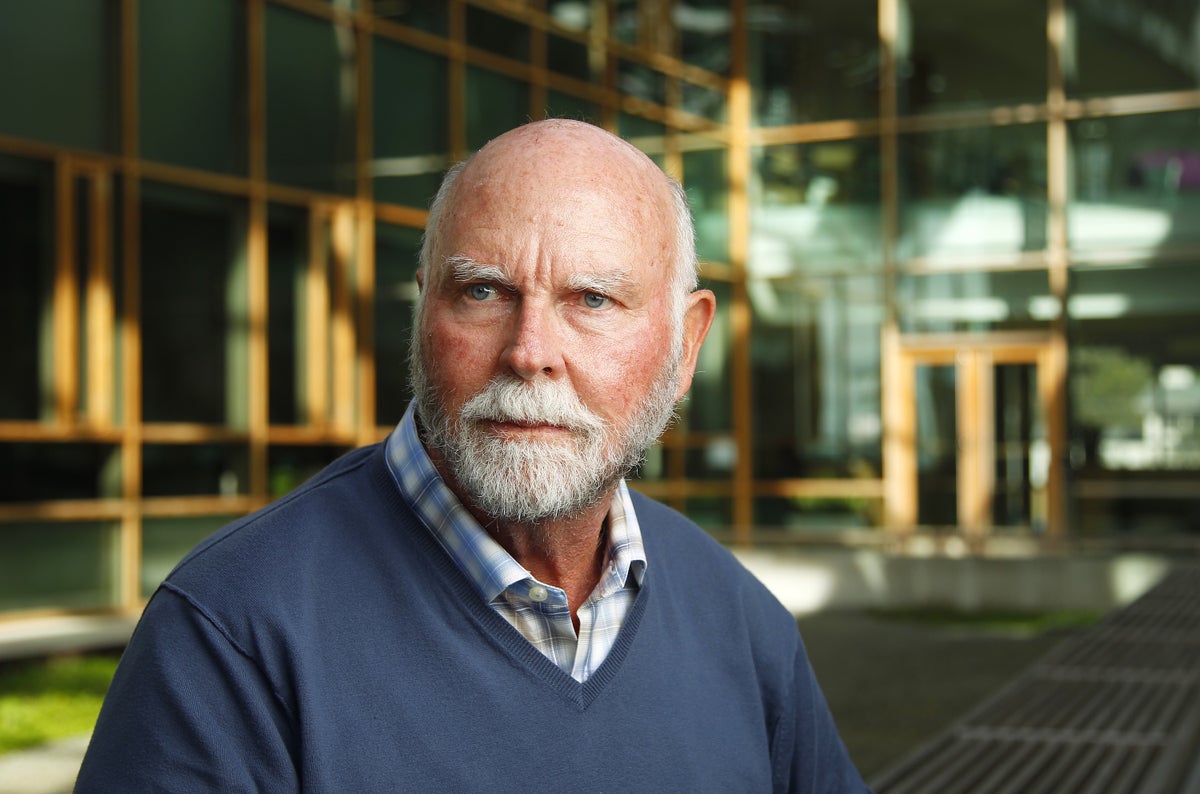
Human genome decoder J. Craig Venter dies at age 79

Scientist and medical technology entrepreneur J. Craig Venter published the first bacterial genome ever decoded in 1995. The result heralded a new age of discovery for genetics

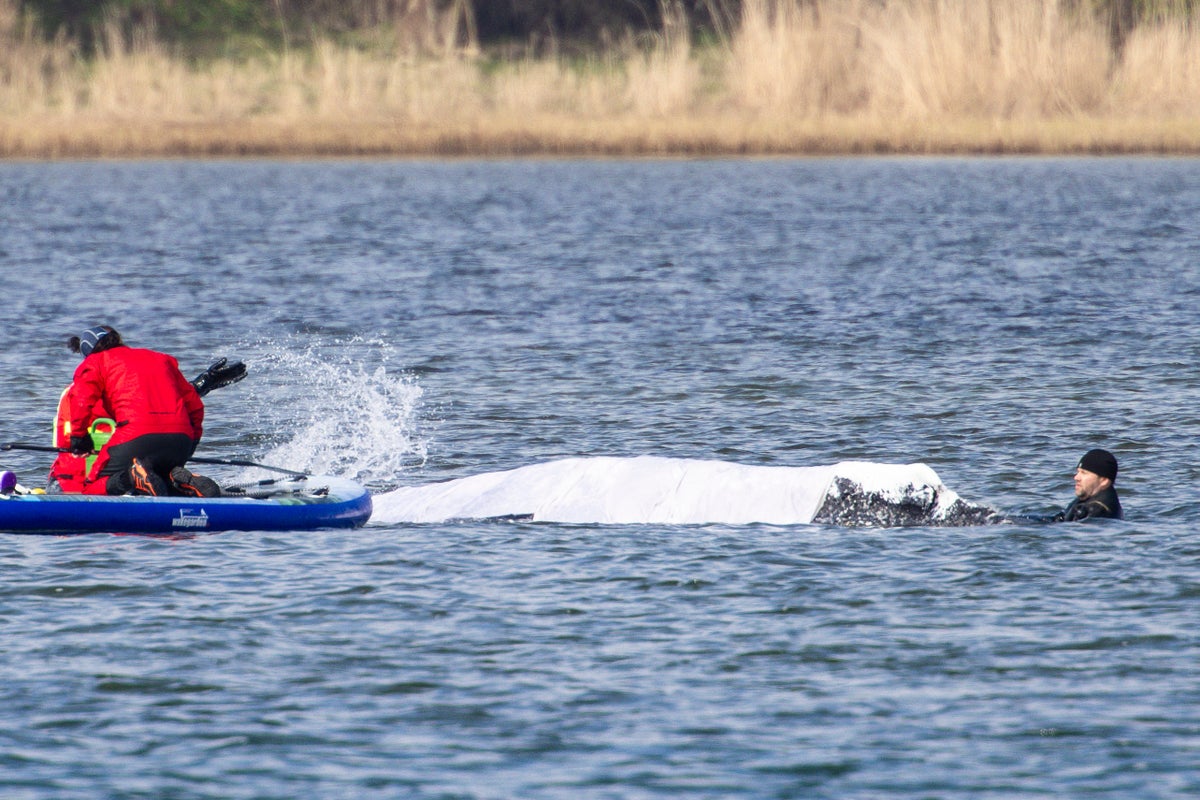
A major humpback whale rescue effort is attempting to do something extraordinary

Rescuers had called off the effort to save “Timmy,” a humpback whale that had stranded in the Baltic Sea last month. But now a last-ditch attempt to move the creature by barge is underway

A giant hailstorm just killed an emu at a Missouri zoo

A hailstorm of these proportions is “unusual” but not unheard of in Missouri at this time of year, one expert says

Scientist Pankaj

Week in Science: Vibe-mathing" solves 60-year-old problem

The biggest science stories this week                     ...