Friday, May 15, 2026

Week in Science: Can hantavirus spread through the air?

The biggest science stories this week                    

May 15—Below are a few articles that should get you up to speed on the latest science behind hantavirus—what we do and don't know about how it spreads, how long it takes for symptoms to show and more. Also, the Pentagon's new UFO image release (experts aren't impressed), and an unusual finding from leftovers of the Trinity nuclear bomb test.

—Emma Gometz, Newsletter Editor

Have thoughts? Email newsletters@sciam.com anytime.

Top Stories
Hantavirus outbreak occurs at sea, microplastics may contribute to warming, and Alaska landslide sparks tsunami

A deadly hantavirus outbreak occurs on a cruise ship, scientists warn that microplastics may be contributing to climate warming, and a retreating-glacier‑triggered landslide unleashed a massive Alaska tsunami

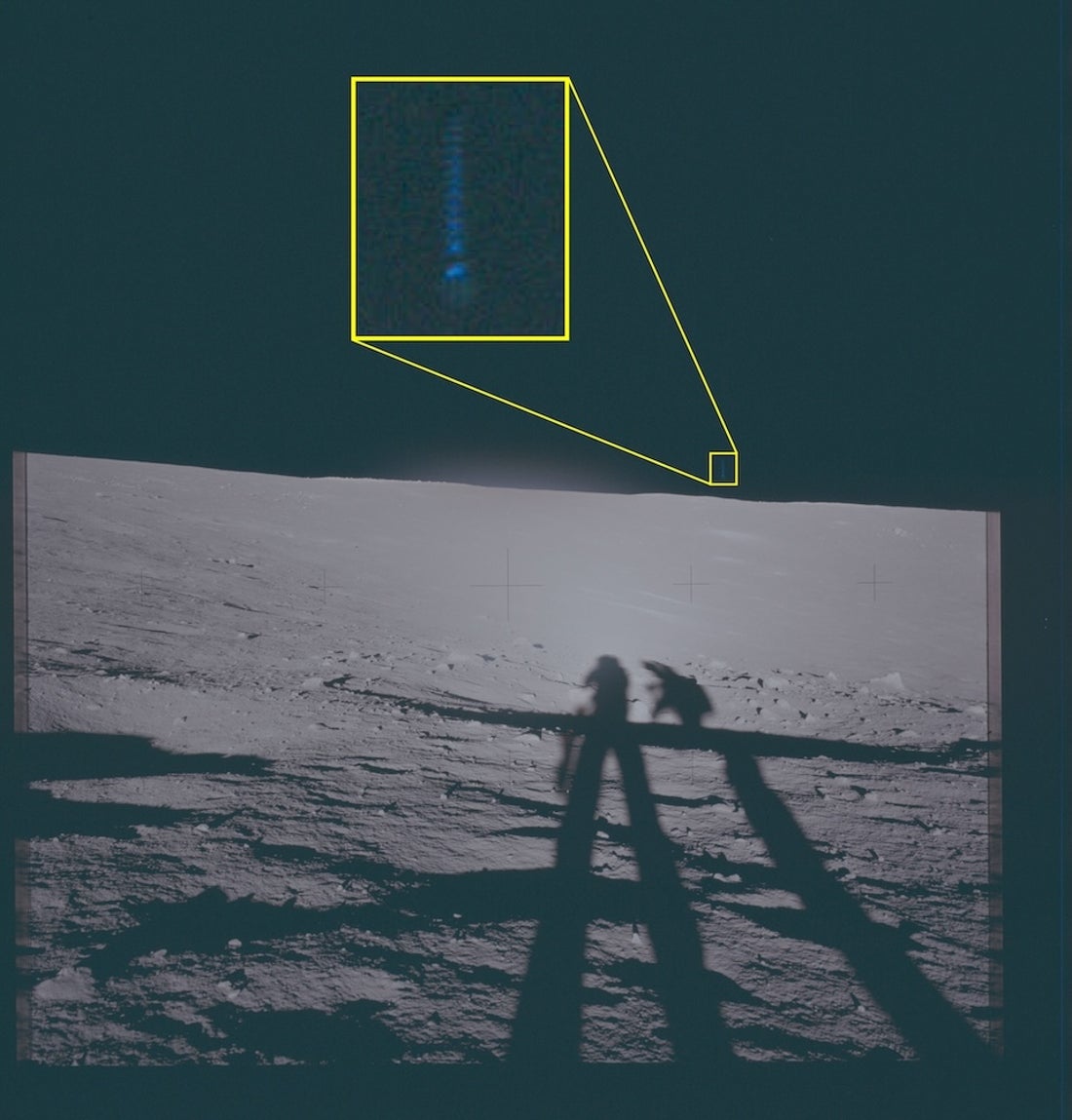
See the Pentagon’s new UFO image release

The Pentagon has started releasing files related to unidentified anomalous phenomena (UAP), also called UFOs. Here are the images released so far

Brought to you by Scientific American
Live event: What’s a Quantum Computer Good For, Anyway?

Quantum computing’s revolutionary potential is one of the most tantalizing prospects for technological breakthroughs in the 21st century. But what’s real, and what’s hype? Join Scientific American editors Lee Billings, Clara Moskowitz and Eric Sullivan for an engaging discussion on the promise and peril of quantum computing. Learn more and register here.

Dive deeper into Scientific American's essential science news: Get 90 days of digital access for just $1!
Strange crystals found inside wreckage from the first nuclear bomb test

The Trinity bomb test left behind a unique form of matter, and now, scientists have discovered a new chemical structure inside it

Mathematicians uncover ‘golden rule’ in abstract art

A mathematical ratio could explain why AI-generated art doesn’t evoke awe from viewers

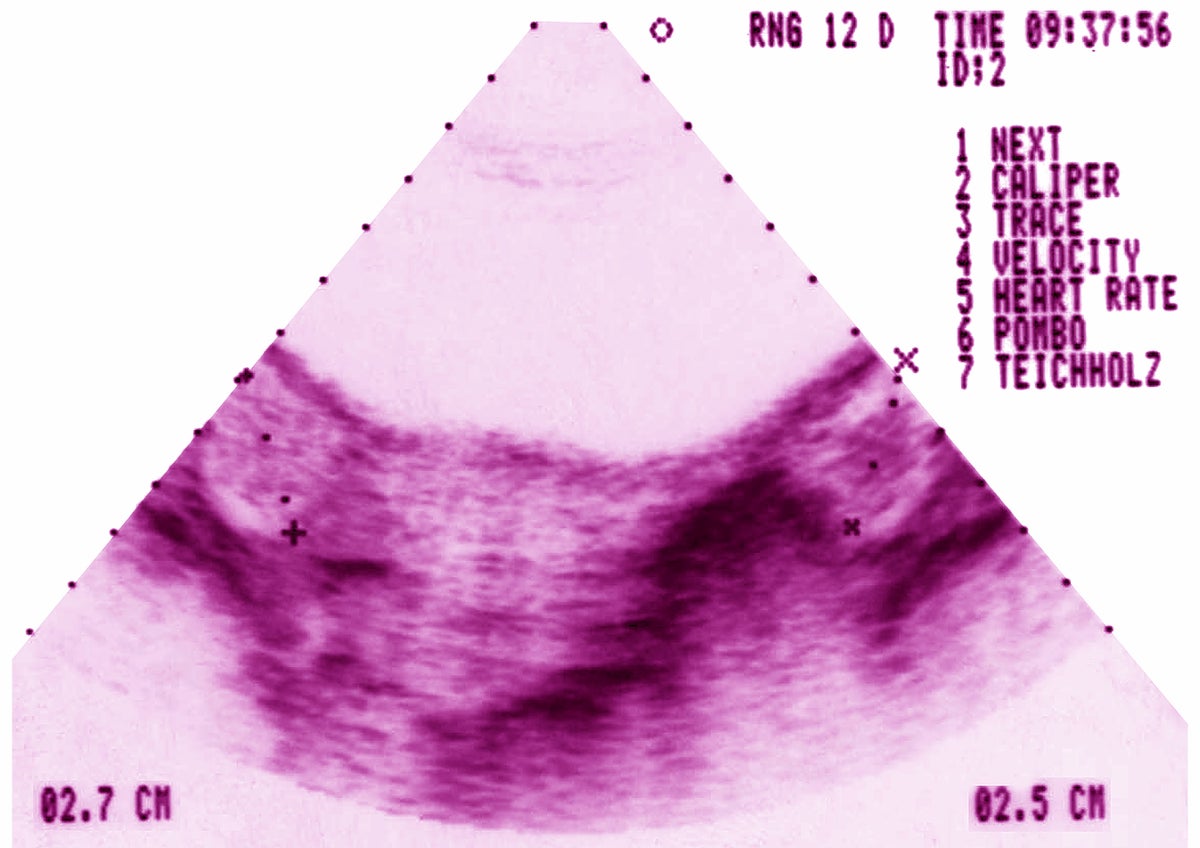
‘PCOS is inaccurate’—why scientists renamed polycystic ovary syndrome

A multiyear effort to rename polycystic ovary syndrome finally revealed the condition’s new name: polyendocrine metabolic ovarian syndrome

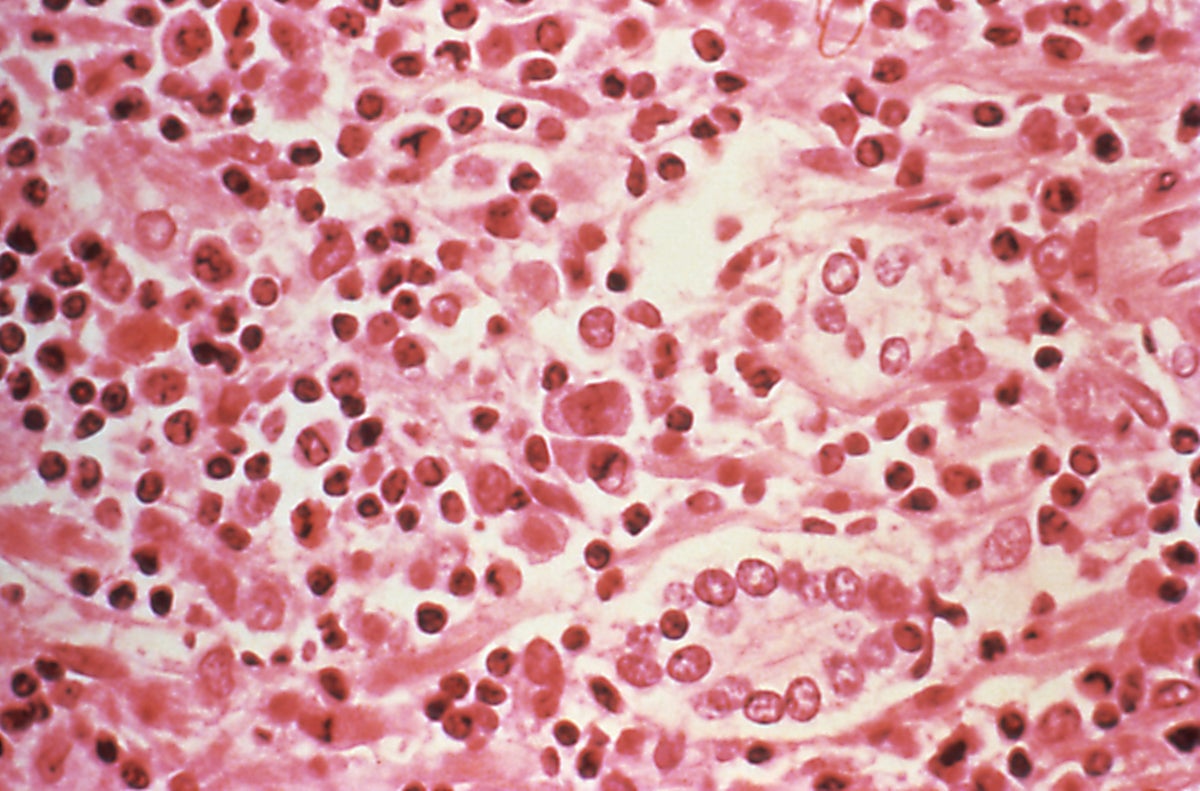
Can hantavirus spread through the air? What we do and don’t know

The Andes type of the hantavirus is spread by “close contact,” but it’s unclear how much of that transmission occurs by inhaling airborne droplets or other means

Is testosterone therapy safe and effective? What we know

Some clinicians are pushing to broaden testosterone use, but there is debate about its benefits and risks

Each atom in the universe might be unique

Long-held assumptions tell us that atoms with the same number of protons, neutrons and electrons are indistinguishable, but one physicist wants to put this idea to the test

A massive neutrino experiment is taking shape in an abandoned gold mine

The Deep Underground Neutrino Experiment will study nature’s most mysterious particle a mile beneath South Dakota’s Black Hills and will potentially reveal the origins of matter

Inside NASA’s ‘very ambitious’ moon base plan

NASA’s moon exploration plans call for nearly 80 launches, nearly 75 landers, 10 moon buggies and one nuclear reactor

Math reveals the one game of chance you should always accept

Probability theory and the Saint Petersburg paradox can help you determine whether the stakes of a game are too great

Why hantavirus takes so long to show symptoms and what that means for containment

People exposed to the Andes strain of the hantavirus may not develop symptoms for up to 42 days, a delay that makes tracing infections more difficult

Scientist Pankaj

Today in Science: The dubious origin of the hantavirus outbreak

Plus, a brain health fad that dyes your tongue blue ͏  ͏  ͏  ͏  ͏  ͏  ͏  ͏  ͏  ͏  ͏  ͏  ͏  ͏  ͏  ͏  ͏  ͏  ͏  ͏  ͏  ͏  ͏  ͏  ͏  ͏  ͏  ͏  ͏ ...