NASA releases a trove of mission photos with maybe more to come ͏ ͏ ͏ ͏ ͏ ͏ ͏ ͏ ͏ ͏ ͏ ͏ ͏ ͏ ͏ ͏ ͏ ͏ ͏ ͏ ͏ ͏ ͏ ͏ ͏ ͏ ͏ ͏ ͏ ͏ ͏ ͏ ͏ ͏ ͏ ͏ ͏ ͏ ͏ ͏ ͏ ͏ ͏ ͏ ͏ ͏ ͏ ͏ ͏ ͏ ͏ ͏ ͏ ͏ ͏ ͏ ͏ ͏ ͏ ͏ ͏ ͏ ͏ ͏ ͏ ͏ ͏ ͏ ͏ ͏ ͏ ͏ ͏ ͏ ͏ ͏ ͏ ͏ ͏ ͏ ͏ ͏ ͏ ͏ ͏ ͏ ͏ ͏ ͏ ͏ ͏ ͏ ͏ ͏ ͏ ͏ ͏ ͏ ͏ ͏ ͏ ͏ ͏ ͏ ͏ ͏ ͏ ͏ ͏ ͏ ͏ ͏ ͏ ͏ ͏ ͏ ͏ ͏ ͏ ͏ ͏ ͏ ͏ ͏ ͏ ͏ ͏ ͏ ͏ ͏ ͏ ͏ ͏ ͏ ͏ ͏ ͏ ͏ ͏ ͏ ͏ ͏ ͏ ͏ ͏ ͏ ͏ ͏ ͏ ͏
May 5, 2026—NASA released a trove of pics taken during the Artemis II mission. Plus, seismic sensors deep beneath the Antarctic ice and the FDA rejects a "breakthrough" skin cancer treatment.
—Andrea Gawrylewski
Chief Newsletter Editor
|
|
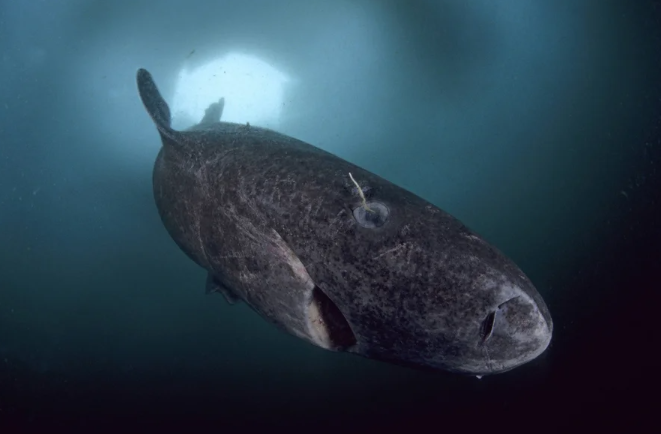
A Greenland shark off Baffin Island in the Canadian Arctic. Avalon.red/Alamy
|
|
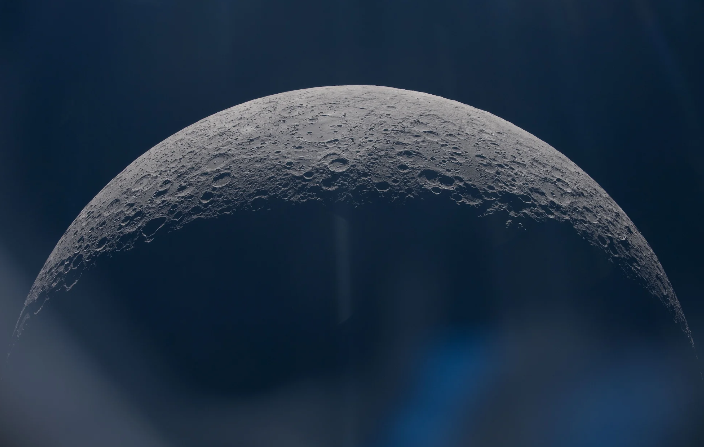
NASA just published the first big batch of photographs that the crew of Artemis II took during their 10-day mission last month around the moon and back. NASA’s Gateway to Astronaut Photography of Earth website now hosts 12,217 photographs from the mission. The complete collection is at this link (be warned, images load very slowly). The photographs currently available may not represent the full Artemis II collection, given that the image codes run from ART002-E-168 to ART002-E-30001, suggesting there may be some 18,000 more to come.
|
|
An image of half of the moon, with image artifacts caused by the window of the Artemis II Orion capsule. NASA
|
|
How they do it: The Artemis II lunar science team has until October, six months from the mission, to publish its preliminary reports on science and operations, plus the full Artemis II dataset, including all the mission’s moon images. A team of 60 people are currently poring through mission images, weeding out blurry shots or misfires.
|
|
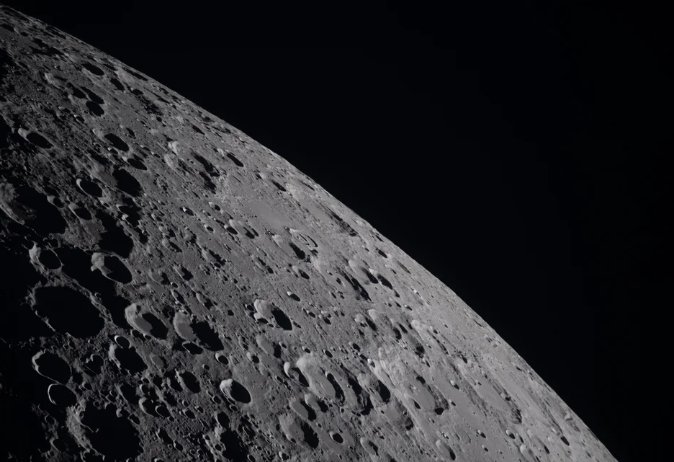
A view of the crater-scarred lunar surface captured by the Artemis II mission. NASA
|
|
The science: The science team is looking for the images that will help them study their chief science objectives: studying color and brightness of the moon, which can be clues to geological history; observing the flashes that mark a meteoroid striking the lunar surface; better understanding locations considered potential landing sites for future missions; and analyzing the wispy atmosphere and any lunar dust it contains.
|
|
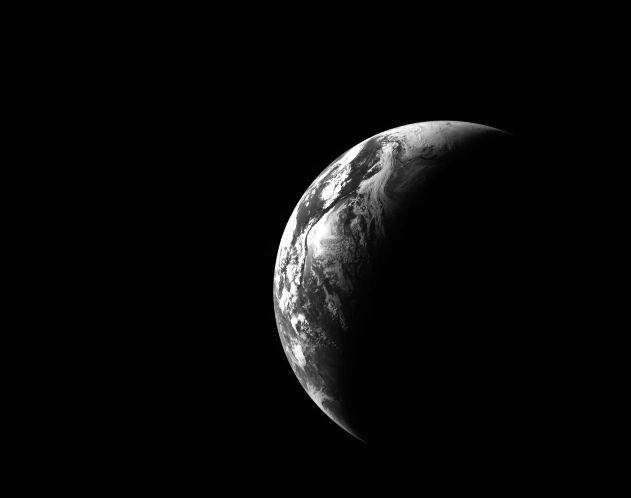
A view of Earth captured by the Artemis II mission. NASA
|
|
Deep underneath Antarctica’s ice, vibrations transmit the movement of Earth’s tectonic plates. Now, scientists have new tools to listen to them: two seismometers placed 8,000 feet deep below the South Pole ice cap. The sensors can record earthquakes of magnitude 5 or greater anywhere on the planet with unprecedented accuracy—helping to reveal new details of Earth’s deep interior.
How it works: Engineers “drilled” holes by shooting pressurized hot water into the ice to melt it, then lowered the seismometers down to 8,000 feet on strings. To prevent the pressure at that depth from damaging the seismometers, the instruments are encased in a stainless steel vessel built to withstand 10,000 pounds per square inch. Each seismometer contains a small pendulum suspended within a magnetic field. When a vibration reaches the sensor, a resistor measures the magnetic field changes from the seismic activity affecting the pendulum.
What the experts say: The South Pole station fills a significant gap in global seismic coverage, researchers say, because it's far away from other earthquake-sensing stations and there’s less interference from Earth’s rotation. The deep seismometers will be particularly good at recording long-period seismic waves created by earthquakes about magnitude 7 or greater. “Earthquake waves don’t just shake the surface; they go in all directions, including down,” says David Wilson, director of the Global Seismographic Network. —Emma Gometz, newsletter editor
|
|
|
|
|
- Can you unscramble this image of our May 1991 cover? This cover shows a cat as seen by a “retina-on-a-chip.” These silicon-based artificial retinas helped computers process images in a much more human way than was previously possible.
|
|
Consider the humble roundworm Caenorhabditis elegans. It lives in soil and dies after a mere 40 days. The Hexactinellid sea sponge, on the other hand, can live for 15,000 years. Yes, you read that right. Researchers are just beginning to piece together why some organisms live for a relatively brief time, while others can resist aging for centuries. Would you like to live for 15,000 years? Or perhaps the Greenland shark's lifespan is more your speed—they tap out after nearly 400 years.
|
|
—Andrea Gawrylewski, Chief Newsletter Editor
|
|
|
|
|
Subscribe to this and all of our newsletters here.
|
|
|
|
|