Friday, April 17, 2026

Week in Science: Millions of bees under a N.Y. cemetery

The biggest science stories this week                    

April 17—One of the largest underground colonies of bees was found in Ithaca, N.Y., how mathematicians created an "impossible shape" and the lingering joy of the Artemis II mission.

Plus: Our May issue is online! Don't miss our deep dive on mussels, a mind-bending story on magnets, a U.S. military research effort to fact-check adversaries' weapons claims and much more. Enjoy!

—Emma Gometz, Newsletter Editor

Have thoughts? Email newsletters@sciam.com anytime.

Top Stories
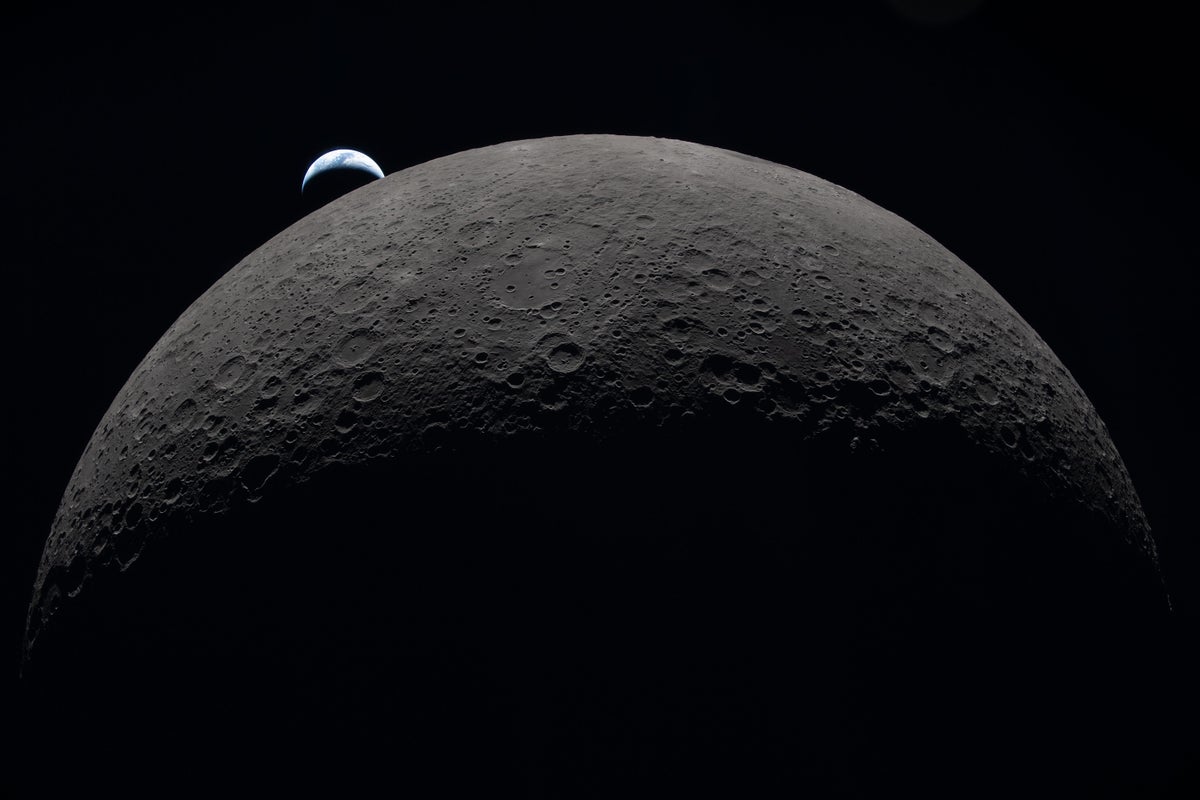
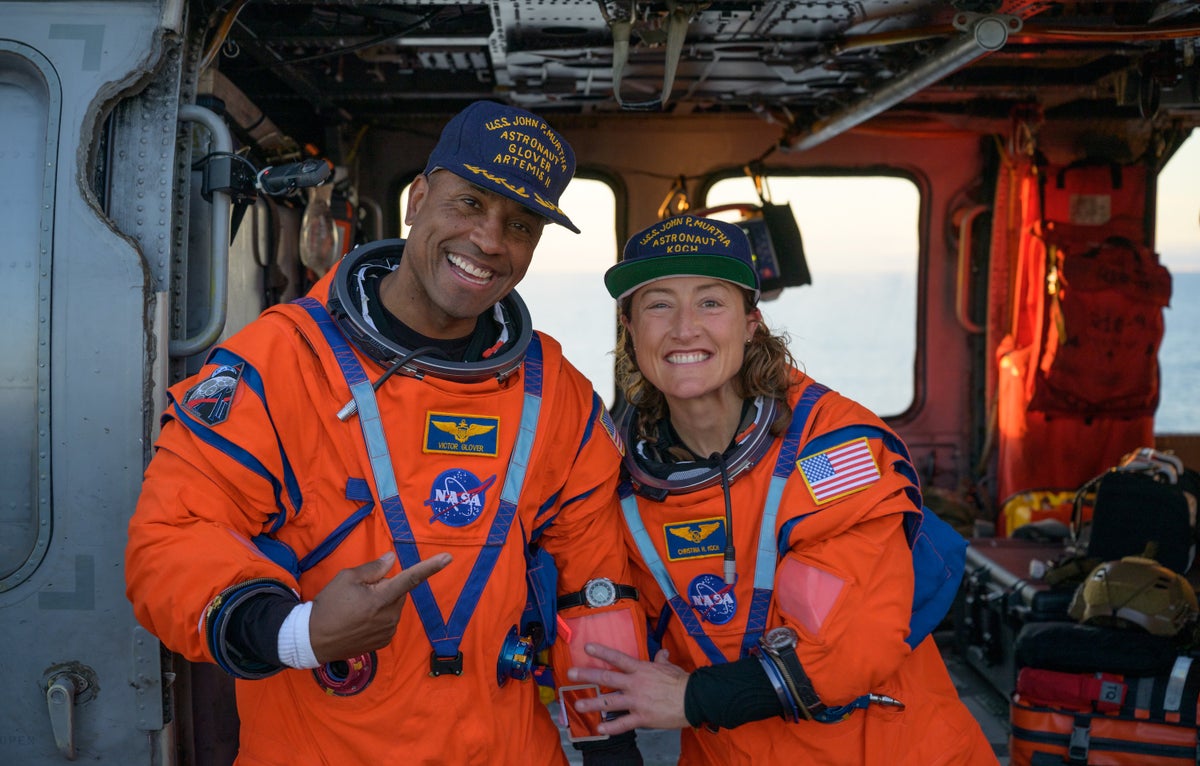
See NASA’s Artemis II mission around the moon in 12 stunning photos

The Artemis II mission’s 10-day odyssey around the moon and back was captured in stunning photographs at every moment. Here are 12 of our favorite images

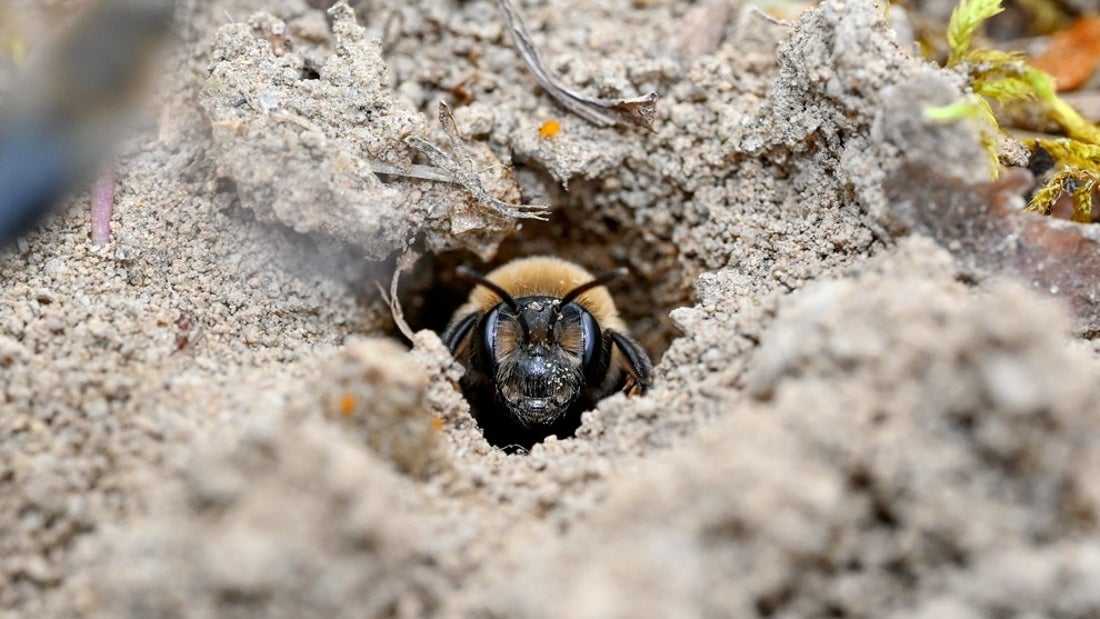
Scientists just discovered 5.6 million bees under a New York State cemetery

This whopping bee aggregation is one of the largest and oldest ever recorded, according to a new study

Brought to you by Scientific American Travel
Limited Space on Trip of a Lifetime

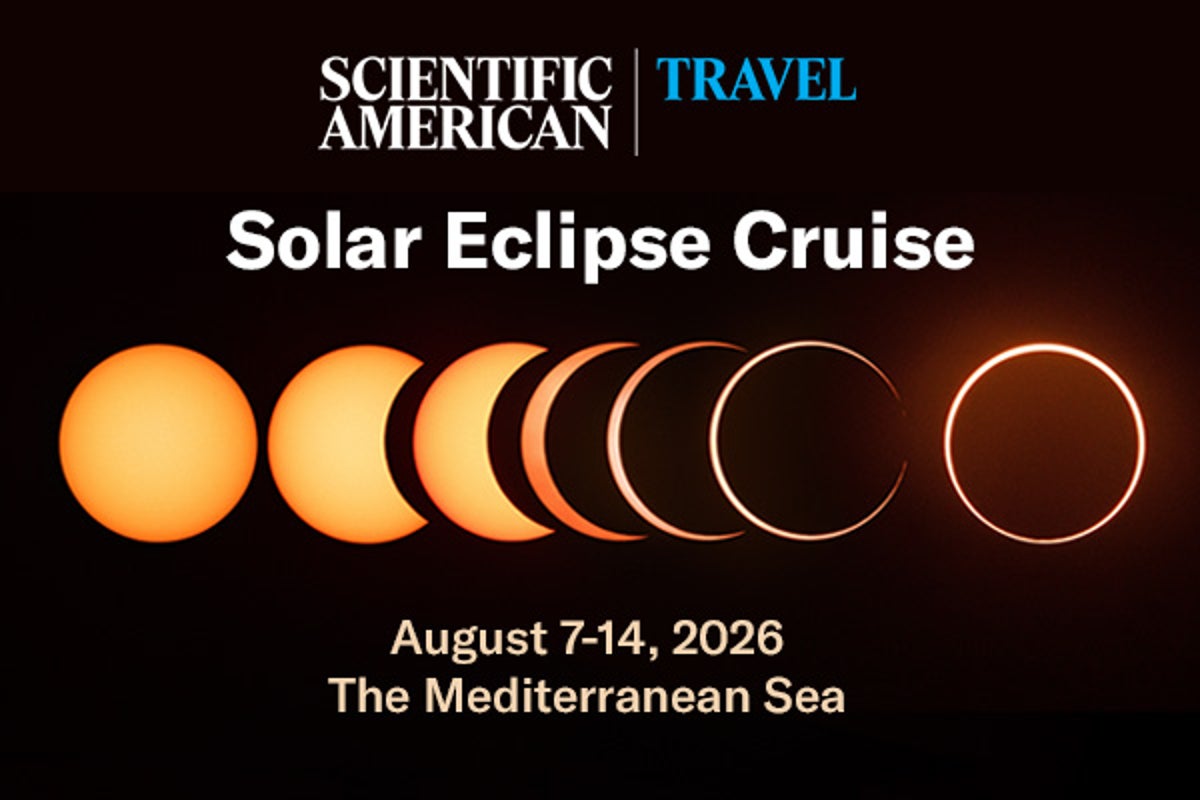
Only a few cabins left for our 2026 solar eclipse cruise! Reserve yours while you can for an extraordinary experience: watching totality approach while surrounded by the sea, fellow science lovers and your trip leader, Chief of Reporters Clara Moskowitz. Learn More.

Want to dive deeper? Get a deal on a subscription and support Scientific American.
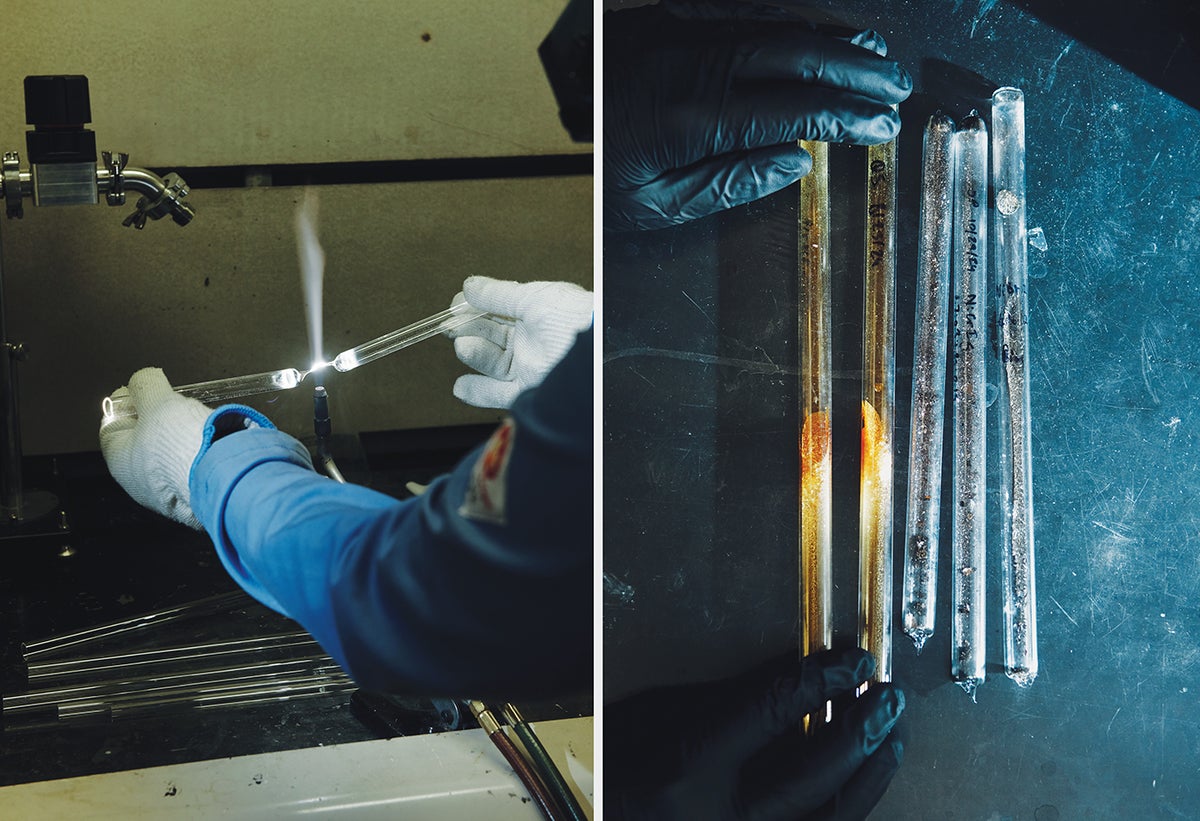
Super heat conductor challenges fundamental physics

With performance three times better than copper’s, this new material could substantially improve heat management of electronics, data centers and energy systems

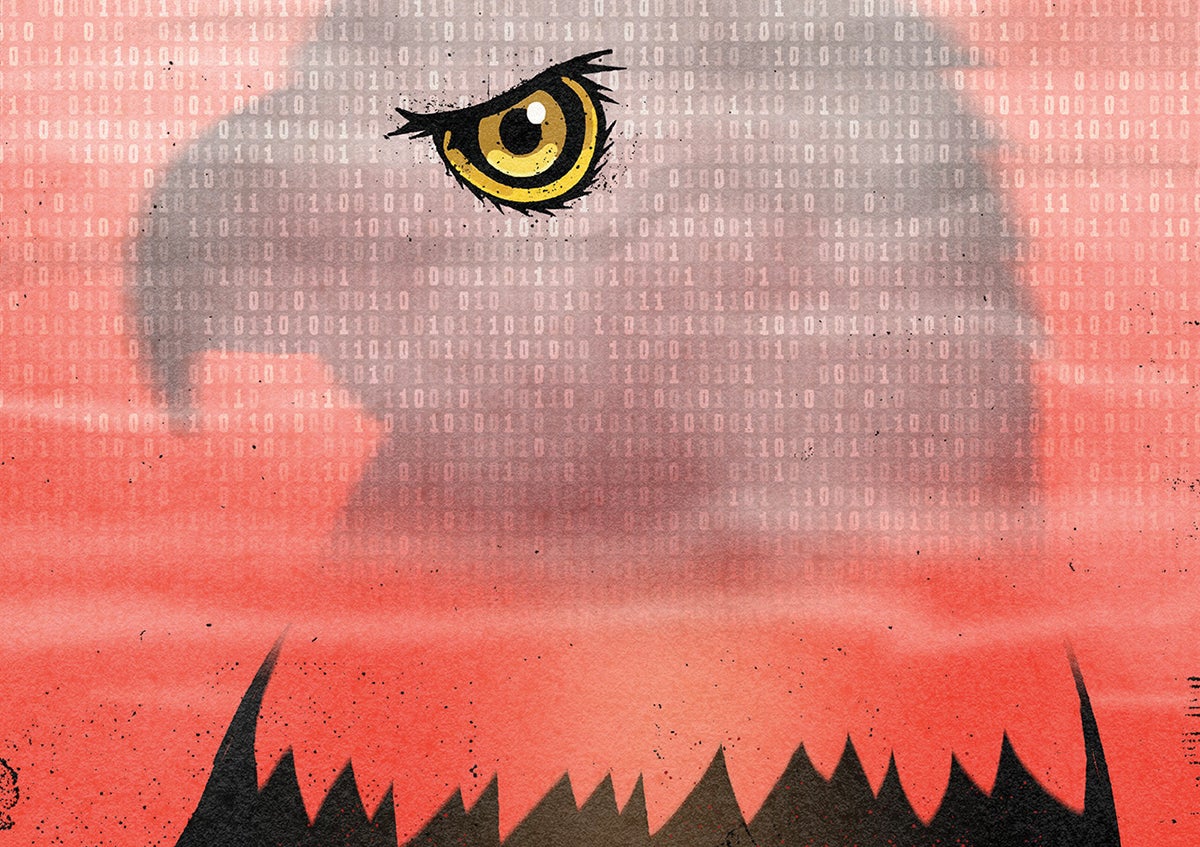
DARPA’s AI is built to call BS on wild weapons claims

The SciFy program tests whether adversaries’ most outlandish scientific claims add up or fall apart

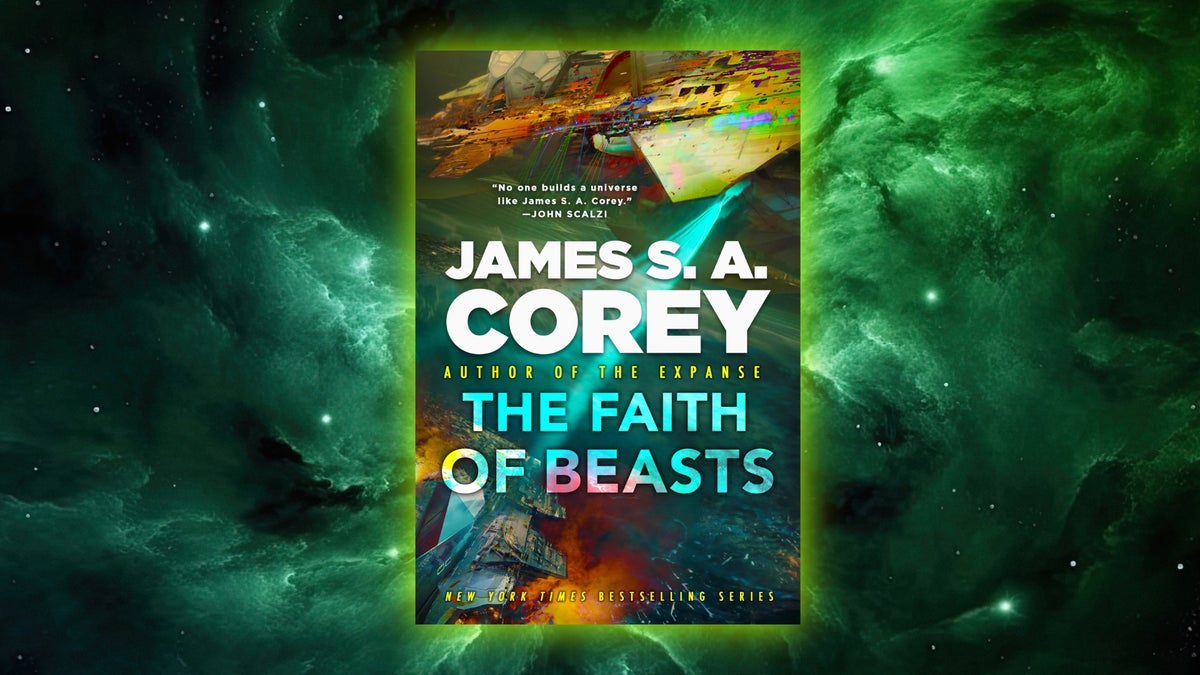
The Expanse authors James S. A. Corey dive into alien minds in The Faith of Beasts

Award winning duo James S. A. Corey show humanity’s struggle with staggering alien power in their latest installment of the Captive’s War series

How two mathematicians created an equation that quietly runs the planet

The Diffie-Hellman key exchange secures everything from your text messages to government secrets

The hidden cause of heart disease is inflammation

Immune system overreactions may be the true culprit of cardiac illness—and lifesaving drugs can calm them down

Artemis II reveals why humans still love the moon

The triumph of NASA’s first crewed lunar mission in a half-century is a reminder of what the moon really means for Earth—and why we’re going back

New study shows how the brain weighs evidence to make decisions

When presented with two different types of decisions, the brain accumulates evidence in a similar way

A face-swapping illusion can unlock childhood memories

By making people feel as if they inhabit a younger version of their own face, researchers can bring childhood memories into sharper focus

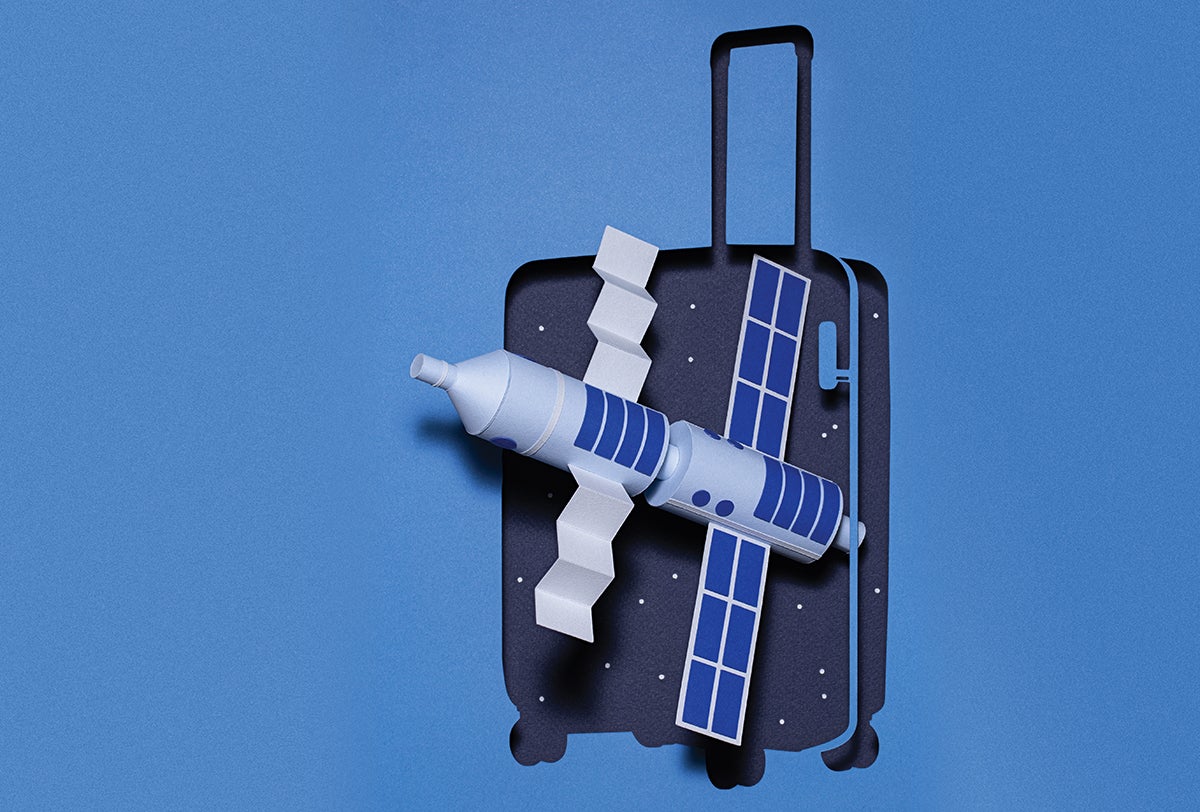
Space hotels are coming soon

With the rise of private orbital habitats, vacations in space are becoming a real possibility for the ultrawealthy

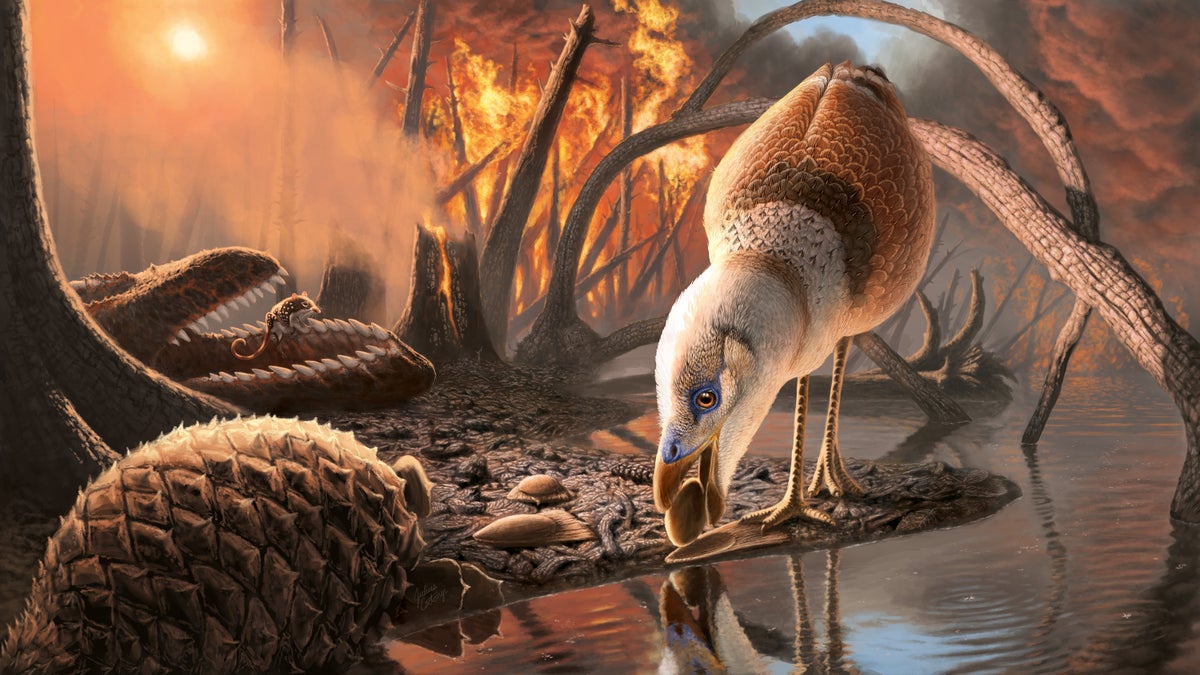
How birds survived the dinosaurs’ doomsday

Scientists finally understand why birds were the only dinosaurs to pull through the end-Cretaceous mass extinction

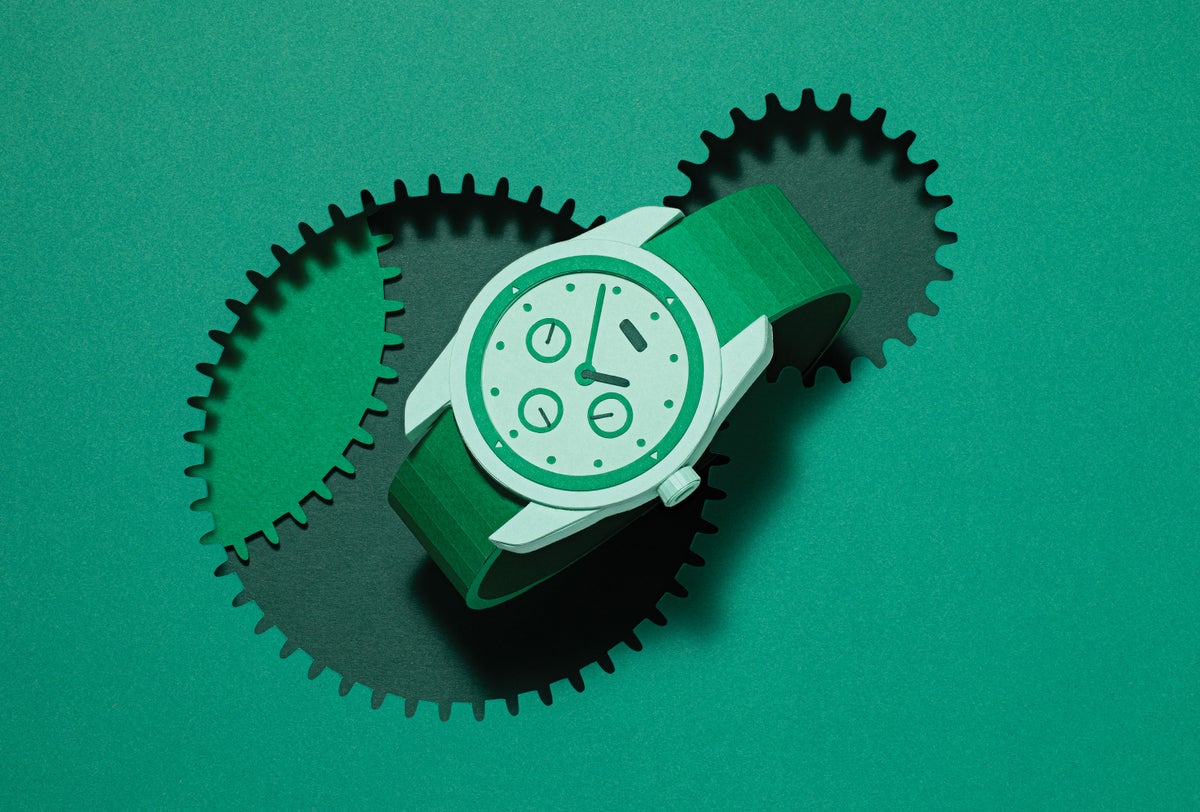
How a lost 1812 wristwatch sparked a 200-year race in precision engineering

Modern luxury watches can be traced back to one of Napoleon Bonaparte’s younger sisters

How strange new ‘altermagnets’ could rewrite physics

How the discovery of altermagnets could change physics and computing

Scientist Pankaj

Week in Science: Millions of bees under a N.Y. cemetery

The biggest science stories this week                     ...