Plus, the biggest 3D map of the universe to date ͏ ͏ ͏ ͏ ͏ ͏ ͏ ͏ ͏ ͏ ͏ ͏ ͏ ͏ ͏ ͏ ͏ ͏ ͏ ͏ ͏ ͏ ͏ ͏ ͏ ͏ ͏ ͏ ͏ ͏ ͏ ͏ ͏ ͏ ͏ ͏ ͏ ͏ ͏ ͏ ͏ ͏ ͏ ͏ ͏ ͏ ͏ ͏ ͏ ͏ ͏ ͏ ͏ ͏ ͏ ͏ ͏ ͏ ͏ ͏ ͏ ͏ ͏ ͏ ͏ ͏ ͏ ͏ ͏ ͏ ͏ ͏ ͏ ͏ ͏ ͏ ͏ ͏ ͏ ͏ ͏ ͏ ͏ ͏ ͏ ͏ ͏ ͏ ͏ ͏ ͏ ͏ ͏ ͏ ͏ ͏ ͏ ͏ ͏ ͏ ͏ ͏ ͏ ͏ ͏ ͏ ͏ ͏ ͏ ͏ ͏ ͏ ͏ ͏ ͏ ͏ ͏ ͏ ͏ ͏ ͏ ͏ ͏ ͏ ͏ ͏ ͏ ͏ ͏ ͏ ͏ ͏ ͏ ͏ ͏ ͏ ͏ ͏ ͏ ͏ ͏ ͏ ͏ ͏ ͏ ͏ ͏ ͏ ͏ ͏
April 16, 2026—The biggest, clearest map of the universe yet. Bloody battles for naked mole rat power. And drink your coffee and get comfy, because my colleague Emma Gometz is about to do a deep dive on magnets.
—Andrea Gawrylewski
Chief Newsletter Editor
|
|
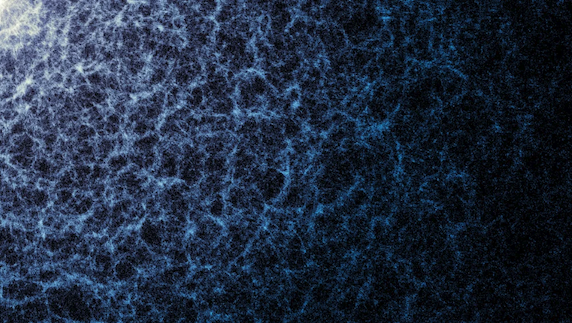
A small portion of the latest map of the universe. Each dot represents a galaxy. DESI Collaboration and DESI Member Institutions/DOE/KPNO/NOIRLab/NSF/AURA/R. Proctor (image); M. Zamani/NSF NOIRLab (image processing)
|
|
|
|
|
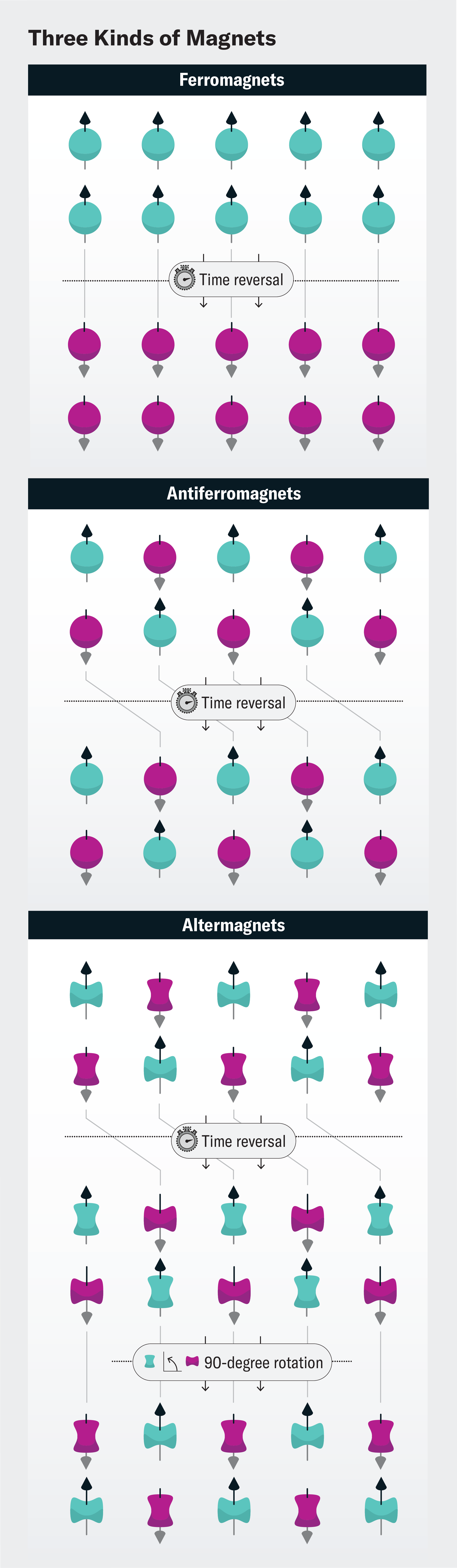
Most people would say a substance is either magnetic or it’s not. But actually, there are many different types of magnets and magnetism. Traditional magnets, called ferromagnets, can produce strong forces through their magnetic fields, called magnetization. Within magnets, electrons are essentially little balls with quantum properties that create an electric charge—such behavior is called spin (though physicists say, infuriatingly, that the electrons aren’t actually spinning). When many electrons in a material have spin in the same direction, they create a magnetic force, and this alignment is what powers ferromagnets. In a recent flurry of magnet research, scientists have uncovered a new type of magnetism that relies on a unique alignment of electrons. It could be the perfect mechanism for new digital data storage systems.
The different magnets:
- Ferromagnets: Everyday magnets that can stick art to the fridge. These magnets are helpful for computer hard drives, because they can adjust how easily electricity flows through a material by changing the direction of the electron spin.
- Antiferromagnets: These materials have electrons whose spins alternate, meaning they don’t all point the same direction. If their spins are flipped, the arrangement of electrons is symmetrical—meaning they basically look the same either way. Antiferromagnets don’t have a net magnetic field, so scientists haven’t found them useful for commercial applications.
- Altermagnets: In these newly discovered magnets, the direction of the electrons' spin alternates, and the shapes of the neighboring atoms are asymmetric. This means they have special magnetic properties distinct from ferromagnets.
- Antialtermagnets: Also known as p-wave magnets, antialtermagnets break symmetry and take on a shape that basically entails turning the object inside out. The electrons form a helix shape, kind of like a screw. But these magnets still only exist in theory—scientists are racing to find them and put them to work in commercial applications. Some candidate materials are nickel iodide and nickel bromide.
Ferromagnets break what is called time-reversal symmetry: if you could go back in time and flip their spins they wouldn’t look the same. Since antiferromagnets have no net magnetic field, going back in time and flipping their spin doesn’t affect their overall properties. And because of the perpendicular alignments of altermagnet electrons, they not only break time-reversal, but they retain some of their symmetry, giving them special properties.
|
|
What the experts say: So which is the best magnet? Altermagnets can generate electrical currents much faster than ferromagnets, which is ideal for making hard drives with higher operation speeds. A p-wave magnet might be the most efficient magnet of all because scientists can easily switch their screw shape to its mirror image. But so far, no single newfangled magnet can do it all. They’re more like hybrids. “It’s the magnetic equivalent of a labradoodle that happens to look and act a lot like a p-wave magnet,” writes freelance journalist Bob Henderson of nickel iodide. —Emma Gometz, newsletter editor
|
|
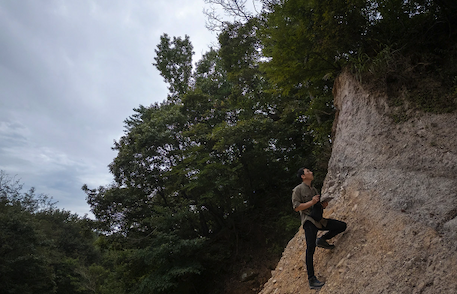
“Until the Tōhoku earthquake in 2011 caused the nuclear disaster at Fukushima in nearby Japan, people in South Korea had not paid much attention to active faults,” says geomorphologist Jeong-Sik Oh. “We’ve become more worried about seismic risks since then.” In 2017, South Korea’s government founded the Korea Active Fault Research Group to create the country’s first active-fault map. Oh and others in the group discovered the previously hidden active fault line, which he is examining in the photo above, on a ridge in a forested valley. Researchers use drones and lidar to spot such rifts, but “the best tool of all is my feet,” says Oh. Nature | 3 min read
|
|
Look again at the image at the very top of this email. That is a snippet of the giant 3D map created by the Dark Energy Spectroscopic Instrument (DESI). You can click here to zoom in on the map. Each speck of light represents one galaxy, and the brighter, denser regions are where galaxies and galaxy clusters have clumped together. As a reminder, the entirety of this newest map only represents a portion of the whole universe and only as far back 11 billion years—leaving nearly three billion years of cosmic structure unprobed. The scale of the cosmos is truly mind-bending.
|
|
—Andrea Gawrylewski, Chief Newsletter Editor
|
|
|
|
|
Subscribe to this and all of our newsletters here.
|
|
|
|
|