Test your logic and reasoning with this special issue of Today in Science ͏ ͏ ͏ ͏ ͏ ͏ ͏ ͏ ͏ ͏ ͏ ͏ ͏ ͏ ͏ ͏ ͏ ͏ ͏ ͏ ͏ ͏ ͏ ͏ ͏ ͏ ͏ ͏ ͏ ͏ ͏ ͏ ͏ ͏ ͏ ͏ ͏ ͏ ͏ ͏ ͏ ͏ ͏ ͏ ͏ ͏ ͏ ͏ ͏ ͏ ͏ ͏ ͏ ͏ ͏ ͏ ͏ ͏ ͏ ͏ ͏ ͏ ͏ ͏ ͏ ͏ ͏ ͏ ͏ ͏ ͏ ͏ ͏ ͏ ͏ ͏ ͏ ͏ ͏ ͏ ͏ ͏ ͏ ͏ ͏ ͏ ͏ ͏ ͏ ͏ ͏ ͏ ͏ ͏ ͏ ͏ ͏ ͏ ͏ ͏ ͏ ͏ ͏ ͏ ͏ ͏ ͏ ͏ ͏ ͏ ͏ ͏ ͏ ͏ ͏ ͏ ͏ ͏ ͏ ͏ ͏ ͏ ͏ ͏ ͏ ͏ ͏ ͏ ͏ ͏ ͏ ͏ ͏ ͏ ͏ ͏ ͏ ͏ ͏ ͏ ͏ ͏ ͏ ͏ ͏ ͏ ͏ ͏ ͏ ͏
April 26, 2026—This is a special weekend edition of Today in Science. Test your analytical brain with this month's most popular games and puzzles. Think you're smart? Tackle the challenges below.
—Andrea Gawrylewski, Chief Newsletter Editor
|
|
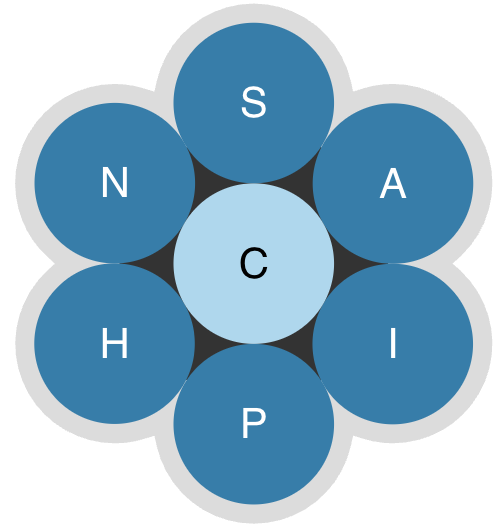 Spellements: Build as many words as possible using the middle letter. Can you find any words that incorporate all the letters? Hint: one is featured in a recent Scientific American article. Spellements: Build as many words as possible using the middle letter. Can you find any words that incorporate all the letters? Hint: one is featured in a recent Scientific American article.
|
|
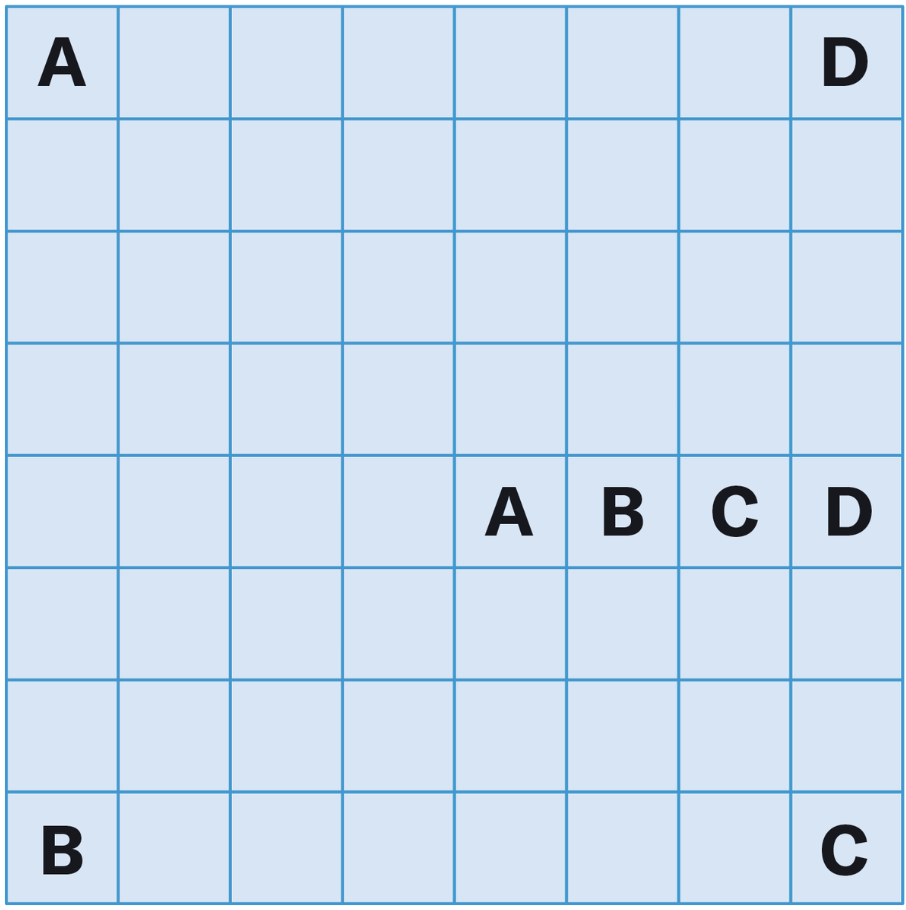 Divide this grid into four identical, nonoverlapping shapes along the square boundaries. Each shape must contain two of the same letters. Solution here. Divide this grid into four identical, nonoverlapping shapes along the square boundaries. Each shape must contain two of the same letters. Solution here.
|
|
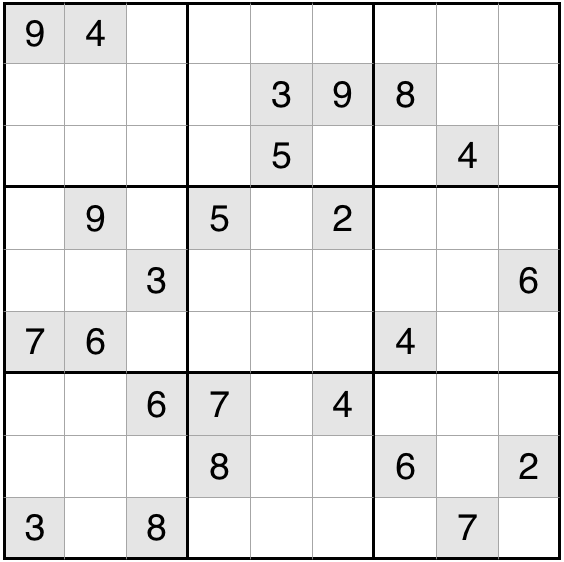 Expert Sudoku: Fill each row, column and sub-grid with exactly one of each number from 1-9. Solution here. Expert Sudoku: Fill each row, column and sub-grid with exactly one of each number from 1-9. Solution here.
|
|
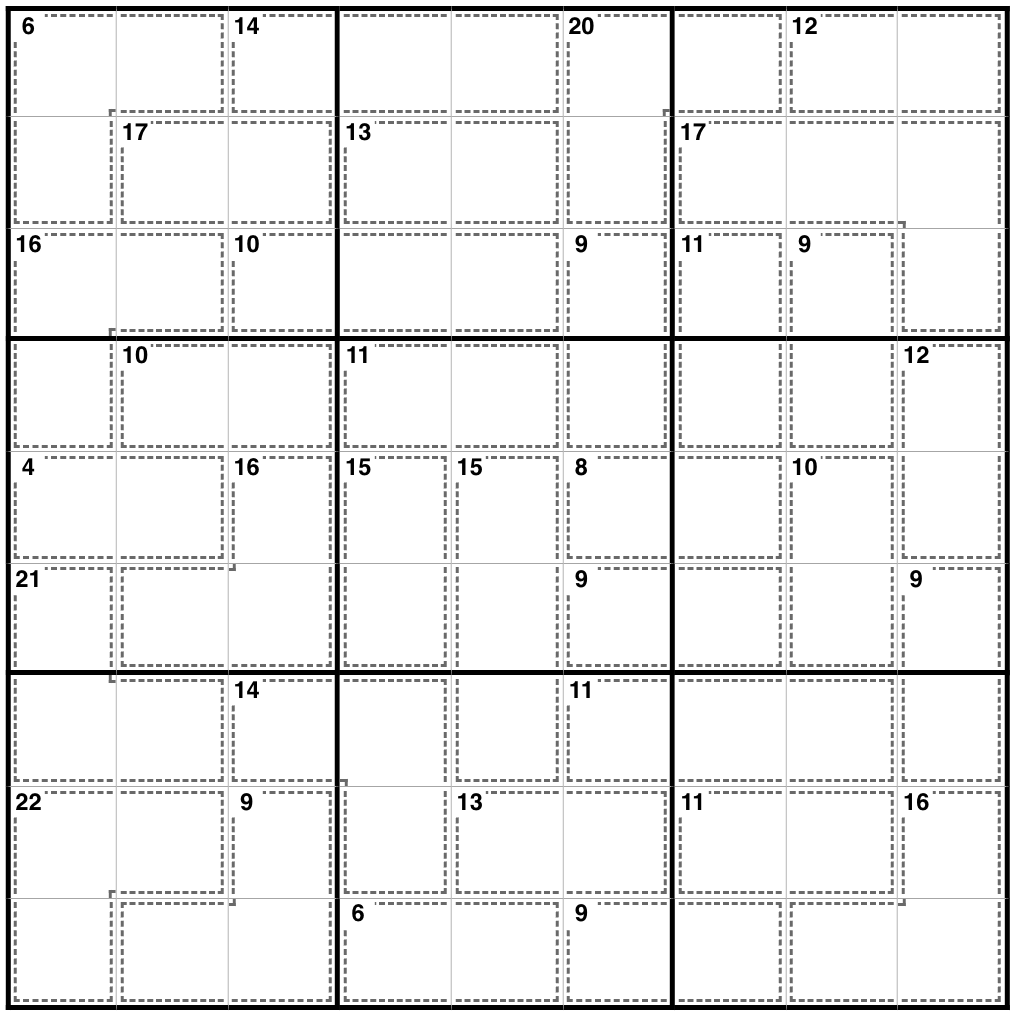 Killer Sudoku: Fill each row, column and sub-grid with exactly one of each number from 1-9. In Killer Sudoku, the digits in each inner shape (marked by dots) must add up to the number in the top corner of that box. No digit can be repeated within an inner shape, row, column or sub-grid. Solution here. Killer Sudoku: Fill each row, column and sub-grid with exactly one of each number from 1-9. In Killer Sudoku, the digits in each inner shape (marked by dots) must add up to the number in the top corner of that box. No digit can be repeated within an inner shape, row, column or sub-grid. Solution here.
|
|
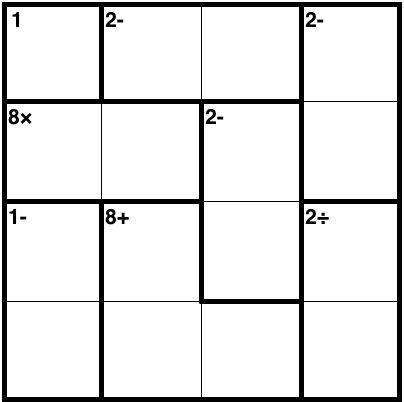 KenKen 4x4: Fill each row and column with exactly one of each possible number—in this case, numbers 1 through 4. You are not allowed to repeat any number in the same row or column. Each inner shape (marked by the boundaries) has an associated number and an operation. The result of applying the operation to the digits within that shape must equal the associated number. Find the solution here. KenKen 4x4: Fill each row and column with exactly one of each possible number—in this case, numbers 1 through 4. You are not allowed to repeat any number in the same row or column. Each inner shape (marked by the boundaries) has an associated number and an operation. The result of applying the operation to the digits within that shape must equal the associated number. Find the solution here.
|
|
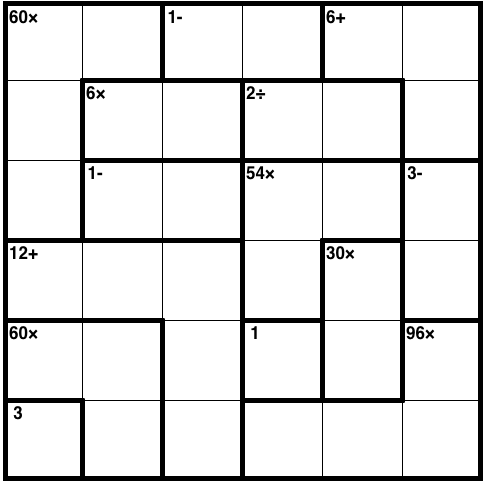 KenKen 6x6: Same rules as the previous one, but this time fill each row and column with exactly one of each numbers 1 through 6, while adhereing to the internal calculations. Solution here. KenKen 6x6: Same rules as the previous one, but this time fill each row and column with exactly one of each numbers 1 through 6, while adhereing to the internal calculations. Solution here.
|
|
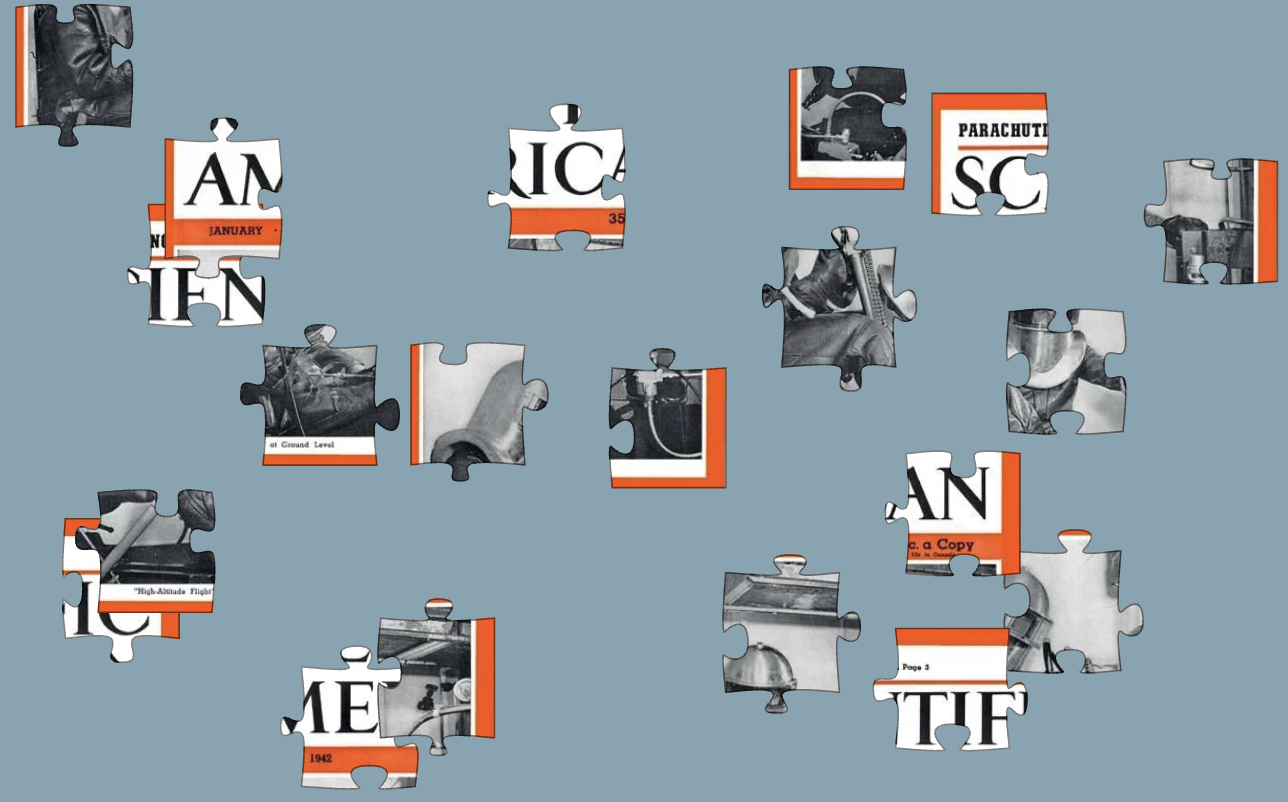
Unscramble our most popular jigsaw puzzle this month of our January 1942 issue. This cover shows two engineers testing plane parts in what was then the coldest place in the U.S.—an icy science chamber in sunny Santa Monica, Calif., that reached -104 degrees Fahrenheit. To work in such cold conditions, scientists inside the room wore specialty suits made of sheepskin and aluminum.
|
|
|
|
|
If you liked this edition of Today in Science, consider forwarding it to a friend! And tell us what YOU think by clicking on a link below and hitting "send."
|
|
—Andrea Gawrylewski, Chief Newsletter Editor
|
|
|
|
|
Subscribe to this and all of our newsletters here.
|
|
|
|
|