Friday, April 24, 2026

Week in Science: Chaos mathematician wins major prize

The biggest science stories this week                    

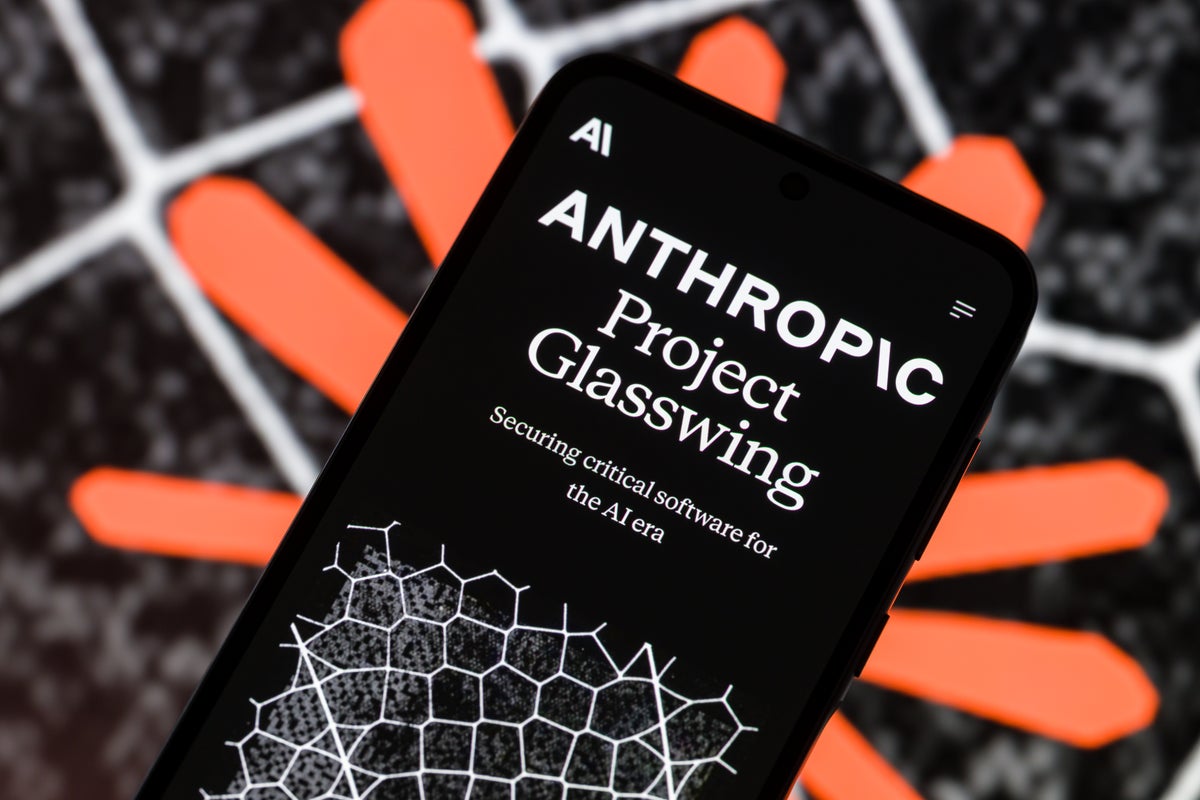
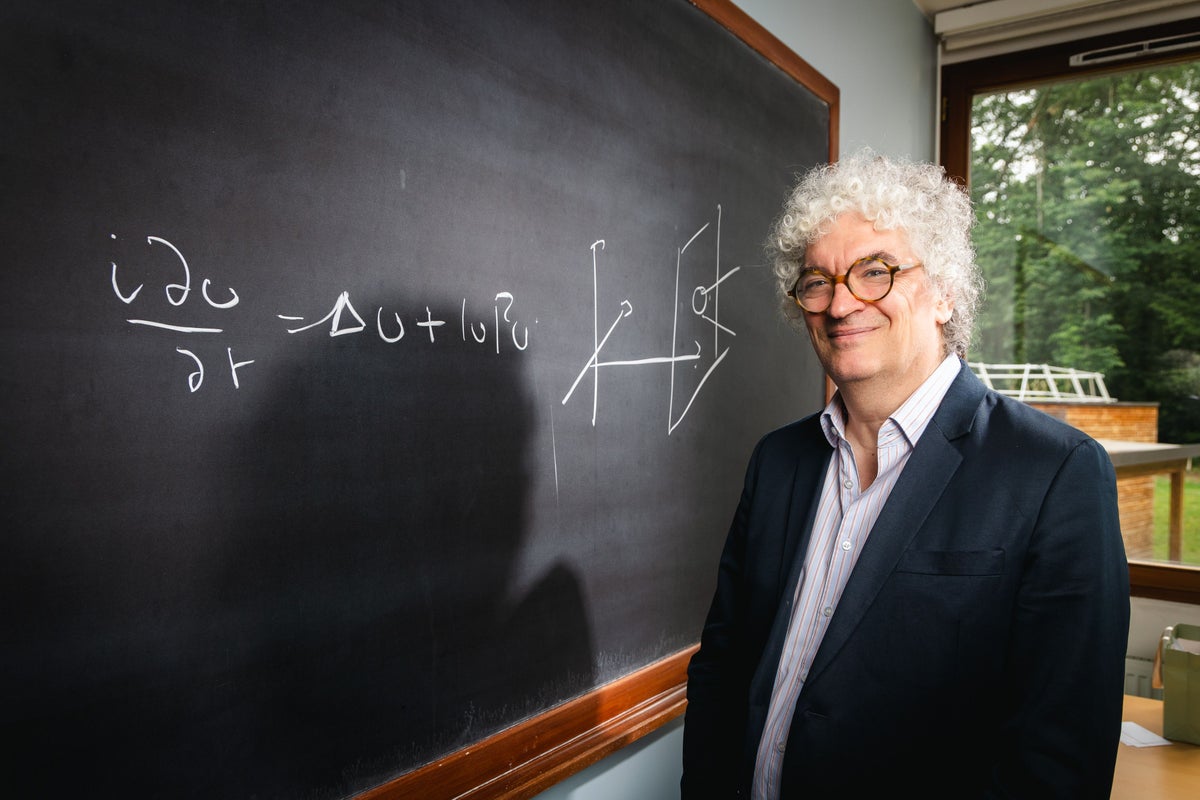
April 24—About two weeks ago, Anthropic announced its latest AI model, Mythos. But they refused to release it to the public, citing its hacking abilities and a fallout that could be "severe." We talked to cybersecurity experts about what to expect. Other top stories this week include a conversation with award-winning mathematician Frank Merle, a possible delay to NASA's 2028 moon plans, what happens when salmon try cocaine and much more!

—Emma Gometz, Newsletter Editor

Have thoughts? Email newsletters@sciam.com anytime.

Top Stories
What is Mythos, Anthropic’s unreleased AI model, and how worried should we be?

The company says Mythos is too dangerous to release publicly. Cybersecurity experts agree the model's capabilities matter, but not all of them are buying the most alarming claims

Master of chaos wins $3-million math prize for ‘blowing up’ equations

For decades, mathematician Frank Merle has been embracing the messy math behind lasers and fluids

Brought to you by Scientific American Travel
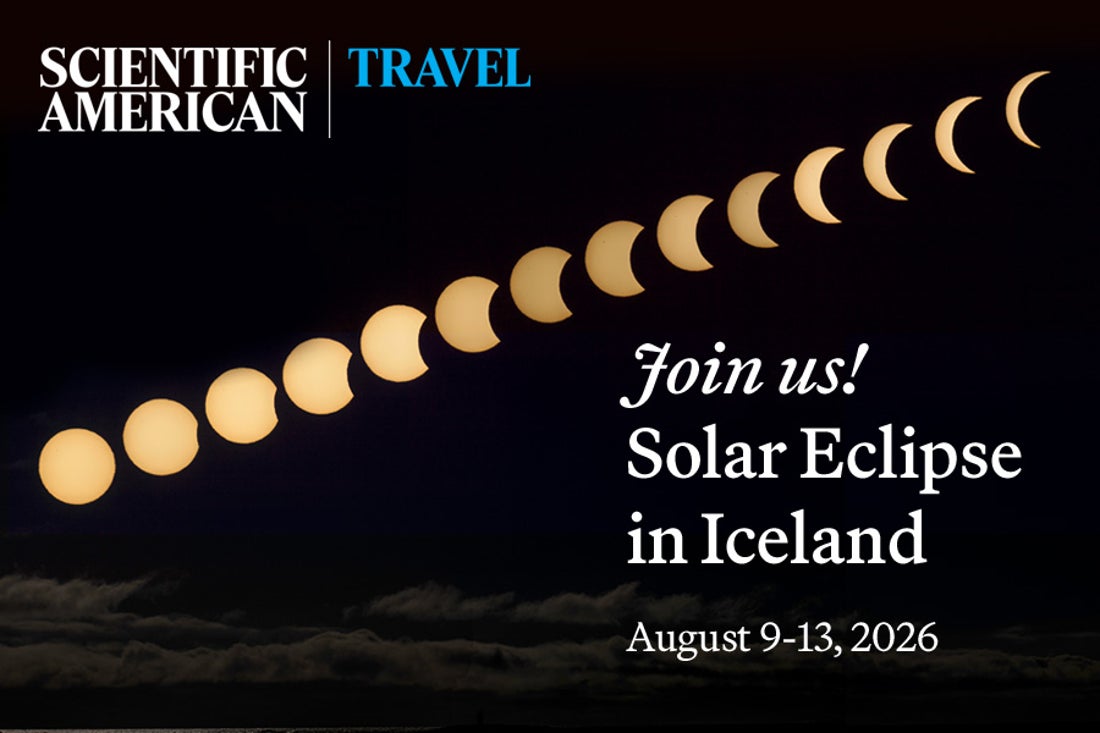
Space Now Open for Icelandic Eclipse Adventure

New availability! Grab your spot while they last and experience the 2026 solar eclipse in the Land of Ice and Fire on this trip of a lifetime led by Senior News Editor Andrea Thomspon. Learn More.

Want to dive deeper? Get 90 days of digital access for $1 and support Scientific American.
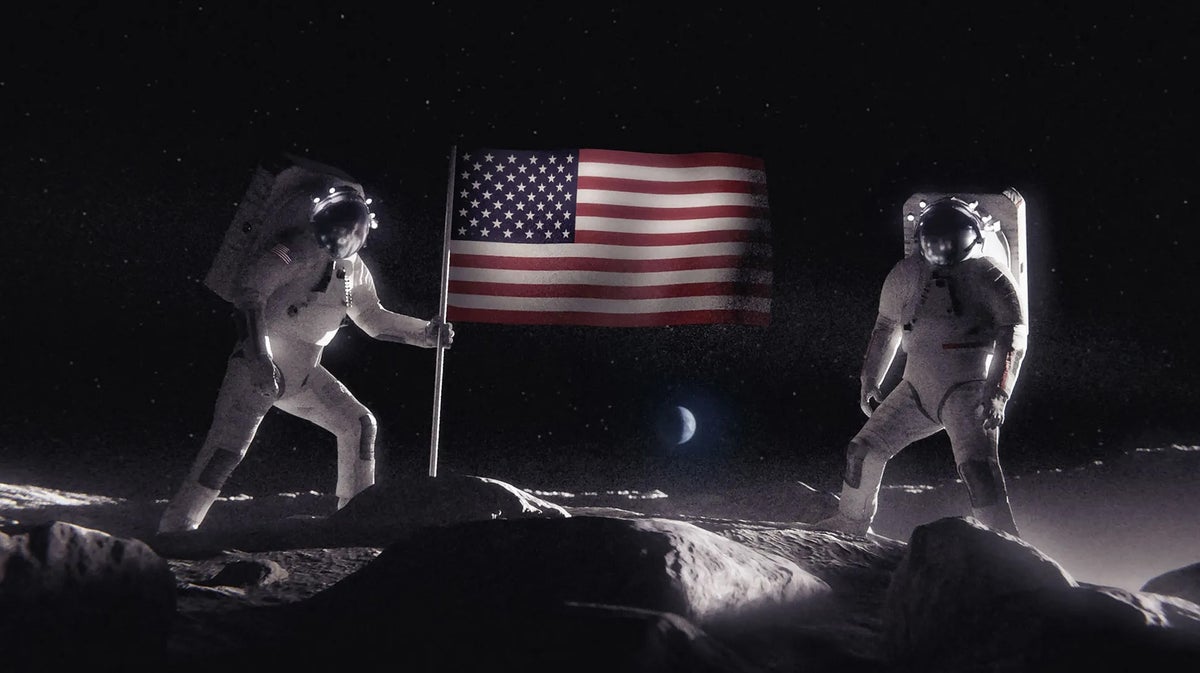
NASA’s 2028 moonshot may be delayed because of lack of space suits, watchdog report warns

NASA needs new space suits to land astronauts on the moon by 2028, but development is behind and in danger of slipping further, according to a report from the agency’s Office of Inspector General

FBI investigating possible links between deaths and disappearances of at least 10 scientists

This announcement from the FBI came after President Donald Trump highlighted the recent deaths of several scientists and government workers who may have had access to sensitive information

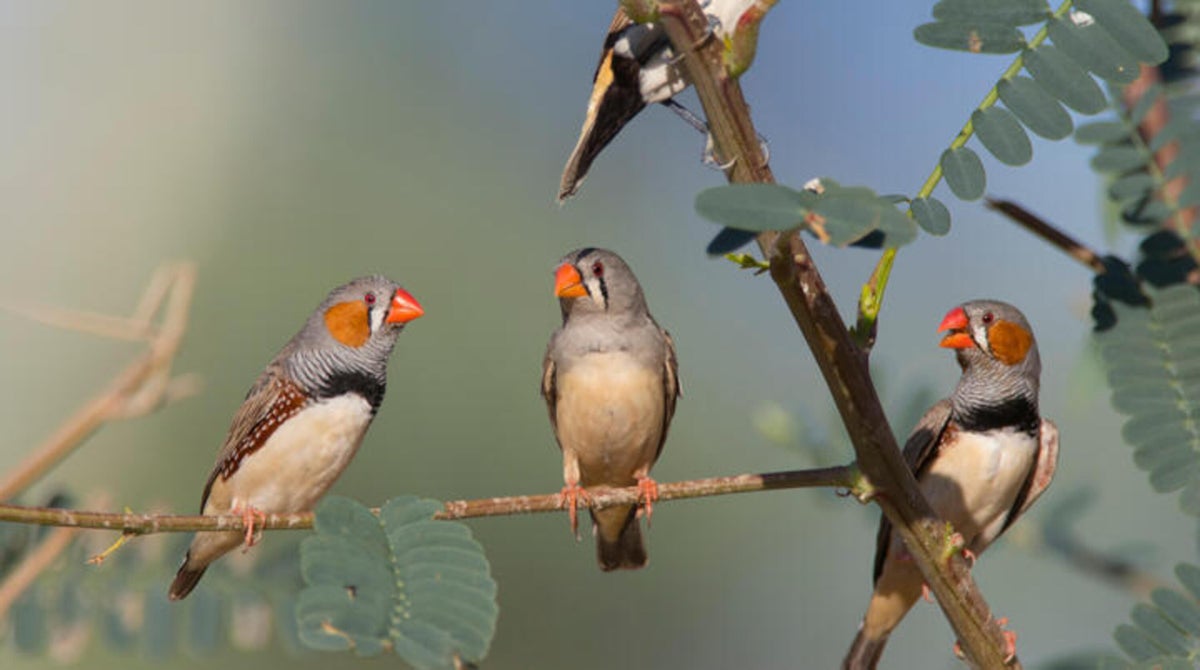
Songbirds reveal the dark side of making new brain cells as adults

A new study in songbirds might help explain why humans don’t generate many new brain cells, called neurons, as adults

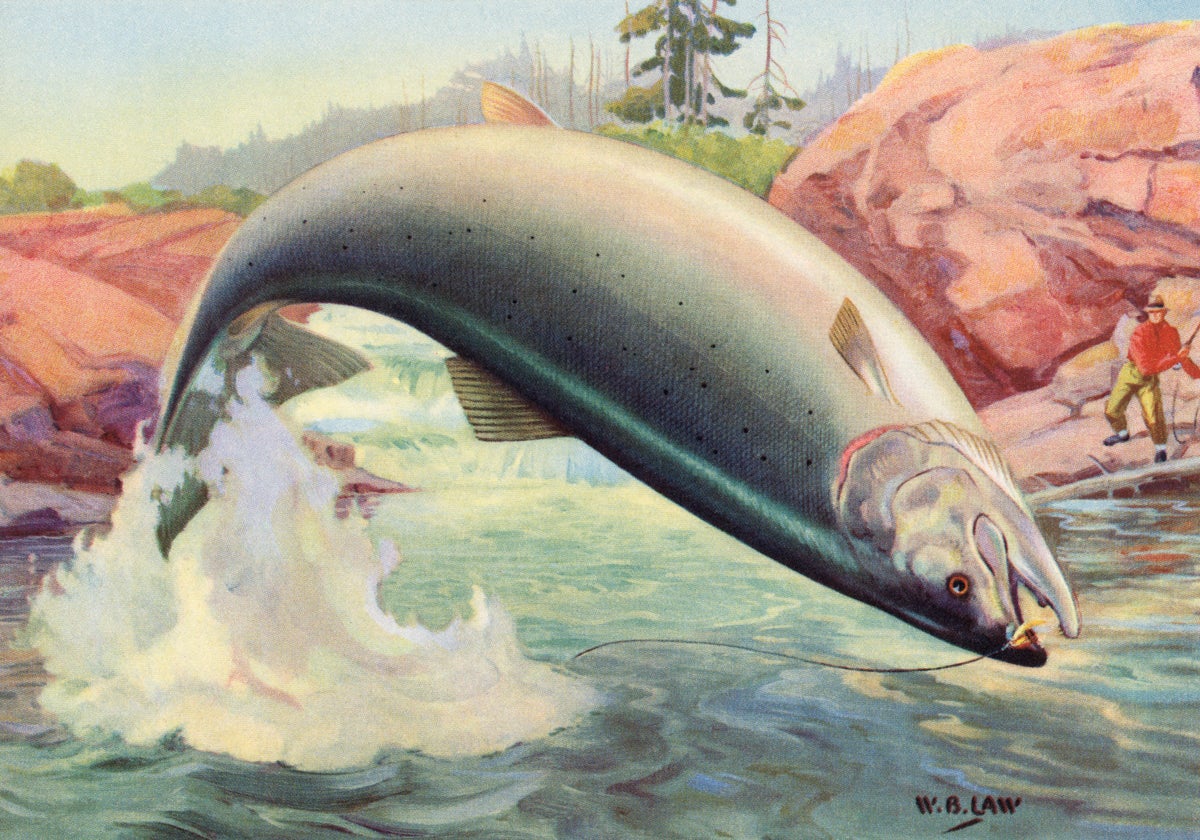
Heres what happens when you give salmon cocaine

It turns out that salmon exposed to cocaine through water pollution do a lot of swimming—which may not be a good thing

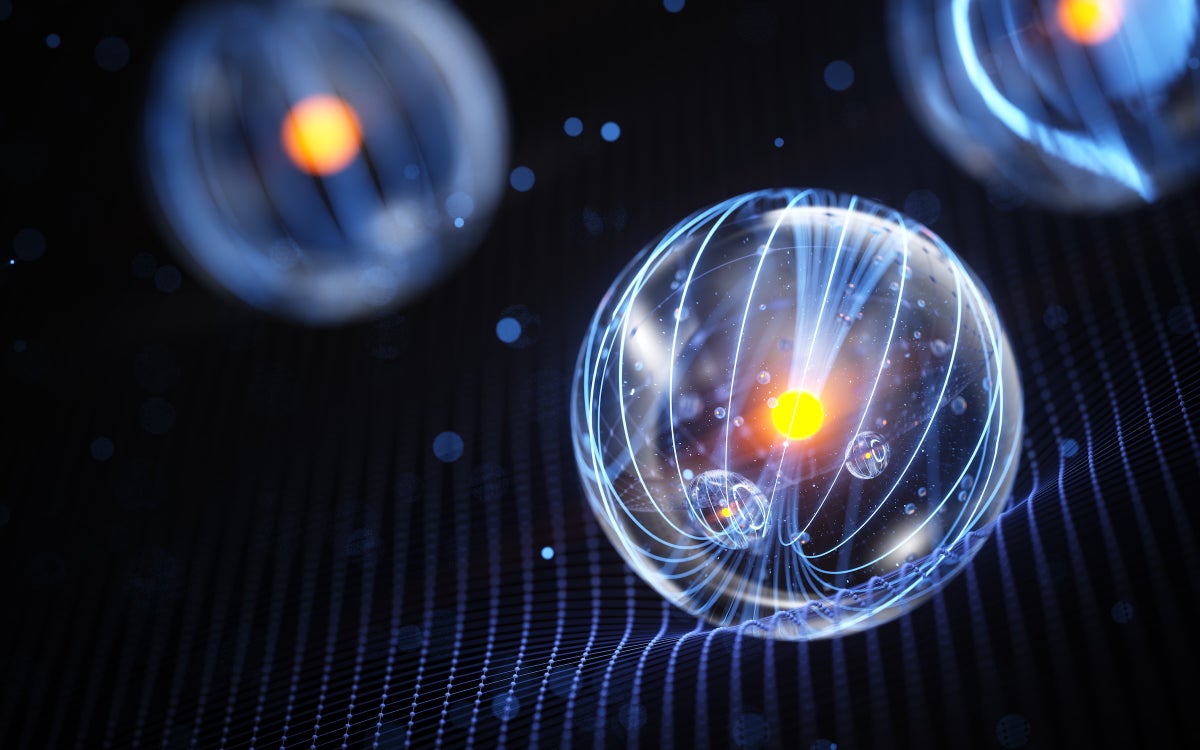
What if time were reversed? Physicists show how time could flow backward on a quantum scale

Researchers have developed a way to flip time to move backward in a quantum system. This level of control could lead to bizarre real-world applications

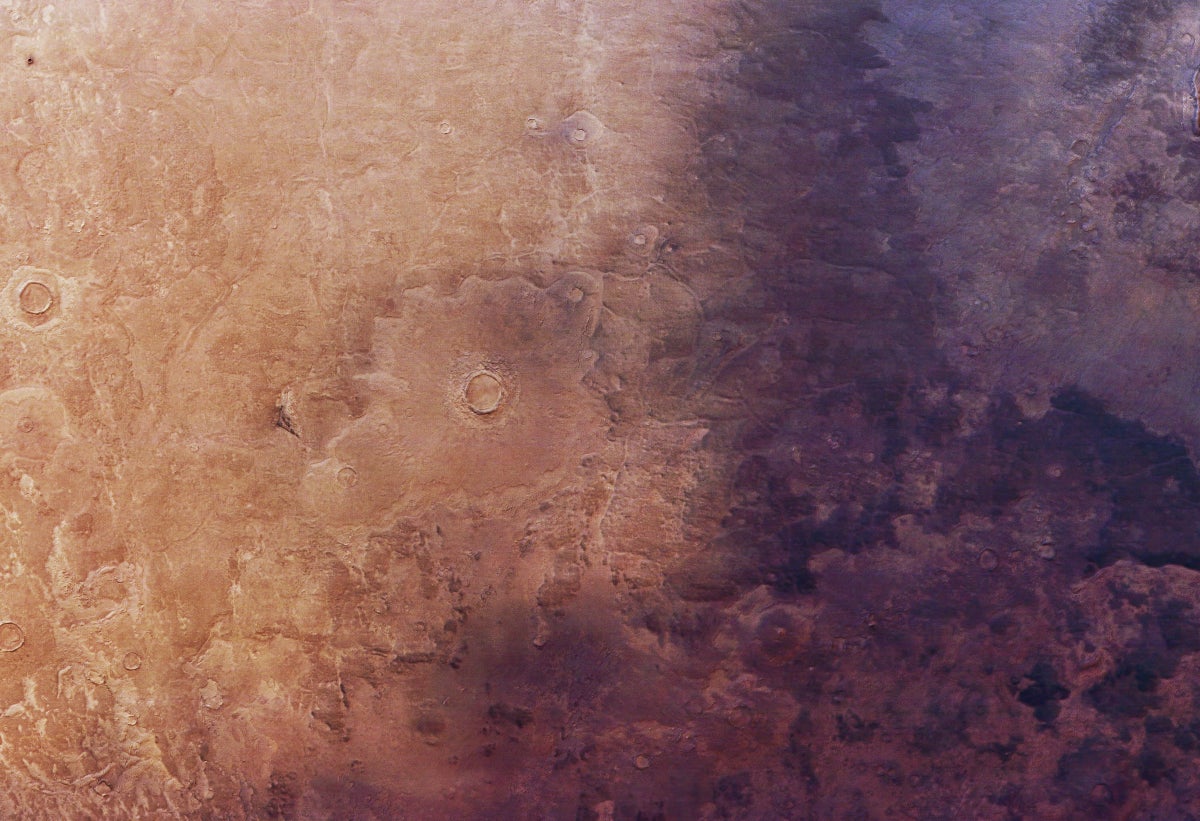
What’s this fast-moving wave of darkness creeping across Mars?

Observations by the Mars Express orbiter reveal rapid changes on the Red Planet’s surface from windblown volcanic ash

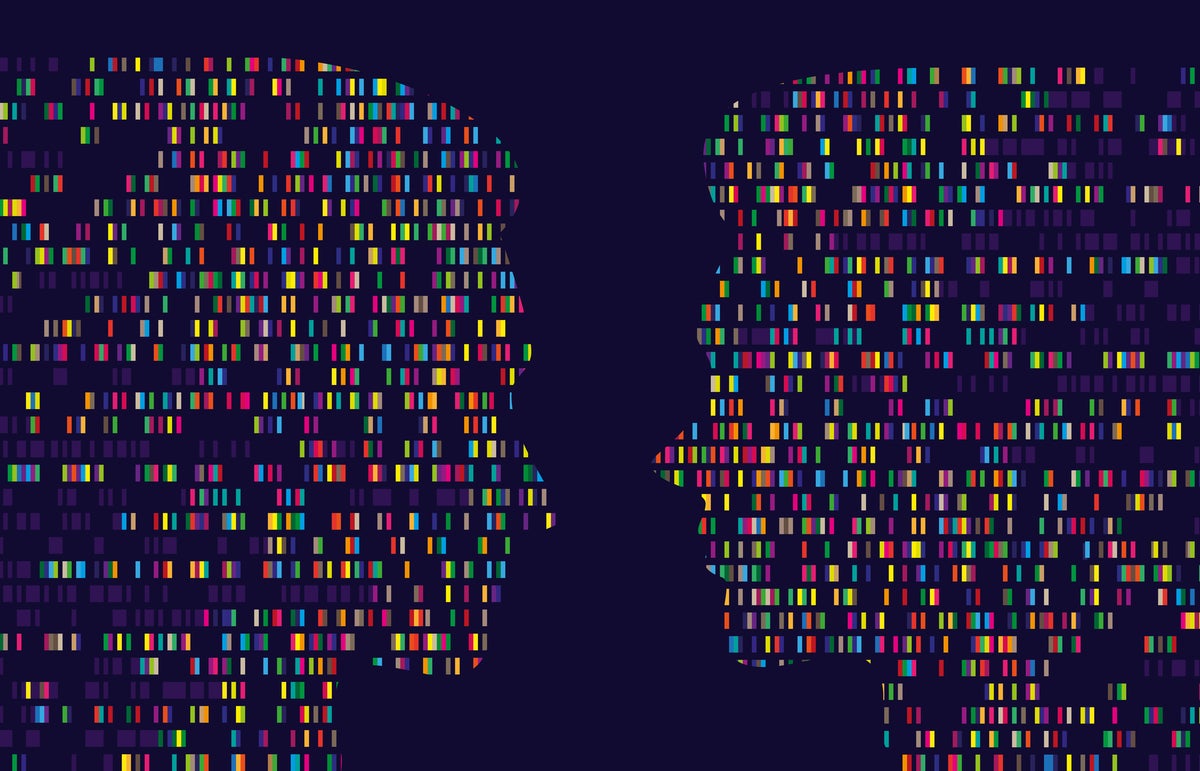
How did humans evolve language? It may be far more ancient than scientists realized

A new study links genetic regions that predate the divergence of modern humans and Neanderthals to language

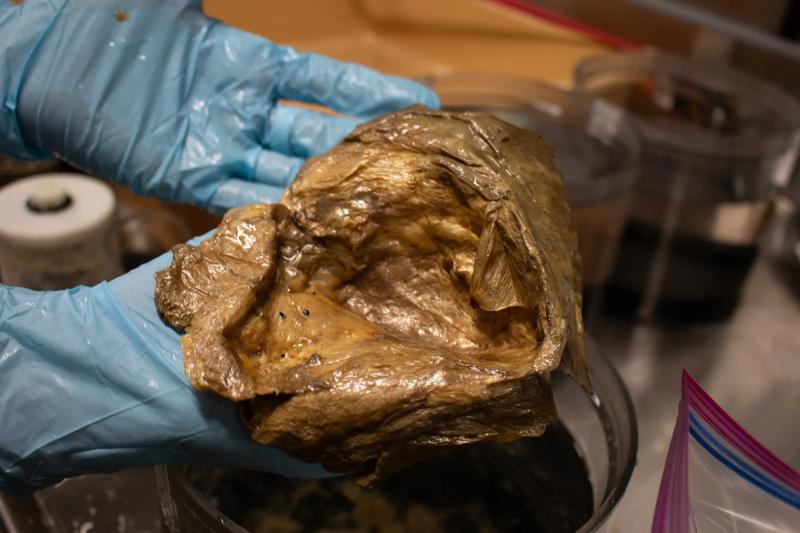
Mysterious golden orb discovered two miles below the ocean surface isn’t an alien—it’s an anemone

This enigmatic orb has undergone extensive examination and DNA testing, enabling scientists to reveal its true origins

Why firstborns may be more likely than secondborns to be autistic or to have allergies

A comprehensive study found differences in numerous health conditions in firstborn children versus those born second

Peptides promise longevity and healing. Does the science back them up?

The world of peptides has exploded in wellness circles, but the benefits of injecting these gray-market molecules rest on little clinical evidence

Scientist Pankaj

Ted Cruz pushes back on NASA budget cuts

Ted Cruz pushes back on NASA budget...