In a quantum system, that is. ͏ ͏ ͏ ͏ ͏ ͏ ͏ ͏ ͏ ͏ ͏ ͏ ͏ ͏ ͏ ͏ ͏ ͏ ͏ ͏ ͏ ͏ ͏ ͏ ͏ ͏ ͏ ͏ ͏ ͏ ͏ ͏ ͏ ͏ ͏ ͏ ͏ ͏ ͏ ͏ ͏ ͏ ͏ ͏ ͏ ͏ ͏ ͏ ͏ ͏ ͏ ͏ ͏ ͏ ͏ ͏ ͏ ͏ ͏ ͏ ͏ ͏ ͏ ͏ ͏ ͏ ͏ ͏ ͏ ͏ ͏ ͏ ͏ ͏ ͏ ͏ ͏ ͏ ͏ ͏ ͏ ͏ ͏ ͏ ͏ ͏ ͏ ͏ ͏ ͏ ͏ ͏ ͏ ͏ ͏ ͏ ͏ ͏ ͏ ͏ ͏ ͏ ͏ ͏ ͏ ͏ ͏ ͏ ͏ ͏ ͏ ͏ ͏ ͏ ͏ ͏ ͏ ͏ ͏ ͏ ͏ ͏ ͏ ͏ ͏ ͏ ͏ ͏ ͏ ͏ ͏ ͏ ͏ ͏ ͏ ͏ ͏ ͏ ͏ ͏ ͏ ͏ ͏ ͏ ͏ ͏ ͏ ͏ ͏ ͏
April 22, 2026—On this Earth Day, we choose optimism. Plus, physicists reversed the flow of time in a quantum system, and the U.K. is set to phase out all tobacco sales. Onward.
—Andrea Gawrylewski
Chief Newsletter Editor
|
|
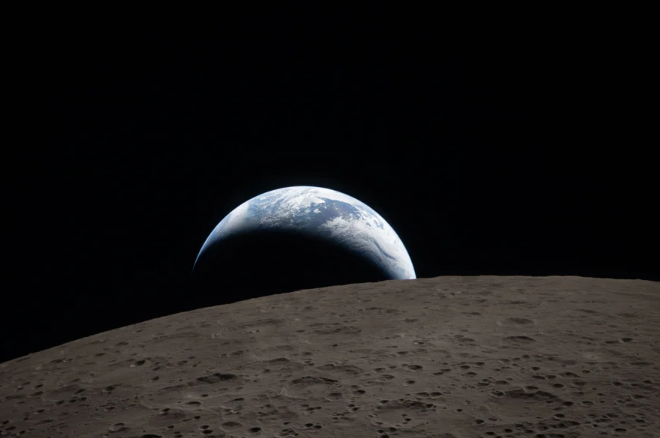
Artemis II’s “Earthset” image. NASA
|
|
|
|
|
It’s Earth Day, folks. It feels like most days in this newsletter I’m writing to you about the dire state of our planet, or the harms occurring to the many beautiful species of plants and animals that inhabit it (including us). Earth Day can be depressing. We at Scientific American decided to take a different approach this year and share some resounding Earth science success stories. Yes, there are some!
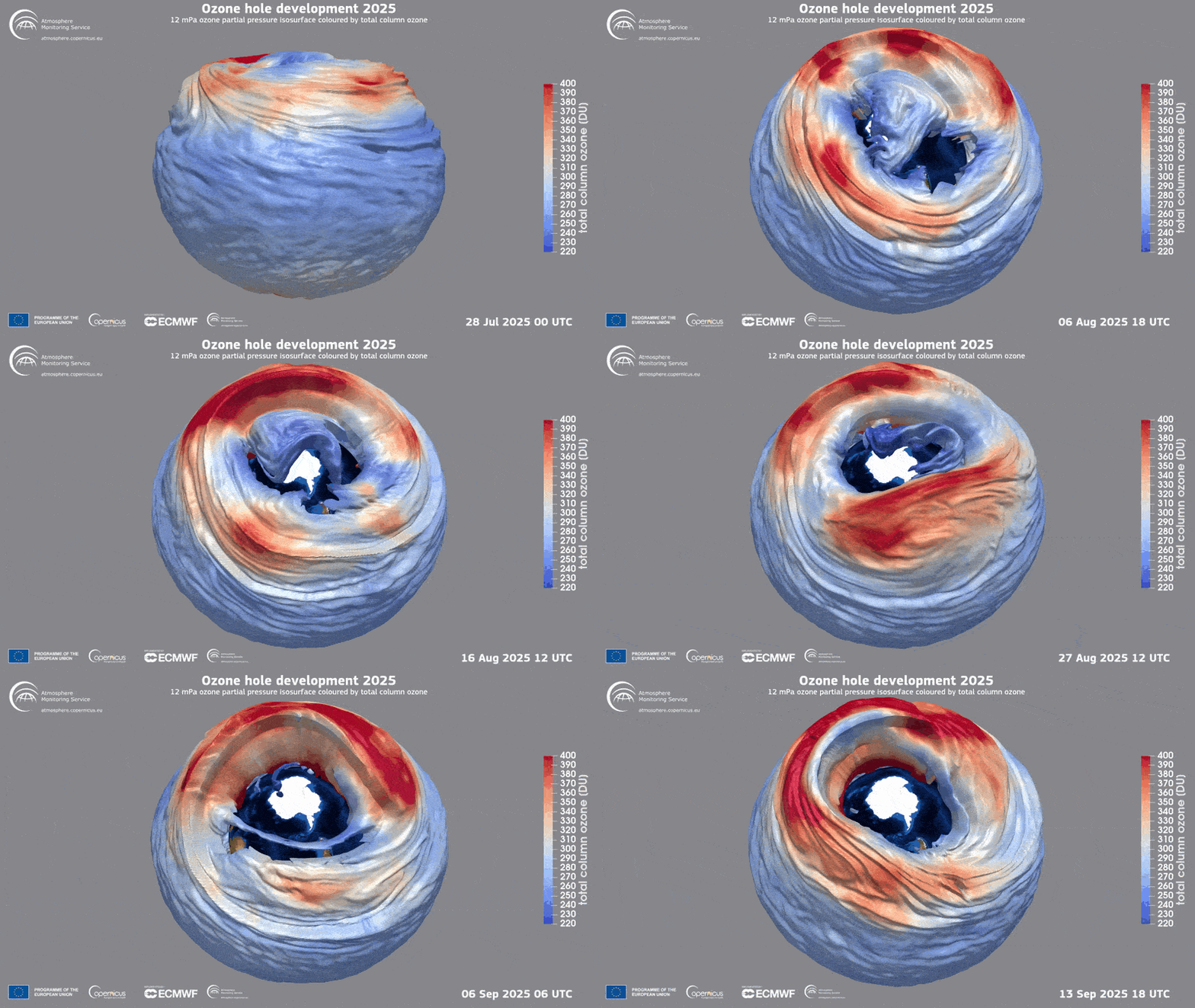
Smog in London: Coal-powered industrialization steadily worsened Britain's air quality until the Great Smog of 1952, when a temperature inversion trapped pollution over London and killed thousands. A British citizen introduced a bill in Parliament which essentially shamed the government into doing something about this problem. The resulting Clean Air Act of 1956 prioritized smokeless heating and restricted coal burning, delivering dramatic improvements in air quality within a decade.Saving the ozone layer: Research in the early 1970s showed that chlorofluorocarbons (CFCs) released at ground level would migrate to the stratosphere, where UV radiation would strip their chlorine atoms and deplete ozone. Nations responded with the Montreal Protocol in 1987 to phase out CFCs. Current predictions suggest the ozone layer will recover to 1980 levels over the tropics and mid-latitudes by 2040, the Arctic by 2045, and Antarctica by the mid-2060s.
|
|
3D rendering of the ozone hole evolution in 2025. CAMS
|
|
Renewable Energy: The last three years have seen an explosion in wind and solar production — California now generates all of its electricity from renewable sources for extended stretches, using 40 percent less natural gas for power generation than just two to three years ago.
Acid Rain: Clean Air Act updates in the U.S. created a cap-and-trade system that gradually ratcheted down sulfur dioxide and nitrogen oxide emissions from coal-burning power plants. The results have been dramatic: sulfur dioxide emissions have fallen 95 percent and nitrogen oxides 89 percent, according to the EPA.
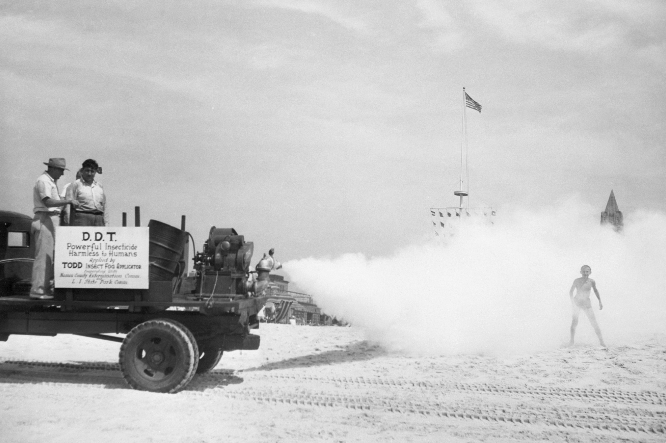
DDT: Widely adopted during World War II to combat malaria and typhus, and frequently sprayed with abandon, the insecticide DDT's toll on wildlife eventually became undeniable—bird populations, including bald eagles, collapsed as the chemical thinned their eggshells. The EPA banned DDT in 1972, and bald eagle nesting pairs have since recovered from just 417 in 1963 to more than 70,000 today.
|
|
Beachgoers are sprayed with DDT as a new machine for distributing the insecticide is tested for the first time in 1945. Bettmann/Getty Images
|
|
The takeaway: Each of these success stories involved a combination of hard science, activism and legislation. No one party could enact change on its own. What struck me is the role that many private citizens have played in our greatest Earth science success stories. As Kate Marvel, climate scientist at Project Drawdown put it:
It’s never just one thing. It’s never just one hero. It kind of is everybody and everything acting at once. And that can seem really disempowering. Like, what can one person do? But you never know if you are going to be the one person who is going to tip the scales. You have to keep going. You have to keep fighting. Because, honestly, what is the alternative?
|
|
About 66 million years ago, a massive asteroid slammed into the Gulf of Mexico, triggering a chain reaction of carnage: earthquakes, tsunamis and wildfires followed by years of darkness and cold. In a matter of years, three out of every four species on Earth were extinct. Most people believe that all dinosaurs died out at this time. But some did survive: birds.
How they did it: The only birds that carried on from the Cretaceous period into the Paleogene are the so-called crown group: members of the modern lineages, the parts of the bird family tree that are still living and expanding today. These birds were of small body size (compared with other animals alive at the time), they had strong chest muscles to enable them to fly out of harm’s way quickly, and they had beaks (not teeth) that enabled them to eat seeds (a reliable food source during an apocalypse). Two fossil specimens exist of Cretaceous birds: Vegavis and Asteriornis. These species were early ancestors to modern ducks and chickens.
What the experts say: “With the asteroid in the rearview mirror… the birds that bested the end-Cretaceous asteroid were free to diversify with gusto,” writes Steve Brusatte professor of paleontology at the University of Edinburgh. “They experimented with new flying styles and diets, expanded into uncharted environments, and fashioned the foundation of today’s bird diversity—more than 10,000 species, around twice the number of mammals.”
A recent YouGov survey of American adults found that 24 percent of respondents' favorite dinosaur is Tyrannosaurus Rex. We thought we'd find out how Today in Science readers felt. Tell us which dinosaur is your fave by taking this poll. We'll reveal the results later this week.
Love dinos? Check out Steve Brusatte's top 10 dinosaur reads. Email me with any others you love. It's not as scientifically serious as Steve's picks, but I must admit I'll always love Jurassic Park by Michael Crichton.
|
|
- Some anti-vaccine parents are quietly changing their minds and getting their kids the measles, mumps and rubella shot. | Bloomberg
- Carfentanil, a weapons-grade chemical 10,000 times more potent than morphine and 100 times stronger than fentanyl, is surging in illegal drug markets. | AP
- AI is about to ramp up the global e-waste crisis. | Rest of World
|
|
It may seem counterintuitive to contemplate the extinction of the dinosaurs on Earth Day, but I'd argue it's exactly the right moment. After the asteroid struck off the coast of the Yucatán Peninsula, the world the dinosaurs (and all other lifeforms on Earth) knew was remade, catastrophically and permanently, in what amounted to a cosmic eyeblink. Humans are now orchestrating a period of environmental change that scientists increasingly compare to mass extinction events like the one that began 66 million years ago. The difference is, the dinosaurs had no warning, no advanced sign that doom was on the way and no choice. The asteroid didn't give the dinosaurs a chance. We still have ours.
|
|
Glad to be on our one Earth, together, with you. Send any comments or feedback on this newsletter to newsletters@sciam.com. We'll be back tomorrow.
—Andrea Gawrylewski, Chief Newsletter Editor
|
|
|
|
|
Subscribe to this and all of our newsletters here.
|
|
|
|
|