Genetic evidence of language predates humans splitting from Neanderthals ͏ ͏ ͏ ͏ ͏ ͏ ͏ ͏ ͏ ͏ ͏ ͏ ͏ ͏ ͏ ͏ ͏ ͏ ͏ ͏ ͏ ͏ ͏ ͏ ͏ ͏ ͏ ͏ ͏ ͏ ͏ ͏ ͏ ͏ ͏ ͏ ͏ ͏ ͏ ͏ ͏ ͏ ͏ ͏ ͏ ͏ ͏ ͏ ͏ ͏ ͏ ͏ ͏ ͏ ͏ ͏ ͏ ͏ ͏ ͏ ͏ ͏ ͏ ͏ ͏ ͏ ͏ ͏ ͏ ͏ ͏ ͏ ͏ ͏ ͏ ͏ ͏ ͏ ͏ ͏ ͏ ͏ ͏ ͏ ͏ ͏ ͏ ͏ ͏ ͏ ͏ ͏ ͏ ͏ ͏ ͏ ͏ ͏ ͏ ͏ ͏ ͏ ͏ ͏ ͏ ͏ ͏ ͏ ͏ ͏ ͏ ͏ ͏ ͏ ͏ ͏ ͏ ͏ ͏ ͏ ͏ ͏ ͏ ͏ ͏ ͏ ͏ ͏ ͏ ͏ ͏ ͏ ͏ ͏ ͏ ͏ ͏ ͏ ͏ ͏ ͏ ͏ ͏ ͏ ͏ ͏ ͏ ͏ ͏ ͏
April 23, 2026—Human language has ancient roots, neurons in the heart can elevate blood pressure, and colossal Cretaceous octopuses ruled the seas.
—Andrea Gawrylewski
Chief Newsletter Editor
|
|
How it works: A protein called PIEZO2 converts pressure on cell membranes into nerve signals, and neurons that express this protein are wrapped around both mouse and human heart chambers. The researchers rotated mice from horizontal to upright, like a person standing up from a chair, and monitored their vitals. In mice with deactivated PIEZO2 neurons, their blood pressure couldn’t rise to compensate for the posture change. When the researchers induced hemorrhaging in the mice, the PIEZO2 neurons acted long before other sensors in the arteries—suggesting that these proteins sense blood volume directly.
What the experts say: These heart neurons remain mysterious, even after these new insights. There are at least six different neuron types in the cardiovascular system, and we still don’t know the function of three of them. “We want to know how they work,” says senior author Stephen Liberles, a molecular neuroscientist at Harvard University. “There’s a lot to do.” —Emma Gometz, newsletter editor
|
|
|
|
|
|
TRAVEL WITH SCIENTIFIC AMERICAN
|
|
A Few Cabins Left for Egypt Cruise
|
|
Almost sold out! Experience the 2027 total solar eclipse—more than six minutes of totality—from the deck of a luxury Nile River ship on this incredible 10-day journey led by space and physics editor Clara Moskowitz.
|
|
|
|
|
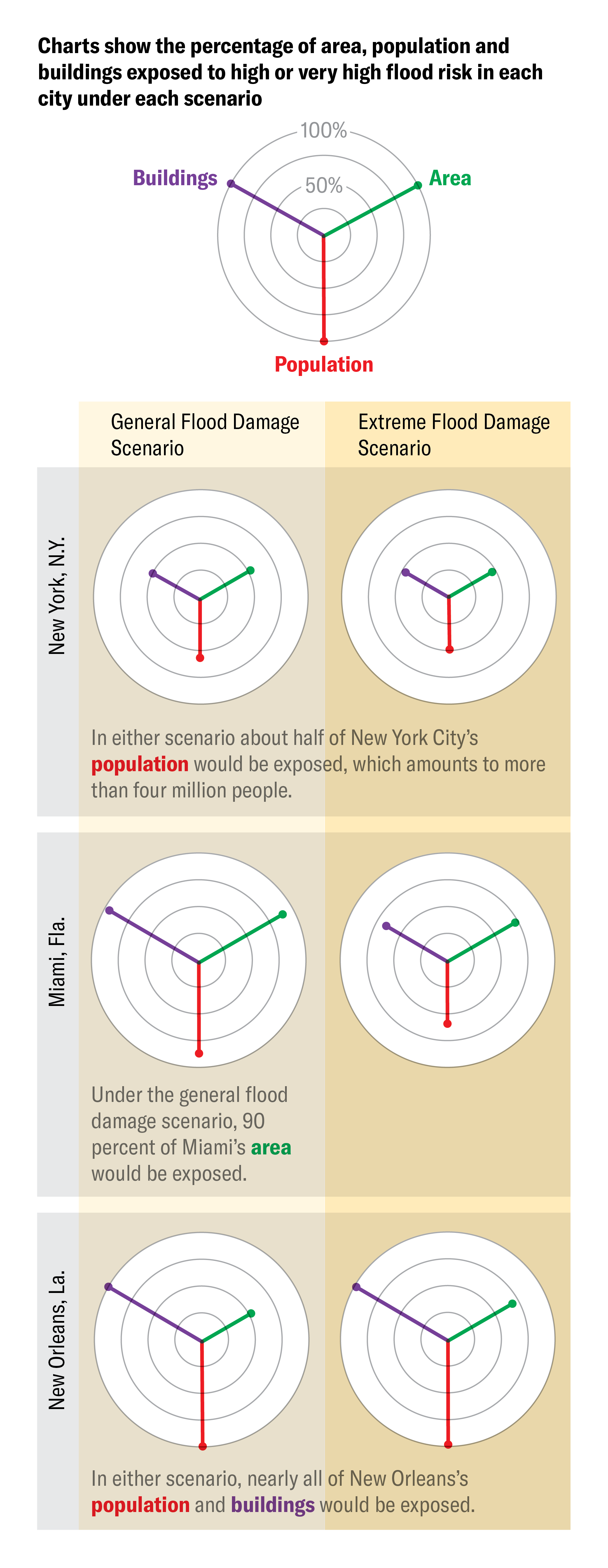
Some 4.4 million New Yorkers are at risk of “extreme” flood damage, according to a new analysis. In terms of actual numbers, the city has the largest population of vulnerable individuals in the U.S. living in high flood-risk areas, but New York City pales in comparison to New Orleans in terms of the percentage of the total population that’s at risk: more than 98 percent of New Orleans’ residents are at risk of flooding.
|
|
Amanda Montañez; Source: “A Tale of Two Coasts: Unveiling U.S. Gulf and Atlantic Coastal Cities at High Flood Risk,” by Hemal Dey and Wanyun Shao, in Science Advances, Vol. 12, Article No. aec2079. Published online April 22, 2026 (data)
|
|
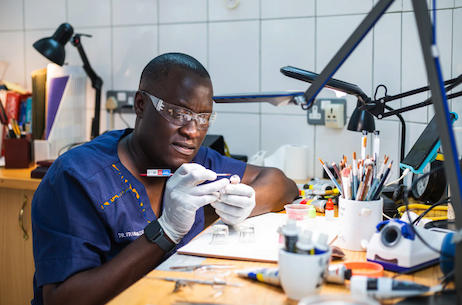
Kibuuka Mukisa/Candid Local
|
|
Franklin Wasswa is the only ocularist in Uganda, producing customized prosthetic eyes for people who’ve lost theirs to injury or disease. “Matching the colors of the iris and sclera—the white of the eye—with the wearer’s own coloring takes skill, practice and determination,” he says. “But crafting prosthetics is my favorite thing to do.” Nature | 3 min read
|
|
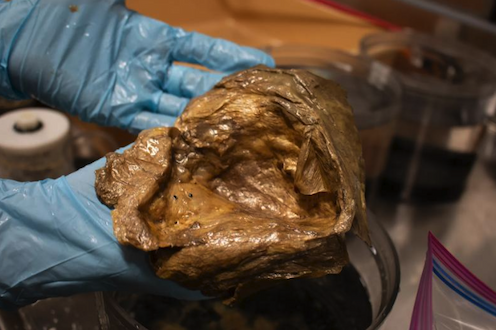
Every week, it seems, the ocean reminds me how vast and mysterious it is. On land, we have millennia of fossils, maps and footprints to reconstruct deep history—but beneath the waves, the past and even the present remain stubbornly, thrillingly obscure. A recent study found that more than 99.999 percent of the global deep seafloor has never been seen by humans. Whether a sea monster from the age of dinosaurs or a mystery blob spotted relatively recently, the ocean contains multitudes, and we are only at the beginning of understanding it.
|
|
—Andrea Gawrylewski, Chief Newsletter Editor
|
|
|
|
|
Subscribe to this and all of our newsletters here.
|
|
|
|
|