And other fancy applications of science ͏ ͏ ͏ ͏ ͏ ͏ ͏ ͏ ͏ ͏ ͏ ͏ ͏ ͏ ͏ ͏ ͏ ͏ ͏ ͏ ͏ ͏ ͏ ͏ ͏ ͏ ͏ ͏ ͏ ͏ ͏ ͏ ͏ ͏ ͏ ͏ ͏ ͏ ͏ ͏ ͏ ͏ ͏ ͏ ͏ ͏ ͏ ͏ ͏ ͏ ͏ ͏ ͏ ͏ ͏ ͏ ͏ ͏ ͏ ͏ ͏ ͏ ͏ ͏ ͏ ͏ ͏ ͏ ͏ ͏ ͏ ͏ ͏ ͏ ͏ ͏ ͏ ͏ ͏ ͏ ͏ ͏ ͏ ͏ ͏ ͏ ͏ ͏ ͏ ͏ ͏ ͏ ͏ ͏ ͏ ͏ ͏ ͏ ͏ ͏ ͏ ͏ ͏ ͏ ͏ ͏ ͏ ͏ ͏ ͏ ͏ ͏ ͏ ͏ ͏ ͏ ͏ ͏ ͏ ͏ ͏ ͏ ͏ ͏ ͏ ͏ ͏ ͏ ͏ ͏ ͏ ͏ ͏ ͏ ͏ ͏ ͏ ͏ ͏ ͏ ͏ ͏ ͏ ͏ ͏ ͏ ͏ ͏ ͏ ͏
April 15, 2026—Today, we look at the fancy side of science. Plus, the ancestors of mammals laid eggs and Artemis III has begun. Let's go.
—Andrea Gawrylewski
Chief Newsletter Editor
|
|
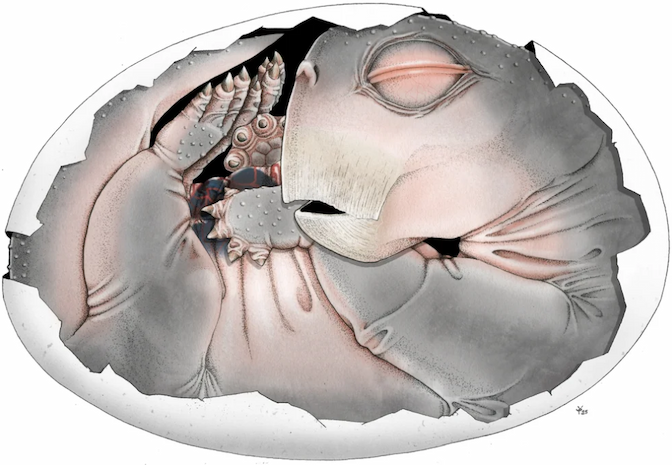
This reconstruction of a Lystrosaurus embryo shows the little creature in its partially preserved shell. Sophie Vrard
|
|
|
|
|
|
The Science of Nice Things
|
Science is not only happening in laboratories around the world carried out by researchers hoping to develop cures for diseases or invent the next rocket ship. Innovation fuels new everyday products. Some are obvious, like the latest cell phone release. But new kinds of LED light bulbs, nonstick cookware, more efficient refrigerators and even sunscreen require scientific development. Scientific American was curious about the science behind some fancy products—the stuff that most of us dream of but will never obtain. Read below for some standouts we discovered for a truly luxurious experience.
Space hotels: Several companies are developing private space stations for tourism. These habitats must contain controlled atmospheres, protection from radiation and life-support systems, as well as closed-loop air and waste management. Aside from fancy wood paneling and deluxe features, the designs incorporate real science to help tourist astronauts achieve restful sleep—one station is promoting its inflatable duvet cover that applies pressure to make the sleeper feel more like they’re in gravity; other stations will use controlled lighting to replicate the diurnal day/night cycle.
You smell terrific: The luxury market has a voracious appetite for new scents in perfumes. Manufacturers engineer molecules and put them through reactions to test their potency and endurance. Some chemists are drawing on neurobiology to evoke particular emotions and prompt memories, using robots to “sketch” scent compositions before they are trialed. The leading fragrance company International Flavors and Fragrances recently patented a CO2 extraction process for capturing a dry wood smell from French barrels.
Time keepers: There’s more than an expensive brand name behind today's upscale watches. Watchmakers are making thinner-than-ever timepieces (imagine a watch as thick as two credit cards stacked on each other) with more modern components. One of the most important technical advancements in the last 10 years was the adoption of silicon in key movement components, especially the hairspring and parts of the escapement—the feature that underlies a watch’s ticking.
|
|
A luxury Richard Mille watch can measure speed based on distance traveled. South China Morning Post/Edmond So/Getty Images
|
|
Better to see you with: Binoculars employ many features to improve the clarity and brightness of their images. One of the biggest advances in recent upscale binocular tech is the development of a “field flattener” system that makes the image sharp all the way to the edges of the view. Other features that make some binocs better: prisms (faceted elements in the middle of the binocular lens that refract light) made of glass containing barium oxide to bend the light without scattering it; “phase correction” coatings for the prisms to improve light transmission; lenses made of glass containing the mineral fluorite to reduce color distortion; and external lens coatings to resist scratching and repel water, oil and dust.
|
|
Swarovski Optik's NL Pure line of binoculars is widely considered to be the best in class—with a price tag to match. Courtesy of Swarovski Optik
|
|
Join the discussion: What's a fancy tool, device or gadget you've invested in or dreamed about? Click on any of the above links, scroll down to the tan box and click "join the discussion," or click here to to share your thoughts.
|
|
- GLP-1 drugs are among the most widely prescribed in the country for a range of conditions. Scientists are racing to understand how the drugs work so broadly. | The New York Times
- According to a new poll, more Americans say that the impacts of climate change are underestimated than say the impacts are exaggerated. | Gallup
- Taking Tylenol during pregnancy has no link to autism, a new study confirms. | The Guardian
|
|
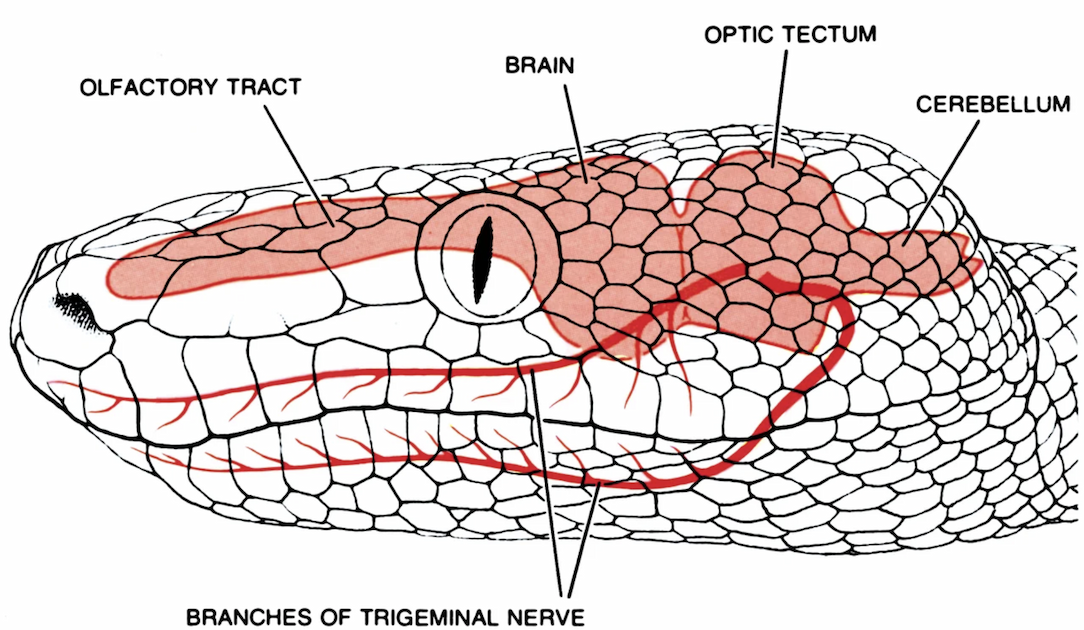
Scientific American, Vol. 228, No. 5; May 1973
|
|
From the May 1973 issue: “A boa constrictor has sensitive organs that can detect the heat radiation emitted by its prey. When the system detects an infrared stimulus, the trigeminal nerve carries a signal to the brain. A response can be recorded from the brain within 35 milliseconds.”
|
|
Most of us will never book a night in orbit or strap on a $50,000 watch—and that’s okay. What makes these objects fascinating isn’t the price tag but the science behind them. Extravagance can be impractical, aspirational, and still deeply inventive. Sometimes the joy is just imagining what science makes possible.
|
|
—Andrea Gawrylewski, Chief Newsletter Editor
|
|
|
|
|
Subscribe to this and all of our newsletters here.
|
|
|
|
|