Friday, April 10, 2026

Week in Science: Artemis II crew returns today

Plus,                    

April 10—Why is NASA's livestream quality from the moon better than my FaceTime call on Earth? The answer seems to be lasers. Plus, the latest Artemis II updates, the mysterious origins of the "Oh-My-God" particle and scientist skepticism about a CIA technology claim.

—Emma Gometz, Newsletter Editor

Have thoughts? Email newsletters@sciam.com anytime.

Top Stories
Watch live—NASA’s Artemis II crew returns to Earth

On Friday these four astronauts and their Orion spacecraft will splash down in the Pacific Ocean after a 10-day mission around the moon

NASA’s Artemis II crew returns today—here’s what to know ahead of splashdown

After a 10-day mission around the moon, the Artemis II astronauts will have traveled nearly 700,000 miles

Brought to you by Scientific American
Live event: A New Theory of Heart Disease

Chronic inflammation may be the hidden force driving cardiovascular disease, according to new research. Join our health editors Tanya Lewis and Josh Fischman for an engaging conversation on the new theories around heart disease. Moderated by Seth Fletcher, our editorial director. Learn more.

Do you subscribe to Scientific American? Get a deal on a subscription and support our work.
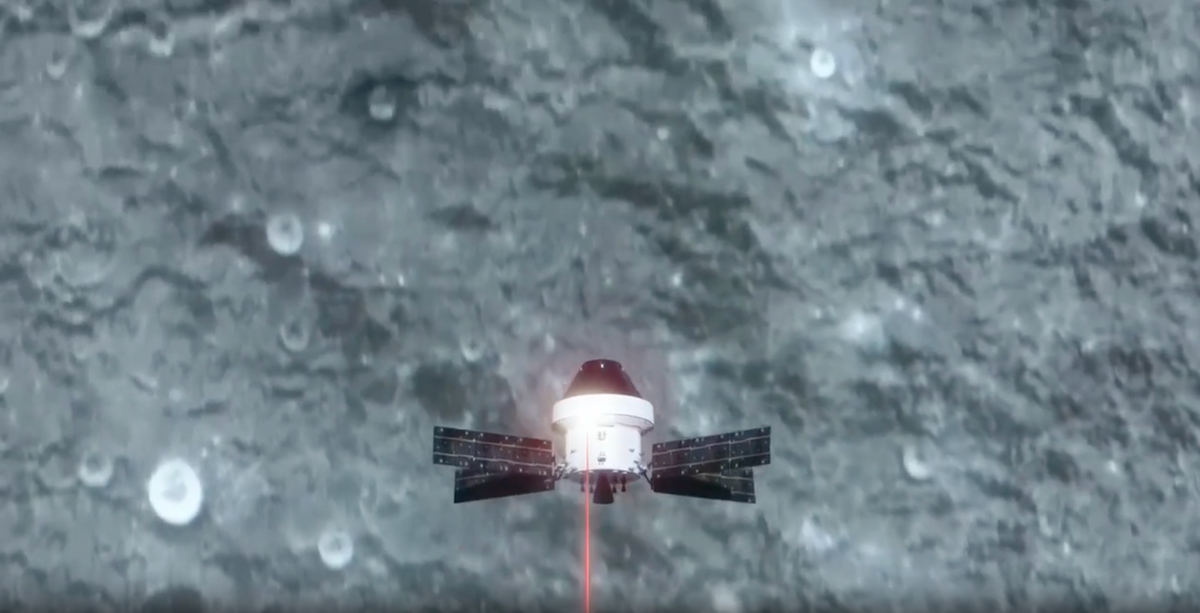
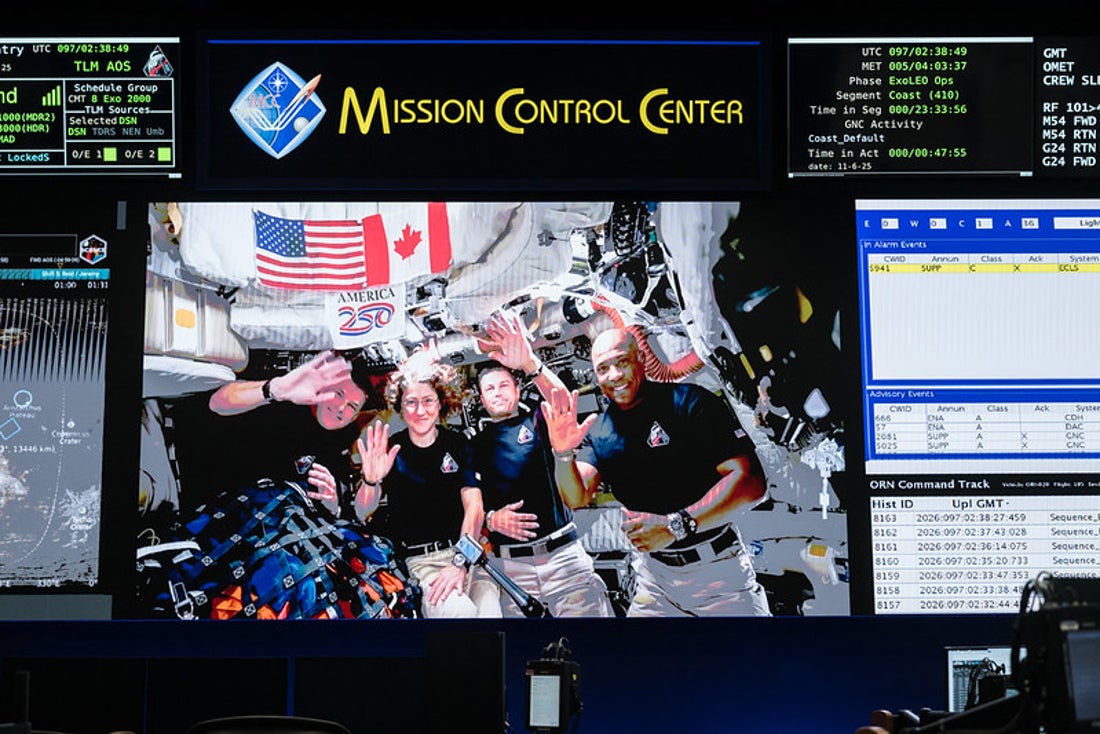
How Artemis II is beaming back stunning video from the moon

A new laser system aboard NASA’s Orion spacecraft is sending sharper video and more data back to Earth

Is the ‘Ghost Murmur’ quantum device possible? Scientists are skeptical

Ghost Murmur was described as a futuristic CIA tool that could detect a heartbeat from vast distances. Physicists say the public story clashes with the basic limits of magnetic sensing

NASA’s Artemis II astronauts are officially farther from Earth than any human has gone before

The four astronauts onboard NASA’s moon mission just broke the record for the farthest distance from Earth traveled by any human

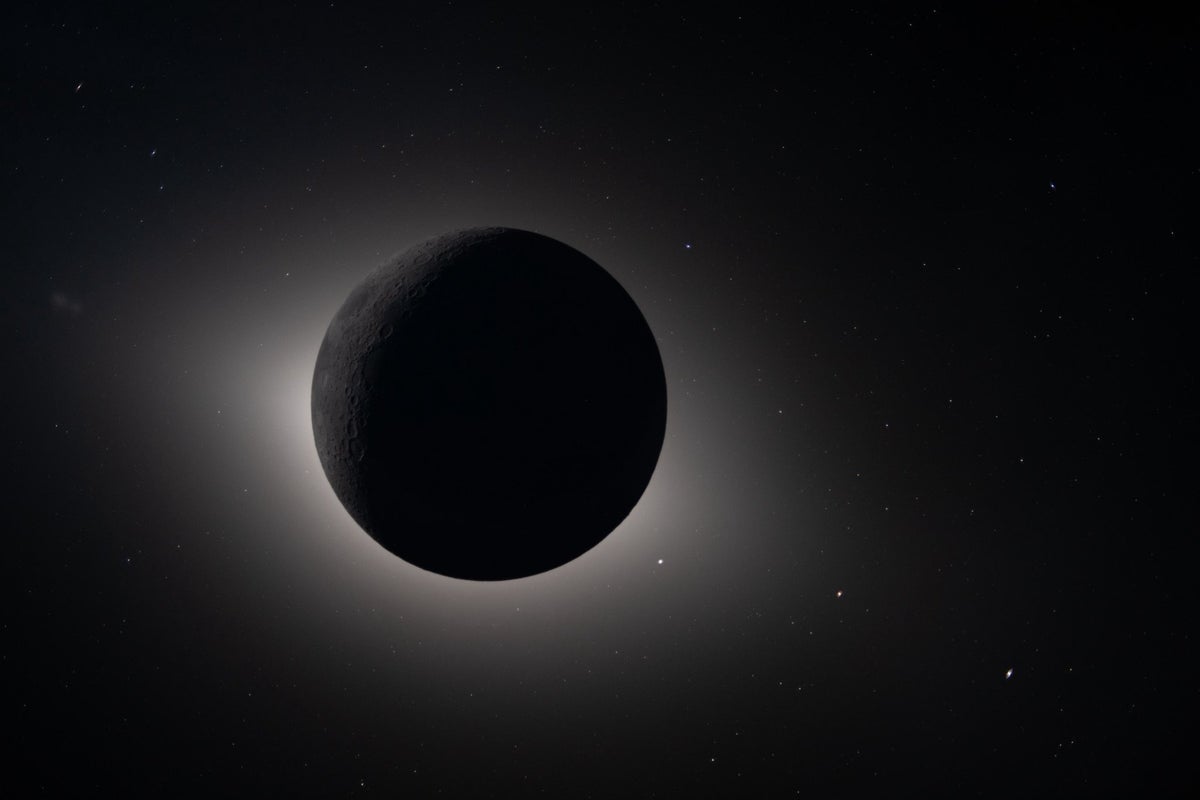
NASA’s Artemis II crew experience total solar eclipse from space

From the perspective of the Orion capsule, the moon will fully block the sun’s disk for nearly an hour

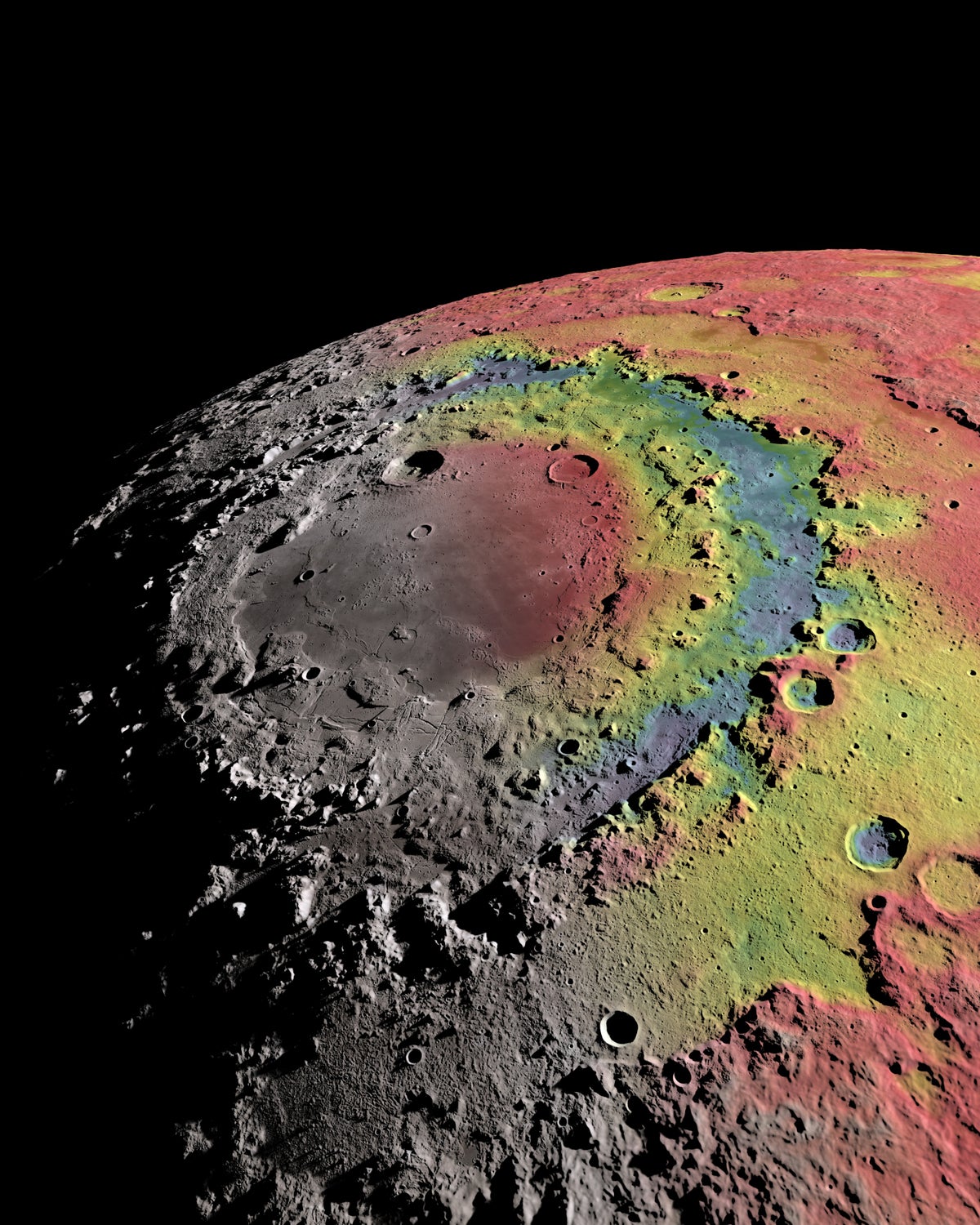
NASA’s Artemis era may finally solve three major moon mysteries

If NASA’s ambitious lunar exploration plans succeed, scientists will cover the moon with sensors—and find answers to several long-standing questions about the inner solar system

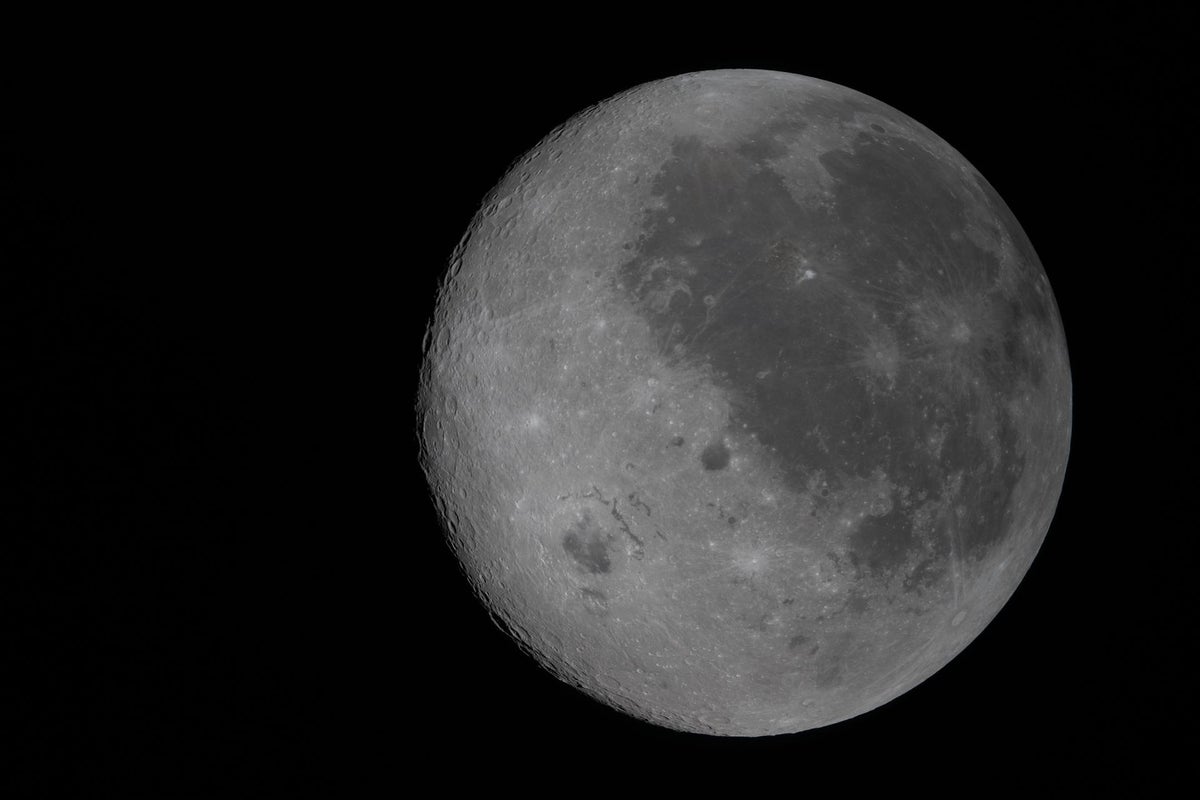
NASA’s Artemis II’s moon flyby is underway

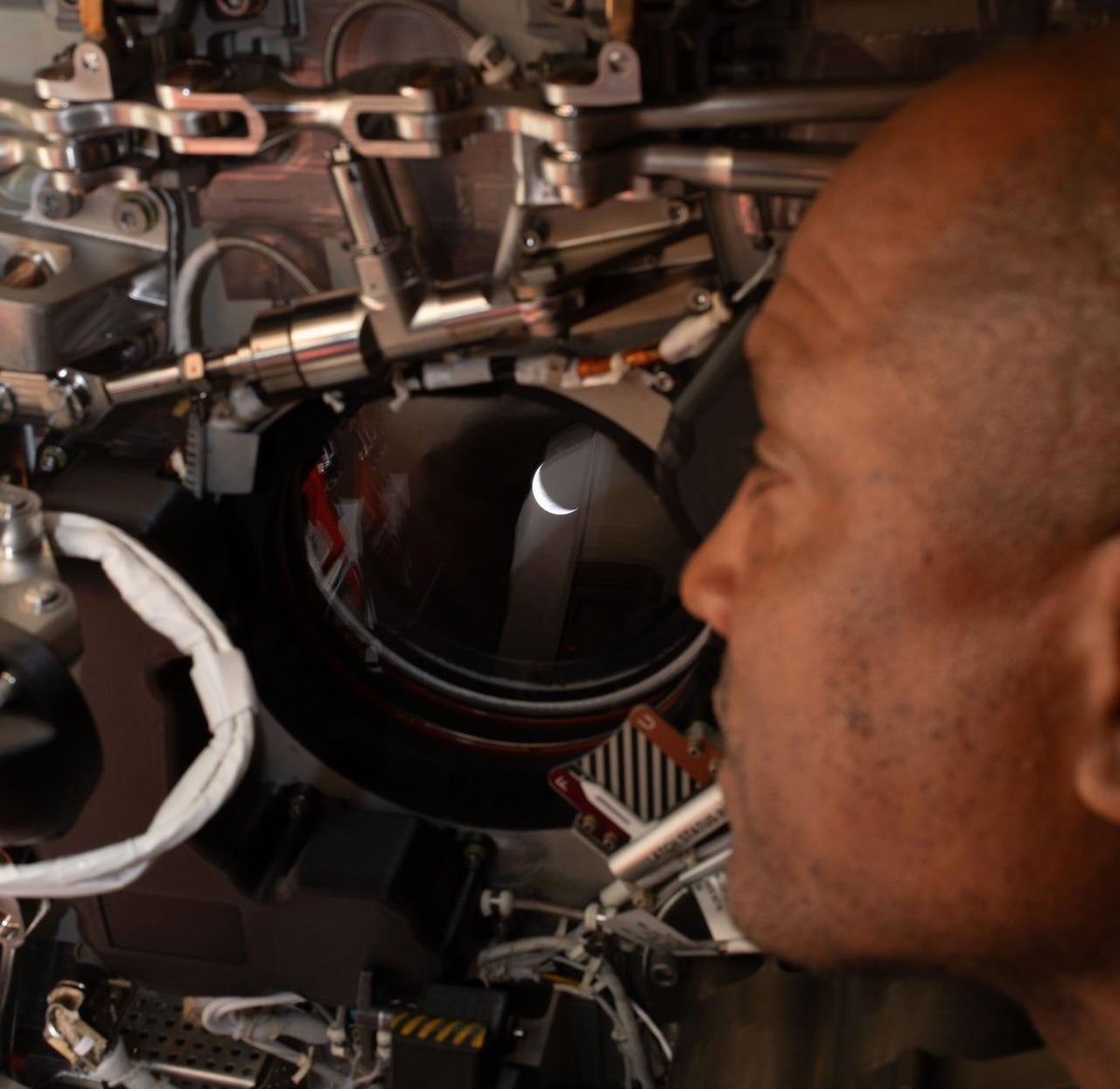
On Monday, the four astronauts of Artemis II observed the far side of the moon, setting distance records and experiencing a solar eclipse

GLP-1 drugs like Ozempic don’t work for everyone. Genetic variants offer new clues

The weight you lose and the nausea you experience from GLP-1 drugs may be linked to common gene variants, but they can’t fully explain why some people lose more weight than others

The mathematically correct way to slice a pizza

The intermediate value theorem shows us how to find an even center on an irregular shape

Where did the ‘Oh-My-God’ particle come from?

A single subatomic particle from deep space had the same energy as a baseball pitch, and scientists still don’t know how it got here

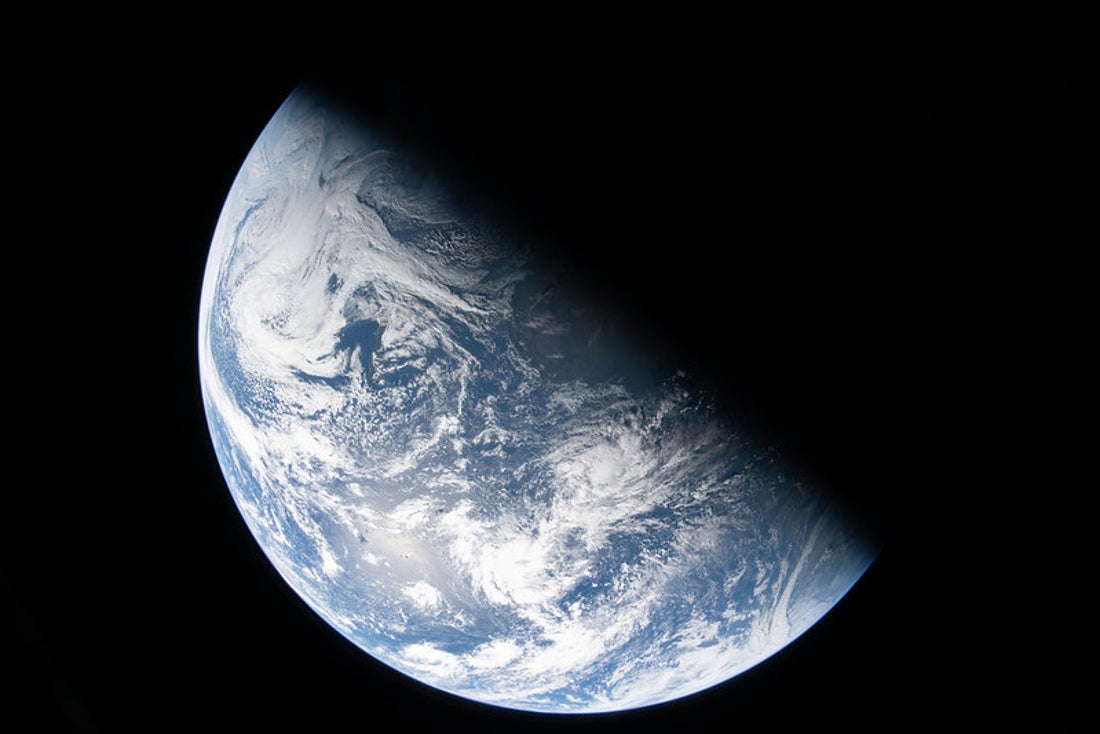
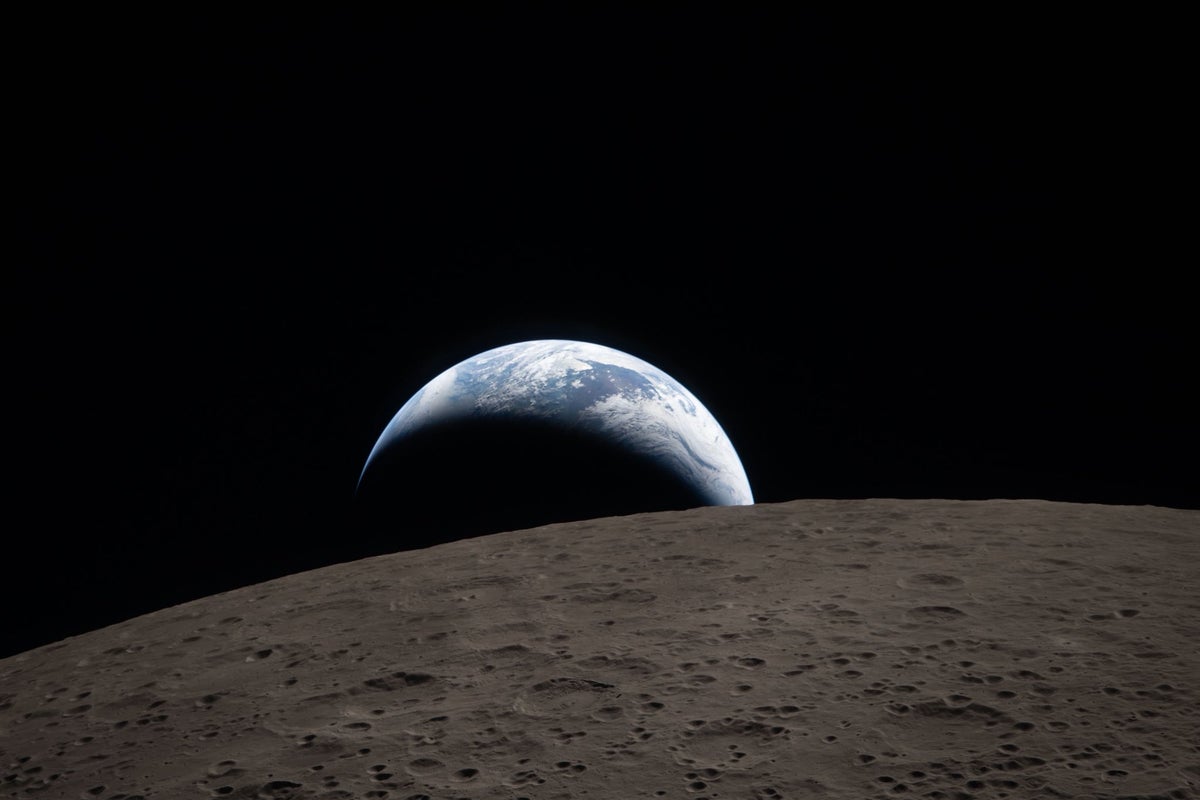
In an echo of Apollo 8, NASA’s Artemis II astronauts capture stunning ‘Earthrise’ and ‘Earthset’

Artemis II’s astronauts got the opportunity to re-create an iconic 1968 photograph on either side of their journey around the moon, showing Earth as beautiful—and precious—as ever

NASA’s Artemis II nears the moon, oil trumps endangered species, snowpack plummets

An update on NASA’s historic moon mission, alarm over the low snowpack in the western U.S. and a move that could endanger wildlife in the Gulf of Mexico

Humans have been gambling since the last ice age

A new archeological finding shows that Native Americans were exploring probability through games of chance far earlier than their Old World counterparts

Scientist Pankaj

Splashdown Day for Artemis 2 moon astronauts! | Ripples in Spacetime | Worms are launching to ISS

It's splashdown day for Artemis...