Thursday, October 15, 2026

Space & Physics: AI's best-yet math proof has a shocking surprise

Plus, should we terraform Mars?                    

October 15—This week, our top stories include a shocking reappraisal of OpenAI’s blockbuster million-dollar math result, an in-depth Q&A with a scientist seeking to terraform Mars and an amateur astronomer’s AI-assisted discovery of a potential new exoplanet. But wait, there’s more! We’ve also got coverage of a record-breaking ancient cosmic outburst, a stunning new view of the solar corona and the official end of the “leap second.” All that—and then some—is below. Enjoy!

Thoughts? Questions? Let me know via e-mail (lbillings@sciam.com), X or Bluesky.

—Lee Billings, Senior Editor, Physical Sciences

Top Stories
OpenAI’s blockbuster math proof isn’t what you think it is

Rumors that OpenAI’s “Navier-Stokes” solution stole the work of two mathematicians may have been overblown

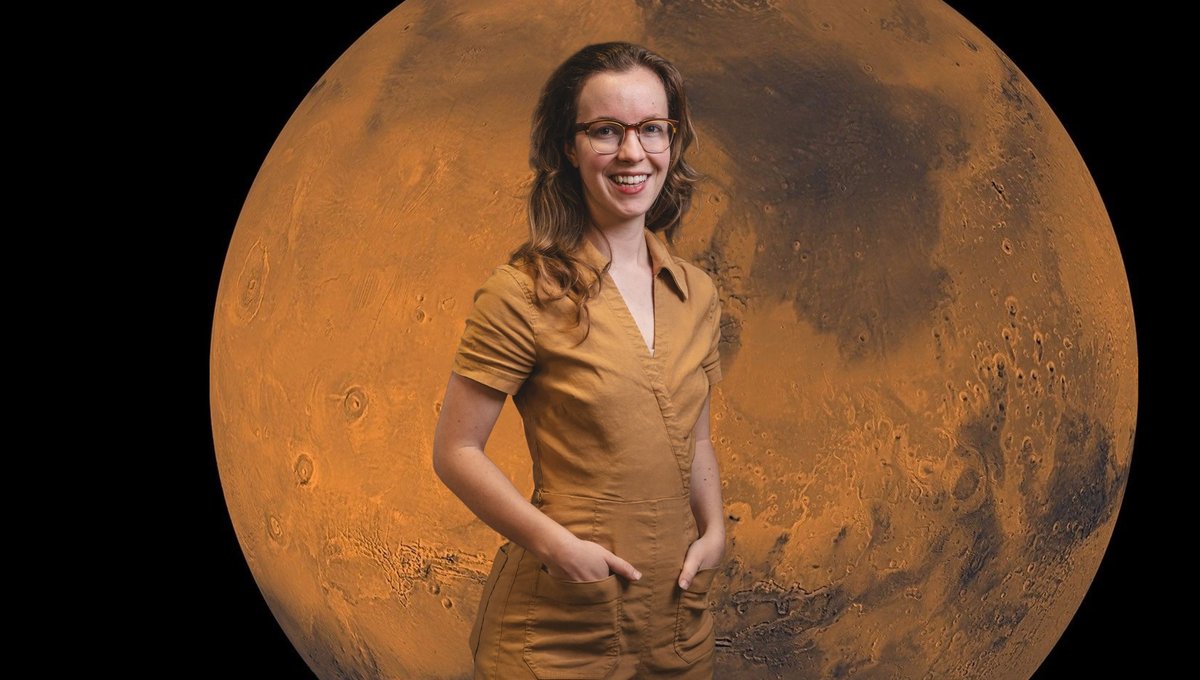
Should we turn the Red Planet green?

The CEO of Pioneer Labs, a biotech startup developing Mars-adapted microbes, is on a quest to make alien worlds nice places to live

Immerse yourself in the newest space updates with a subscription to Scientific American. Get 90 days for just $1!
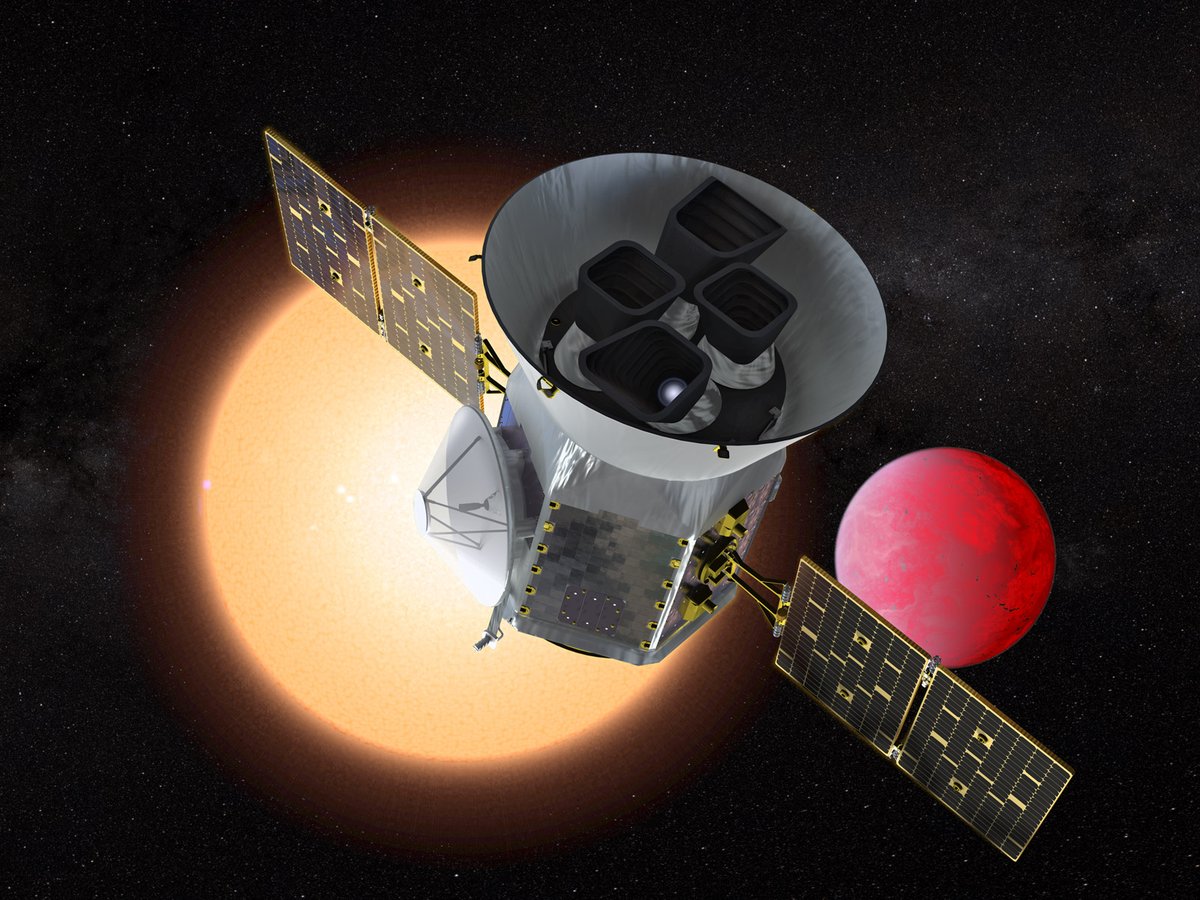
Amateur astronomer harnesses AI to find a possible hidden exoplanet

Evidence for this possible super-Earth has been lurking for years in NASA data. Pavel Rabtsevich found it—with a little help from AI

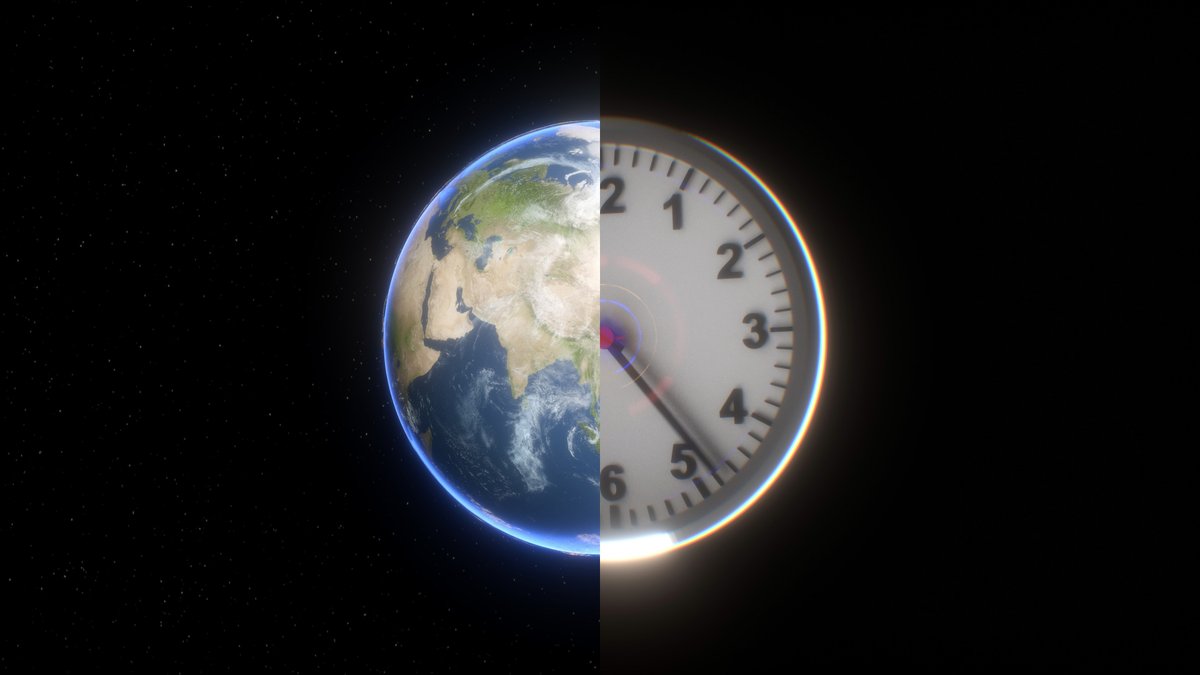
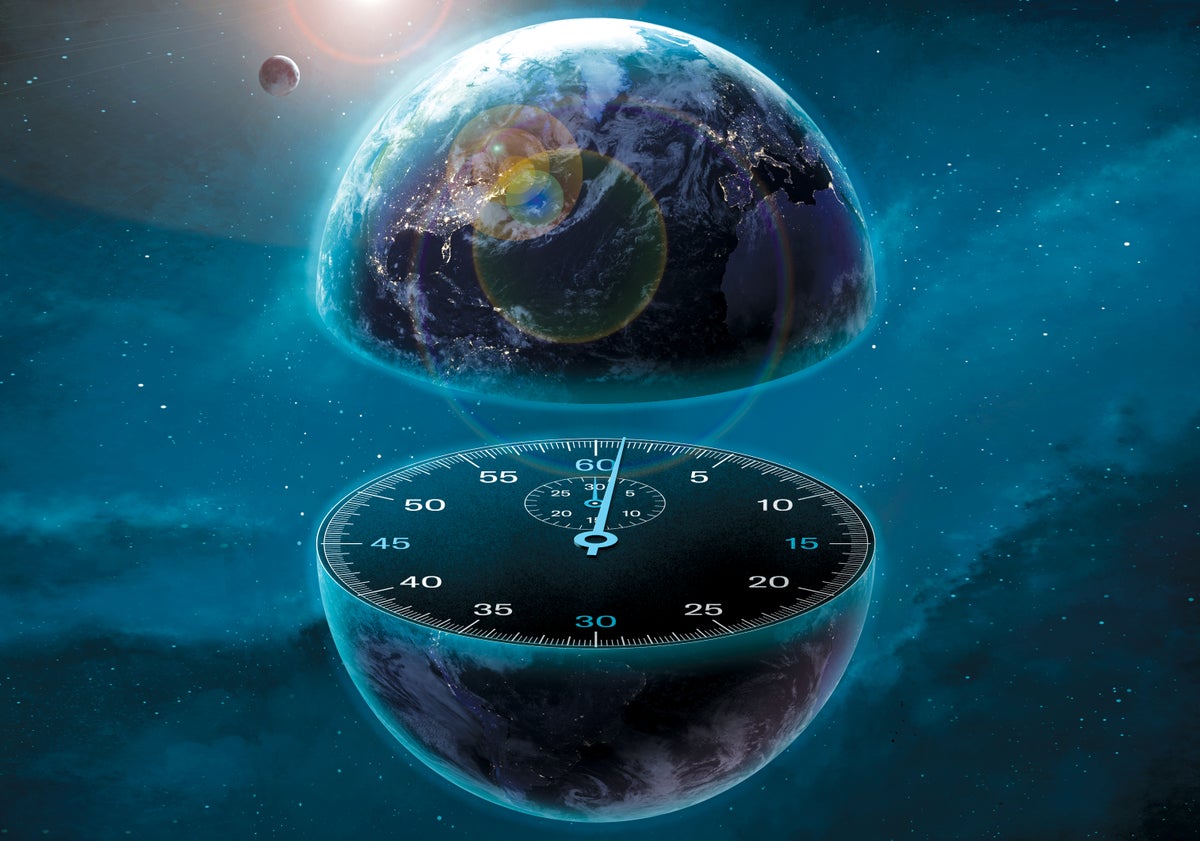
Scientists just voted to redefine how the world keeps time

A new system, called the “leap hour,” will allow Earth’s rotation and official time to fall out of alignment by a full hour

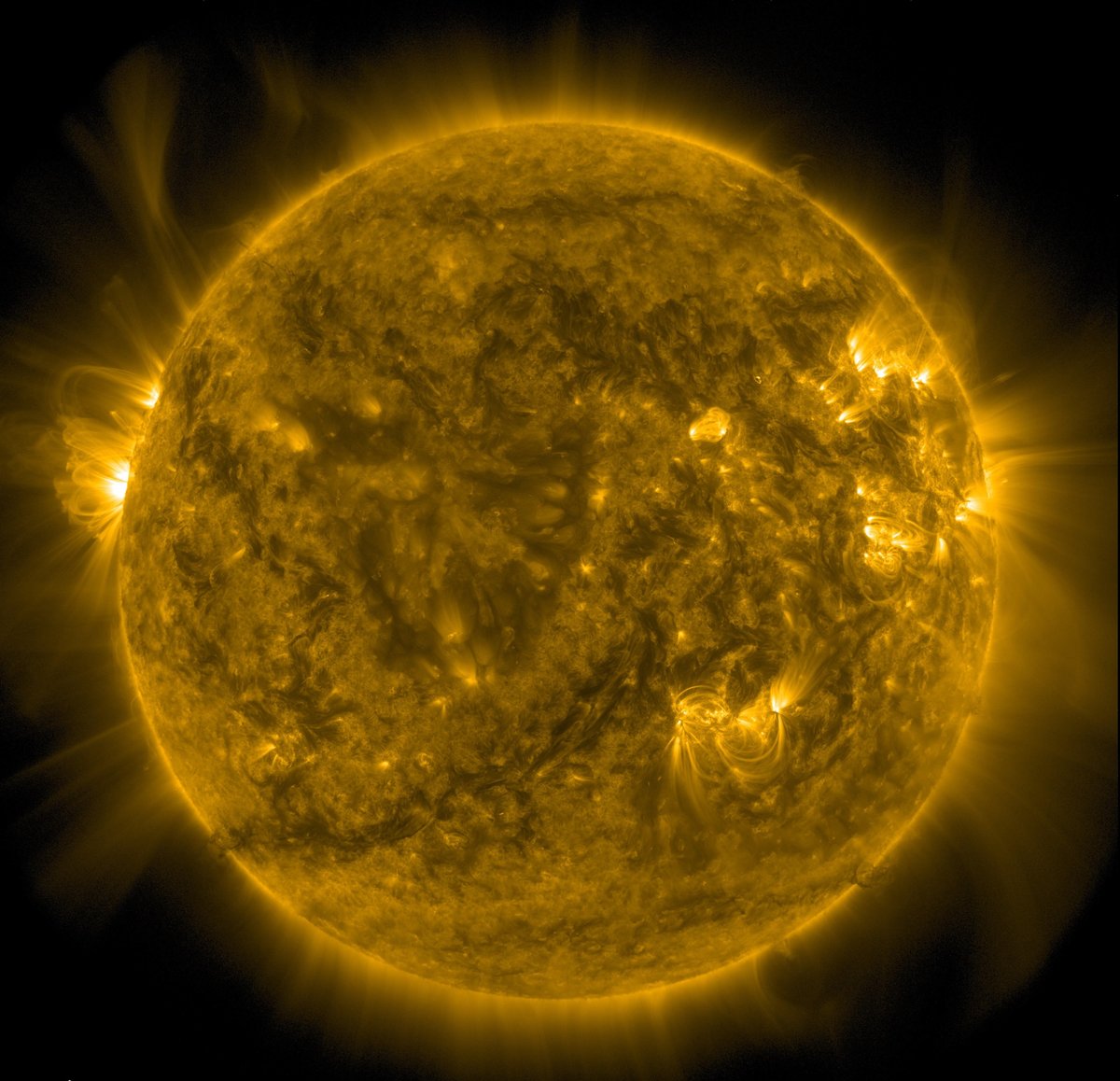
Stunning video captures a whole year of our sun’s chaotic corona

NASA’s PUNCH mission is showing a rarely seen aspect of our nearest star—the churning chaos of the solar corona

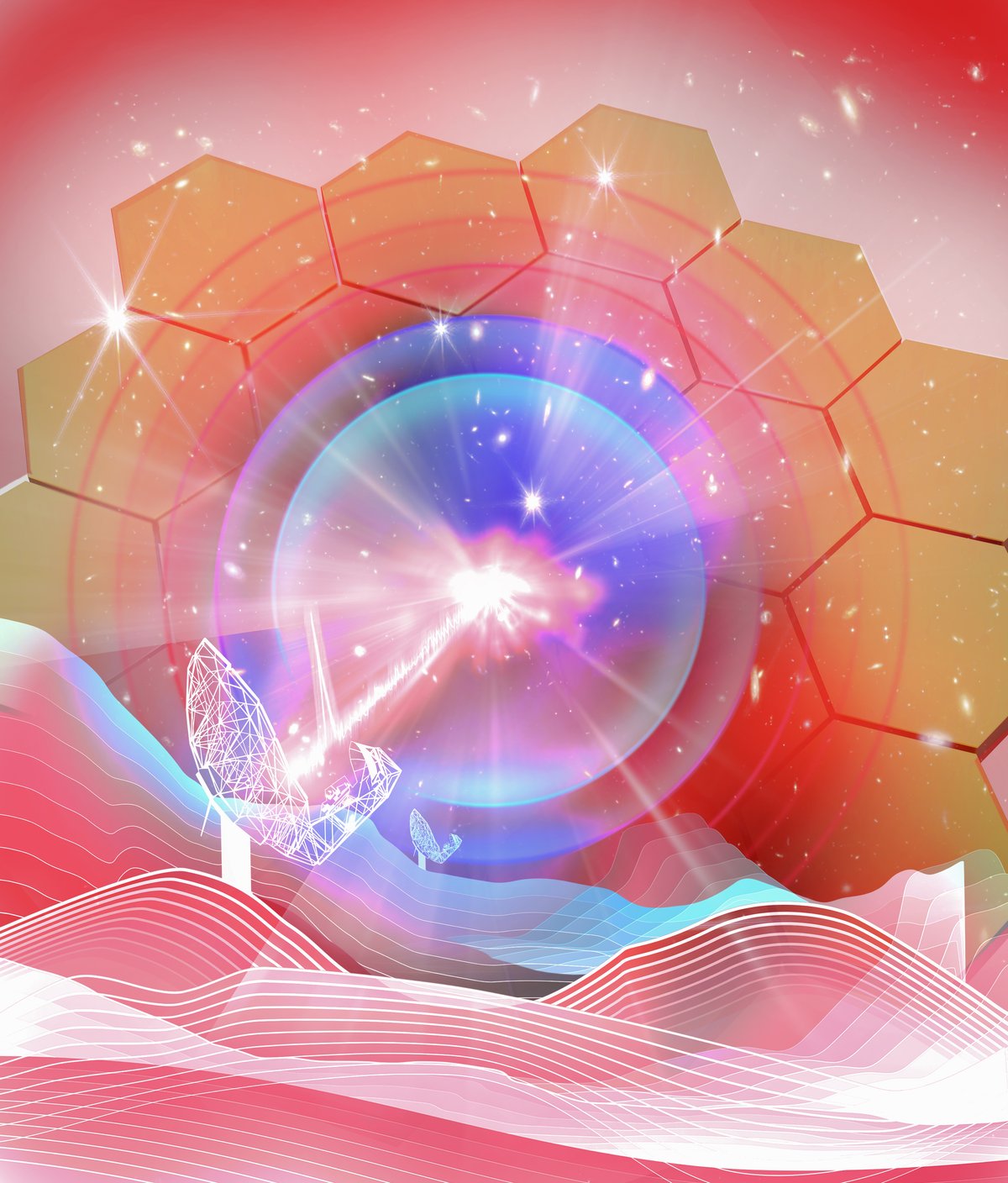
Astronomers discover record-breaking ancient cosmic outburst

Detected by the MeerKAT array, this “fast radio burst” comes from three billion years after the big bang and could help map the universe’s otherwise-invisible intergalactic matter

New ‘First Proof’ exam reveals how AI-powered math is a pay-to-play sport

The benchmark confirms that some AIs are becoming exceptional tools for research-level math. But open-source models still struggle

Is the AI mathocalypse coming for encryption next?

OpenAI’s bumper crop of 722 math papers wowed and worried the research community—and cryptographers are split over whether the algorithms that protect our texts and bank log-ins are next

The most exciting claims from OpenAI’s heap of new proofs

Scientists have called out several math and computer science results as the most significant in the company’s overwhelming new deluge of achievements

Mathematicians marvel, and grumble, at OpenAI’s trove of new results

The “slop drop” contains a number of groundbreaking proofs, but how it was generated remains unclear and contentious

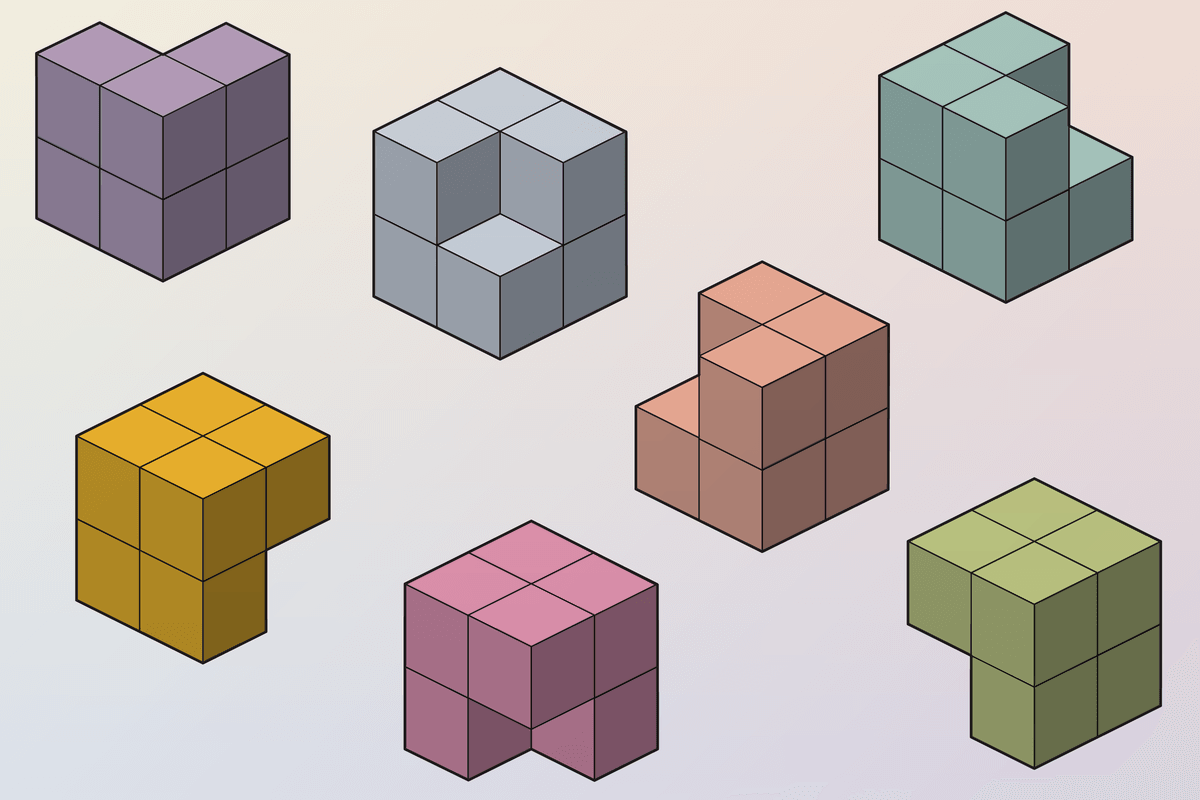
A unique shape, a 3D einstein tile, has been discovered

AI helped uncover a special object that can fill space without repeating patterns

Just how sunlike is the sun?

When compared with similar stars, where does sun fit in?

What We're Reading
  • Rescuing astronomy from its satellite megaconstellation crisis | Space News

  • Choose Your Overlord: Musk vs. Bezos | The Atlantic

  • How Top Trump Officials Stoked Fears of a Nuke That Could Fry the Power Grid | New York Times

From the Archive
Should We Abandon the Leap Second?

We have been adding “leap seconds” to time kept by our atomic clocks, but soon we may have to subtract one. Are the tiny adjustments worth the bother?

NASA EXPRESS -- Your STEM Connection for Oct. 15, 2026


NASA STEM Engagement


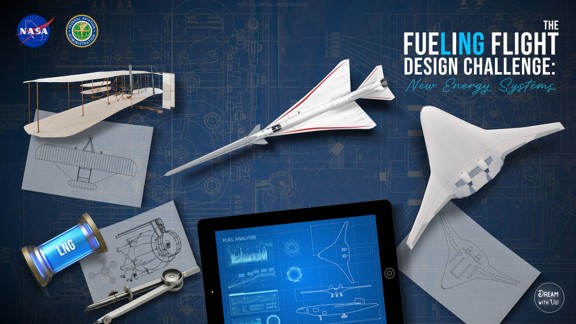
'Dream With Us' Design Challenge


As more and more aircraft are part of the United States’ National Airspace System, NASA and its partners in the aviation industry are searching for ways to increase safety, make flight more affordable, find new fuels for aircraft, and reduce the amount of time passengers and cargo spend in the air.


This year, the NASA Aeronautics "Dream With Us!" design challenge invites middle school and high school student teams to envision ways to incorporate an emerging aircraft fuel source, liquified natural gas, into the aviation environment.

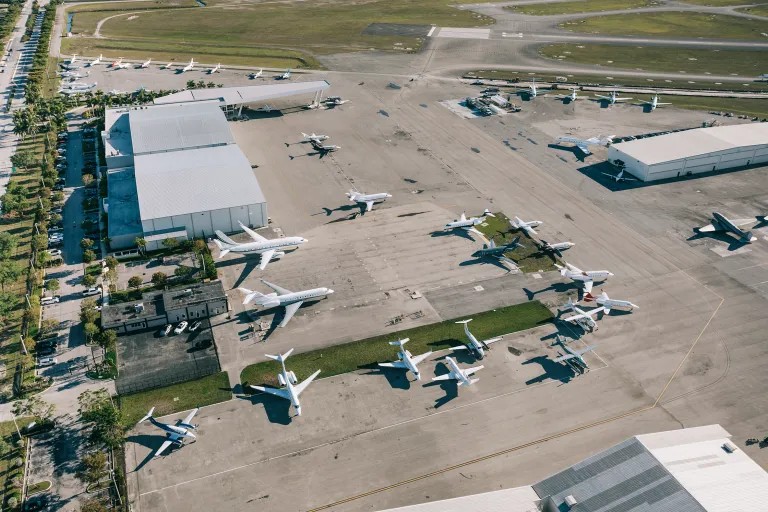
Middle school teams will adapt an existing airport to incorporate the addition of a new fuel type and to support new aircraft designs, fuel storage, and fuel delivery solutions.

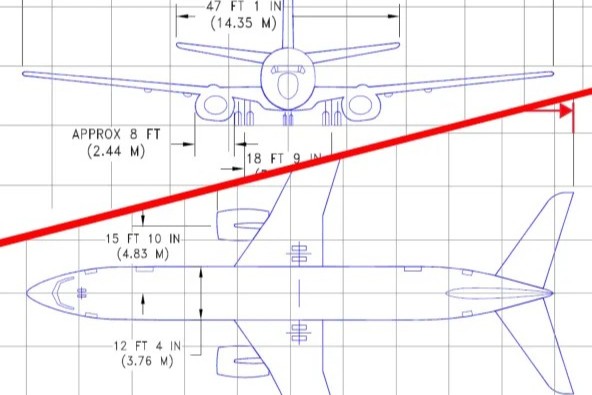
High school teams will focus on designing a new cargo aircraft fueled by liquified natural gas and creating a proposal to support your freight company’s design selection.

Winning teams in each division will get a chance to share their designs with NASA experts. The registration deadline for both divisions is Tuesday, Dec. 8.


Do you have questions about the challenge? Join a virtual information session on Tuesday, Oct. 27, at 7 p.m. EDT.


Want to be a judge for the "Dream With Us!" Challenge? Click here to learn more.

Online Learning Opportunities

Watch Astronauts on the International Space Station Answer Student Questions

Event Date:

Friday, Oct. 16, at 12:30 p.m. EDT

Contact: JSC-Downlinks@mail.nasa.gov


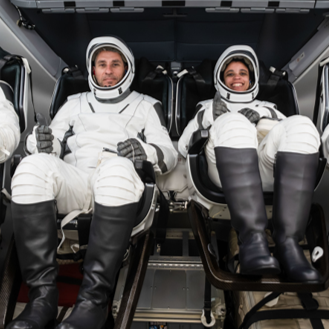
Tune in to see NASA astronauts Jessica Watkins and Luke Delaney participate in a live, in-flight interview with students from Sally Ride Elementary School in Florida. They will answer student questions and discuss life, work, and research aboard the orbital outpost.


Visit the In-Flight STEM Downlinks website for additional information and to learn how your school, community college, university, or organization can host a downlink.

Virtual Event: NASA’s Career Technical Education Day at Johnson Space Center

Registration Deadline: Thursday, Oct. 22

Event Date:

Thursday, Oct. 29, at 1:30 p.m. EDT

Contact: hq-virtual-engagements@mail.nasa.gov


Join experts from NASA’s Johnson Space Center in Houston, Texas, for a live virtual session designed to introduce students to skilled technical workforce career pathways.


Students interested in robotics, rovers, technical trades, engineering technology, space exploration, manufacturing, fabrication, and skilled workforce careers are encouraged to attend. Participants will hear directly from skilled trades experts as they share their career journeys, describe their typical workday, and highlight the diverse pathways available to students interested in technical careers at NASA.


Registration is open to individual students. Teachers can also register their class to attend as a group. Click here for event and registration details.

Are You Up for a Challenge?

NASA Spacesuit User Interface Technologies for Students (SUITS) Design Challenge

Proposal Deadline: Thursday, Oct. 22

Contact: NASA-SUITS@mail.nasa.gov


NASA SUITS is preparing tomorrow’s aerospace workforce! 


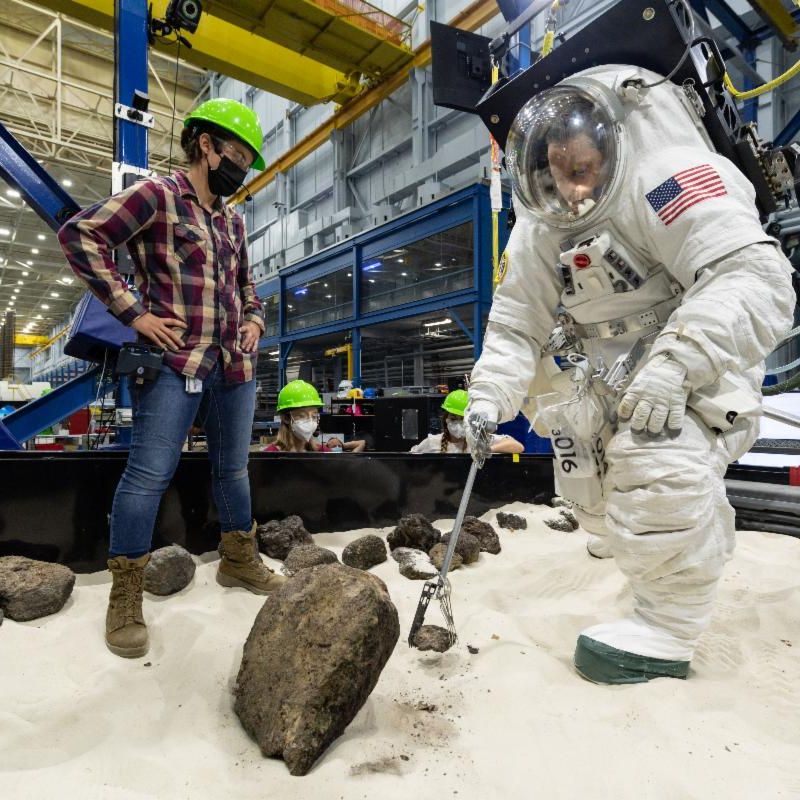
In the NASA SUITS challenge, college/university student teams design and create autonomous systems and displays for spacesuits. These systems will aid NASA astronauts as they expand scientific and commercial activity on the lunar surface to advance the development of the Moon Base.


After developing their software, selected student teams will travel to NASA’s Johnson Space Center in Houston to test their prototypes. 


NASA SUITS directly advances NASA missions and prepares tomorrow’s aerospace workforce while equipping students with essential technical, entrepreneurial, and career skills.


Ready to get started? Click here for full challenge descriptions and requirements.

NASA TechRise Student Challenge

Entry Deadline: Monday, Nov. 2

Contact: support@futureengineers.org


There's still time to join the NASA TechRise Student Challenge! The challenge invites student teams in grades 6-12 to submit science and technology experiment ideas to fly on a high-altitude balloon. Students attending U.S. public, private, or charter schools – including those in U.S. territories – are challenged to team up to design an experiment under the guidance of an educator.


A total of 60 winning teams will be selected and awarded $1,500 to build their experiment, receive an assigned spot on a NASA-sponsored high-altitude balloon, and get technical support from Future Engineers advisors.


No experience is necessary to join the challenge! Visit the TechRise website to learn more.

More to Explore

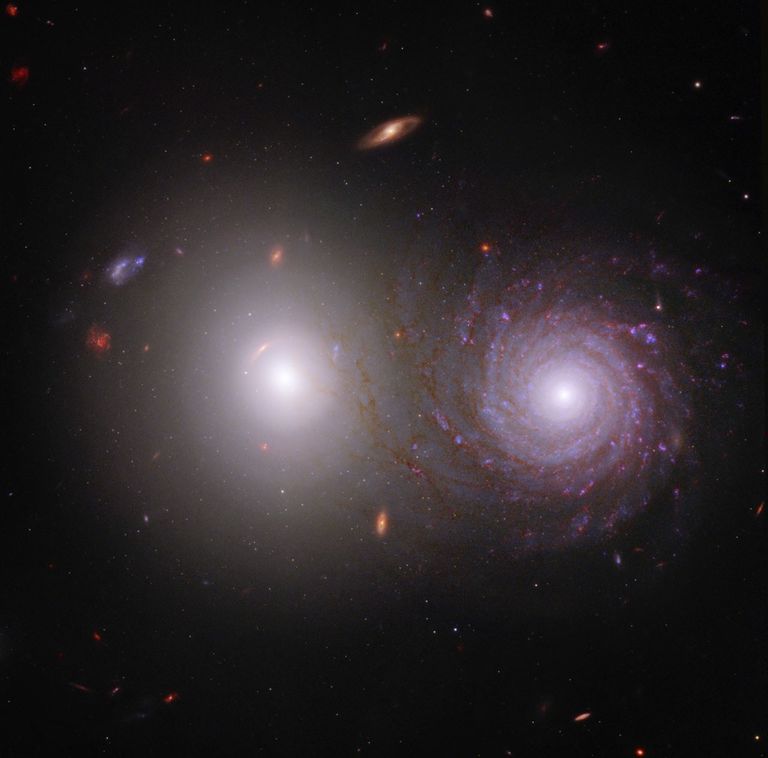
Help Identify Galaxy Pairs With the Overlap Zoo Project


When one galaxy overlaps and backlights another, the dust in the foreground galaxy creates dark silhouettes that reveal how dust is distributed and how it affects starlight – information that can even improve distance estimates to faraway objects.


The Overlap Zoo project lets you help scientists identify and classify these rare overlapping galaxy pairs. Participants will verify potential galaxy pairs flagged by Galaxy Zoo volunteers, classify key features of each galaxy, and mark their outlines in telescope images. This work will help astronomers create the first large-scale catalog of overlapping galaxies suitable for studying cosmic dust.


Click here to start classifying galaxies today. No prior experience needed – just curiosity and a few minutes of your time.

Partner Opportunities


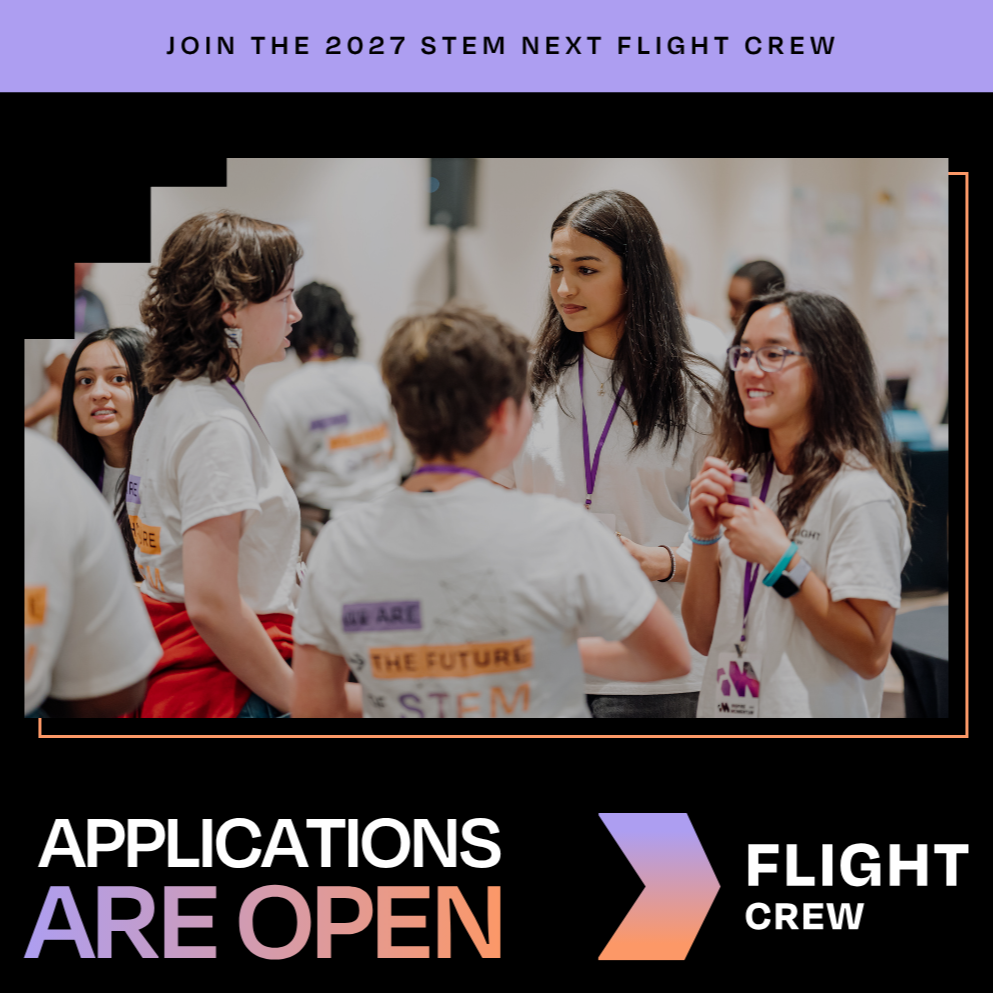
2027 STEM Next

Flight Crew

Application Deadline: Thursday, Oct. 29

Science, Mathematics, and Research for Transformation (SMART) Scholarship-For-Service Program

Application Deadline: Friday, Dec. 4

National Science Foundation Education and Training Application Program

Applications Open Now

Want to subscribe to get this message delivered to your inbox each Thursday? Sign up for the NASA EXPRESS newsletter at https://www.nasa.gov/learning-resources/nasa-express.


Are you looking for NASA STEM materials? Search hundreds of resources at https://www.nasa.gov/learning-resources/search.


Check out the ‘Science for Everyone’ website! Science starts with questions, leading to discoveries. Visit https://science.nasa.gov/for-everyone. To view the site in Spanish, visit https://ciencia.nasa.gov.


Are you looking for more NASA prizes, challenges, and crowdsourcing opportunities? Visit https://www.nasa.gov/get-involved/ to find ways to contribute to NASA’s work.

X Share This Email
LinkedIn Share This Email

NASA Office of STEM Engagement

We are engaging students in NASA’s exciting missions, broad range of careers, and unique opportunities.


Visit nasa.gov/learning-resources/


Follow Us on Social Media

Facebook  Pinterest  YouTube  X

The National Aeronautics and

Space Administration


As explorers, pioneers, and innovators, we boldly expand frontiers in air and space to inspire and serve America and to benefit the quality of life on Earth.


Visit nasa.gov

Follow NASA

Facebook  YouTube  Instagram  X
 

Scientist Pankaj

Where's my robot butler already?

Investment in humanoid robots is ramping up, would you have one in your home? ͏  ͏  ͏  ͏  ͏  ͏  ͏  ͏  ͏  ͏  ͏  ͏  ͏  ͏  ͏  ͏  ͏  ͏  ͏  ͏  ...