Friday, February 27, 2026

Week in Science: Progress on a 2,000-year-old math problem

A weekly round-up of the biggest news in science                    

February 27— President Trump ordered federal agencies to release evidence for aliens this week—which scientists expect will not reveal much. Plus, mathematicians make a breakthrough on a 2,000 year old curve problem, and new evidence that human women interbred more with to Neanderthal men than the other way around.

—Emma Gometz, Newsletter Editor

Have thoughts? Email newsletters@sciam.com anytime.

Top Stories
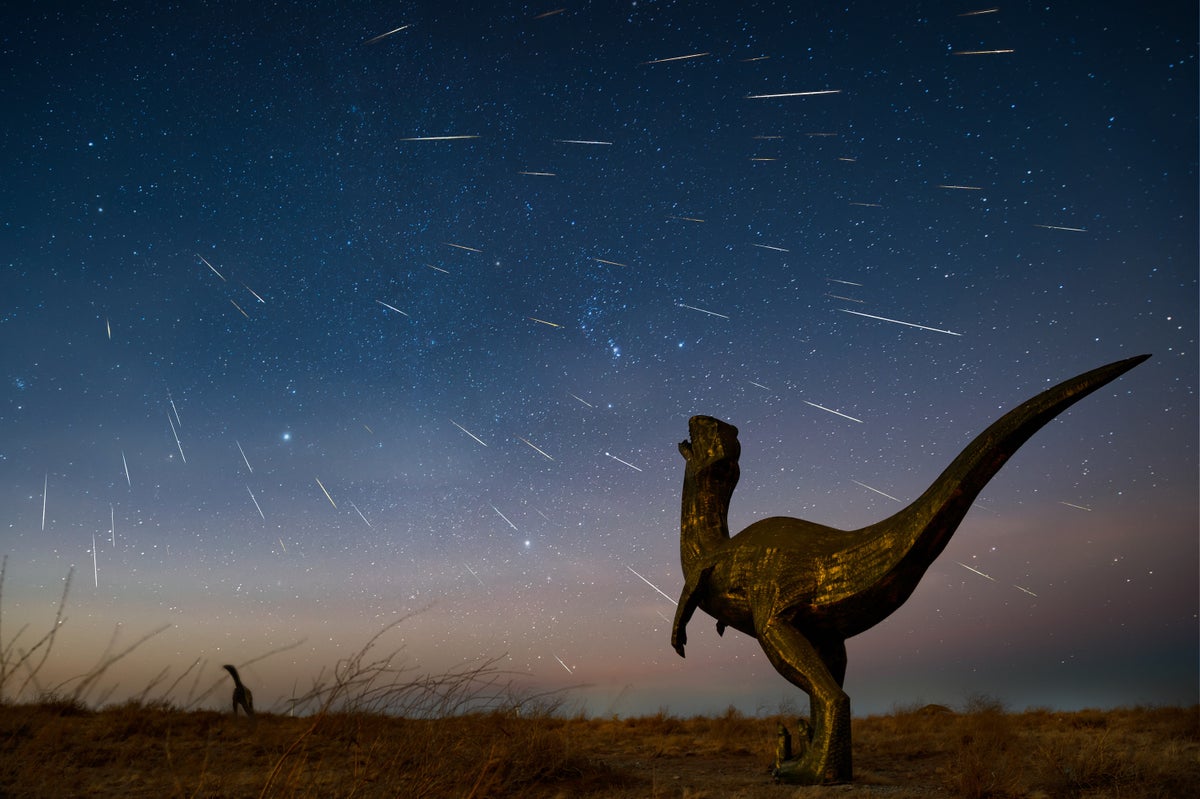
Could aliens in another galaxy see dinosaurs on Earth?

How big would a telescope need to be to see Earth's dinosaurs from 66 million light-years away? Think big—and then think bigger

Mathematicians make a breakthrough on 2,000-year-old problem of curves

Since ancient Greece, researchers have tried to isolate special rational points on curves. Now they have the first ever formula that applies uniformly to all curves

Brought to you by Scientific American
The Solution to Your Math Needs

Does math ignite your curiosity? Whether you're math-obsessed or just math-curious, you'll enjoy Scientific American's new math newsletter, Proof Positive.

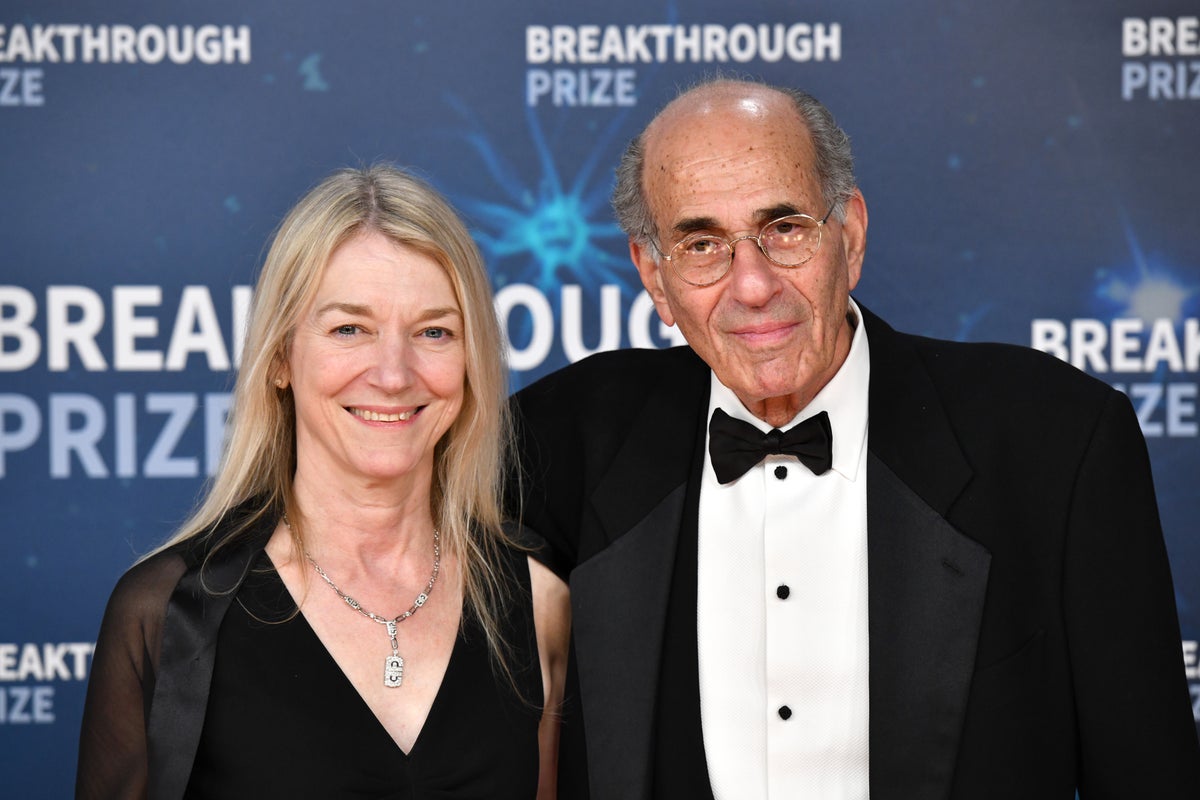
Nobel Prize–winning brain scientist steps down over Epstein ties

Richard Axel resigned from his post co-leading Columbia University's Mortimer B. Zuckerman Mind Brain Behavior Institute over his long ties to Jeffrey Epstein

Get a deal on a subscription to Scientific American. Supporting our work means amplifying science.
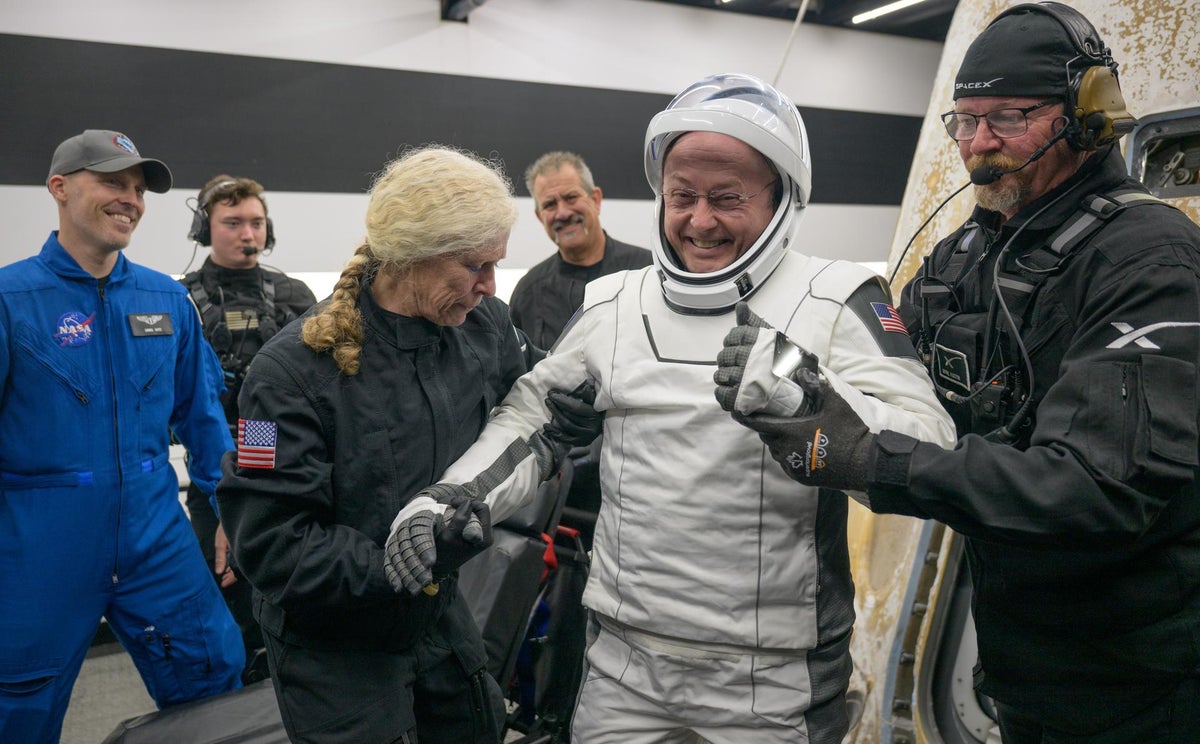
NASA identifies which astronaut triggered the unprecedented medical evacuation of the ISS

This disclosure comes about a month after NASA made the decision to evacuate the four members of Crew-11 from the International Space Station

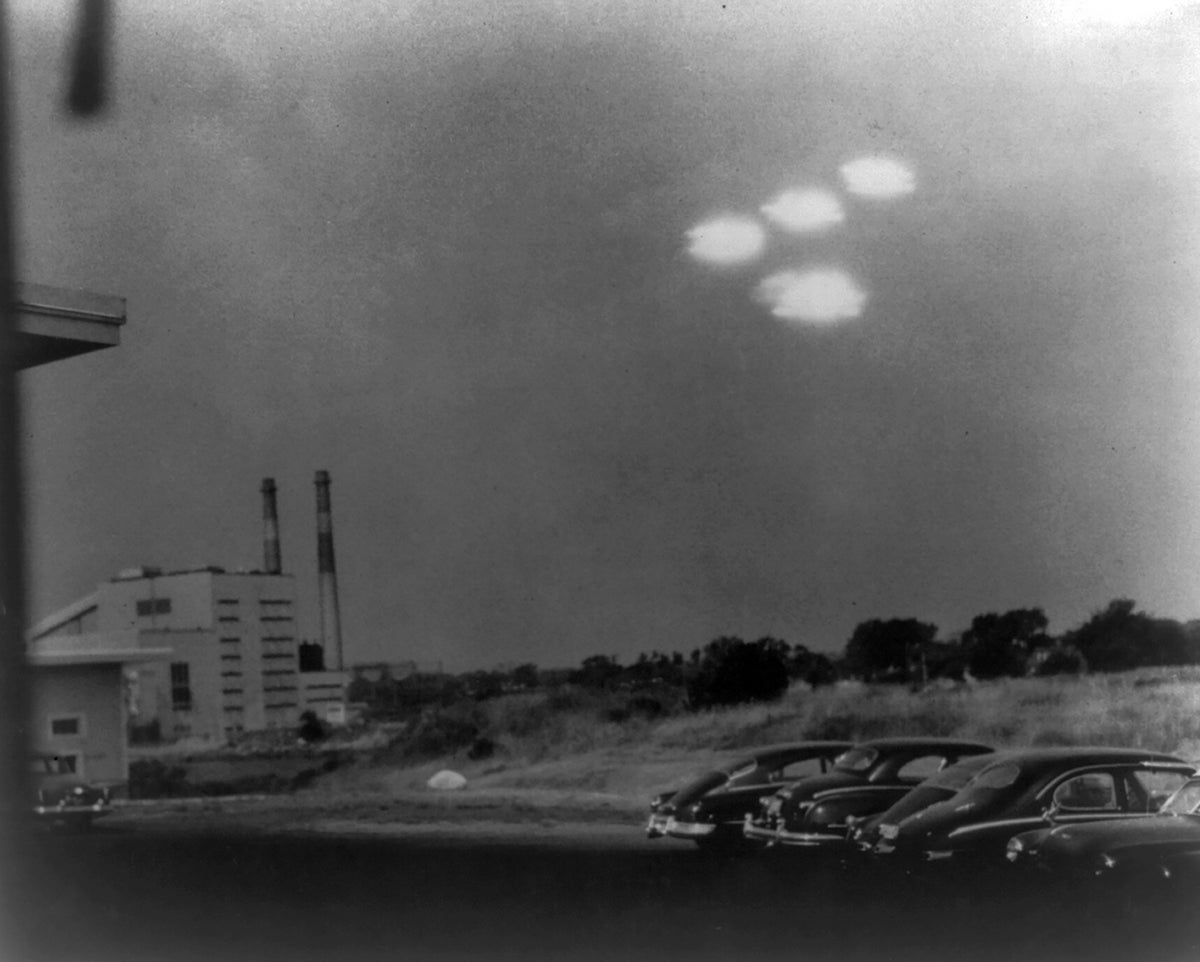
Trump's order to release evidence for aliens obscures the scientific search for extraterrestrial life

On Thursday the U.S. president ordered the release of federal files related to UFOs and aliens, although no evidence of extraterrestrials visiting Earth is known to exist

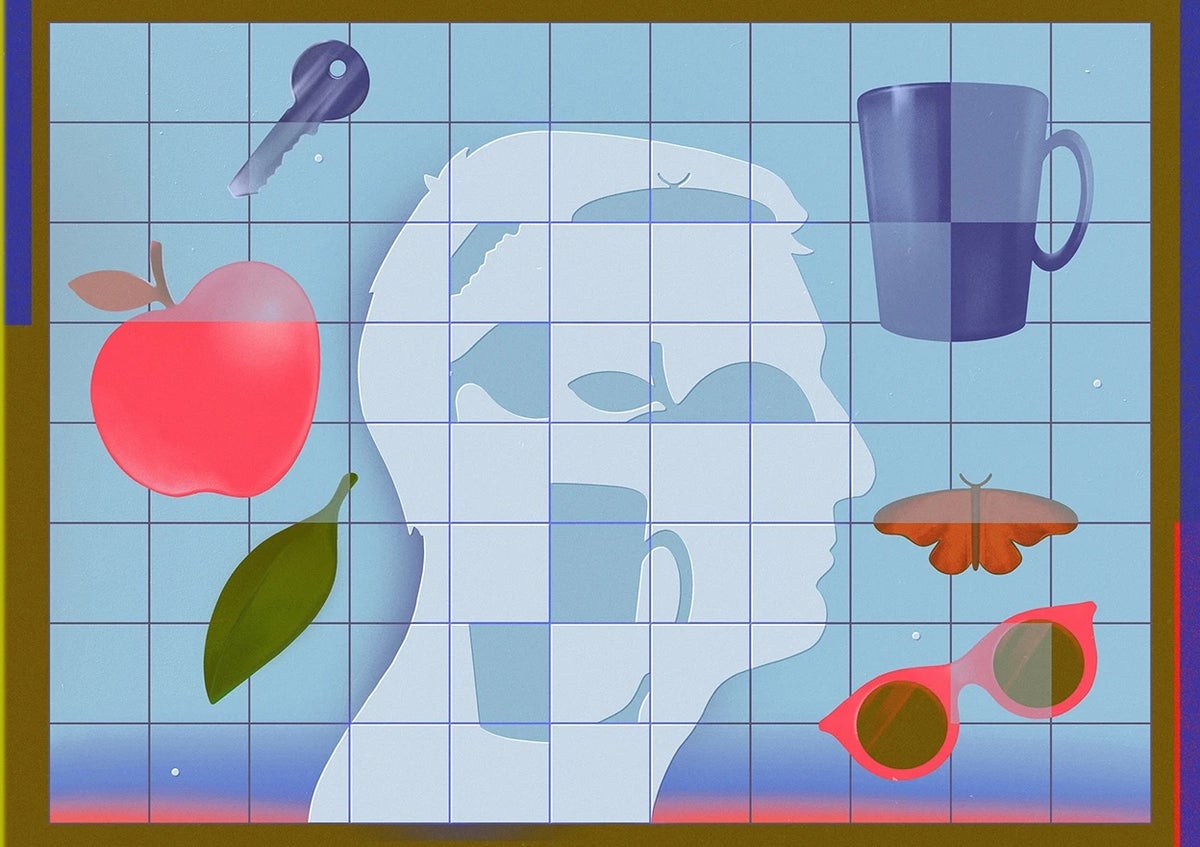
Many people don't see mental images. The reason offers clues to consciousness

People with aphantasia have no mental imagery—and they're offering brain scientists a window into consciousness

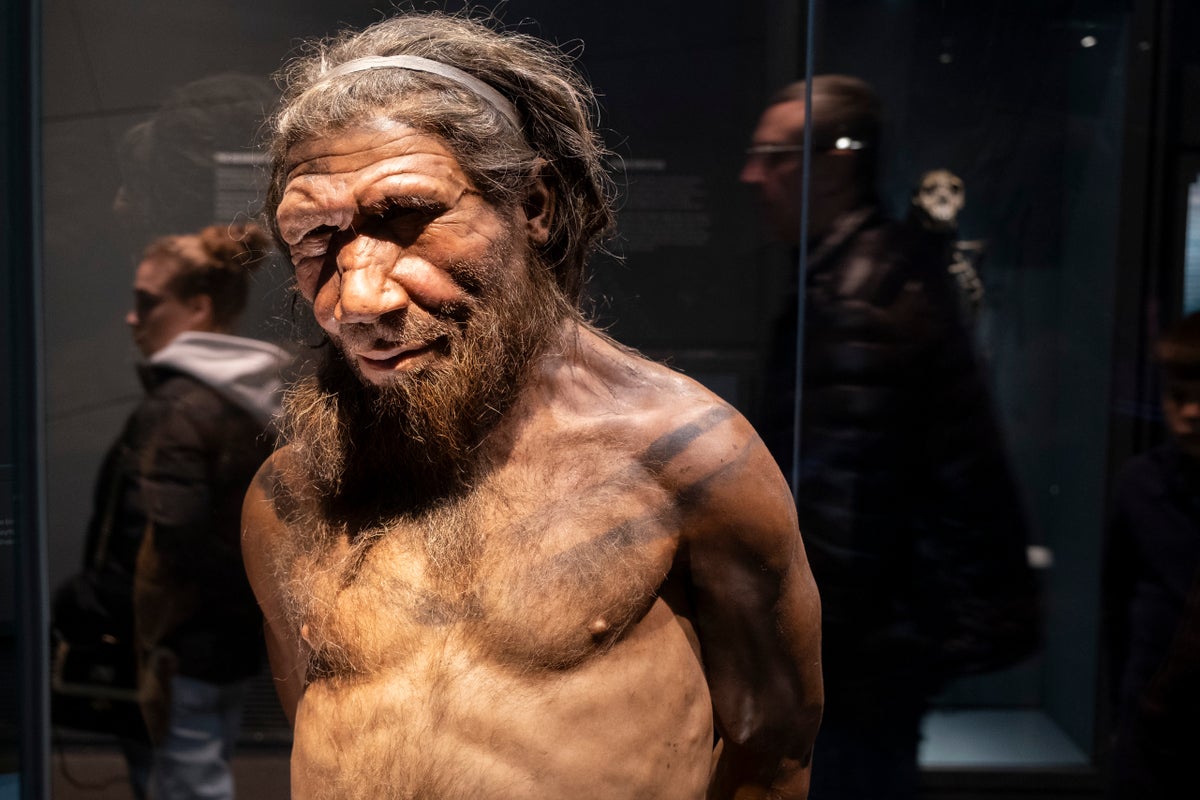
Neanderthal and human interbreeding tended to follow a specific pattern

Interbreeding between Neanderthals and ancient anatomically modern humans primarily occurred between male Neanderthals and female humans, a new study suggests

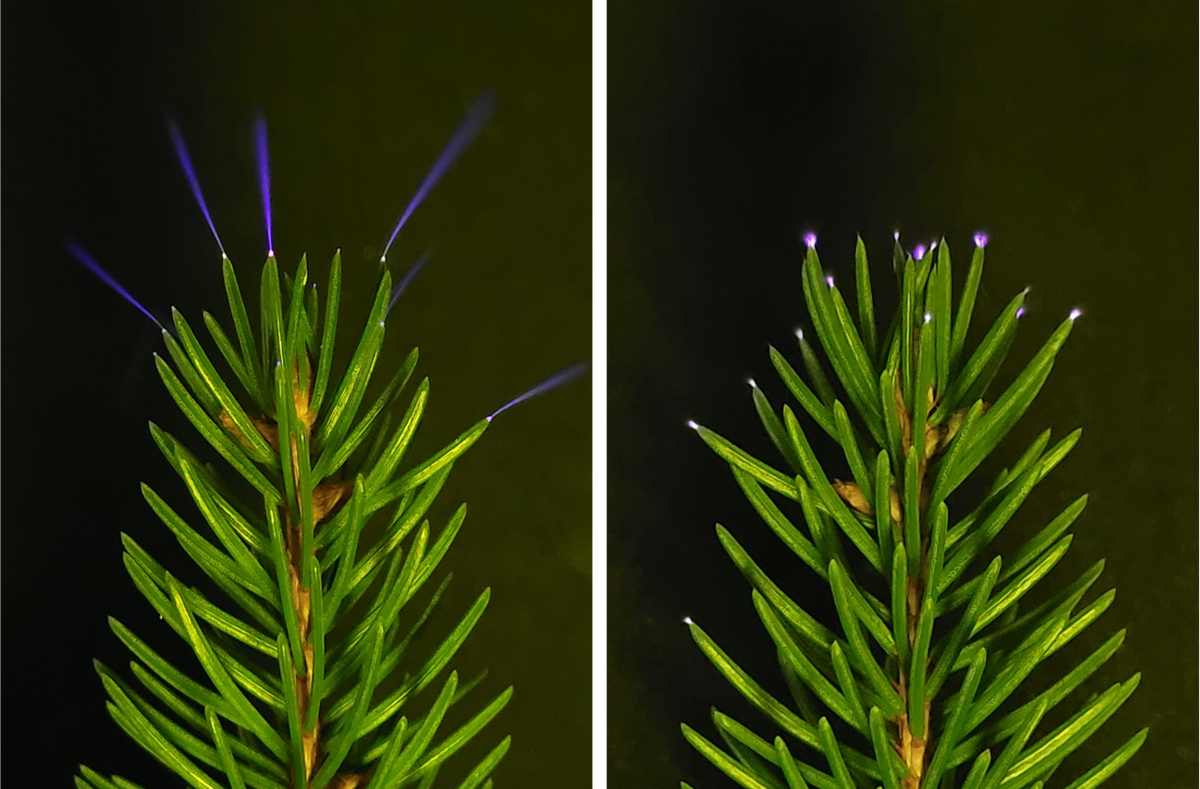
Ghostly UV sparks light up forests as thunderstorms pass overhead

Thunderstorms can generate weak electrical discharges on the plants underneath, but until now, they had never been observed in nature

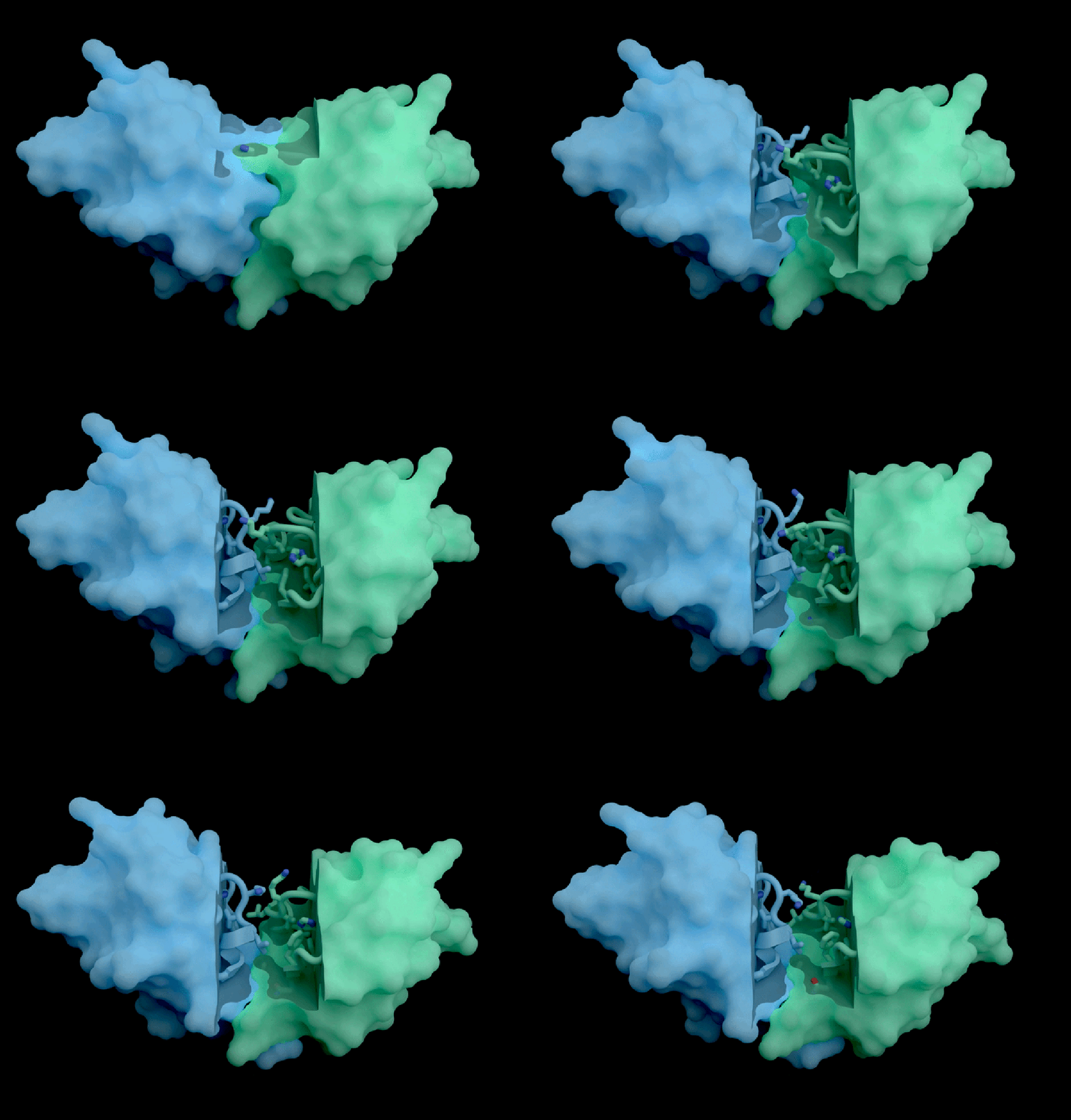
'An AlphaFold 4'—scientists marvel at DeepMind drug spin-off's exclusive new AI

Isomorphic Lab's proprietary drug-discovery model is a major advance, but scientists developing open-source tools are left guessing how to achieve similar results

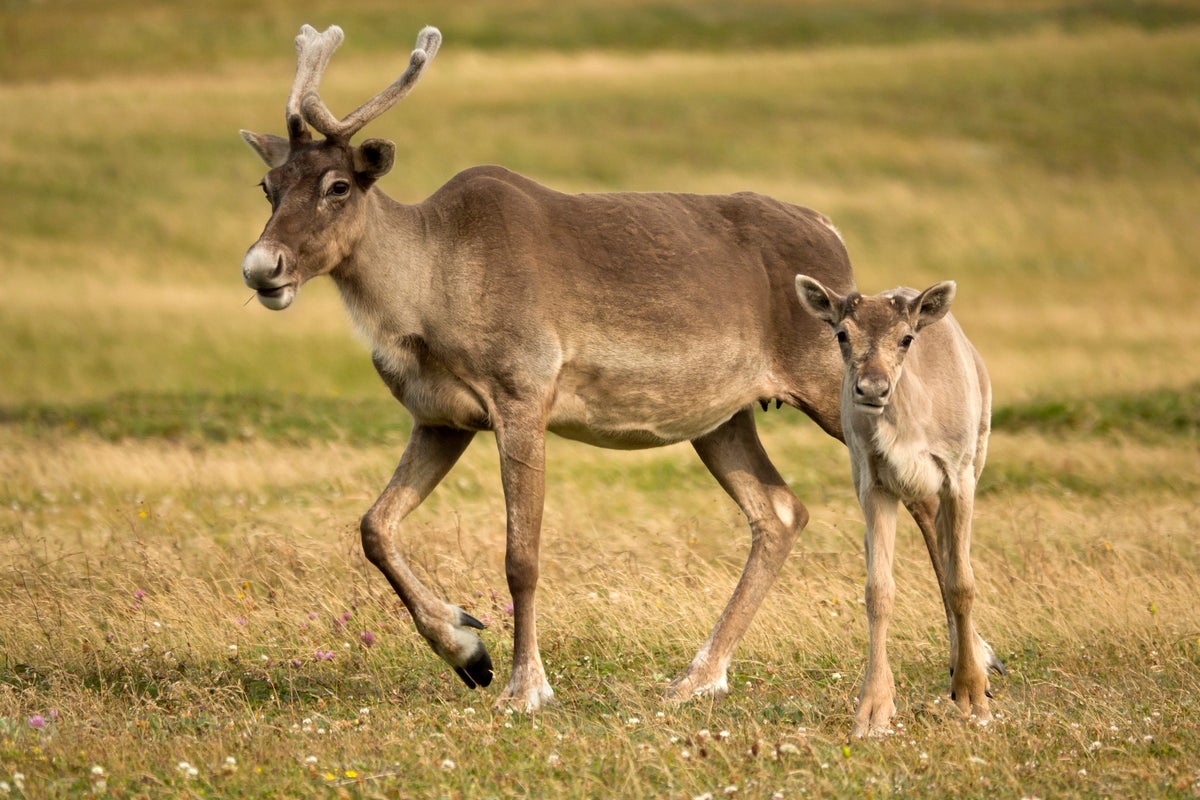
Female caribou grow antlers as a built-in postbirthing snack

A recent study found an unexpected benefit of female caribou antlers: they can function like a vitamin for deer that have just given birth

How Anthropic's safety-first ethos collided with the Pentagon

As Anthropic releases its most autonomous agents yet, a mounting clash with the military reveals the impossible choice between global scaling and a "safety first" ethos

Poetry was humanity's first language technology. AI is the next

Sasha Stiles turned GPT-2 experiments into a self-writing poem at a Museum of Modern Art installation—and a new way to think about text-generating AI optimization

Scientist Pankaj

Week in Science: Progress on a 2,000-year-old math problem

A weekly round-up of the biggest news in science                     View in web browser ...