Saturday, February 21, 2026

Week in Science: Astronomers race to understand Little Red Dots

A weekly round-up of the biggest news in science                    

February 20—This week, a possible answer to the cosmic mystery of "Little Red Dots," how a socially awkward mathematician cleared his name with a theorem, the benefits of walkable cities and more. Plus, don't miss all the stories from our March issue, which is online now!

—Emma Gometz, Newsletter Editor

Have thoughts? Email newsletters@sciam.com anytime.

Top Stories
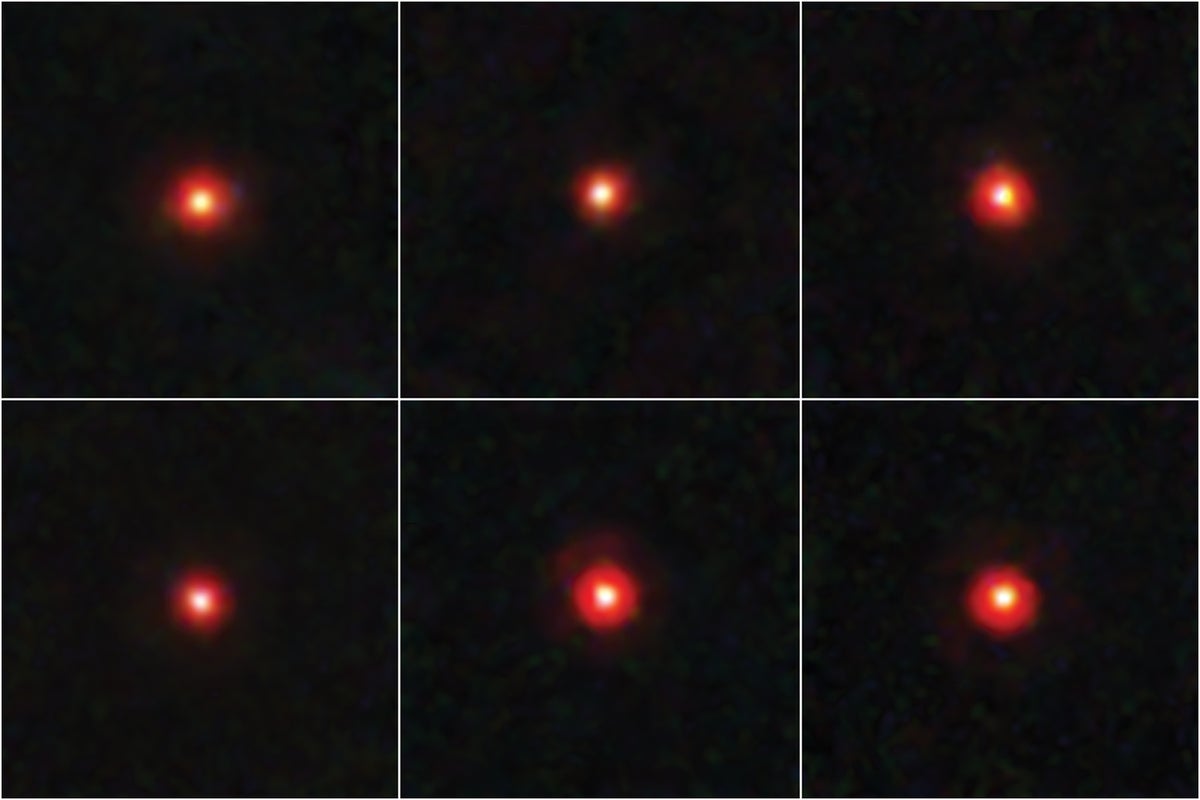
Exotic black hole stars could explain the mystery of Little Red Dots

Astronomers are racing to understand mysterious ancient objects that pepper James Webb Space Telescope images

The mathematical mystery inside the legendary '90s shooter Quake 3

Deep within the source code of this online multiplayer game lies an enigmatic number that puzzles and inspires experts to this day

Brought to you by Scientific American Travel
2027 Solar Eclipse on the Nile

Experience the 2027 total solar eclipse – more than six minutes of totality - from the deck of a luxury Nile River ship on this incredible 10-day journey led by Chief of Reporters Clara Moskowitz. Learn More.

Get a deal on a subscription to Scientific American. Supporting our work means amplifying science.
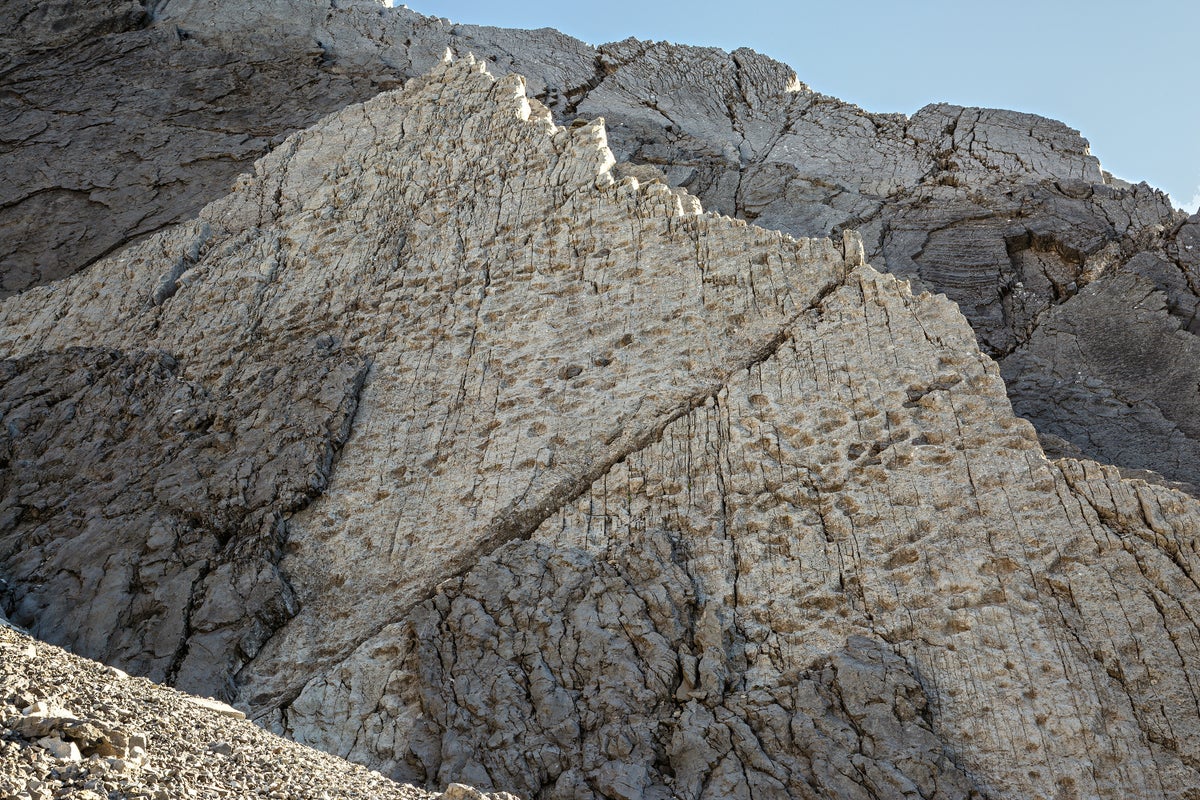
Mountain photographer stumbles on one of the largest ever collections of Triassic dinosaur prints

A newfound site in the Italian Alps holds one of the largest collections of Triassic dinosaur footprints ever seen

This mathematician proved a brilliant theorem to justify his social awkwardness

George Pólya's random walk theorem absolved him of being a lurker and revealed how the laws of chance interact with physical space

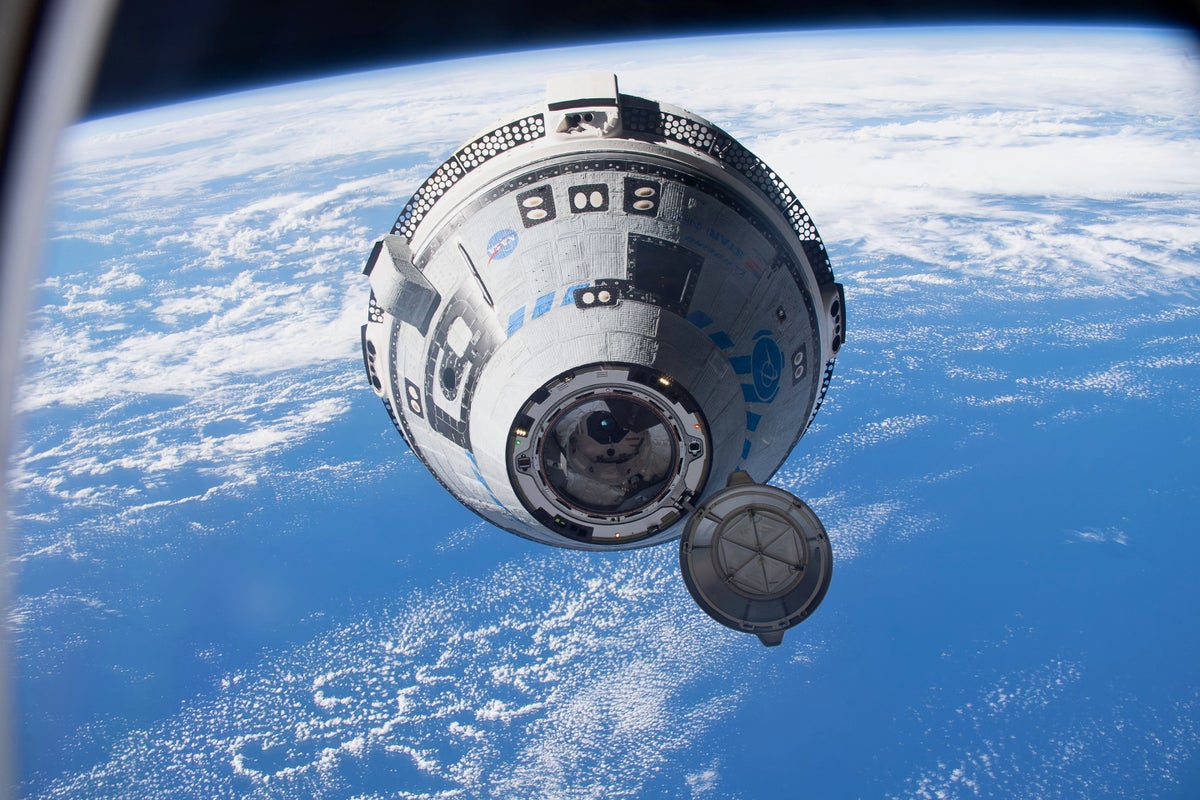
NASA says a litany of failures led to 2024 Boeing Starliner astronaut stranding

On Thursday NASA leadership outlined how 2024's glitch-plagued Boeing Starliner mission jeopardized astronaut welfare and the space agency's culture of safety and accountability

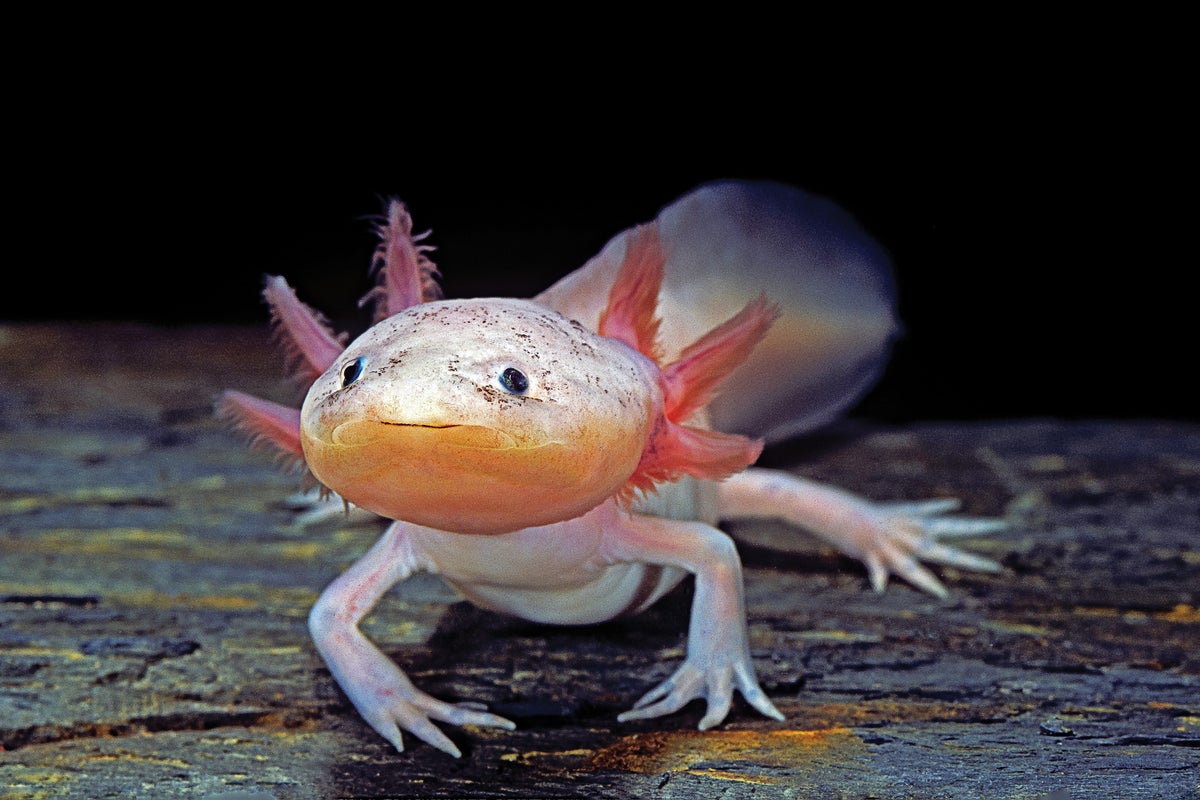
Axolotls wow scientists by regenerating this complex organ

Axolotls can completely rebuild their thymus, a key immune organ

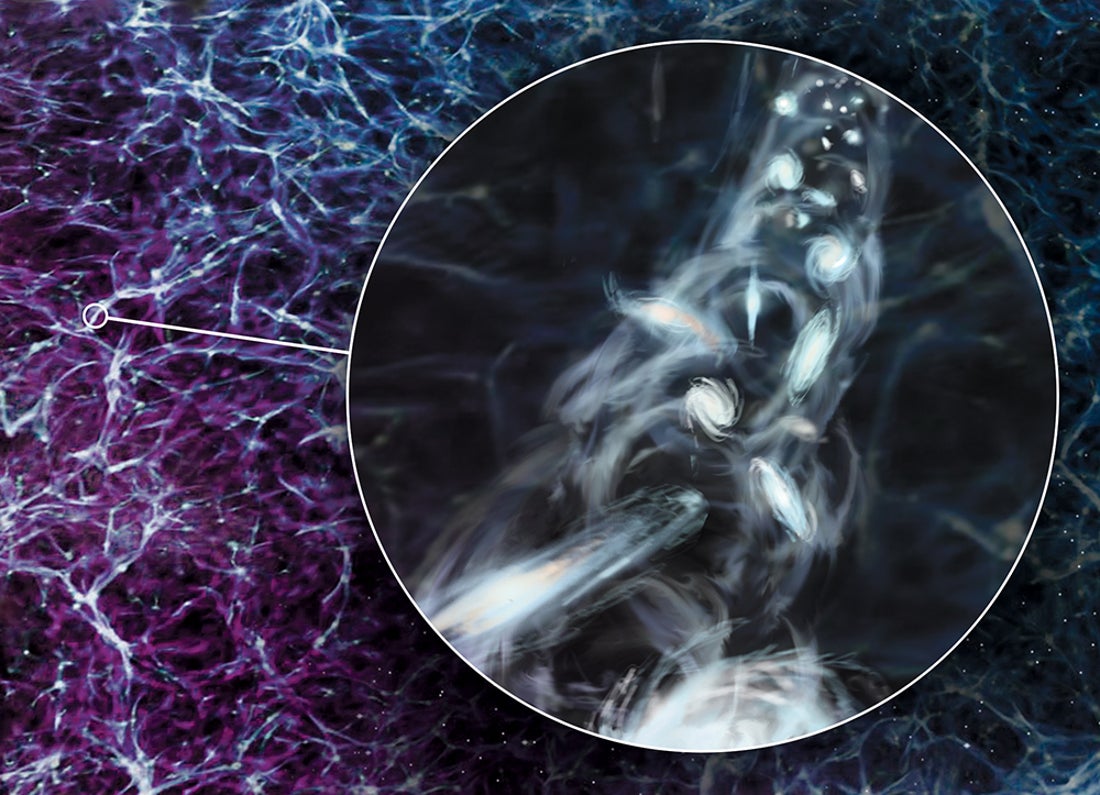
Astronomers spot one of the largest spinning structures in the universe

This enormous chain of hundreds of galaxies—a cosmic filament—is twisting through space 400 million light-years away

Your daily steps may depend on your zip code more than your willpower

Researchers found that walkable city design—not personal motivation—was the key factor behind people taking 1,100 more steps per day

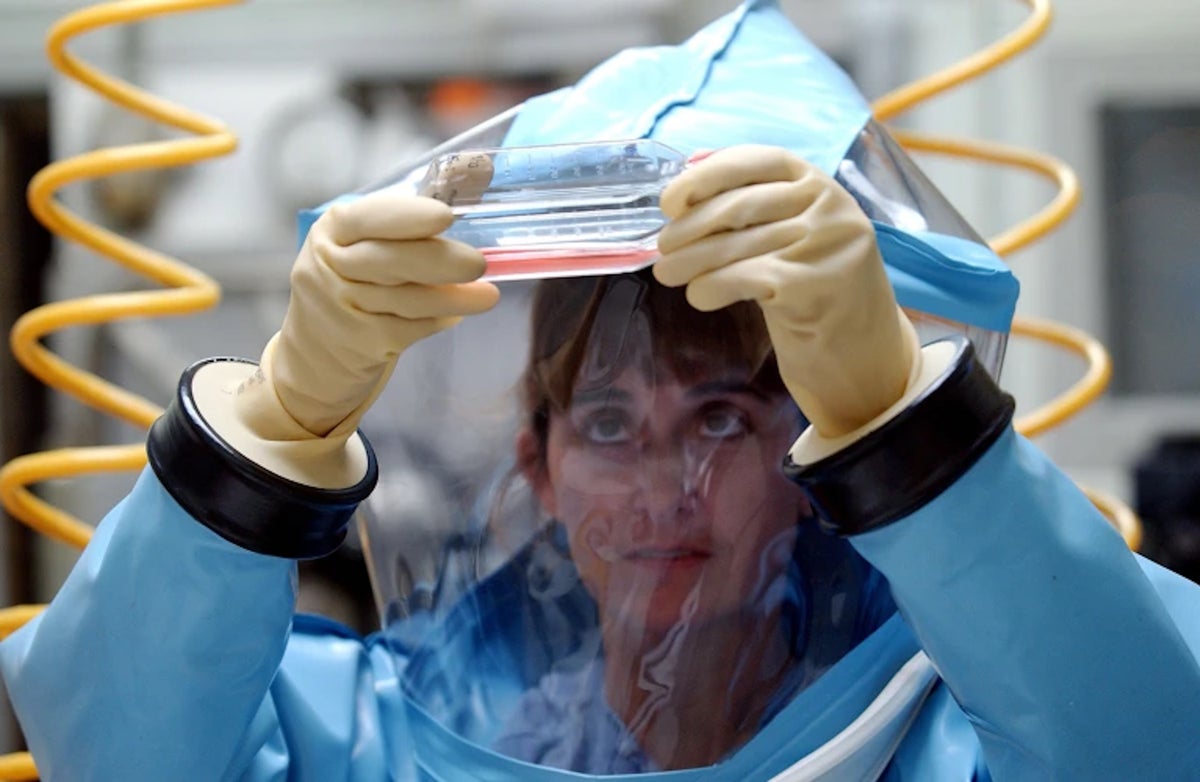
Key NIH research institute told to remove references to 'pandemic preparedness'

Staff members have been instructed to scrub this topic and 'biodefense' from the agency's website, a Nature investigation finds

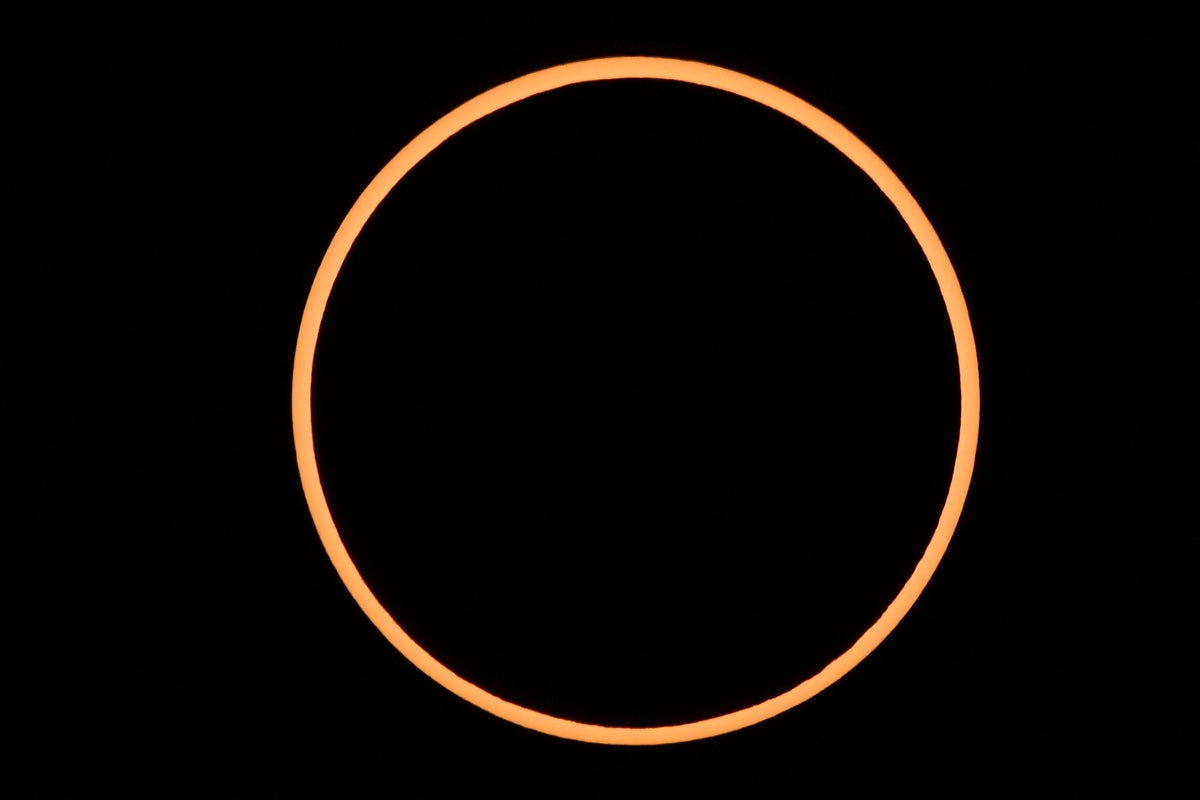
First solar eclipse of 2026 blazes a 'ring of fire' above Antarctica

A stunning "ring of fire" eclipse was totally visible to a lucky few in the Southern Hemisphere. Here's how to see the next one

The truth about polyamory

An anthropologist's detailed research shows polyamorists focus on intimacy and honesty, not sleeping around

AI just got its toughest math test yet. The results are mixed

Experts gave AI 10 math problems to solve in a week. OpenAI, researchers and amateurs all gave it their best shot

The true worth of America's public lands

An environmental scientist's analysis reveals who will win and who will lose in the push to put federal land into private hands

Scientist Pankaj

NASA's critical Artemis 2 fueling test appears to be a success

Was NASA's 2nd Artemis 2 fueling test a success? | The best Lego Star Wars deals right now | Spot a mini 'plan...