Issues arose during the "wet" dress rehearsal ͏ ͏ ͏ ͏ ͏ ͏ ͏ ͏ ͏ ͏ ͏ ͏ ͏ ͏ ͏ ͏ ͏ ͏ ͏ ͏ ͏ ͏ ͏ ͏ ͏ ͏ ͏ ͏ ͏ ͏ ͏ ͏ ͏ ͏ ͏ ͏ ͏ ͏ ͏ ͏ ͏ ͏ ͏ ͏ ͏ ͏ ͏ ͏ ͏ ͏ ͏ ͏ ͏ ͏ ͏ ͏ ͏ ͏ ͏ ͏ ͏ ͏ ͏ ͏ ͏ ͏ ͏ ͏ ͏ ͏ ͏ ͏ ͏ ͏ ͏ ͏ ͏ ͏ ͏ ͏ ͏ ͏ ͏ ͏ ͏ ͏ ͏ ͏ ͏ ͏ ͏ ͏ ͏ ͏ ͏ ͏ ͏ ͏ ͏ ͏ ͏ ͏ ͏ ͏ ͏ ͏ ͏ ͏ ͏ ͏ ͏ ͏ ͏ ͏ ͏ ͏ ͏ ͏ ͏ ͏ ͏ ͏ ͏ ͏ ͏ ͏ ͏ ͏ ͏ ͏ ͏ ͏ ͏ ͏ ͏ ͏ ͏ ͏ ͏ ͏ ͏ ͏ ͏ ͏ ͏ ͏ ͏ ͏ ͏ ͏
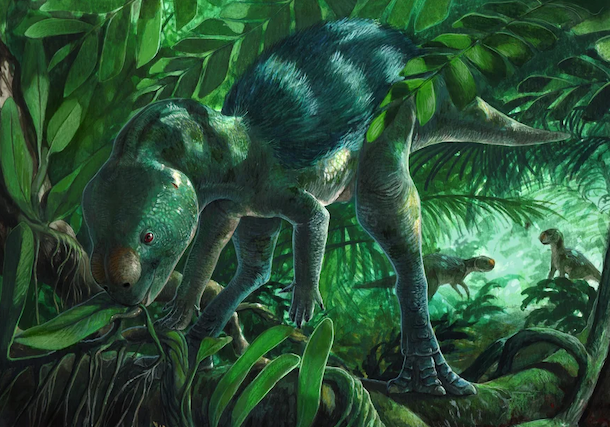
February 3, 2026—Injured? Get moving. Plus, spiders that craft impressive decoys, and inside a "shadow CDC." —Andrea Gawrylewski, Chief Newsletter Editor | | A reconstruction of the dinosaur Foskeia pelendonum. Martina Charnell | | After an injury, or even surgery, the first letter of the familiar RICE therapy stands for "rest." But scientists and doctors have changed their minds that rest is best for healing. In most cases (other than for injuries like muscle tears), the new adage is "motion is the potion." And the sooner the better. In a controlled trial of athletes with serious soft-tissue injuries, researchers found that those who started rehabilitation two days after an injury instead of nine days later were able to return to sports 20 days sooner (in 63 days rather than 83).
How it works: Limiting movement does not promote healing. In fact, immobilization causes muscles to weaken and lose stability. An injured body part that is immobilized for too long is more likely to go from acute to chronic pain (that is, pain that lasts more than three months). Pain is the major barrier to movement after an injury. A person's response to pain can impact the healing, since pain has such psychological and biological underpinnings. And some can develop anxiety or fear of pain, which also delays healing if it delays movement.
What can be done: A popular acronym to replace RICE has emerged: POLICE, which stands for "protect, "optimal load" (which means appropriate stress on injured tissue), "ice," "compression" and "elevate." Plus, teaching patients coping strategies for pain (like distraction, mindfulness, virtual-reality exercises), can significantly reduce measures of anxiety around pain and actual intensity of pain. "The best way to deal with pain is to accept that you are in pain," says Rianne van Boekel, a nurse and associate professor at the Radboud University Medical Center in the Netherlands.
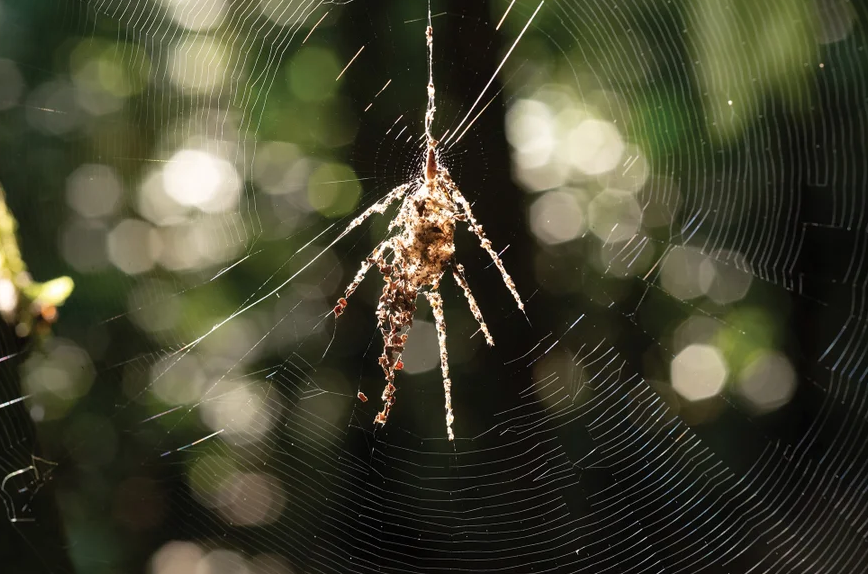
| | This spiderweb structure presents the illusion of an intimidating bigger spider. Richard Kirby | | Spiders from the genus Cyclosa place objects in their webs that form the shape of a larger, more intimidating spider than themselves. Scientists observed about 300 of these spiders over the course of 10 years. They saw that the giant spider decoys were used in a variety of ways: sometimes as a hiding place and sometimes "as puppets" that can wiggle with the web and scare away predators. Why this is interesting: This is an example of "web decoration" behavior among spiders. Lots of spider species place plant material or prey carcasses in their webs to attract prey or avoid predators. But this is the first time scientists have documented spider-shaped decor. What the experts say: Figuring out the constructions' precise function requires more research, says Dinesh Rao, an ecologist at Veracruzana University in Mexico. "You need either careful observations or experimental conditions where you actually look at how [predators] respond to these structures." —Emma Gometz, newsletter editor | | | | |
WEIRD METHODS: HAIR LIBRARY | | -
Have you ever saved a lock of a loved one's hair? That little memento might tell a story about the environment at the time it was collected. In one small, strange study mentioned above, scientists used human hair samples to study how lead exposure has changed in the last century. The Utah-based researchers found a local, untapped resource for hair samples from before 1970. In the Church of Jesus Christ of Latter-Day Saints, it's a common practice to keep family scrapbooks with mementos like nail clippings, baby teeth, or the hair of relatives to honor and remember them. "It's kind of a cultural norm," says study co-author Ken Smith.
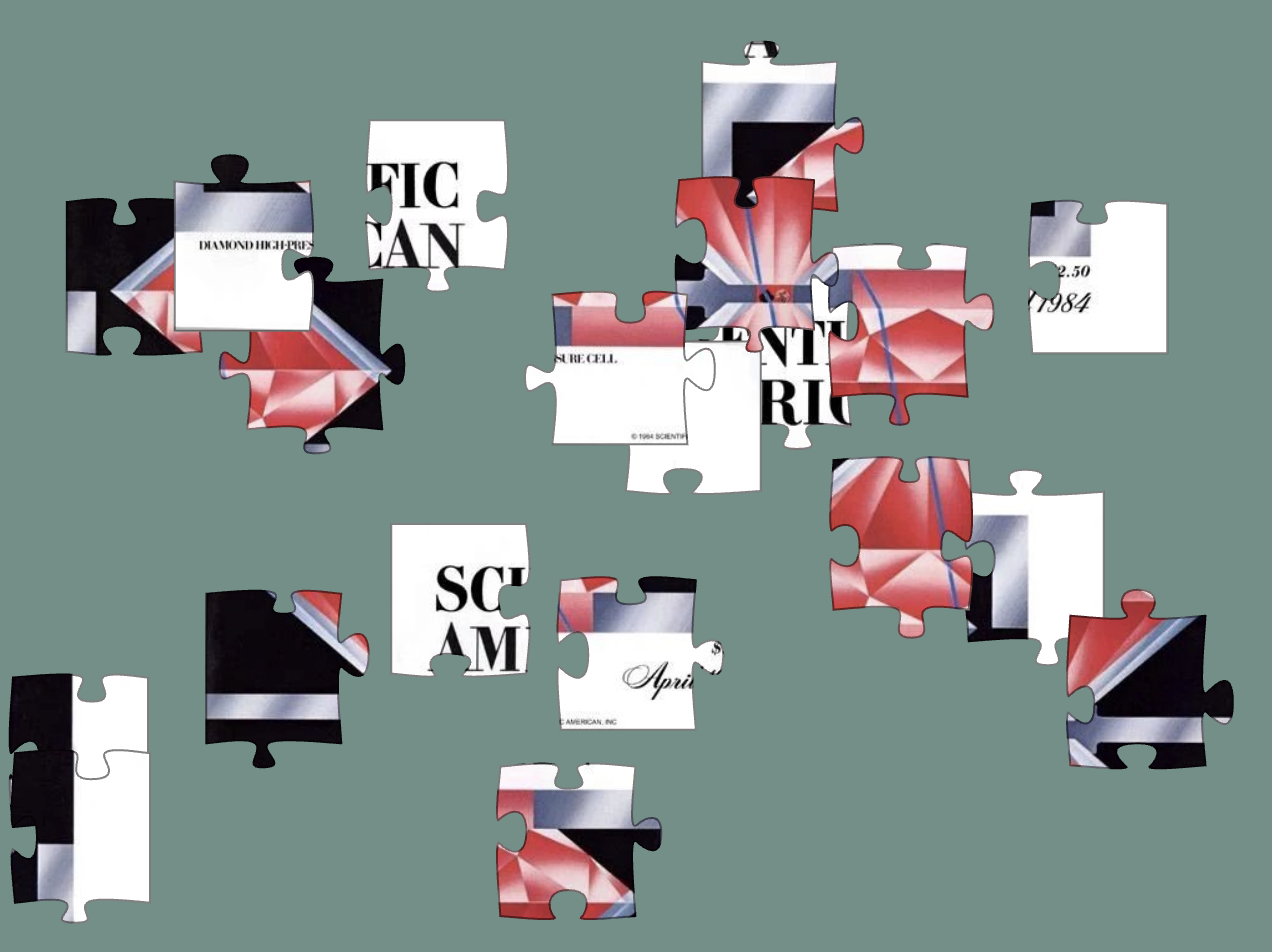
The scientists requested memento hair from a person or their relative who had already participated in local demographic studies. Those who agreed mailed the researchers 40-50 strands of hair from their childhood, and 40-50 strands of their current hair. In total, the study acquired 47 hair samples dated from 1916-2024 and tested them for lead. They found that since the EPA was established, the amount of lead found in the hair samples fell dramatically. —EG | | - Unscramble this puzzle of the April 1984 cover of Scientific American. The reassembled picture shows the central mechanism of a device that can generate pressures as high as those just outside Earth's core.
| | I once listened to a mindfulness podcast that tried to improve one's ability to "disconnect" mentally from pain in the body. At first I felt insulted, that the distress of being in pain seemed minimized. But research shows that pain in humans, and other mammals, triggers a strong emotional response in the form of fear and anxiety. Could it be that emotions are ramping up the perceived intensity of pain? And that emotional response might be within our control? It's an intriguing idea, one I'm curious what you think about. | | —Andrea Gawrylewski, Chief Newsletter Editor
| | | | |
Subscribe to this and all of our newsletters here. | | | | |